Hangry Joe's Names Brandon Wilhelm as New CEO
Hangry Joe's promotes insider Brandon Wilhelm to CEO, prioritizing franchisee profitability over rapid unit growth as the chain expands past 90 locations.
Franchising
Oct 6, 2026
Hangry Joe's promotes insider Brandon Wilhelm to CEO, prioritizing franchisee profitability over rapid unit growth as the chain expands past 90 locations.
Oct 6, 2026
Portillo's chief people officer Jill Waite departs as new CEO Brett Patterson reshapes leadership with layoffs and fresh executive hires.
Oct 6, 2026
Uber is paying $2.3 billion to acquire ezCater, merging its catering network into Uber Eats and Uber for Business to enter workplace catering.
Oct 6, 2026
A new lawsuit claims McDonald's pricing tool pressures franchisees into algorithmic price-fixing, raising fresh antitrust questions for the chain.
Oct 6, 2026

True Food Kitchen filed for Chapter 11 bankruptcy, closing 12 locations and shrinking to 34 restaurants across 14 states amid $42.1 million in debt.
Oct 5, 2026

Snooze Eatery names industry veteran Amy Hom as COO, starting Sept. 28, to strengthen hospitality and operations ahead of its next growth phase.
Oct 5, 2026
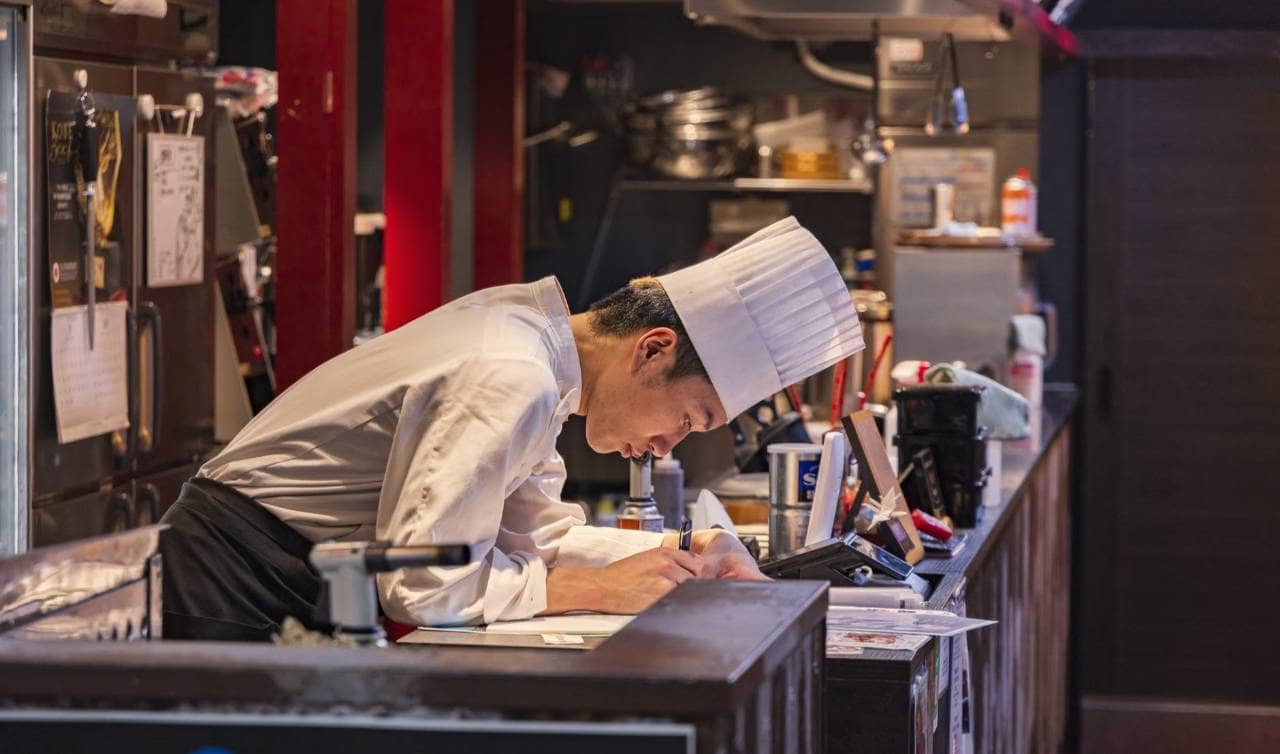
Restaurants can control operating costs by tracking food, labor, rent, utilities, technology, marketing, and other expenses against sales.
Oct 5, 2026
Opening a second restaurant location requires readiness, clear goals, financial planning, funding, smart strategy, standardized operations, strong teams, and careful launch monitoring for sustainable growth.
Sep 30, 2026

Improve restaurant visibility with local SEO by optimizing Google Business Profile, targeting local keywords, managing reviews, and maintaining accurate online information.
Oct 5, 2026
Evaluate restaurant industry performance in Q3 2026 through key trends affecting restaurant sales, traffic, consumer spending, labor, costs, and technology.
Oct 2, 2026

Unlock Exclusive Access To Webinars, Events, And The Latest News For Free!
Industry leaders at the National Restaurant Show made a clear case - aggressive deportation policies are driving up food costs, shrinking workforces, and pulling customers away and restaurant operators need to start speaking up before the damage becomes irreversible.
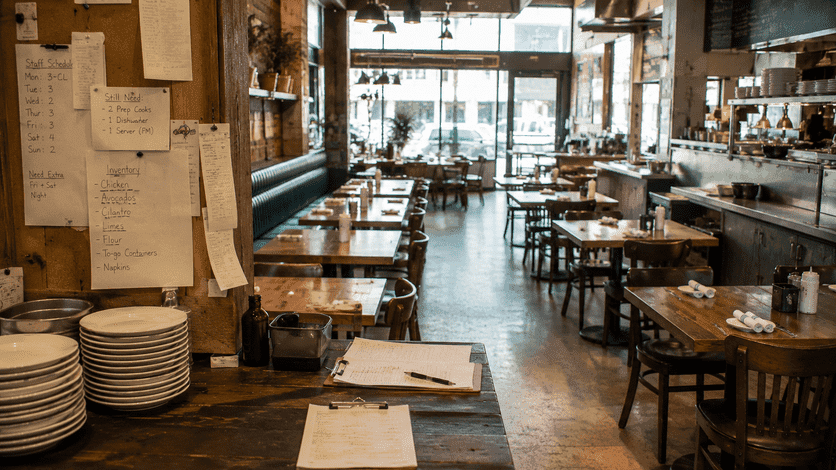
There is a word that many restaurant operators have been quietly avoiding in boardrooms, at industry events, and in conversations with lawmakers. That word is immigration. And according to some of the most prominent voices in the foodservice industry, the reluctance to say it out loud let alone advocate around it is a problem the sector can no longer afford. At a session held during the National Restaurant Show, three industry leaders made a direct and urgent case - the current immigration climate in the United States is actively harming restaurants, and the industry needs to engage on the issue with the same energy it brings to minimum wage debates, supply chain disruptions, or any other business-critical challenge.
The session brought together Emily Williams Knight, president and CEO of the Texas Restaurant Association; Aaron Frazier, vice president of public policy for the National Restaurant Association; and Kevin Vaughan, head of Vaughan Hospitality Group and former president of the Illinois Restaurant Association. Together, they laid out a clear-eyed argument - comprehensive immigration reform is not a political favor to one side of the aisle. It is an economic necessity for an industry that employs millions of people and anchors local communities across the country. Knight, who led much of the discussion, was direct in her message to operators in the room. The restaurant industry needs to stop treating immigration as someone else's issue and start treating it as the business issue it has always been.
The panelists identified three specific and measurable ways that the current administration's aggressive deportation policies are creating real harm across the industry.
The National Restaurant Association has been actively lobbying in support of the Dignity Act, a bipartisan immigration reform bill that would establish a legal pathway for Dreamers and holders of temporary protected status, build a functional work visa system, and create a legal pipeline for future workers entering the U.S. labor market. It is, in the view of the panelists, the kind of practical, economy-focused legislation that the restaurant industry should be rallying behind loudly and consistently. The challenge is that Congress has not been moving on it. Gridlock on Capitol Hill has stalled meaningful action, leaving the industry in a position where it is absorbing the consequences of failed policy while waiting for a legislative solution that has not materialized.
Kevin Vaughan, who was born in Ireland and operates restaurants in Illinois, acknowledged the frustration many operators feel when it seems like their advocacy is going nowhere. His local lawmakers are already supportive of reform. Pushing further can feel redundant. But Vaughan's argument was simple - keeping the issue visible matters, even when progress seems out of reach. Political environments shift. Momentum builds over time. And an industry that goes quiet on an issue signals that the issue is not urgent which is precisely the wrong message to send right now. Vaughan also offered one of the session's most direct lines - "We need to make people aware the restaurant industry cannot survive without immigrants." It is the kind of statement that cuts through political noise and grounds the conversation in practical reality.
One unexpected opportunity the panelists pointed to is the FIFA World Cup, coming to the United States this summer. With a global audience descending on American cities and an international spotlight trained on the country, the tournament creates a moment where U.S. immigration policy will be experienced firsthand in restaurants, bars, hotels, and hospitality venues across the country by travelers from around the world. For industry advocates, it represents a rare chance to connect the dots between policy and perception on a stage that transcends domestic politics.
Perhaps the most consistent theme running through the session was the insistence that immigration reform should not be framed as a left-versus-right debate. Knight was emphatic on this point. In Texas, every dollar spent at a restaurant generates roughly $1.99 in value for the surrounding local economy. The restaurant industry is a multiplier a job creator, a community anchor, a tax base contributor. Policies that undermine the workforce and customer base that sustain it are not just politically contentious. They are economically destructive. For restaurant operators looking at the landscape ahead, the message from the National Restaurant Show was clear - engage your lawmakers, stay in the conversation, and resist the temptation to treat immigration as a topic too hot to touch. The industry's ability to operate, grow, and serve its communities may well depend on it.
