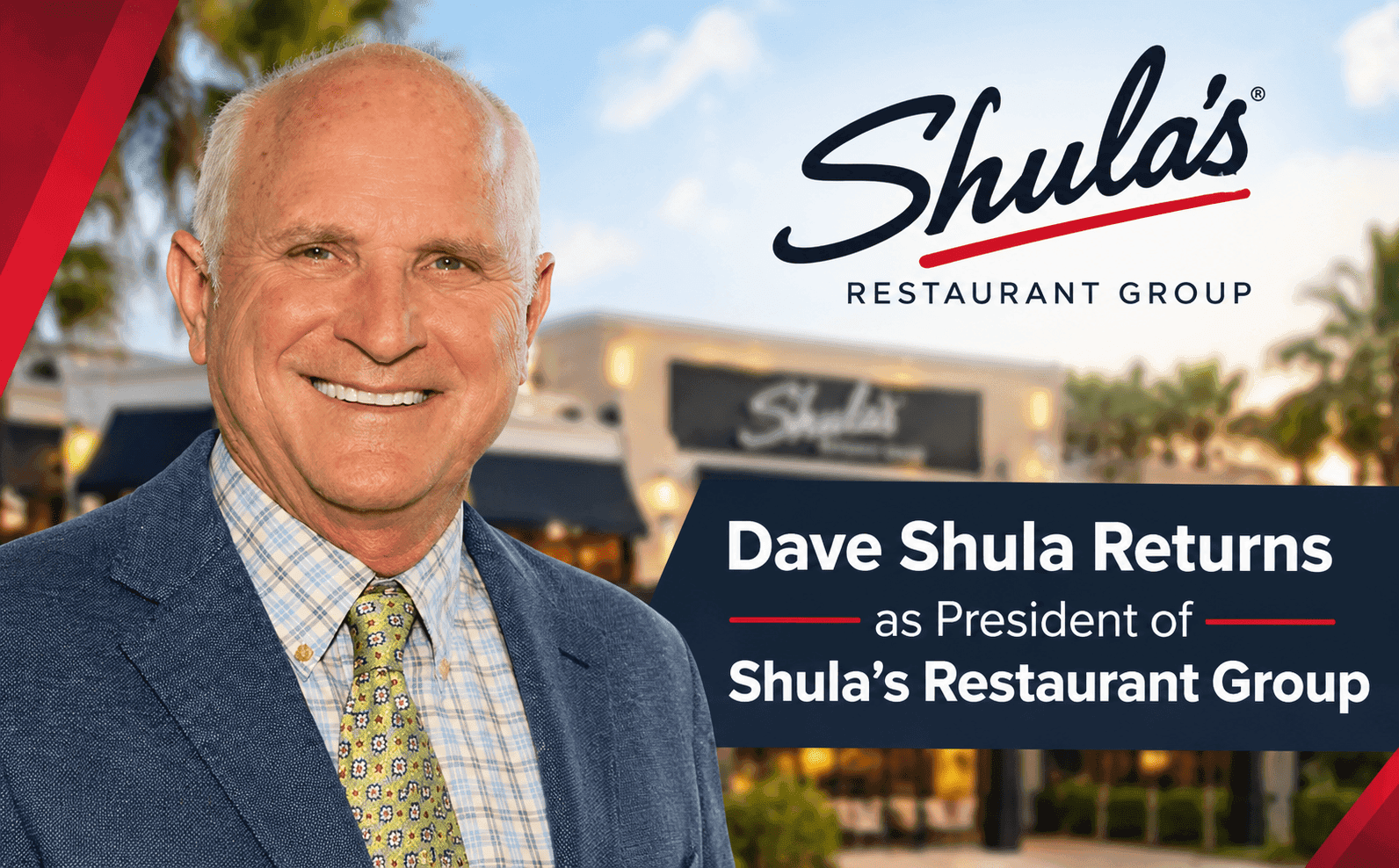
Dave Shula Returns as President of Shula's Restaurant Group
Dave Shula rejoins Shula's Restaurant Group as president, leading growth into Palm Beach Gardens and a 2027 Thomasville, Georgia expansion.
News
Sep 23, 2026
Dave Shula rejoins Shula's Restaurant Group as president, leading growth into Palm Beach Gardens and a 2027 Thomasville, Georgia expansion.
Sep 23, 2026
McDonald's commits $8.5 billion through 2036 to modernize restaurants, boost cash flow by $100,000 per store, and grow chicken and beverage sales.
Sep 23, 2026
WKS Restaurant Group promotes Jay Spongberg to president and COO after he helped grow the company from 65 to 382 restaurants over 16 years.
Sep 23, 2026

Smokey Mo's BBQ names Von Dawson, a Dine Brands veteran, as VP of Franchise Development to lead its Texas expansion strategy.
Sep 23, 2026
.png&w=3840&q=70)
Meritage Hospitality's Chapter 11 filing pulls 5% of Wendy's U.S. stores into bankruptcy, exposing cracks in franchising's bigger-is-safer bet.
Sep 21, 2026

Jack in the Box names Rachel Ruggeri to its board as Michael Murphy retires, amid a CEO transition and deal with investor GreenWood.
Sep 21, 2026
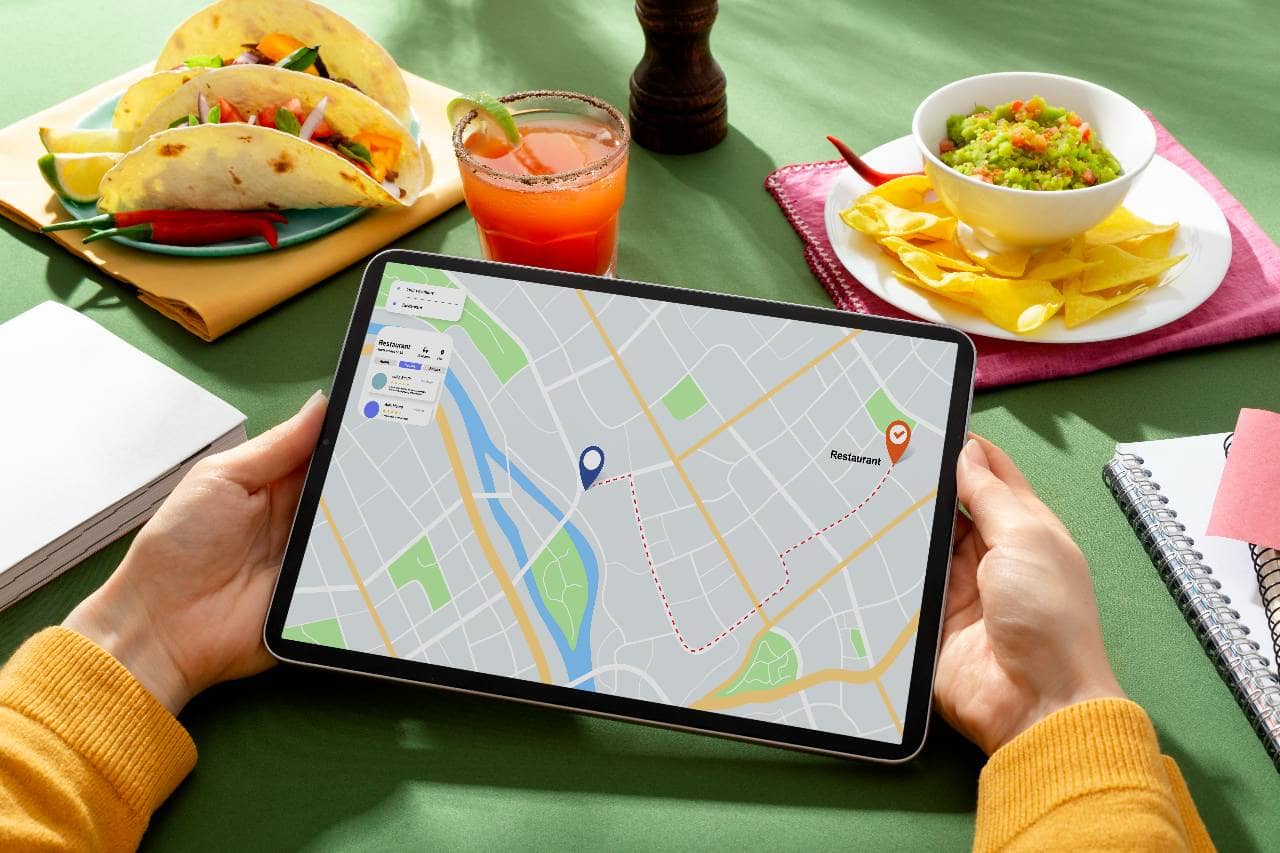
Improve restaurant Google Maps rankings by optimizing your business profile, selecting accurate categories, gathering reviews, adding photos, and strengthening local relevance signals.
Sep 21, 2026

Restaurant inventory tracking helps owners monitor stock, control food costs, reduce waste, improve purchasing, and make informed operational decisions.
Sep 21, 2026

Restaurant owners can significantly reduce restaurant costs by leveraging technology across inventory, labor, procurement, forecasting, and administrative operations for better profit margins.
Sep 18, 2026

Understand how to forecast restaurant revenue and expenses with methods for sales projection, cost scaling, fixed-cost planning, and risk buffering.
Sep 18, 2026

Unlock Exclusive Access To Webinars, Events, And The Latest News For Free!
Wingstop scales to 2,000 U.S. stores and pours fuel on its digital-first strategy with in-house tech, shaping a distinctive growth path amid mixed industry signals.
Wingstop marked a milestone that feels like a familiar pause in a beloved routine: reaching 2,000 U.S. stores, with a domestic footprint of 2,040 locations and 1,988 franchised units. The year‑over‑year gains, 1,973 U.S. locations and 1,924 franchised stores identified in Q1 2024, speak of patient, steady expansion rather than a sudden sprint. The milestone lands in a season where growth stories are weighed against headwinds and volatility, yet the question remains: what does this milestone reveal about Wingstop’s path forward?
Beyond the numbers themselves, the 2,000 U.S. stores signal a hospitality of scale, one that blends neighborhood familiarity with a broader, digital-forward strategy. The broader context hints at a company growing through steady store openings while leaning into a guest experience that feels customized and accessible. The question now shifts from counting doors to measuring how the growth translates into daily decisions about menus, service, and guest relationships.
Beyond the U.S. milestone, Wingstop’s scale widens on a broader stage: a system-wide count of 3,056 restaurants as of December 27, 2025, with domestic franchises at 2,529 and international franchises at 470. This footprint isn’t mere doors; it’s a framework that embraces digital engagement as a central driver. The quarter highlighted a strong truth: 73.2% of system-wide sales came through digital channels, underscoring a business model built for online ordering, loyalty, and convenience.

The numbers tell a story of a brand where digital engagement isn’t a trend but a habit, holding steady as stores grow. The scale, paired with a high share of online activity, paints a picture of Wingstop as a model where technology and hospitality walk hand in hand.
Wingstop has moved its technology strategy from outsourcing toward a homegrown architecture, redirecting energy and resources to what the brand describes as a more personalized guest experience. The company committed $50 million toward building out this in‑house stack, a strategic shift away from the technology solutions previously provided by Olo. The aim, as leadership noted, is to reach an entirely new level of personalization with our guests, one that we believe over time will drive conversion, retention rates and frequency.
My Wingstop began its rollout after years of investment in the proprietary stack, with a full rollout pursued since 2024. Industry coverage frames this as a pivotal shift in how Wingstop digitizes every transaction, moving away from external partners toward an integrated, proprietary platform that promises deeper guest insights and more efficient operations.
The earnings narrative across the sector has been a mix of momentum and headwinds. Chipotle has shown strong traffic with an 8% increase in customer transactions in the cited quarter, signaling robust demand in fast-casual. By contrast, legacy giants like McDonald’s posted negative comps in multiple markets during its Q4 2024 results, while Starbucks described a return to global comp growth in its Q4 FY2025 release. Together, these dynamics frame Wingstop’s digital-first growth as a standout in a heterogeneous environment.
These contrasts show why Wingstop’s model, built around a high‑touch digital backbone and disciplined unit growth, appears to stand apart as peers recalibrate strategies in response to shifting consumer behavior and macro pressures.
The Wingstop experience offers a case study in bold bets on both expansion and technology. The combination of aggressive unit growth, a proprietary tech stack, and a high share of digital orders has produced a distinct market narrative that other brands are watching closely. Some industry observers argue that Wingstop’s model could redefine expectations for growth in quick service and fast casual, particularly if its personalized guest experiences translate into higher frequency and improved guest loyalty. Others caution that large‑scale tech implementations carry execution risk and require ongoing investment, discipline, and clear ROI metrics.
The balance of expansion and technology, as Wingstop demonstrates, continues to shape how a modern restaurant platform looks in a rapidly evolving consumer environment. The next chapters will reveal whether this blueprint translates into durable growth and lasting guest loyalty or whether execution risks temper the enthusiasm around a bold, tech‑driven strategy.
