Lucy Brady Appointed President of Jamba at GoTo Foods
Lucy Brady joins Jamba as president to lead digital-first growth strategy. GoTo Foods restructures leadership to strengthen franchise platform capabilities.
News
Sep 14, 2026
Lucy Brady joins Jamba as president to lead digital-first growth strategy. GoTo Foods restructures leadership to strengthen franchise platform capabilities.
Sep 14, 2026
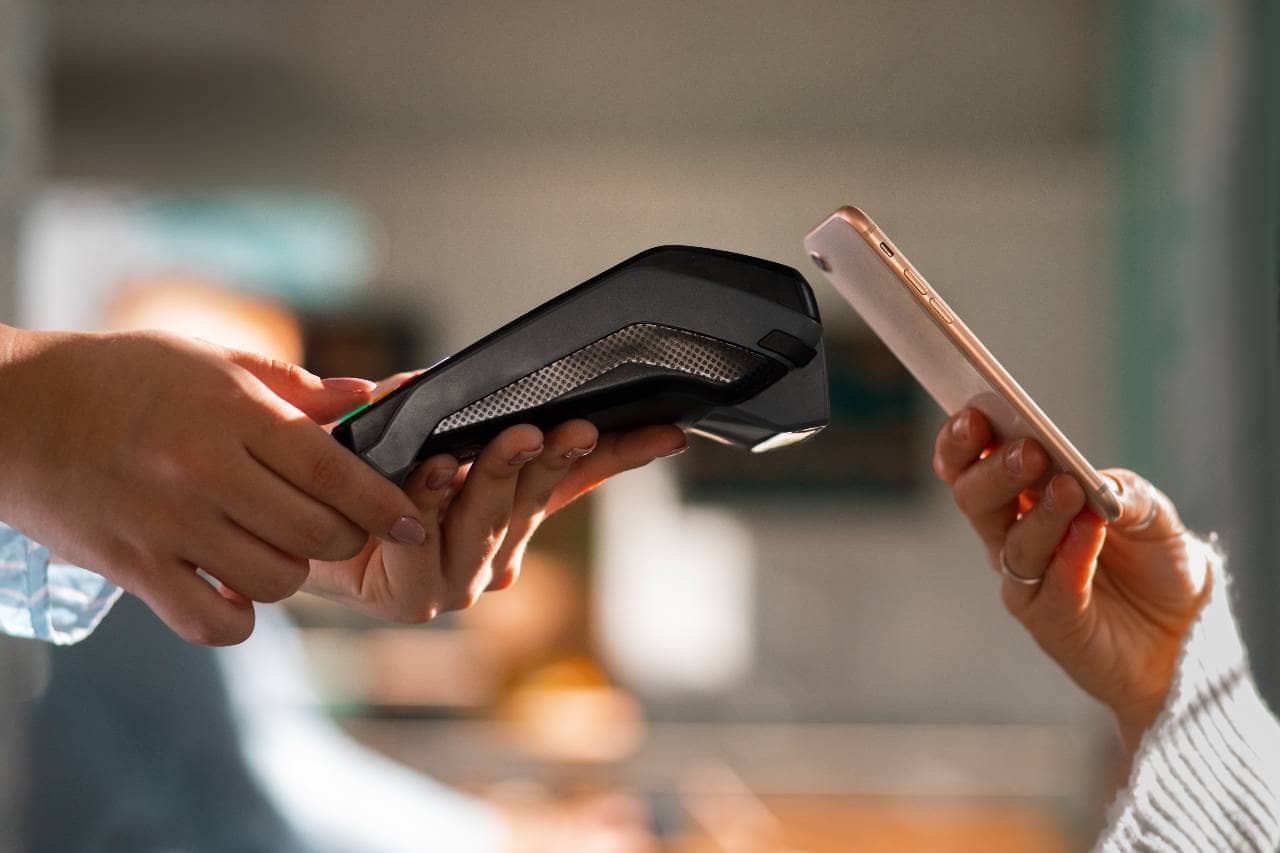
Contactless payment offers restaurants faster transactions, better security, and improved customer experience, making it a valuable, worthwhile technology investment today.
Sep 11, 2026

Pei Wei Asian Kitchen named Best Fast-Casual Chain in Reviewed 2026 Awards, reflecting shift from price competition to quality and transparency.
Sep 11, 2026

O'Charley's shuttered all corporate restaurants nationwide on September 9, 2026, ending its 55-year legacy as a casual-dining regional powerhouse.
Sep 11, 2026
Authentic Restaurant Brands lands $325M investment from Trimontium to fuel disciplined regional expansion across five established restaurant concepts.
Sep 11, 2026

Walmart expands restaurant delivery beyond Subway and Dunkin', taking on DoorDash, Uber Eats, and Grubhub with Papa Johns nationwide rollout.
Sep 11, 2026

Complete NFL season restaurant checklist covering licensing, AV setup, menu prep, inventory, staffing, and marketing before kickoff arrives.
Sep 11, 2026

California shifts to public enforcement strategy against Dickey's for deceptive franchise disclosures, signaling stricter state-level franchise oversight.
Sep 10, 2026
Paul Brown temporarily steps away from Inspire Brands as Scott Murphy assumes interim CEO role during confidential IPO filing process targeting late 2026.
Sep 10, 2026
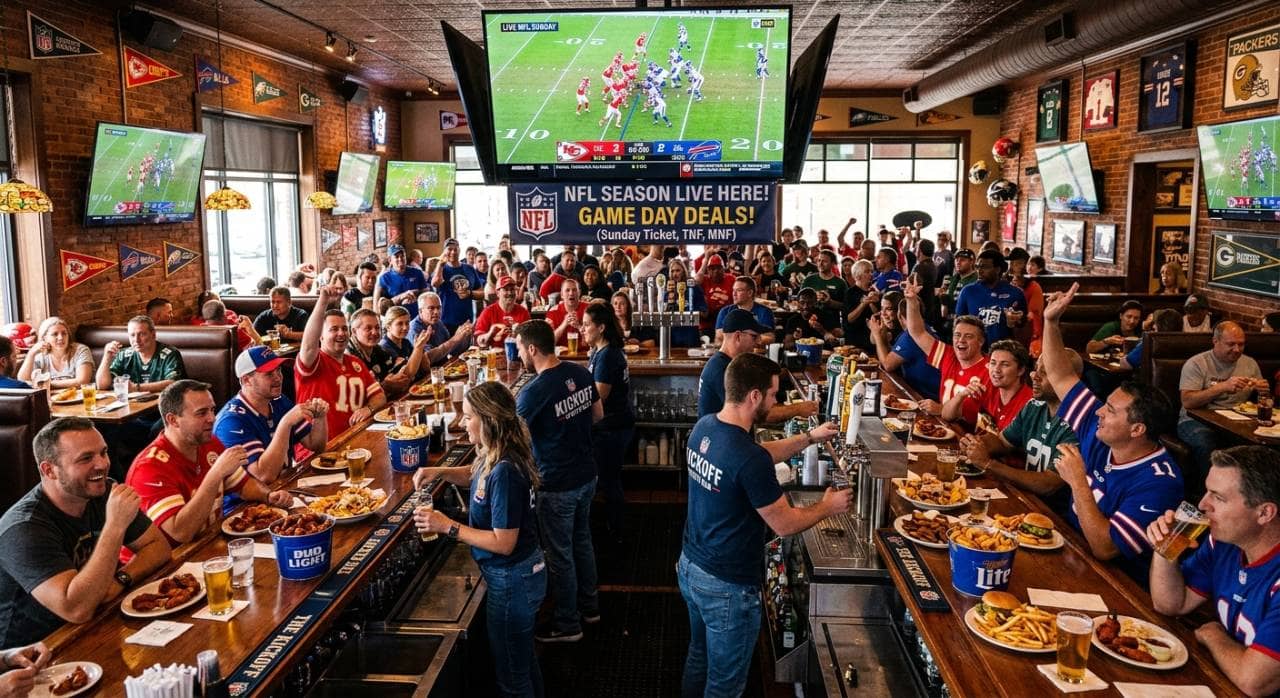
Prepare your restaurant for NFL season with smart menu planning, staffing, marketing, technology, and atmosphere strategies that boost season-long revenue.
Sep 9, 2026

Unlock Exclusive Access To Webinars, Events, And The Latest News For Free!
Yum Brands has agreed to sell Pizza Hut through two separate transactions totalling $2.7 billion, with Long Range Capital acquiring the global business for $1.5 billion and Yum China Holdings purchasing the China operations for $1.2 billion.
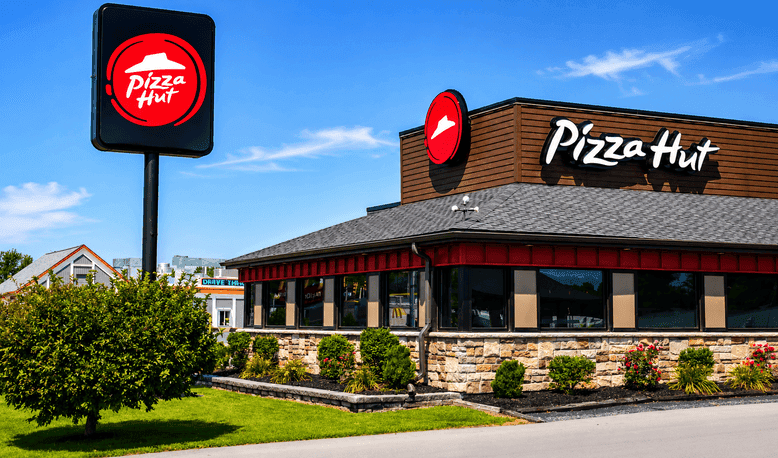
Yum Brands has announced the sale of Pizza Hut through two separate transactions with a combined value of $2.7 billion, drawing a line under months of speculation that began when the company disclosed it was reviewing strategic alternatives for the struggling pizza chain in November. LongRange Capital will acquire the Pizza Hut business outside of China for $1.5 billion, while Yum China Holdings will purchase the China operations for $1.2 billion. Both deals are expected to close during the third quarter of the year. The transactions effectively hand Pizza Hut's future to two distinct ownership structures, each tailored to the specific competitive dynamics and long-term priorities of their respective markets- a structure Yum's leadership concluded represented the best possible outcome for shareholders.
The decision to sell did not emerge from a position of strength. Pizza Hut's same-store sales have fallen for ten consecutive quarters, a prolonged slump that has weighed heavily on Yum's overall performance and made the pizza chain an increasingly awkward fit within a portfolio otherwise defined by the momentum of KFC and Taco Bell. In the first quarter of 2026, Pizza Hut was alone among Yum's brands in recording a decline in core operating profit- down 14%- while same-store sales fell 4%, considerably worse than segment leader Domino's. As recently as February, Yum announced the planned closure of approximately 250 underperforming Pizza Hut locations in the United States, representing around 4% of the domestic system. The cumulative picture is of a brand whose challenges had outgrown the capacity of its parent company to manage them alongside two healthier, faster-growing siblings.
When Pizza Hut's strategic review was first announced, Yum CEO Chris Turner acknowledged openly that a turnaround for the chain might be better executed outside of the company's structure. That admission proved prescient. Pizza Hut's US sales account for 40% of its total revenue- a concentration that leaves the brand with limited ability to offset domestic weakness through international growth, unlike KFC, whose US footprint represents just 12% of its sales. The cost and complexity of engineering a turnaround at scale for a brand so heavily dependent on its legacy home market would have placed a significant and ongoing drain on Yum's resources. Selling the brand through transactions that place it under leadership with focused, market-specific QSR experience was ultimately deemed the more disciplined choice.
Despite the sale, Yum will not disappear from Pizza Hut's orbit entirely. The company has agreed to continue providing certain services to the brand outside of China, most notably access to its proprietary Byte technology platform. Transition services will also be supplied during the ownership changeover period, ensuring operational continuity as LongRange Capital and Yum China Holdings take the reins in their respective markets. The arrangement reflects a pragmatic recognition that a brand of Pizza Hut's scale cannot be cleanly handed over overnight, and that a managed transition is in the best interest of all parties- including the thousands of franchisees whose businesses depend on the stability of the systems and infrastructure that underpin the brand.
To understand the urgency behind the sale, the longer arc of Pizza Hut's US decline is instructive. According to BTIG analyst Peter Saleh, there have been approximately 1,500 net location closures over the past decade alone. The brand's US market share fell from 16.9% in 2015- when it led the pizza segment- to 12.1% through the first three quarters of 2025. Over the same period, Domino's grew its share from 14.2% to 23.4%, displacing Pizza Hut as category leader as far back as 2017. The symbolic low point may have arrived in early 2025, when Domino's launched its own Stuffed Crust pizza- a format Pizza Hut had pioneered 30 years earlier- and watched it become a key sales driver within months. Despite a three-decade head start on the menu item that once defined its identity, Pizza Hut was unable to hold the ground it had created.
Taking Pizza Hut private through this transaction structure removes it from the quarterly scrutiny of public markets- an environment where a brand turnaround of this magnitude, which could take years to complete, is particularly poorly suited. Under LongRange Capital's ownership outside China, and Yum China Holdings' stewardship of the Chinese business, Pizza Hut will have the opportunity to make longer-term decisions without the pressure of reporting cycles. Saleh cautioned that the sale process could prove distracting in the near term, noting that Domino's is well positioned to accelerate its market share gains in 2026 while Pizza Hut navigates the transition. Whether the new ownership structures can arrest a decade of decline and restore the brand to genuine competitiveness remains the central question- one that the pizza industry will be watching closely in the years ahead.
