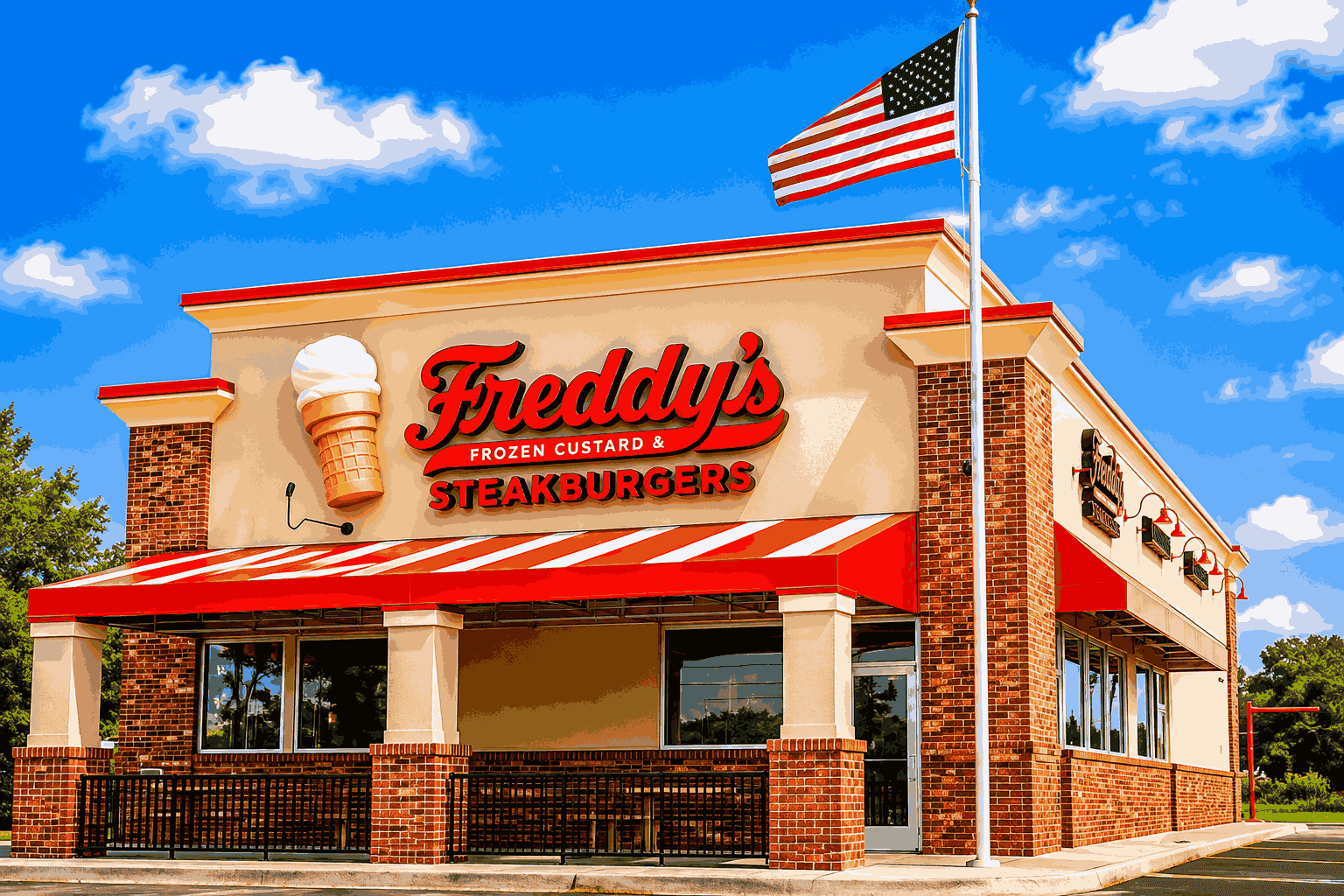
Culinary Leadership Shapes Freddy’s Future
Freddy’s Frozen Custard & Steakburgers promotes Rick Petralia to Executive Chef & VP of Training & Innovation, signaling a strategic focus on culinary excellence and franchisee support.
News
Aug 12, 2026
Freddy’s Frozen Custard & Steakburgers promotes Rick Petralia to Executive Chef & VP of Training & Innovation, signaling a strategic focus on culinary excellence and franchisee support.
Aug 12, 2026
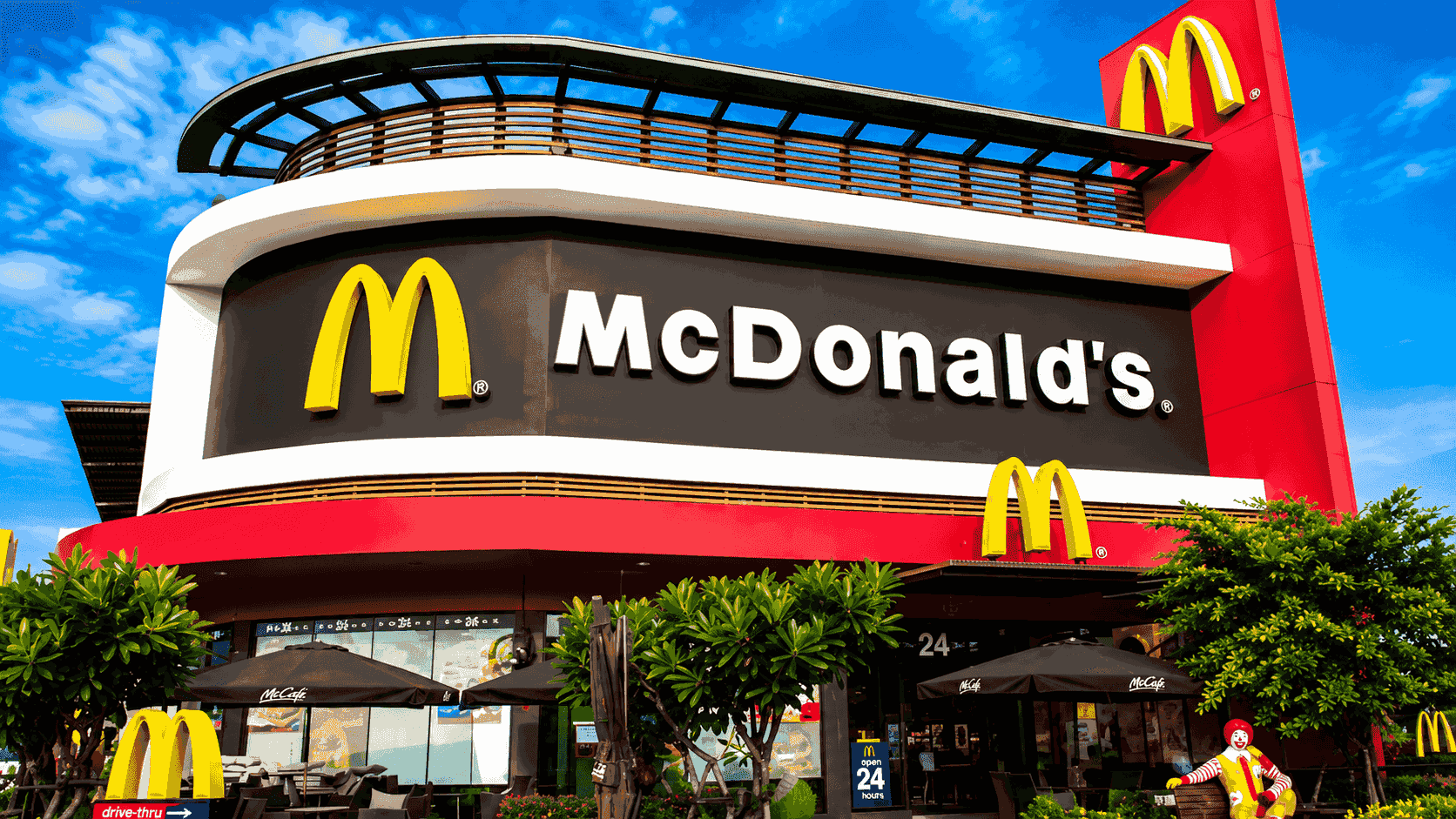
McDonald’s USA has appointed Patrick Gerber as chief restaurant officer, leveraging his decades of global experience to boost operations, food quality, and customer satisfaction in the U.S. market.
Aug 11, 2026
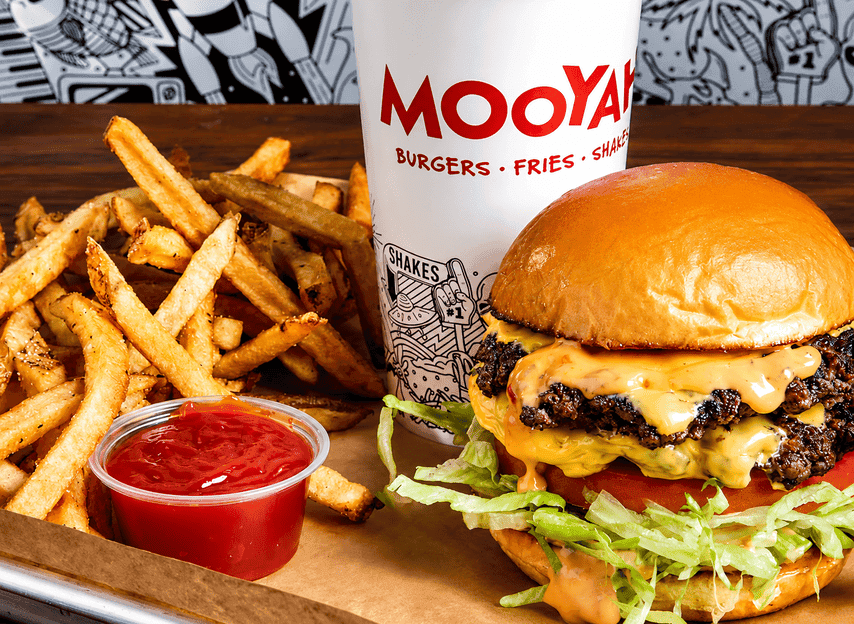
MOOYAH Burgers, Fries & Shakes partners with Great USA Foods LLC to launch a master franchise in the UAE, accelerating international expansion into Dubai and Abu Dhabi. Learn the impact for restaurant owners and growth lessons.
Aug 12, 2026
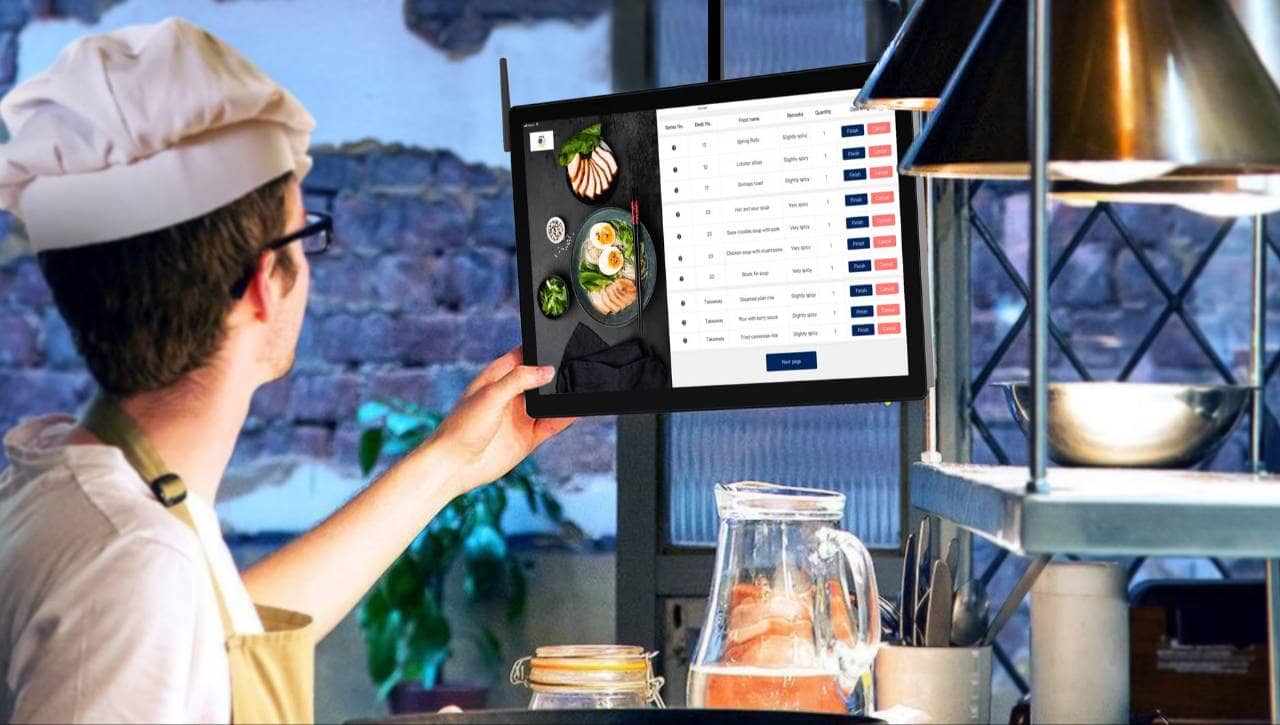
See how a kitchen display system supports faster service, better communication, accurate orders, organized workflows, and improved kitchen performance management.
Aug 10, 2026
Red Robin welcomes marketing veteran Scott Hudler as its new CMO, aiming to revitalize brand strategy and guest engagement during a critical turnaround phase.
Aug 11, 2026
Discover how a Zaxbys team member's creative marketing efforts earned her an executive role, and what the move shows about employee-driven branding in restaurants.
Aug 11, 2026

Avoiding hiring mistakes helps restaurant owners reduce turnover, control labor costs, improve staffing decisions, and build stronger, more reliable teams.
Aug 10, 2026
With traffic and sales slipping, Wendy’s new CEO Bob Wright sets a bold multi-pronged plan to restore food quality, brand value, and operational execution.
Aug 10, 2026
Explore practical ways to manage restaurant overhead costs while protecting service quality, employee productivity, food standards, and long-term profitability goals.
Aug 7, 2026
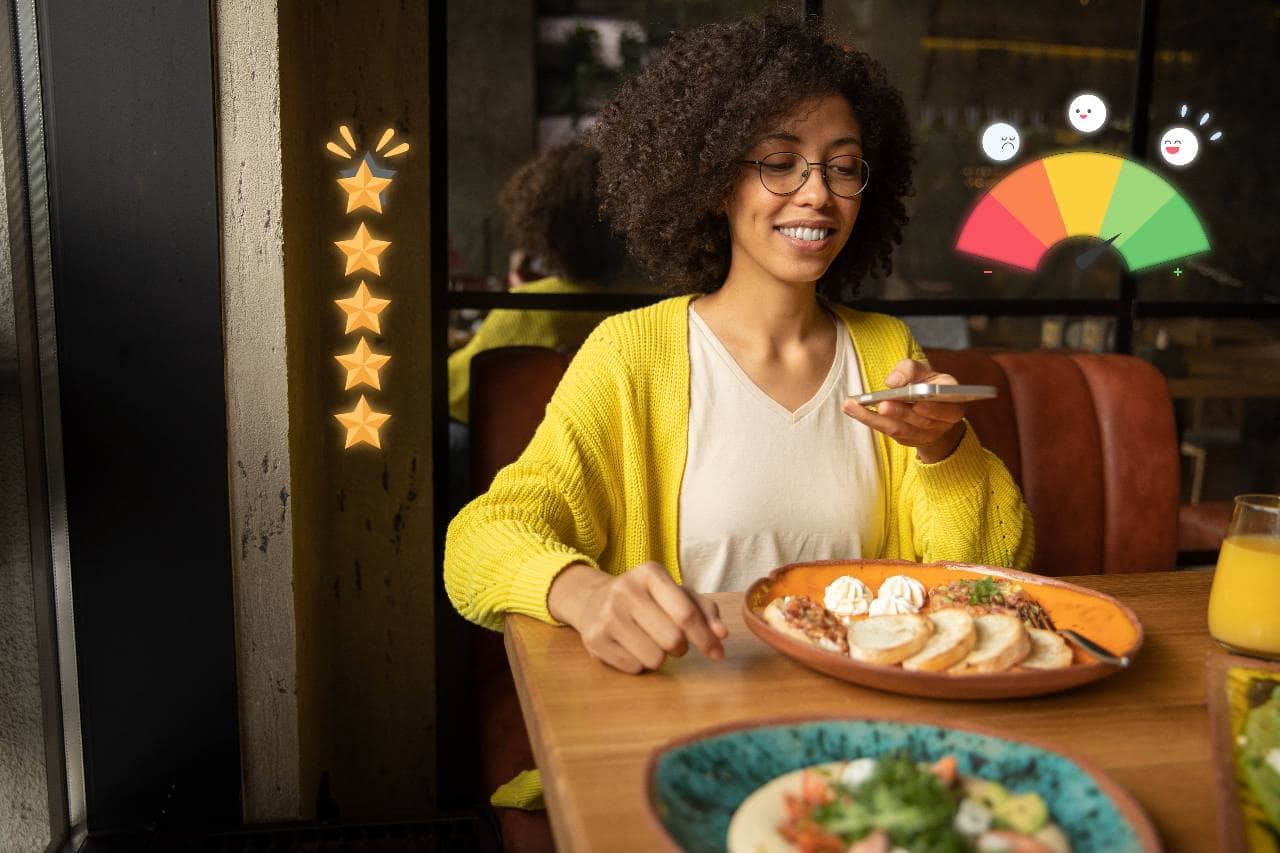
Get more restaurant reviews by creating memorable experiences, asking customers at the right time, simplifying feedback, and monitoring review performance.
Aug 7, 2026
From new technological innovations in-store to increased reliance on social media campaigns and online ordering services, learn the 10 restaurant trends expected to continue into 2021.
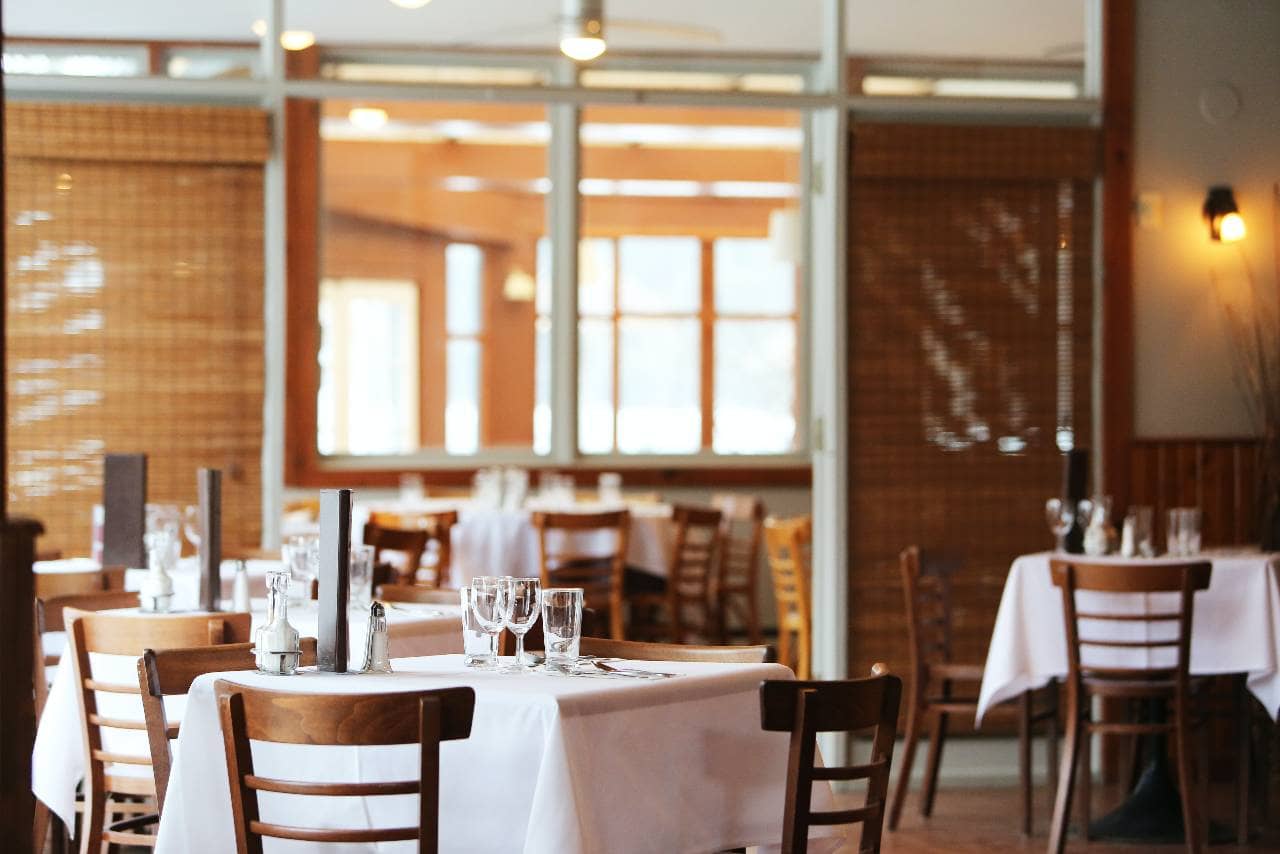
Insights into restaurant trends can inform management of emerging movements on food preference, customer reliance on technology, and effective marketing strategies. Establishments that vigilantly monitor these trends are able to implement advanced solutions to promote their operational efficiency and remain competitive. For example, studies show that 90% of consumers consider a restaurant's online reviews and website before deciding where to dine. Some customers post reviews on social media, such as Instagram, Facebook, and Twitter, where others can also see pictures of menu items and the dining environment. Additionally, 63% of consumers say they prefer food delivery to dining in because of its convenience. Utilizing technologies such as social media, websites, and point-of-sale (POS) systems can give restaurant businesses insight on upcoming trends and changes in consumer demand to maximize their profits.
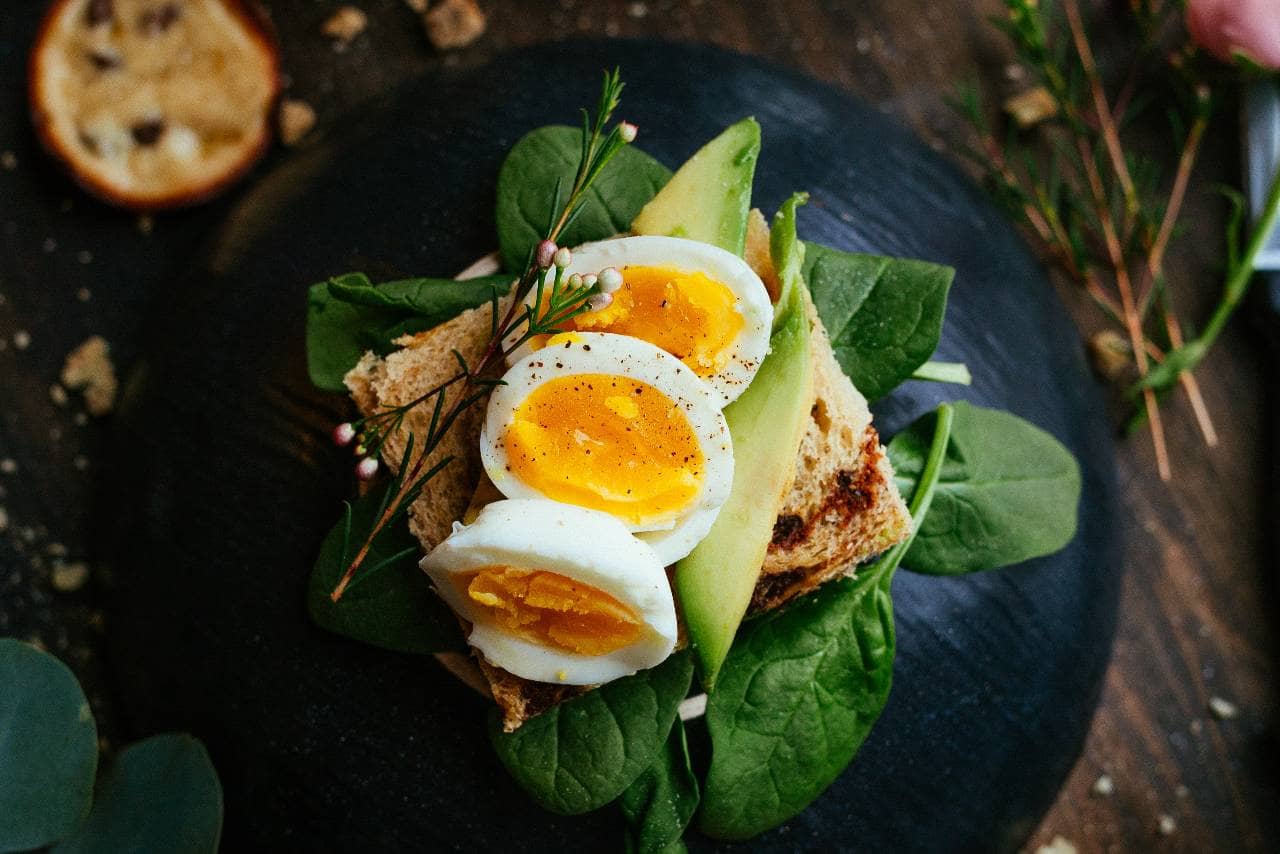
Typically, restaurant trends evolve depending on consumer payment methods, new food preferences, working conditions, and technology. Regardless of whether these movements are influenced by passing society or culture fads, establishments should acknowledge the customers' interests. The 10 leading trends restaurant owners should consider include- 1. Health Consciousness Consumers are now more health-conscious than ever, specifically about their gut health. Nutritionists say to emphasize intake on good bacteria and probiotics to keep the microbiome in the digestive system healthy. Many people, whether for health or dietary reasons, are also strict on their gluten-intake. Therefore, some restaurants have added fermented menu items and gluten-free alternatives to accommodate these customer needs. 2. Reliance on Technology Guests want a quick dining experience that allows them to order and pay when they're ready without the wait time. This is why many businesses are implementing modern restaurant technology such as self-service kiosks, handheld devices, and portable tablets that enable customers to submit food requests and complete transactions at the table. These terminals enhance service by minimizing wait times and increasing table turnover rates. Consumers can also place take-out orders ahead of time from mobile applications to avoid lines altogether.

3. Social Media From Instagram to Twitter, restaurants should take advantage of the free exposure social media provides. Guests love to share photos of elaborately designed food and drinks and unique restaurant concepts, giving the business advertisement at no additional cost. Implementing simple elements such as funny item names, themed nights, or trendy decorations can also attract and engage guests. 4. Specialty Restaurants Independent restaurants with specialty dishes or themes have received much attention from guests looking for a customized dining experience. For example, Highway 55 is a popular 50s themed diner that offers casual dining with simple menu items like hamburgers, fries, and shakes. Other restaurants or cafes can find their niche using themed menus, such as solely focusing on dessert items or integrating a specific ingredient into each dish. 5. Online Ordering and Delivery While restaurants should still put in efforts to enhance dine-in experiences, many consumers prefer ordering online and through third-party delivery services. Delivery apps such as Uber Eats, Door Dash, and Postmates employ outside pick-up and delivery workers, so customers do not have to leave their homes. On the other hand, businesses can utilize in-house online ordering services by hiring internal employees to make and deliver food and receive all of the profits. Both third-party solutions and direct online ordering can integrate with a restaurant's POS system. This allows management to have insights into payment methods, delivery preferences, popular orders, and sales.
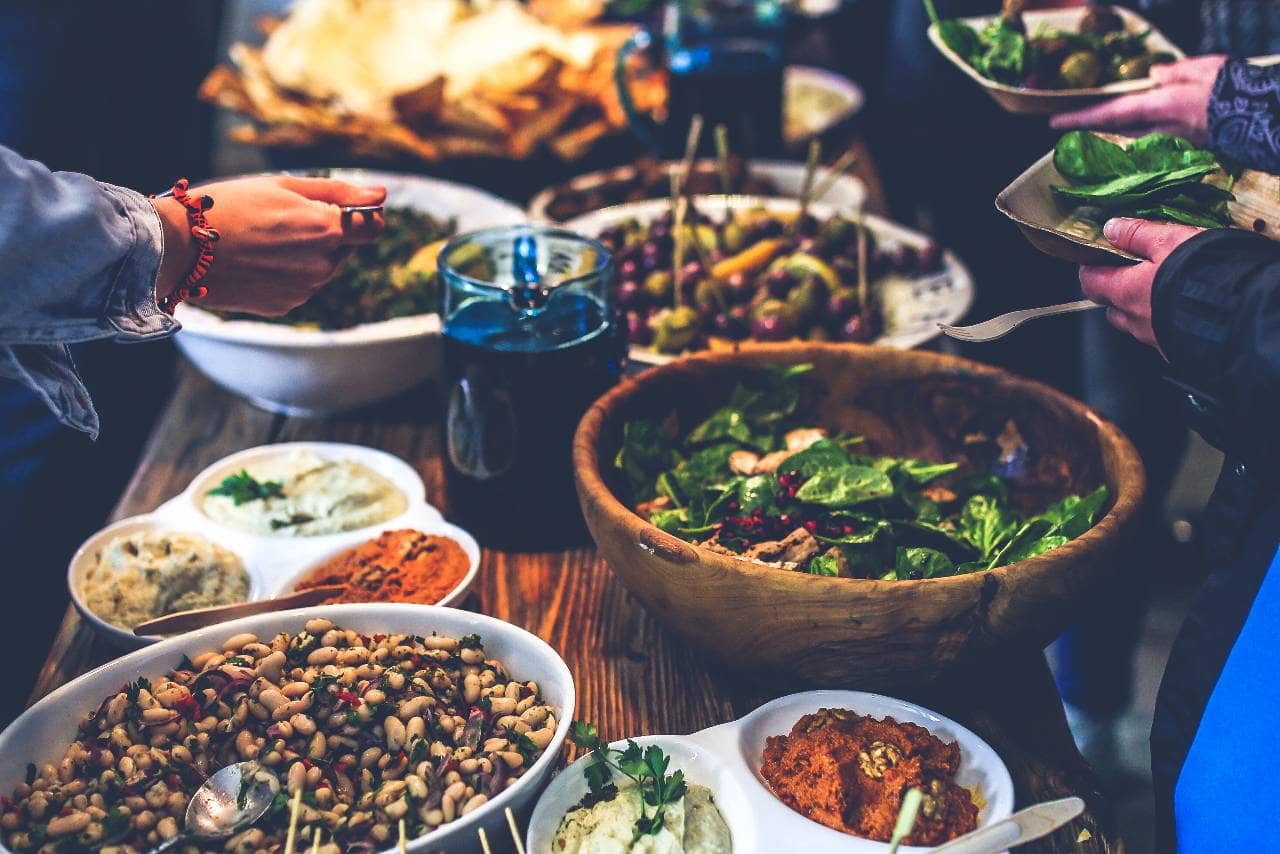
6. Meat Alternatives Vegetarian and vegan diets have become very popular among consumers. Even major fast-food chains, such as Burger King, offer vegetarian meals by using plant-based meat to substitute beef patties in their burgers. Other restaurants, including Chipotle, offer vegan items by including tofu and customizable bowls where guests can disregard animal by-products. 7. Sustainability Environmental activists have been fighting to reduce food waste and the use of plastic for a long time. However, in 2019 there was a significant movement to eliminate plastic straws and bags throughout the restaurant industry. As a result, many restaurants have switched to eco-friendly alternatives such as paper straws and cardboard to-go boxes. 8. Unique Marketing Restaurant businesses are continuously trying to find different, quirky marketing techniques that grab the audience's interest. KFC had a successful campaign by substituting different famous actors as Colonel Sanders. This strategy caught the attention of many different demographics that recognized the celebrities. Other restaurants launch promotions featuring real consumers testing and reacting to their food, which focuses on relatability and advocacy. As the COVID-19 pandemic has limited the dine-in experience, management must prioritize marketing schemes to reach customers.

9. Simple Menus Food trends show that simplifying a menu improves operational efficiency, product quality, order time, and allows consumers to weigh their options quicker. Therefore, many restaurants have decided to eliminate some menu items to streamline the ordering system and reduce labor and inventory costs. Management, owners should carefully examine the profitability and value of each dish before determining which items should stay. 10. Ghost Kitchens Ghost kitchens are not the traditional brick-and-mortar restaurants, as they eliminate the option of dining in and only cater to delivery and carry-out requests. This allows these businesses to save on rental costs and expenses related to restaurant hospitality. Many of these companies rely on third-party delivery apps to help service their customers, as well as in-house drivers. Monitoring restaurant trends allows businesses to create a plan of action that will meet the evolving preferences of customers. Establishments must have the flexibility to cater to new demands to gain longevity and secure their bottom line.