
Pei Wei Wins Best Fast-Casual Chain Award
Pei Wei Asian Kitchen named Best Fast-Casual Chain in Reviewed 2026 Awards, reflecting shift from price competition to quality and transparency.
News
Sep 11, 2026
Pei Wei Asian Kitchen named Best Fast-Casual Chain in Reviewed 2026 Awards, reflecting shift from price competition to quality and transparency.
Sep 11, 2026

O'Charley's shuttered all corporate restaurants nationwide on September 9, 2026, ending its 55-year legacy as a casual-dining regional powerhouse.
Sep 11, 2026
Authentic Restaurant Brands lands $325M investment from Trimontium to fuel disciplined regional expansion across five established restaurant concepts.
Sep 11, 2026

Walmart expands restaurant delivery beyond Subway and Dunkin', taking on DoorDash, Uber Eats, and Grubhub with Papa Johns nationwide rollout.
Sep 11, 2026

Complete NFL season restaurant checklist covering licensing, AV setup, menu prep, inventory, staffing, and marketing before kickoff arrives.
Sep 11, 2026

California shifts to public enforcement strategy against Dickey's for deceptive franchise disclosures, signaling stricter state-level franchise oversight.
Sep 10, 2026
Paul Brown temporarily steps away from Inspire Brands as Scott Murphy assumes interim CEO role during confidential IPO filing process targeting late 2026.
Sep 10, 2026
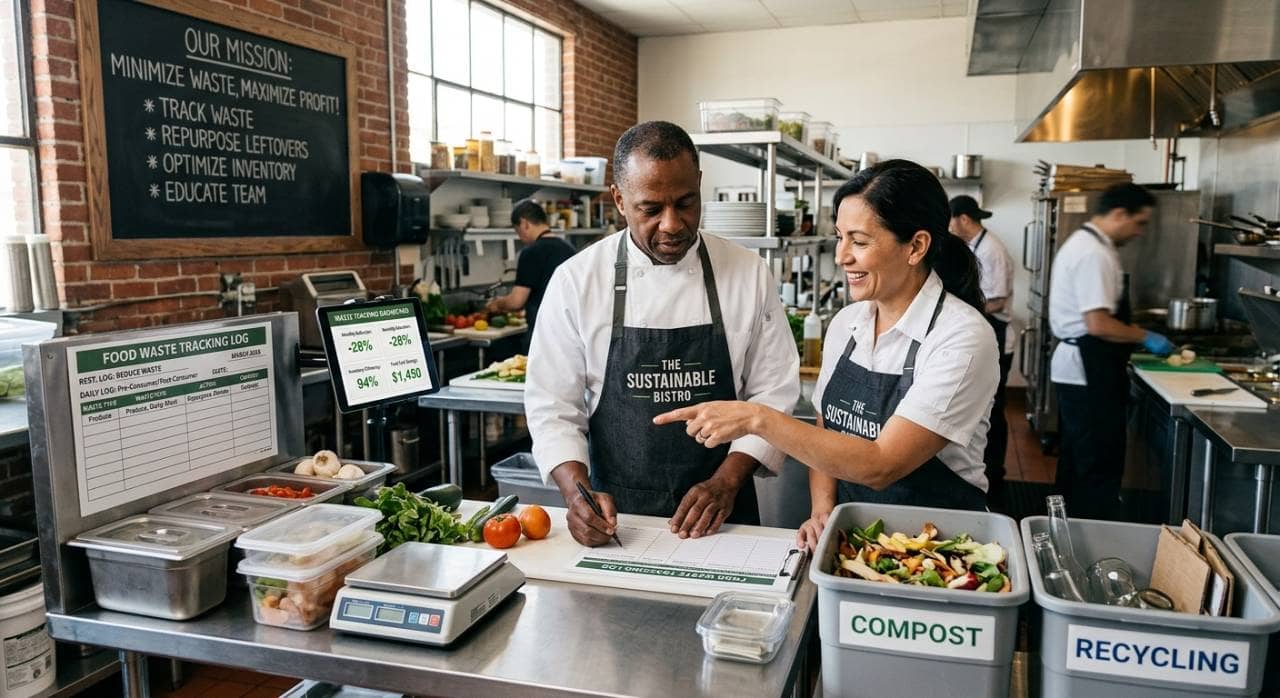
Learn how to reduce food waste in restaurants through smarter purchasing, storage, preparation, and service strategies that cut costs.
Sep 9, 2026
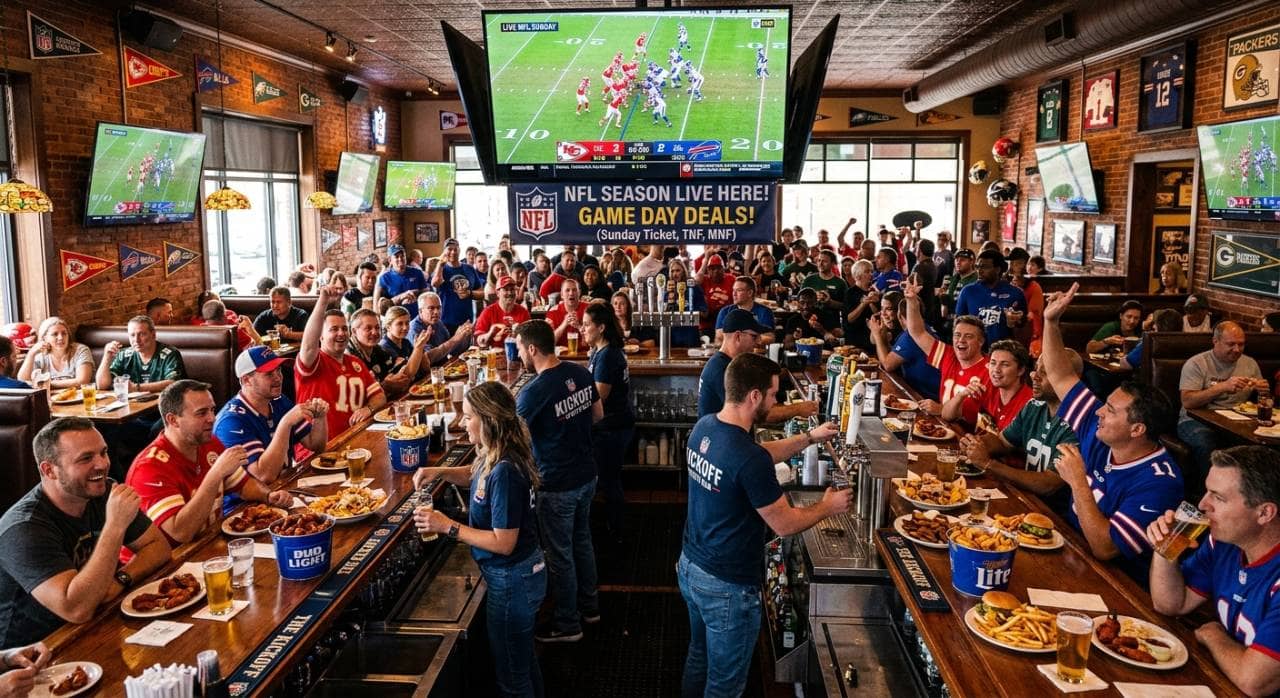
Prepare your restaurant for NFL season with smart menu planning, staffing, marketing, technology, and atmosphere strategies that boost season-long revenue.
Sep 9, 2026
Swig signs franchise agreement for 11 South Denver locations, marking Colorado entry and validating its national expansion strategy.
Sep 8, 2026

Unlock Exclusive Access To Webinars, Events, And The Latest News For Free!
Grow your restaurant's email marketing list using websites, QR codes, loyalty programs, social media, incentives, events, and customer signups effectively.
An email list gives your restaurant a direct way to communicate with customers without depending entirely on social media algorithms, paid advertising, or third-party delivery platforms. Once customers voluntarily subscribe, you can reach them with promotions, menu updates, events, loyalty offers, and other messages designed to encourage repeat visits. For restaurant owners, this can be especially valuable because email marketing supports customer retention. Instead of constantly spending money to attract new guests, you can stay connected with people who have already visited your restaurant, placed an online order, made a reservation, or shown interest in your brand. A strong email list can help restaurants - 1. Encourage repeat visits by sending timely offers and reminders. 2. Promote new menu items directly to interested customers. 3. Drive direct online orders without relying solely on third-party marketplaces. 4. Fill slower periods with targeted promotions for specific days or times. 5. Build customer loyalty through personalized offers, birthday rewards, and exclusive updates. 6. Promote events and seasonal specials to customers who already know your restaurant. However, list size alone should not be the goal. A smaller list of customers who genuinely want to hear from your restaurant is generally more valuable than a large list of people who rarely engage. Restaurants should therefore focus on permission-based email collection. Customers should knowingly choose to receive marketing messages rather than being automatically added to a mailing list. Building your email list gradually through your website, online ordering system, loyalty program, reservations, and in-store interactions creates an audience your restaurant can communicate with repeatedly. The next step is making it easy for customers to subscribe wherever they interact with your business.
Your restaurant website is one of the easiest places to collect email subscribers because visitors are already showing interest in your business. They may be checking your menu, looking for hours, making a reservation, or preparing to place an order, which makes them strong candidates for joining your email list. Start by placing signup forms on pages that receive the most traffic. Good locations include - - Your homepage - Menu pages - Online ordering pages - Reservation pages - Contact pages - Blog or news pages - Website footer The signup form should be simple. Asking for too much information can discourage customers from completing it. In many cases, an email address is enough to get started. You can collect additional details, such as first name, birthday, or dining preferences, later through your loyalty program or customer profile. Your call to action should also explain what customers will receive. Instead of using a generic message such as "Join Our Newsletter," communicate a specific benefit. For example, you might invite customers to receive exclusive offers, new menu announcements, upcoming event information, or birthday rewards. Restaurants can also use pop-up forms, but they should be timed carefully. A signup message that appears immediately after someone visits the website can interrupt the customer experience. Consider triggering the form after a visitor has spent some time browsing or when they are preparing to leave the site. Make sure every signup form is easy to use on mobile devices. Many restaurant customers browse menus, make reservations, and place orders from their phones, so forms should load quickly and require minimal typing. Finally, include clear consent language explaining that customers are signing up to receive marketing emails.

Online ordering and reservation systems give restaurants natural opportunities to grow their email marketing lists because customers are already providing contact information to complete a transaction or booking. Way 2. Add an email marketing opt-in during online checkout When customers place an order through your restaurant website or app, include a clear option that allows them to subscribe to promotional emails. The signup can appear near the end of checkout, where customers are already entering their email address for order confirmations. Keep the marketing choice separate from transactional messages. Customers may need to provide an email address to receive an order receipt or pickup notification, but that does not necessarily mean they have agreed to receive promotional emails. Use a clearly labeled checkbox or similar opt-in that explains what they are subscribing to. You can strengthen the offer by explaining the value of joining. For example, subscribers might receive - - Exclusive restaurant promotions - New menu announcements - Early access to limited-time items - Birthday or anniversary rewards - Updates about restaurant events Way 3. Invite reservation customers to subscribe Restaurants that accept online reservations can add a similar signup option during the booking process or after the reservation is confirmed. Guests who have already chosen to dine at your restaurant are a highly relevant audience for future marketing. Restaurants can also include an email signup invitation in reservation confirmation or follow-up messages, provided the signup process clearly requires the customer to opt in. The key is to make subscribing easy without making it mandatory. Avoid automatically adding every online customer or reservation guest to your marketing list. By integrating voluntary email signup opportunities into ordering and reservation workflows, restaurants can steadily build their lists through interactions that are already taking place every day.
Your physical restaurant gives you multiple opportunities to turn existing guests into email subscribers. QR codes and point-of-sale signup prompts can make the process quick while customers are already engaged with your brand. Way 4. Place QR codes throughout the restaurant A QR code can send customers directly to a mobile-friendly email signup page. Restaurants can place these codes on - - Table tents - Printed menus - Receipts - Takeout packaging - Counter signage - Waiting-area displays - Catering materials The QR code should be paired with a clear reason to scan. Instead of simply writing "Join Our Email List," explain the benefit, such as receiving special offers, menu updates, or birthday rewards. Keep the signup page simple. Customers scanning a code from their phone should be able to complete the process in a few seconds. Requesting only an email address and perhaps a first name can reduce friction. Way 5. Encourage email signup at the point of sale Restaurants can also invite customers to subscribe during checkout. If your POS system supports customer profiles or marketing opt-ins, employees may be able to ask whether guests would like to receive restaurant updates and promotions. Train employees to present the signup as an optional benefit rather than a requirement. For example, staff can briefly mention that customers can join the restaurant's email list to receive promotions or updates. Avoid slowing down checkout with lengthy forms or complicated questions. The easier the process is, the more likely customers are to complete it. Restaurants should also clearly explain what subscribers are agreeing to receive. Whether a customer signs up through a QR code or the POS, the goal is to collect voluntary, high-quality subscribers who are genuinely interested in hearing from the restaurant.
Customers are more likely to join your email list when they understand what they will receive in return. A generic request to "subscribe for updates" may not be enough, especially when people already receive a large number of marketing emails. Way 6. Offer a signup incentive Restaurants can encourage customers to subscribe by providing an immediate benefit. Common incentives include - - A percentage discount on the next order - A free appetizer, dessert, or drink - Loyalty points - A birthday reward - A limited-time promotional offer The incentive should be valuable enough to motivate signups without creating unnecessary discounting. For example, a restaurant might offer $5 off a future direct online order instead of giving away a high-cost menu item. Way 7. Provide exclusive subscriber benefits Not every signup offer needs to involve a discount. Restaurants can also make the email list valuable by giving subscribers access to information or experiences that non-subscribers do not receive. This might include - - Early access to new menu items - Invitations to restaurant events - Advance notice of seasonal promotions - Subscriber-only menu specials - Priority access to limited-time offers Make these benefits clear wherever you promote the signup. Customers should immediately understand why joining the list is worthwhile. It is also important to deliver what you promise. If customers subscribe for exclusive offers but receive only generic promotions, engagement may decline over time. The goal is to create an ongoing value exchange. Customers provide permission to contact them, and your restaurant provides useful, relevant content in return. When subscribers consistently receive something worthwhile, they are more likely to remain on your list, open future emails, and respond to your promotions.
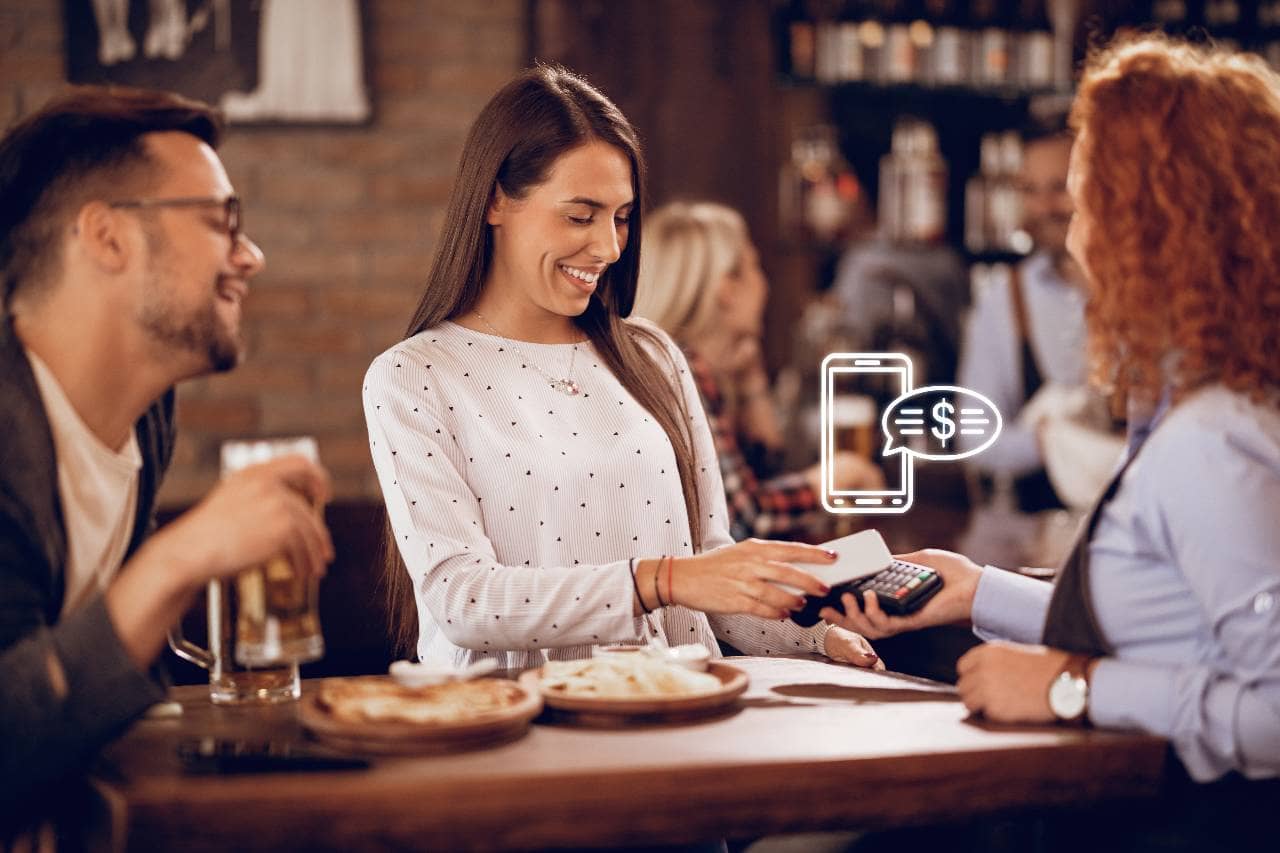
Restaurants can also grow their email marketing lists by connecting email signup opportunities with channels customers already use, especially loyalty programs and social media. Way 8. Connect your loyalty program with email signup opportunities Loyalty programs are a natural place to collect email subscribers because customers are already showing interest in receiving rewards and returning to your restaurant. When customers enroll in your loyalty program, give them the option to also receive marketing emails. Depending on your system, this can happen through your restaurant app, website, online ordering platform, or POS. You can encourage participation by promoting benefits such as - - Points or rewards for purchases - Birthday offers - Member-only promotions - Early access to new menu items - Personalized offers based on ordering activity Keep loyalty enrollment and marketing consent clear so customers understand what they are signing up for. Way 9. Promote your email list through social media Your restaurant's Instagram, Facebook, TikTok, and other social channels can help turn followers into email subscribers. Add an email signup link to your social media profiles and periodically promote the benefits of subscribing. For example, you might create posts highlighting exclusive email offers, new menu announcements, event invitations, or subscriber-only promotions. Restaurants can also mention their email list in Stories, short-form videos, pinned posts, and links in bio. The advantage of moving social followers onto your email list is that email provides a more direct communication channel. Social media reach can fluctuate depending on platform algorithms, while an email list allows your restaurant to communicate directly with customers who have chosen to subscribe. Rather than treating loyalty programs, social media, and email marketing as separate channels, connect them. Each customer interaction can become another opportunity to build an audience your restaurant can reach repeatedly.
Restaurant events, catering inquiries, community activities, and referral programs can create additional opportunities to grow your email marketing list. These channels work especially well because they reach customers who are already interacting with your restaurant in a meaningful way. Way 10. Collect email signups during events and other customer interactions If your restaurant hosts trivia nights, tastings, live music, holiday events, or private parties, include an optional email signup during registration or check-in. Restaurants can also collect email subscribers through - - Catering inquiry forms - Private dining requests - Community events - Local partnerships - Giveaways and contests - Referral promotions - Special event registrations For example, a customer requesting catering information may also be interested in receiving future promotions or event updates. Add a clear, separate option that allows them to subscribe to marketing emails. Referral programs can help expand your reach as well. Existing subscribers can be encouraged to share your signup page with friends or family, especially when there is a clear incentive. A restaurant might offer loyalty points or another small reward when a referred customer joins the list and completes a qualifying purchase. However, avoid automatically adding email addresses collected through contests, reservations, catering inquiries, or event registrations to your marketing list without clear permission. Customers should understand when they are agreeing to receive promotional communications. Restaurants should also avoid purchasing email lists. Purchased contacts may have little or no relationship with your business, which can lead to low engagement, higher unsubscribe rates, and spam complaints. The strongest email lists are built from customers who actively choose to subscribe. By adding voluntary signup opportunities to events, referrals, and other customer touchpoints, restaurants can grow their audience while maintaining list quality.
Growing an email list is not just about collecting more addresses. Restaurant owners should also track where subscribers are coming from, how engaged they are, and which signup methods are producing the strongest results. Start by monitoring a few core metrics - 1. New subscribers - How many people join your list each week or month. 2. Signup conversion rate - The percentage of people who see a signup opportunity and actually subscribe. 3. Unsubscribe rate - How many people leave your list after receiving emails. 4. Subscriber source - Whether signups came from your website, online ordering, QR codes, loyalty program, social media, or another channel. 5. Email engagement - How often subscribers open emails, click links, place orders, or make reservations after receiving a campaign. Tracking subscriber sources is especially important. For example, your restaurant may discover that QR codes on receipts generate more signups than social media promotions, while loyalty program members may be more likely to engage with future emails. Use this information to focus your efforts on the channels that produce the most valuable subscribers rather than simply trying to increase total list size. Restaurants should also maintain list quality. Remove invalid or undeliverable addresses and monitor inactive subscribers. Continuing to send emails to people who never engage can make it harder to evaluate your true campaign performance. Finally, test different signup strategies over time. You can experiment with - - Signup form placement - Calls to action - Subscriber incentives - QR code locations - Website pop-up timing - Landing page copy Make one change at a time when possible so you can identify what improves results. Email list growth should be treated as an ongoing process. By consistently measuring performance, improving signup opportunities, and focusing on subscribers who genuinely want to hear from your restaurant, you can build a stronger audience that supports repeat visits, direct orders, and long-term customer relationships.
