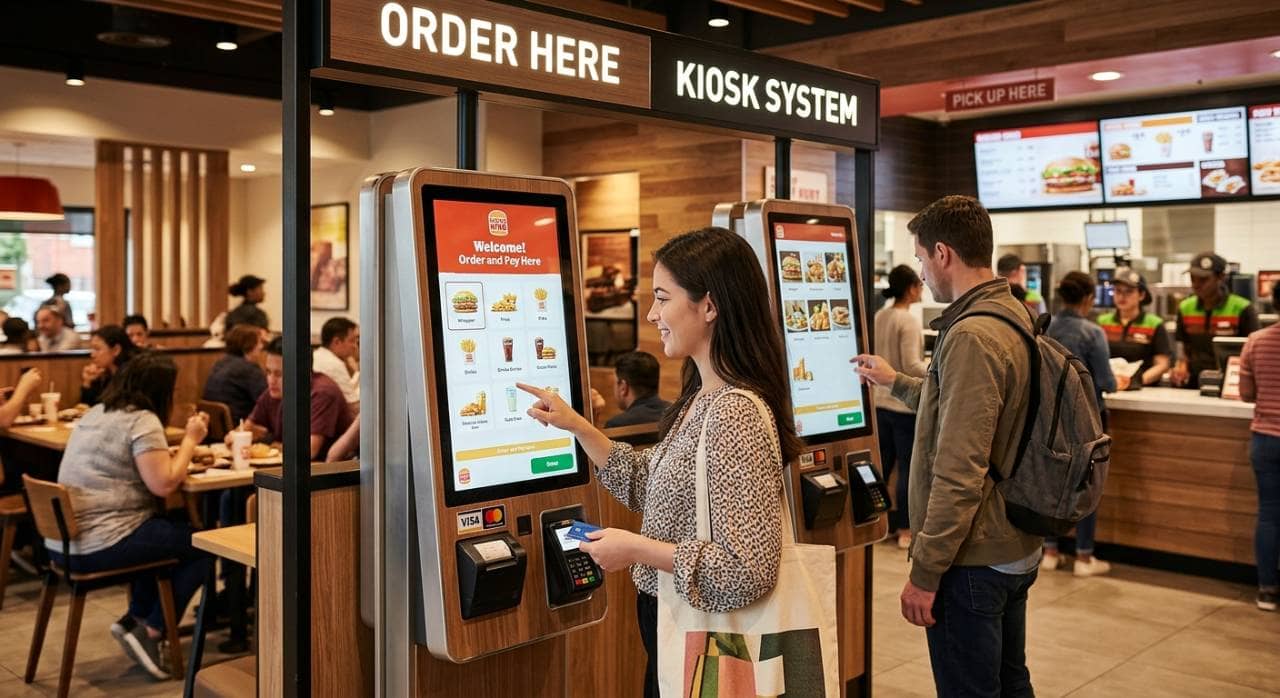
How to Select the Best Restaurant Kiosk System
Understand how to evaluate a Kiosk system using key criteria including features, POS integration, hardware, pricing, customer experience, and support.
Point Of Sale
Aug 31, 2026
Understand how to evaluate a Kiosk system using key criteria including features, POS integration, hardware, pricing, customer experience, and support.
Aug 31, 2026

Explore restaurant technology trends in 2026, including AI, automation, digital ordering, workforce tools, connected kitchens, personalization, and profitability strategies today.
Aug 28, 2026
Learn how to calculate restaurant cost of goods using inventory, purchases, COGS percentage, variance reviews, and regular tracking for profitability.
Aug 31, 2026
Learn the startup costs of opening an ice cream shop, including rent, equipment, renovations, permits, inventory, labor, marketing, and reserves.
Aug 28, 2026

A restaurant P&L statement reveals sales, expenses, and profits, helping owners manage costs, improve margins, and plan finances more effectively.
Aug 26, 2026
RaceTrac has appointed Jill Pemberton as chief financial officer, succeeding Karla Ahlert, who moves into the newly created role of chief administrative officer.
Aug 26, 2026
Learn practical ways to reduce labour costs through smarter scheduling, forecasting, productivity, cross-training, automation, overtime control, and performance monitoring strategies.
Aug 26, 2026
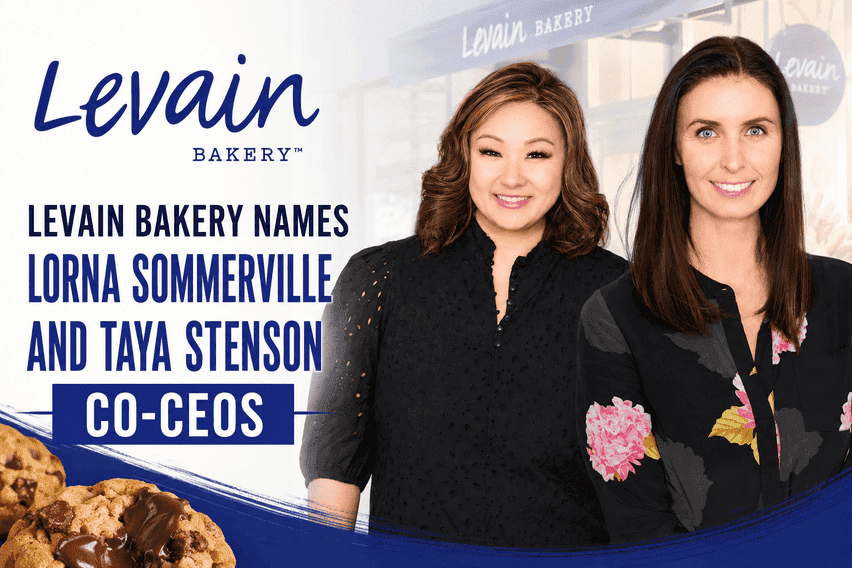
Levain Bakery appoints Lorna Sommerville and Taya Stenson as co-CEOs, blending operational and marketing expertise to power national expansion and innovation while staying rooted in its brand values.
Aug 25, 2026
A payroll advance policy helps restaurant owners define eligibility, limits, repayment, documentation, approval procedures, and compliance requirements for employee advances.
Aug 24, 2026

Create a practical restaurant marketing plan by setting goals, targeting customers, choosing channels, budgeting wisely, scheduling campaigns, and measuring results.
Aug 24, 2026

Unlock Exclusive Access To Webinars, Events, And The Latest News For Free!
The Melting Pot blends modernization with conversions to grow, inviting brighter guest experiences while honoring its fondue heritage.

Photo by Adam Ling
On a quiet morning, the idea of a café-like corner where stories unfold over melted chocolate can feel like a memory. Yet The Melting Pot, born in Tampa and now a 92-location fondue family, is letting more light in. The brand is reimagining its mood without losing its heartbeat: it is moving from intimate, dimly lit rooms toward brighter, more social spaces. The overhaul began in 2023 after four decades of the classic vibe, signaling a deliberate shift toward experiences designed for lingering conversations. By late 2024, roughly three-quarters of Melting Pot restaurants in markets such as Denver had received a facelift, with open dining rooms, brighter lighting, and contemporary seating. This is the opening act of a broader transformation: a gentler reintroduction that invites guests to slow down, listen, and share.
Across the chain, renovations go beyond paint: lighting, finishes, and branding are refreshed to favor social interaction. In recent renovations, guests are welcomed by open dining rooms, brighter lighting, and branding that feels less cloistered and more welcoming. The modernization sits alongside a more ambitious plan to add new sites while converting existing ones. The Golden Anniversary incentives signal that the brand is not only polishing its look but actively encouraging growth, first-mixer programs that prioritize rapid investment and momentum for franchise partners. The dual strategy is a clear signal that a timeless fondue concept can still feel new in a crowded market.
If guests notice a brighter mood, will they still sense the original warmth? The answer lies in hospitality as much as architecture. The changes are designed to invite conversation, not to replace it. The next pages of this story will explore how conversions and real estate play into a scalable future for the brand.
The heart of The Melting Pot’s growth plan is conversions: inviting operators of underperforming polished-casual or casual-dining concepts to join the brand, preserving their real estate while adopting a tested format. The 2024 conversion incentives offer assistance for lost revenue during buildout and include a signage package and a marketing fund upon completion. The initial investment for a new restaurant build is estimated at $1,364,389 to $2,069,638, a figure that helps explain why converting can offer a lower-capex path than starting from scratch. The brand also notes that Melting Pot kitchens do not require traditional layouts, since most food is prepped in the back and finished tableside by diners.
CEO Bob Johnston frames the strategy as unlocking available real estate and offering an appealing alternative for operators facing today’s economy. He notes that good real estate is becoming available as earlier concepts run their course. The approach emphasizes financial upside: converting a space can be a smoother transition than launching a new concept, and operators may recapture value by selling kitchen equipment. He adds that a time-tested brand provides a lower-risk option in a cautious climate.
Looking ahead, conversions are positioned as a primary engine toward the nine-franchise target set for 2024, with momentum already visible by mid-year. The brand has grown to roughly 92 locations and continues to pursue expansion through a mix of new and converted sites, signaling steady momentum even amid uneven economic tides.

Real estate strategy is guided by where guests seek social engagement: dense, upper-income suburban markets where an experiential concept, featuring a three-course fondue meal or fondue happy hour, resonates with locals looking for entertainment and connection. Conversions offer a practical way to repurpose underperforming assets while preserving the brand’s identity, rather than uprooting existing venues.
This focus helps explain why conversions are being prioritized in markets that blend dining with local life. The approach aligns with a broader aim to connect with guests in places that value shared experiences and a sense of community.
Ultimately, the real estate lens informs every decision: maintain the brand identity while giving operators a chance to reimagine a space without sacrificing the soul of fondue.
Design and experience are expanding beyond cosmetic changes. Across recent renovations, the restaurants feature open dining rooms, updated lighting and finishes, and refreshed branding elements that light up the space with a brighter, more sociable energy. Notable refreshed spots in Gaithersburg, Maryland and St. Petersburg, Florida illustrate how a brand can feel both timeless and timely, quietly insisting that dining here is an act of community, not just a meal.
Beyond aesthetics, the layout keeps a practical edge: most work happens in the back, with kitchens that don’t demand traditional rows, and tabletop moments that feel collaborative rather than ceremonial. Guests discover a gentler rhythm that invites conversation, whether it’s a birthday toast or a first date becoming a longer conversation over chocolate and cheese.
The result is a more welcoming, soothing space where hospitality remains the core; the lighting, seating, and finishes become a frame for memory-making, not a distraction from it.

Looking forward, The Melting Pot is pursuing an asset-light growth path: modernization continues, and a steady flow of inquiries from prospective converts keeps the engine warm. Anniversary incentives, ongoing improvements, and a steady pipeline of conversations with operators signal ongoing momentum, even as the economy presents its challenges. The ultimate test will be sustaining guest demand for experiential dining and ensuring conversions can be executed smoothly at scale.
Leadership has signaled continued franchise expansion and refreshed leadership arrangements for 2025 to sustain momentum, underscoring the brand’s resolve to blend proven concept with fresh energy while staying true to its legacy of hospitality.
As the story moves forward, guests and franchisees alike can look for a kinder, more social dining journey, one that honors the comfort of fondue while inviting new conversations to begin around a warmly lit table.