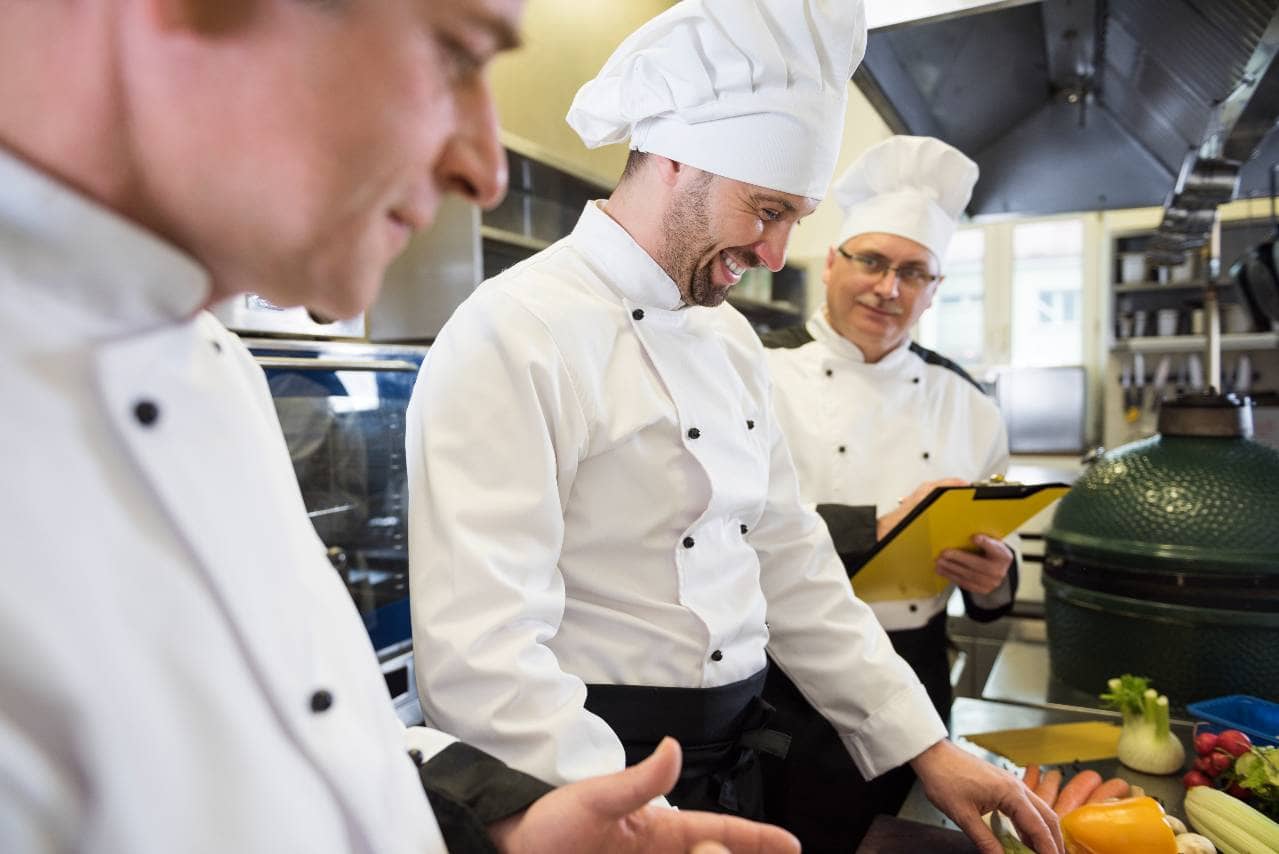
The Ultimate Guide to Restaurant Labor Management
Restaurant labor management helps owners optimize staffing, control labor costs, improve productivity, monitor overtime, and maintain efficient restaurant operations.
Back Office
Sep 2, 2026
Restaurant labor management helps owners optimize staffing, control labor costs, improve productivity, monitor overtime, and maintain efficient restaurant operations.
Sep 2, 2026
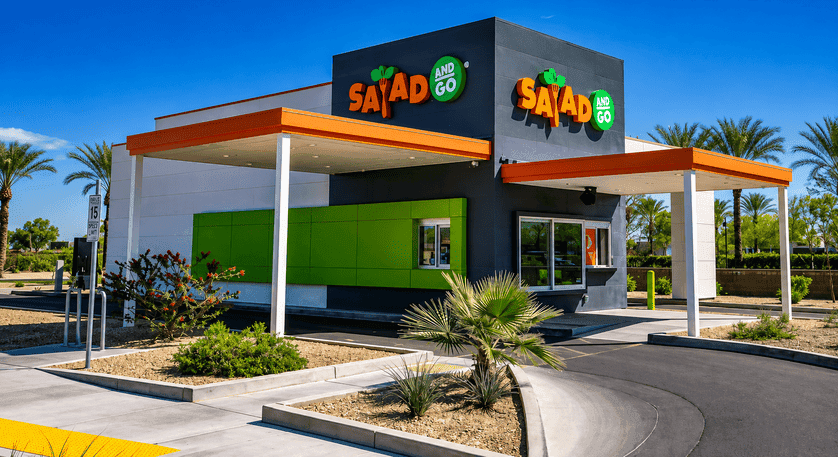
7 Brew has acquired 73 former Salad and Go locations, surpassing Dutch Bros with a $143M bid, signaling a major shift in the competitive landscape for drive-thru brands.
Sep 2, 2026
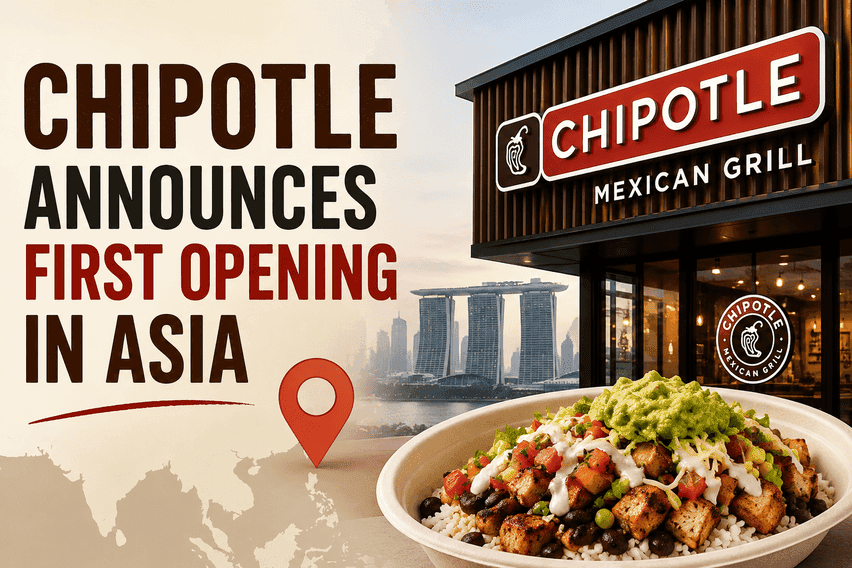
Chipotle makes its highly anticipated entry into Asia with a Seoul opening, partnering with Sangmidang Holdings and setting a template for future international growth.
Sep 2, 2026
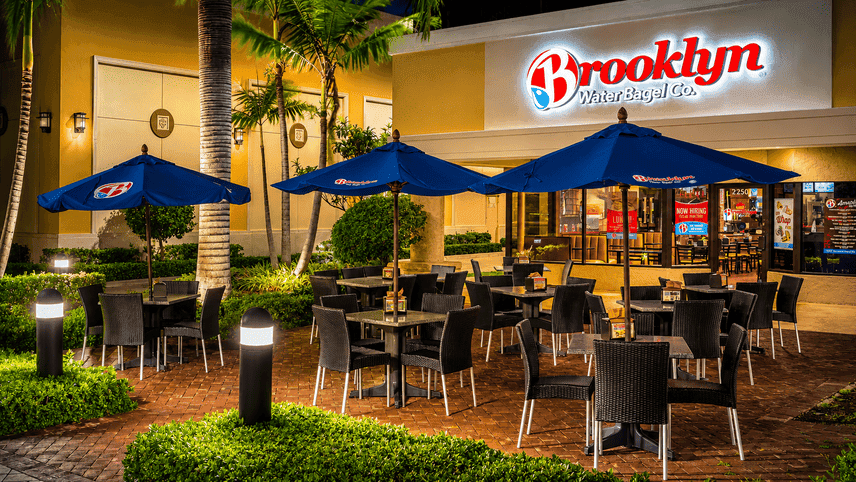
Brooklyn Water Bagel launches its first campus eatery at Nova Southeastern, signaling strategic growth and fresh potential for multi-unit operators seeking new market wins.
Sep 2, 2026
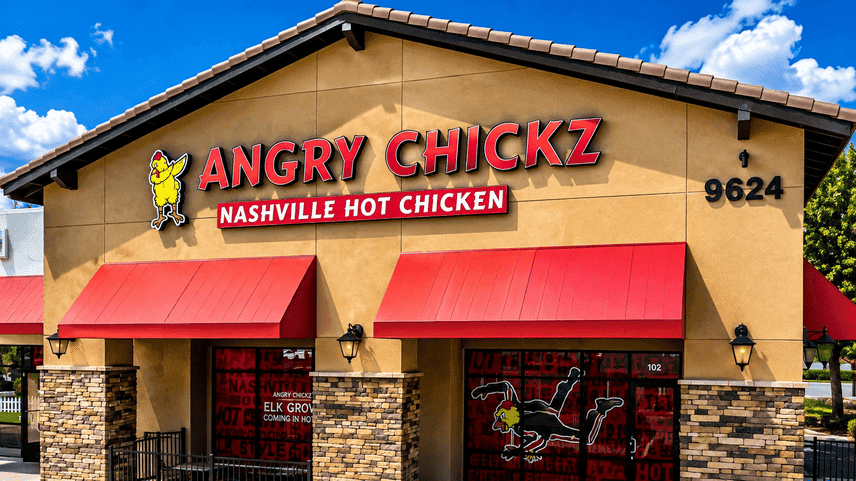
Angry Chickz enters Illinois with its signature hot chicken concept and ambitious plans for Midwest expansion, setting the stage for new franchise opportunities and community engagement.
Sep 2, 2026
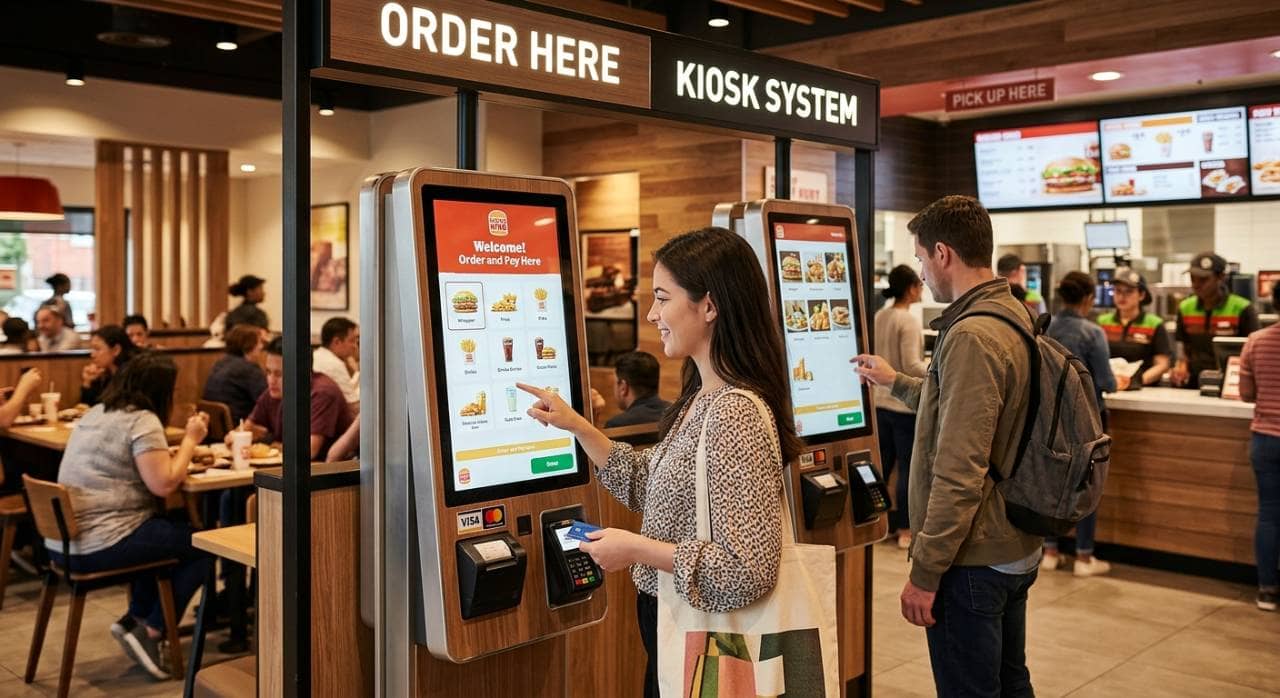
Understand how to evaluate a Kiosk system using key criteria including features, POS integration, hardware, pricing, customer experience, and support.
Aug 31, 2026

Explore restaurant technology trends in 2026, including AI, automation, digital ordering, workforce tools, connected kitchens, personalization, and profitability strategies today.
Aug 28, 2026
Learn how to calculate restaurant cost of goods using inventory, purchases, COGS percentage, variance reviews, and regular tracking for profitability.
Aug 31, 2026
Learn the startup costs of opening an ice cream shop, including rent, equipment, renovations, permits, inventory, labor, marketing, and reserves.
Aug 28, 2026

A restaurant P&L statement reveals sales, expenses, and profits, helping owners manage costs, improve margins, and plan finances more effectively.
Aug 26, 2026

Unlock Exclusive Access To Webinars, Events, And The Latest News For Free!
Explore how publicly traded restaurant chains implement strategies to enhance same-store sales in a competitive market. Learn about the performance and challenges faced by leading QSR, fast casual, casual dining, and pizza chains.

Photo by Klara Kulikova
In a time of high consumer price sensitivity, major restaurant chains have been implementing a wide range of strategies to stimulate same-store sales growth. From focusing on value propositions to introducing innovative menu items, each chain is strategizing to attract and retain customers amidst a challenging market landscape. Fast casual chains have particularly stood out by leveraging demand to drive substantial traffic and sales increases. Alternatively, casual dining brands have faced obstacles in sustaining sales momentum as consumer preferences evolve, leading to a sales slump for some chains.
Examining the past eight quarters, the performance of 21 major restaurant brands in various categories like QSR, fast casual, casual dining, and pizza chains has been a mix of successes and setbacks. While some chains like Chili’s have experienced remarkable same-store sales surges, others have encountered challenges, exemplifying the dynamic nature of the industry. Notably, fast casual chains continue to outperform the overall restaurant industry in terms of comparable sales and unit growth, showcasing their resilience and adaptability.
Within the competitive landscape, leading brands like McDonald’s, Yum Brands, and RBI's U.S. brands have navigated divergent sales trajectories. While some, like Taco Bell, have sustained growth through aggressive value strategies and premium offerings, others, such as KFC, have struggled with stagnant or negative same-store sales. The emphasis on value propositions and menu innovation has become pivotal for maintaining and enhancing sales figures, as seen in the strategies of Wendy’s and Starbucks.
To stay ahead in a rapidly evolving market, major pizza chains like Domino’s and Pizza Hut have embraced innovations such as third-party delivery partnerships, menu overhauls, and experiential store concepts. Additionally, brands like Papa Johns are leveraging core menu items to strengthen market presence and expand into adjacent territories. The fast casual sector, represented by brands like Wingstop and Chipotle, continues to drive growth through popular limited-time offerings and in-store enhancements.