
Pei Wei Wins Best Fast-Casual Chain Award
Pei Wei Asian Kitchen named Best Fast-Casual Chain in Reviewed 2026 Awards, reflecting shift from price competition to quality and transparency.
News
Sep 11, 2026
Pei Wei Asian Kitchen named Best Fast-Casual Chain in Reviewed 2026 Awards, reflecting shift from price competition to quality and transparency.
Sep 11, 2026

O'Charley's shuttered all corporate restaurants nationwide on September 9, 2026, ending its 55-year legacy as a casual-dining regional powerhouse.
Sep 11, 2026
Authentic Restaurant Brands lands $325M investment from Trimontium to fuel disciplined regional expansion across five established restaurant concepts.
Sep 11, 2026

Walmart expands restaurant delivery beyond Subway and Dunkin', taking on DoorDash, Uber Eats, and Grubhub with Papa Johns nationwide rollout.
Sep 11, 2026

Complete NFL season restaurant checklist covering licensing, AV setup, menu prep, inventory, staffing, and marketing before kickoff arrives.
Sep 11, 2026

California shifts to public enforcement strategy against Dickey's for deceptive franchise disclosures, signaling stricter state-level franchise oversight.
Sep 10, 2026
Paul Brown temporarily steps away from Inspire Brands as Scott Murphy assumes interim CEO role during confidential IPO filing process targeting late 2026.
Sep 10, 2026
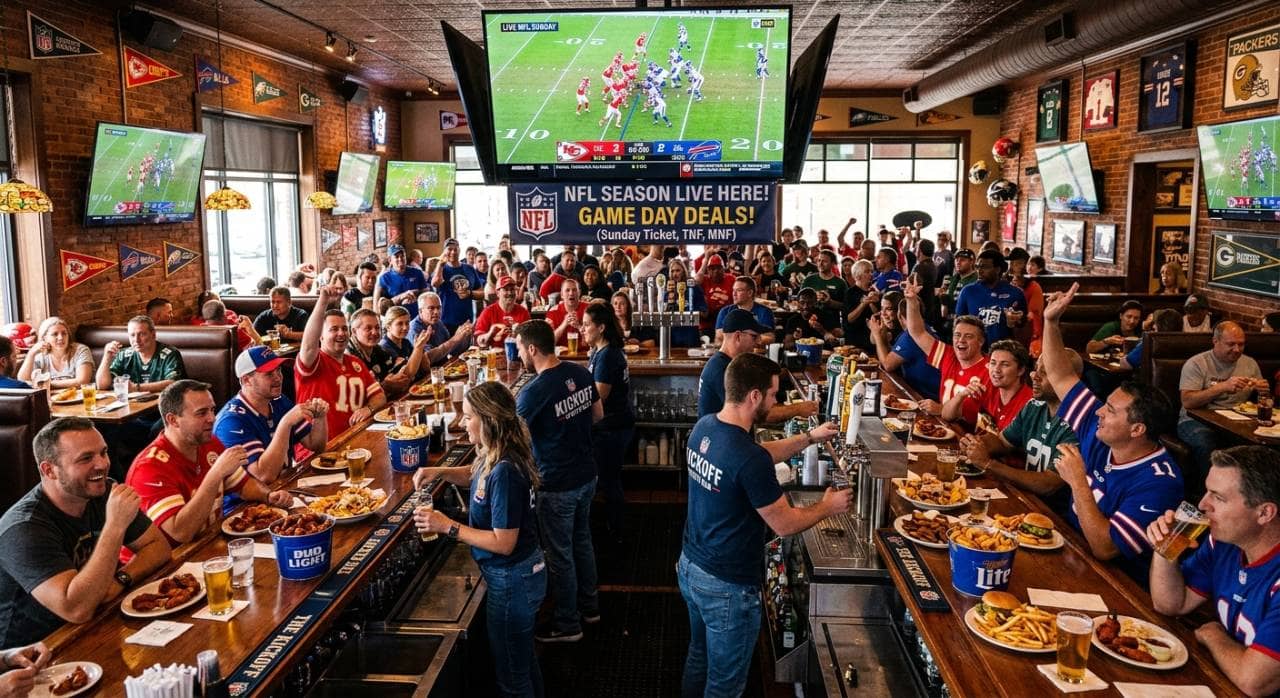
Prepare your restaurant for NFL season with smart menu planning, staffing, marketing, technology, and atmosphere strategies that boost season-long revenue.
Sep 9, 2026
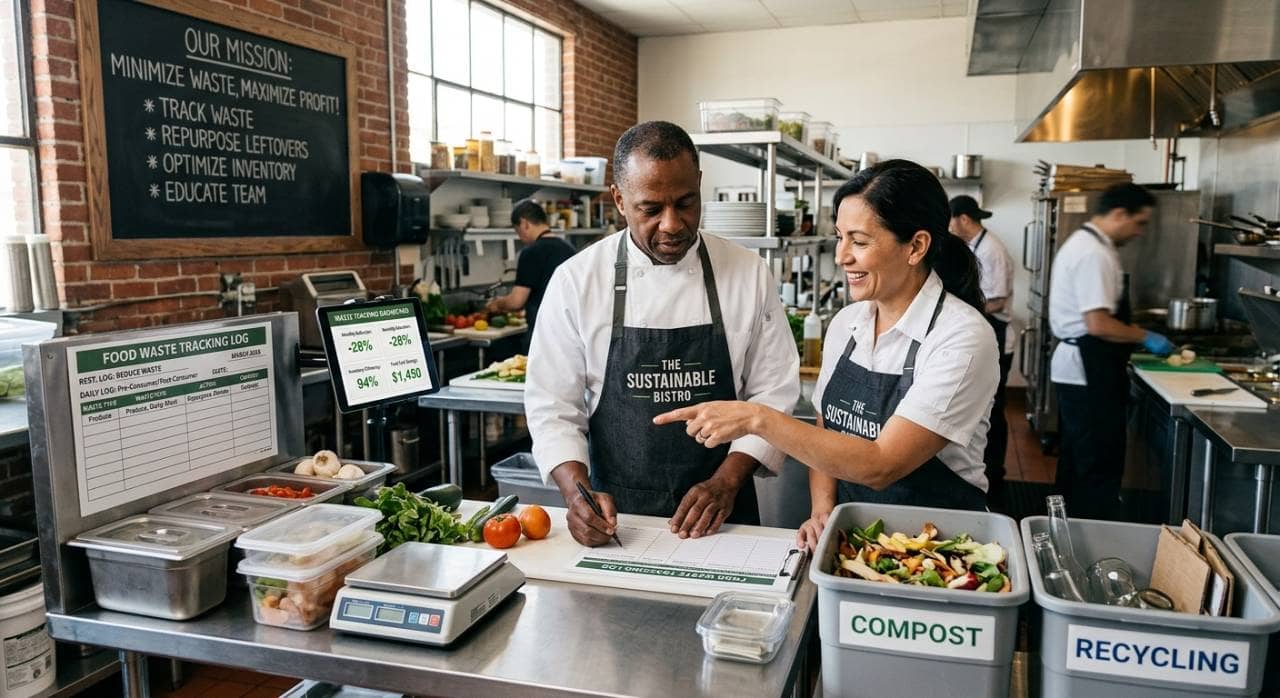
Learn how to reduce food waste in restaurants through smarter purchasing, storage, preparation, and service strategies that cut costs.
Sep 9, 2026
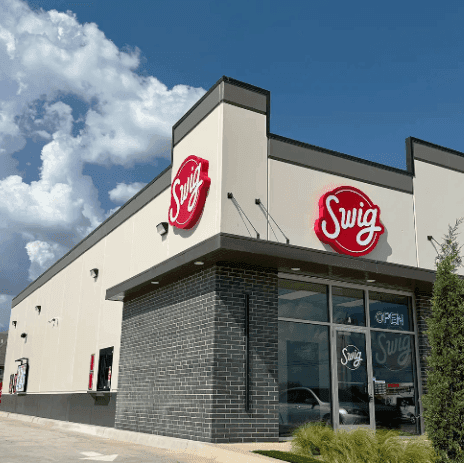
Swig signs franchise agreement for 11 South Denver locations, marking Colorado entry and validating its national expansion strategy.
Sep 8, 2026

Unlock Exclusive Access To Webinars, Events, And The Latest News For Free!
DoorDash is changing how it calculates delivery and service fees, with longer-distance orders likely to cost more and shorter, larger orders set to stay the same or decrease.
DoorDash is reshaping the way it charges consumers for delivery, introducing a new fee structure that more closely ties costs to the logistics of each individual order. The company says the change is designed to "better reflect what it takes to complete your delivery," factoring in variables such as distance travelled and the effort required from the courier. The update represents one of the most significant adjustments to DoorDash's pricing model in recent years and arrives at a time of rising operational costs and growing regulatory scrutiny across the delivery sector. The rollout is currently under way across most of the United States, though several major markets have been excluded from the initial phase and will transition to the new model at a later date.
Under the revised model, every DoorDash order will continue to carry two separate charges- a delivery fee and a service fee- but the way each is calculated has changed meaningfully. The delivery fee will now be a fixed charge that varies by merchant rather than fluctuating with each order. The service fee, by contrast, will become variable, adjusting based on factors including the distance of the delivery and the size of the order. For orders that cover particularly long distances- generally those exceeding ten miles- an additional long-distance fee may also be applied. This tiered approach is intended to more accurately price orders that place greater demands on Dashers in terms of time and travel.
DoorDash has been clear that the update is not a universal price rise. A company spokesperson confirmed that while longer-distance orders are likely to see higher fees under the new model, "the shorter the distance and/or the larger the order, the more likely fees stay the same or decrease." According to DoorDash, more than 70% of recent orders would have had the same or lower fees had the new structure already been in place. For the majority of customers ordering from nearby restaurants or placing larger group orders, the practical impact on their bill is expected to be minimal or even favourable. The recalibration is better understood as a redistribution of fees- one that shifts a greater share of the cost burden onto orders that are more expensive for the platform to fulfil, while reducing or holding steady the charges on those that are not.
Alongside the structural changes, DoorDash is introducing a series of measures aimed at making its fees more legible to consumers before they reach checkout. These include in-app explainers detailing how fees are calculated, a "Farther Away" label displayed on restaurant listings where higher service fees may apply due to distance, and a real-time fee tally that updates as customers add items to their cart. The full fee breakdown will also be visible again at the checkout stage. The transparency push comes in direct response to broader industry criticism- and mounting regulatory pressure- over the practice of obscuring fees until the final stage of the ordering process. By surfacing costs earlier and more clearly, DoorDash is attempting to give customers the information they need to make informed decisions before committing to an order.
The new fee structure will have no impact on how couriers- referred to by DoorDash as Dashers- are compensated. Dasher pay continues to be calculated on the basis of time and effort, with longer-distance deliveries typically attracting a higher rate. The decoupling of consumer-facing fees from Dasher compensation means that the restructuring is an internal pricing exercise rather than a move that directly affects earnings on the courier side of the platform.
While the new fee model is rolling out across most of the United States, a number of major markets will not be included in the first phase. California, Chicago, Colorado, the District of Columbia, Massachusetts, Minnesota, New York City, Puerto Rico, and Seattle are all temporarily excluded due to differing fee structures already in place in those regions. DoorDash has indicated it intends to bring these markets under the new model in the future, though no specific timeline has been confirmed.
The fee restructuring arrives against a backdrop of increasing operational expenditure for DoorDash. Over the past four quarters, the company's total operating expenses have risen by an average of 7.5%, placing pressure on margins even as demand for delivery has remained strong. The new model appears partly designed to ensure that the costs associated with more logistically complex orders are more accurately recovered through consumer fees rather than absorbed by the platform. DoorDash is not alone in revisiting its pricing approach. Uber Eats recently raised the fees it charges certain restaurants to use its platform, while Grubhub has moved in the opposite direction, waiving consumer fees on orders of $50 or more as part of a pivot towards affordability. The diverging strategies across the three major delivery platforms reflect the broader tension between sustaining revenue growth and retaining a consumer base that has become increasingly fee-sensitive.
The timing of DoorDash's transparency measures is also notable given the regulatory environment currently facing delivery platforms. The Federal Trade Commission has been actively scrutinising third-party delivery apps over their fee practices, with particular attention paid to charges that are not disclosed until the checkout stage- so-called hidden fees. DoorDash's decision to surface costs earlier in the ordering journey is likely to be viewed favourably in that context, signalling a degree of proactive compliance even as formal regulatory action remains ongoing. A secret shopper study conducted by Intouch Insight in the previous year found that average delivery and service fees across DoorDash, Uber Eats, and Grubhub had all fallen compared to the year prior. In that study of more than 300 consumers, DoorDash recorded the largest fee decrease at $1.82 per order. The new structure tests how much further the platform can move toward cost reflectivity without eroding the goodwill those reductions helped generate.
