How to Organize a Restaurant Chart of Accounts
A restaurant chart of accounts separates sales, costs, and labor, uses logical numbering, and stays maintained, producing clearer financial reports.
Accounting
Sep 23, 2026
A restaurant chart of accounts separates sales, costs, and labor, uses logical numbering, and stays maintained, producing clearer financial reports.
Sep 23, 2026
This restaurant inventory count checklist helps owners track food, beverages, packaging, and supplies, cutting waste, controlling costs, improving purchasing decisions.
Sep 23, 2026
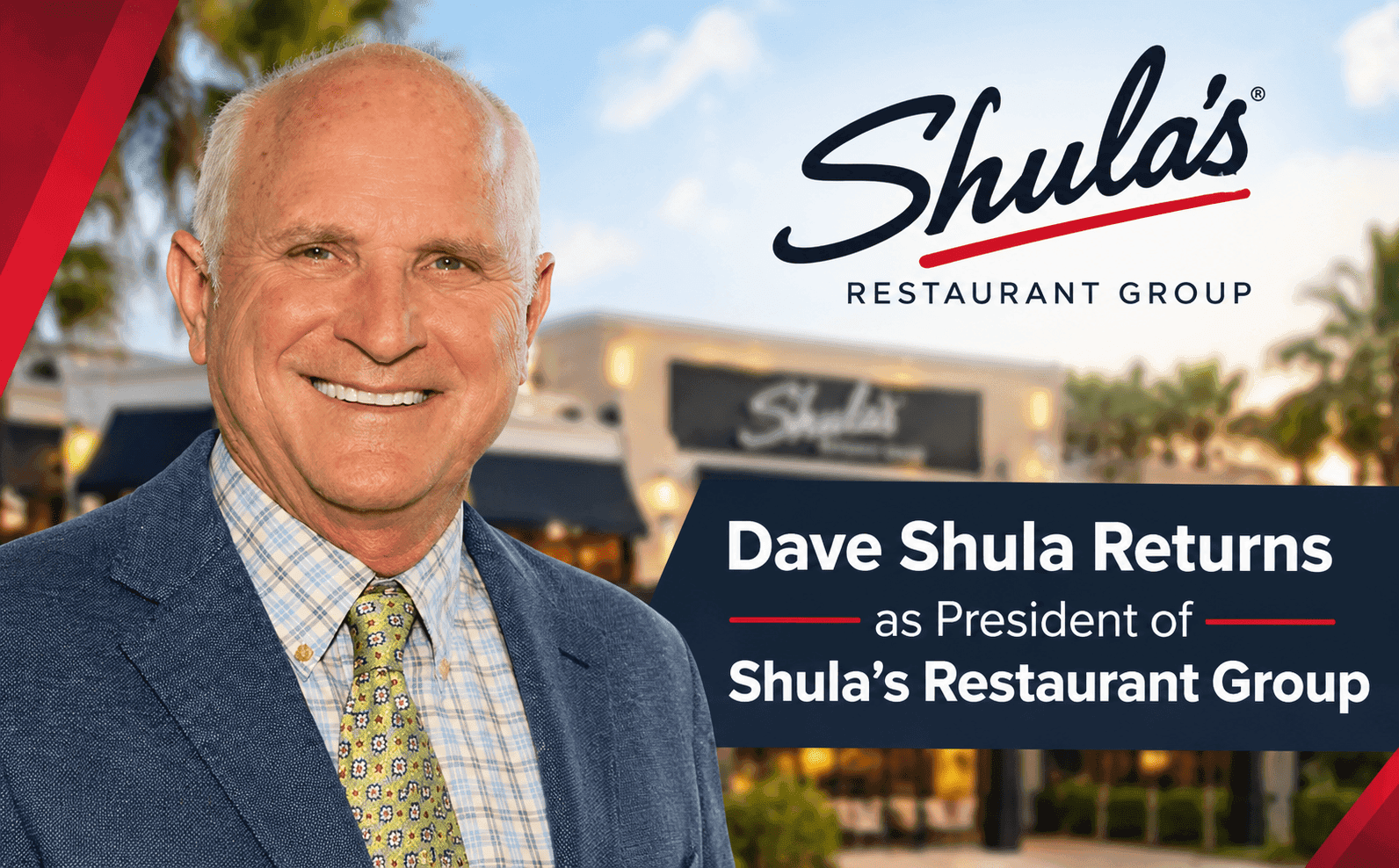
Dave Shula rejoins Shula's Restaurant Group as president, leading growth into Palm Beach Gardens and a 2027 Thomasville, Georgia expansion.
Sep 23, 2026
McDonald's commits $8.5 billion through 2036 to modernize restaurants, boost cash flow by $100,000 per store, and grow chicken and beverage sales.
Sep 23, 2026
WKS Restaurant Group promotes Jay Spongberg to president and COO after he helped grow the company from 65 to 382 restaurants over 16 years.
Sep 23, 2026

Smokey Mo's BBQ names Von Dawson, a Dine Brands veteran, as VP of Franchise Development to lead its Texas expansion strategy.
Sep 23, 2026
.png&w=3840&q=70)
Meritage Hospitality's Chapter 11 filing pulls 5% of Wendy's U.S. stores into bankruptcy, exposing cracks in franchising's bigger-is-safer bet.
Sep 21, 2026
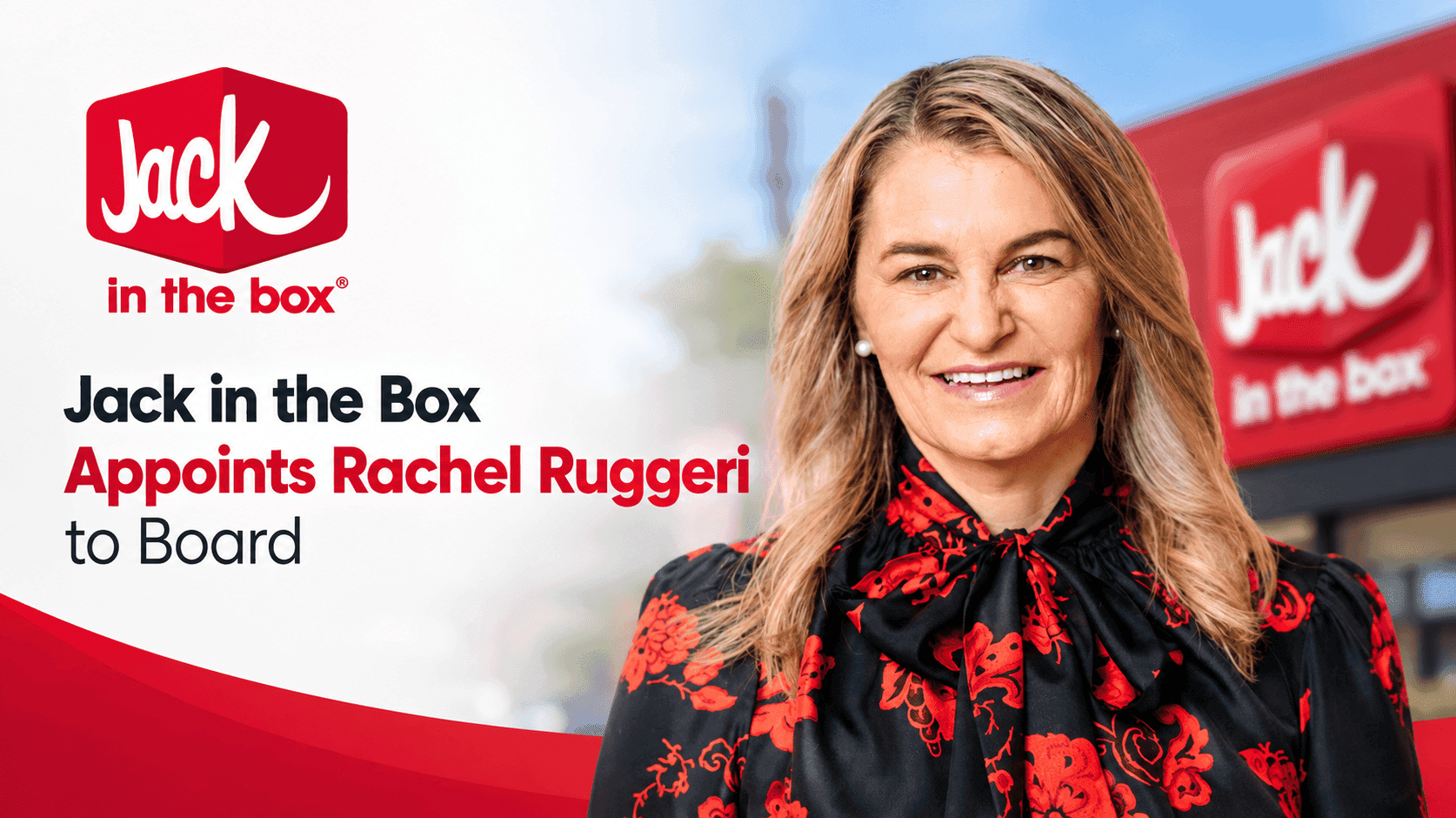
Jack in the Box names Rachel Ruggeri to its board as Michael Murphy retires, amid a CEO transition and deal with investor GreenWood.
Sep 21, 2026

Restaurant inventory tracking helps owners monitor stock, control food costs, reduce waste, improve purchasing, and make informed operational decisions.
Sep 21, 2026
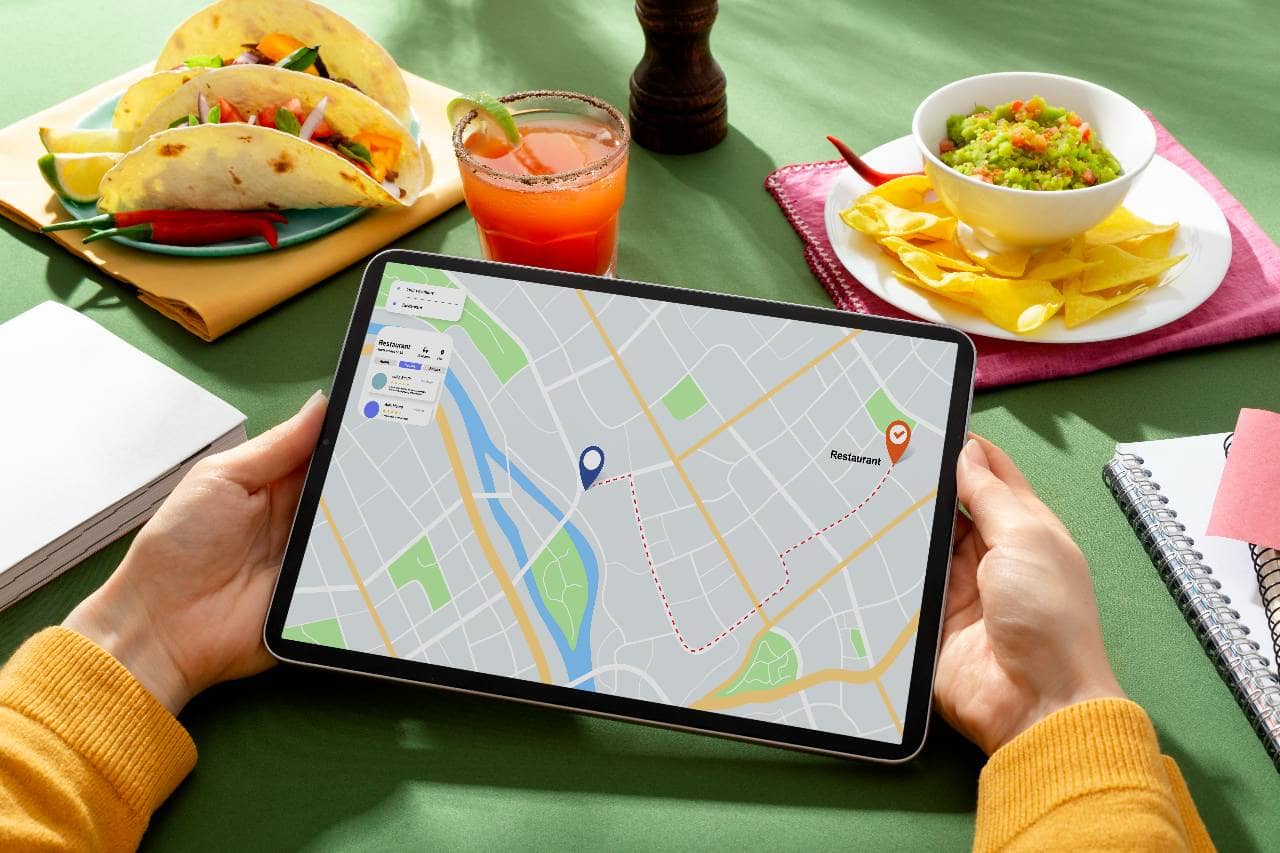
Improve restaurant Google Maps rankings by optimizing your business profile, selecting accurate categories, gathering reviews, adding photos, and strengthening local relevance signals.
Sep 21, 2026

Unlock Exclusive Access To Webinars, Events, And The Latest News For Free!
Discover how restaurant chains like Walk-On’s, Perkins, Maggiano’s, and Red Lobster have revamped their menus to boost sales and cater to their target audience.
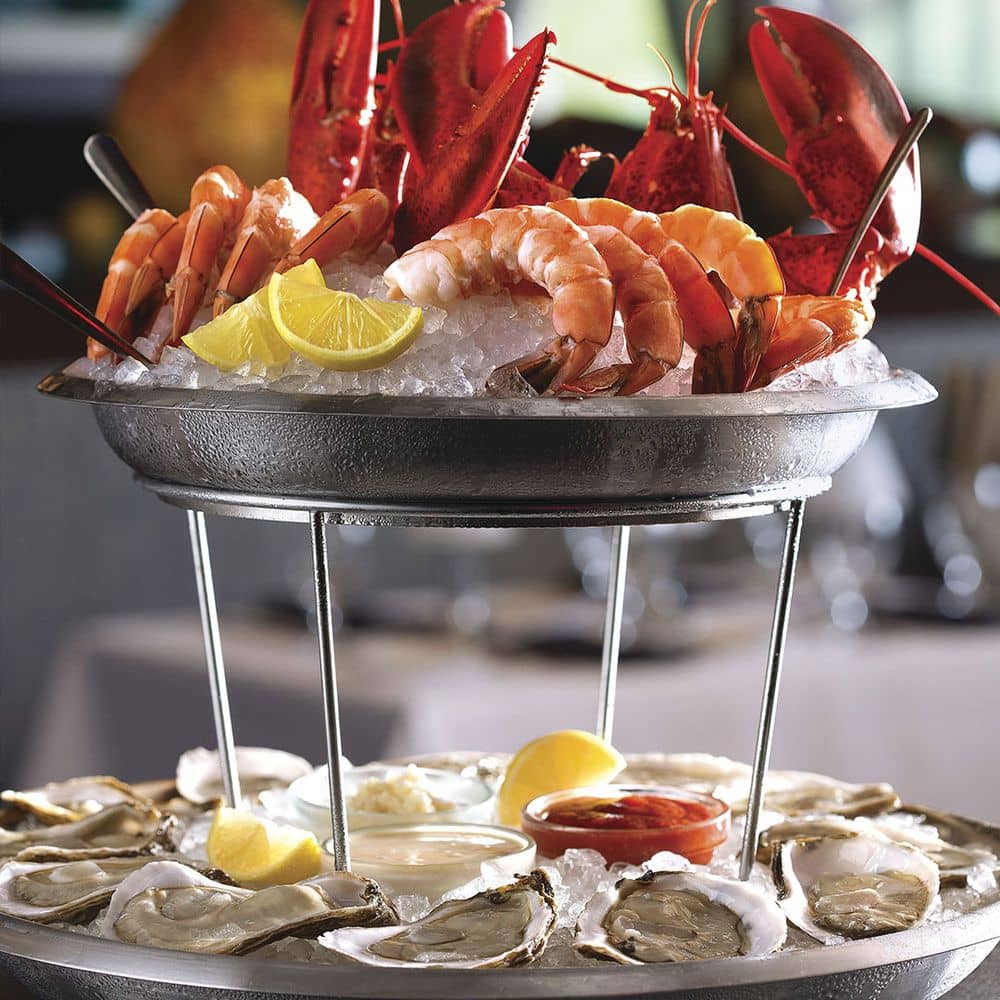
Menu development is a critical aspect of the restaurant industry that goes beyond just listing food and beverage items. It involves strategizing, analyzing market trends, understanding consumer preferences, and aligning offerings with the brand's identity and target audience.
Restaurant chains like Walk-On’s, Perkins, Maggiano’s, and Red Lobster have all recognized the importance of staying relevant and competitive in the market by regularly updating their menus. By introducing new dishes, reimagining classic favorites, and incorporating customer feedback, these chains aim to boost guest traffic, increase sales, and enhance customer satisfaction.
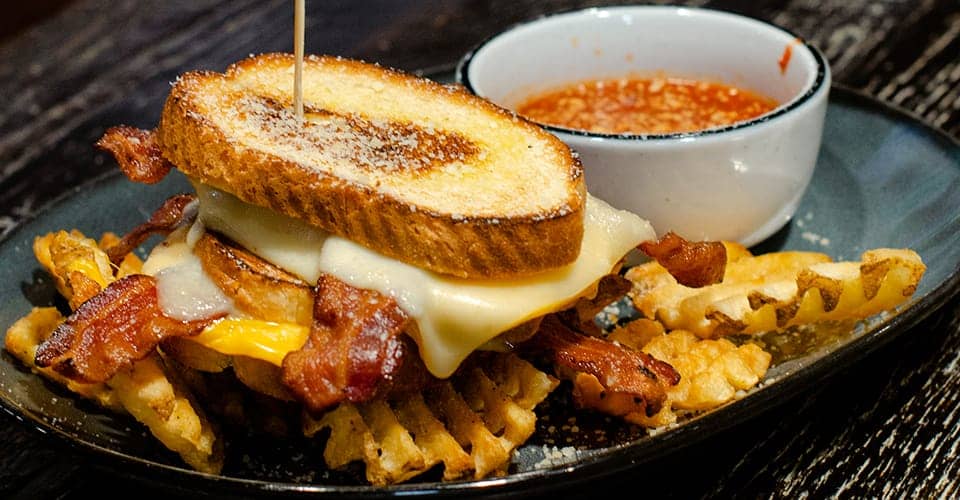
Understanding the target audience is key to menu development success. Walk-On’s, for example, identified two primary customer segments: sports enthusiasts and family decision-makers. By aligning its menu offerings with the preferences of these groups, the chain can create a tailored dining experience that resonates with its core customers.
Menu changes should not be arbitrary but rather informed by data and research. Conducting brand studies, analyzing consumer feedback, and utilizing tools like heat maps can provide valuable insights into what items to add, remove, or reengineer on the menu. This data-driven approach ensures that menu changes are purposeful and aligned with customer expectations.
In addition to the items themselves, the way a menu is organized and presented can significantly impact customer choices. Renaming categories to better reflect the offerings, highlighting signature items, and creating visually appealing menus can guide customers towards premium selections and enhance their overall dining experience.
Introducing new and unique menu items, such as specialty cocktails like the Spicy Mango Margarita and Praline Espresso Martini at Walk-On’s, not only showcases the brand's creativity but also caters to evolving consumer tastes. By offering innovative and Instagram-worthy dishes and drinks, restaurants can attract younger demographics and generate buzz on social media.
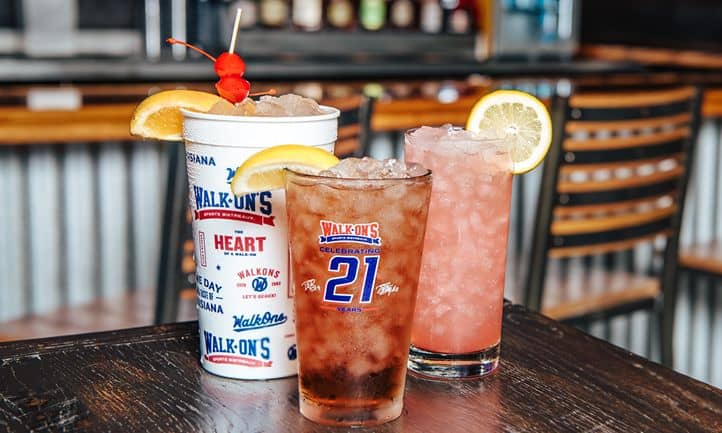
As highlighted by CEO Chris Porcelli of Walk-On’s, menu development is a meticulous process that requires dedication and innovation. Perfecting new items that embody the essence of the brand is essential for staying competitive and ensuring that customers have a memorable dining experience that keeps them coming back for more.