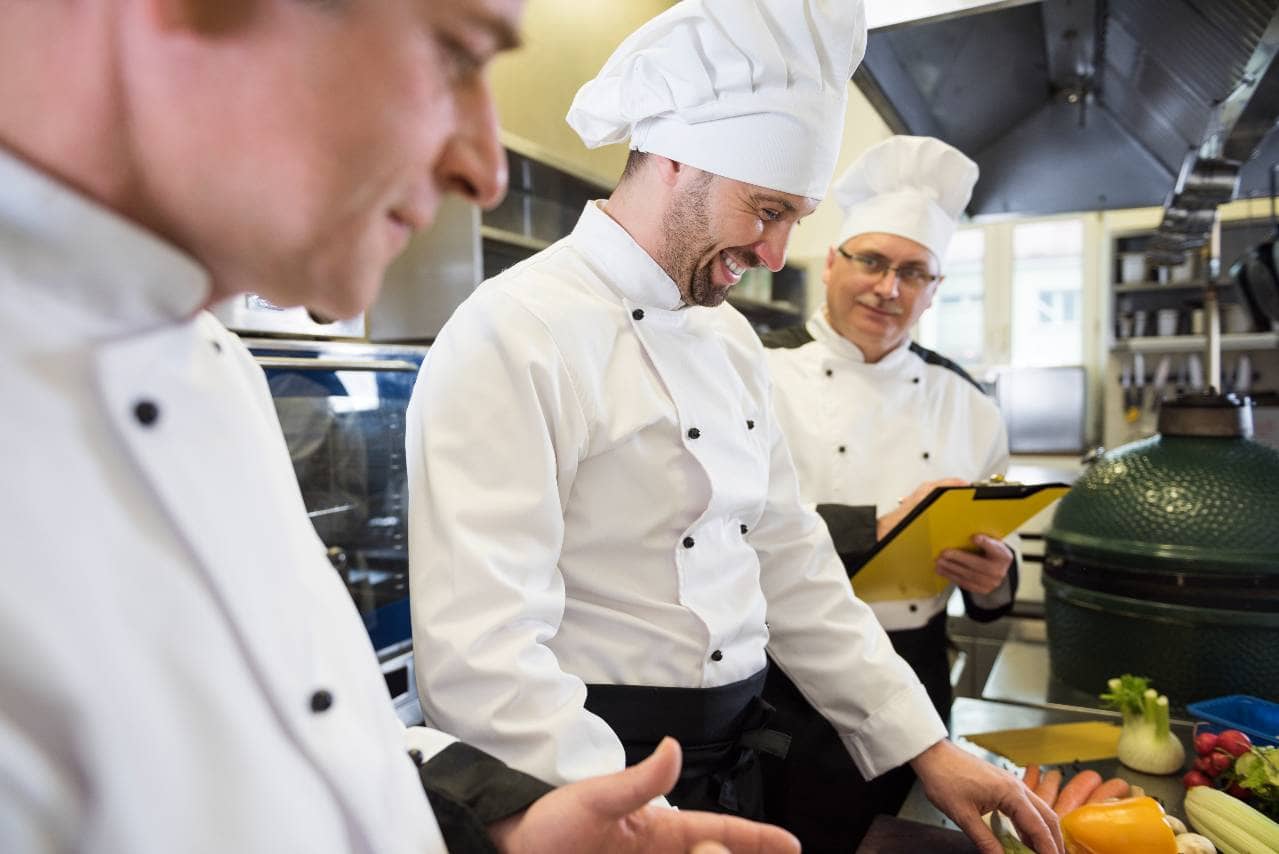
The Ultimate Guide to Restaurant Labor Management
Restaurant labor management helps owners optimize staffing, control labor costs, improve productivity, monitor overtime, and maintain efficient restaurant operations.
Back Office
Sep 2, 2026
Restaurant labor management helps owners optimize staffing, control labor costs, improve productivity, monitor overtime, and maintain efficient restaurant operations.
Sep 2, 2026
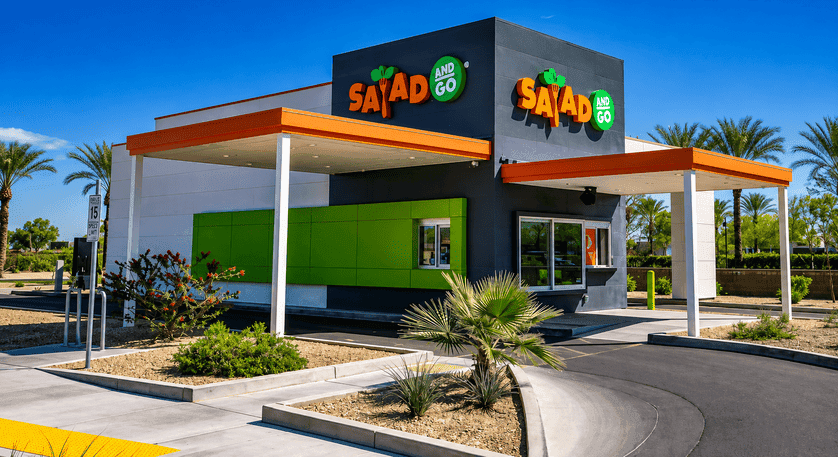
7 Brew has acquired 73 former Salad and Go locations, surpassing Dutch Bros with a $143M bid, signaling a major shift in the competitive landscape for drive-thru brands.
Sep 2, 2026
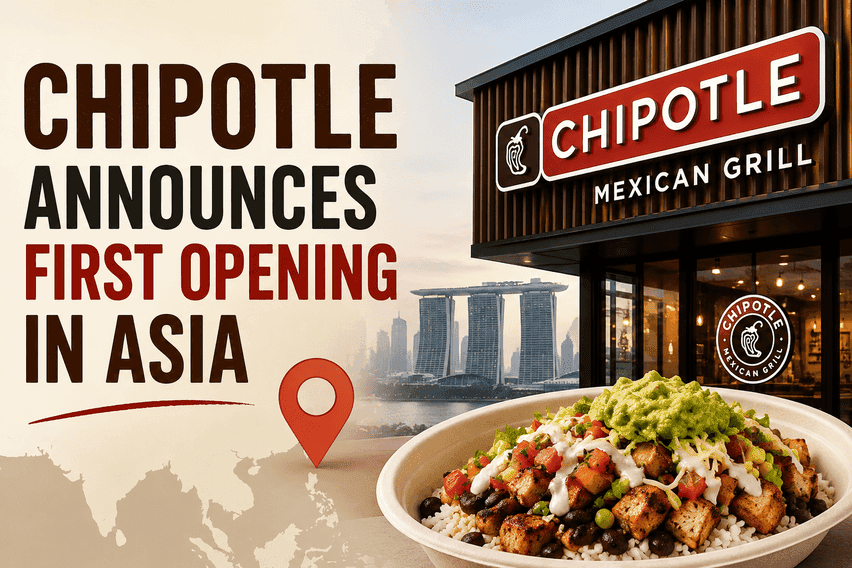
Chipotle makes its highly anticipated entry into Asia with a Seoul opening, partnering with Sangmidang Holdings and setting a template for future international growth.
Sep 2, 2026
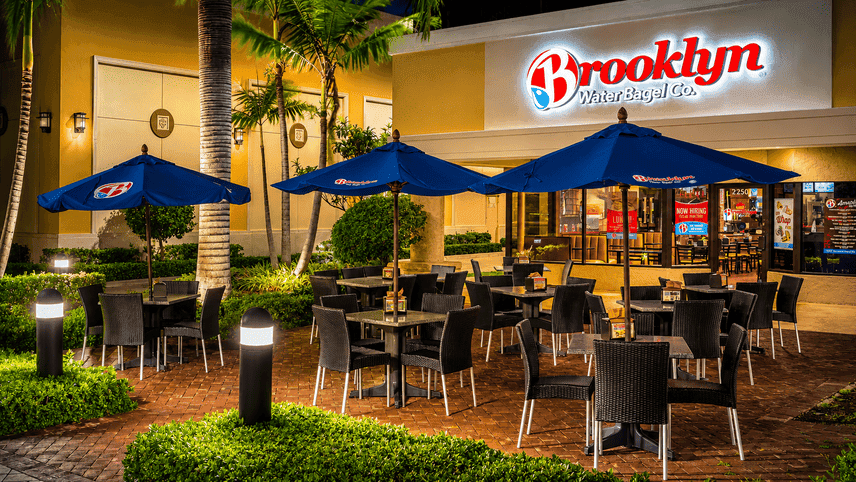
Brooklyn Water Bagel launches its first campus eatery at Nova Southeastern, signaling strategic growth and fresh potential for multi-unit operators seeking new market wins.
Sep 2, 2026
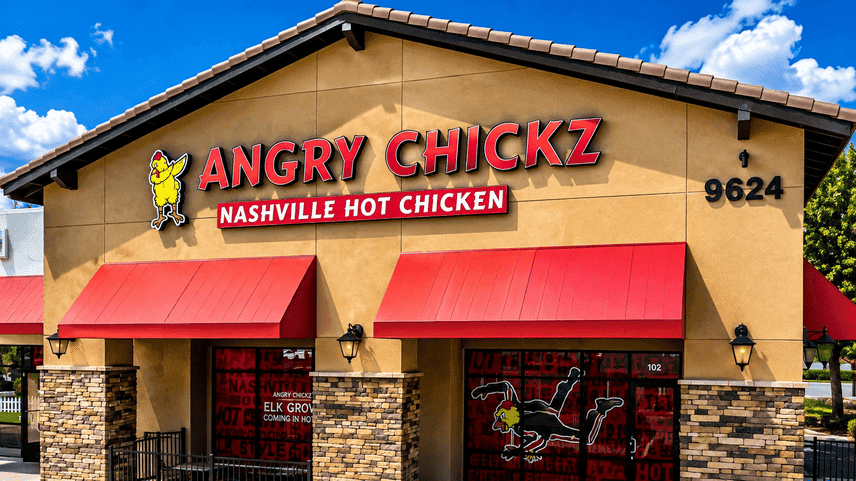
Angry Chickz enters Illinois with its signature hot chicken concept and ambitious plans for Midwest expansion, setting the stage for new franchise opportunities and community engagement.
Sep 2, 2026
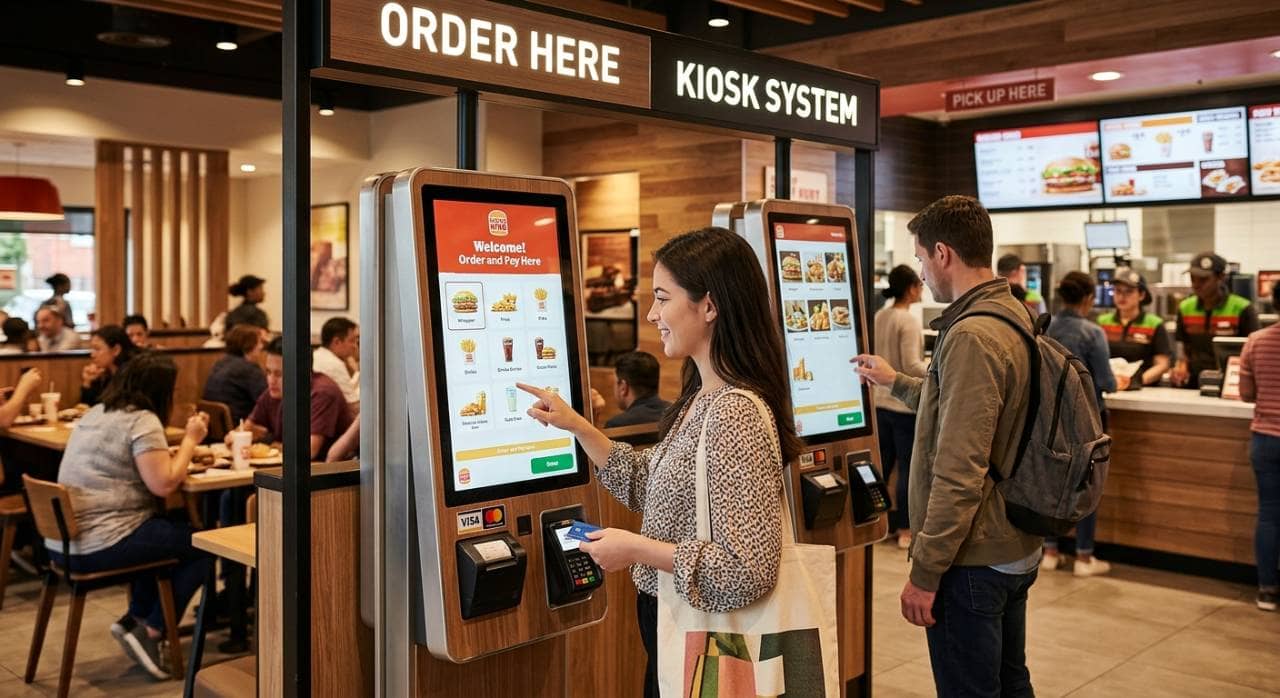
Understand how to evaluate a Kiosk system using key criteria including features, POS integration, hardware, pricing, customer experience, and support.
Aug 31, 2026
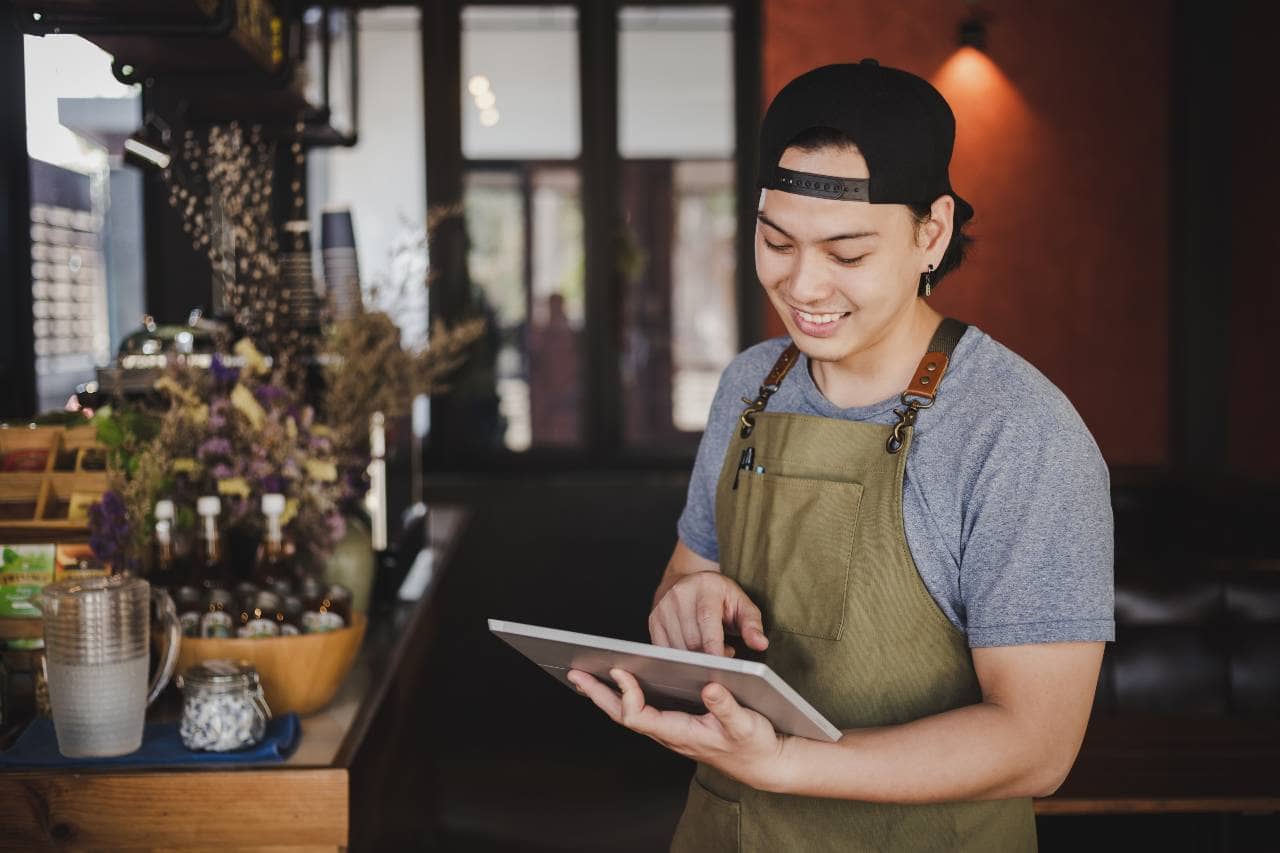
Explore restaurant technology trends in 2026, including AI, automation, digital ordering, workforce tools, connected kitchens, personalization, and profitability strategies today.
Aug 28, 2026
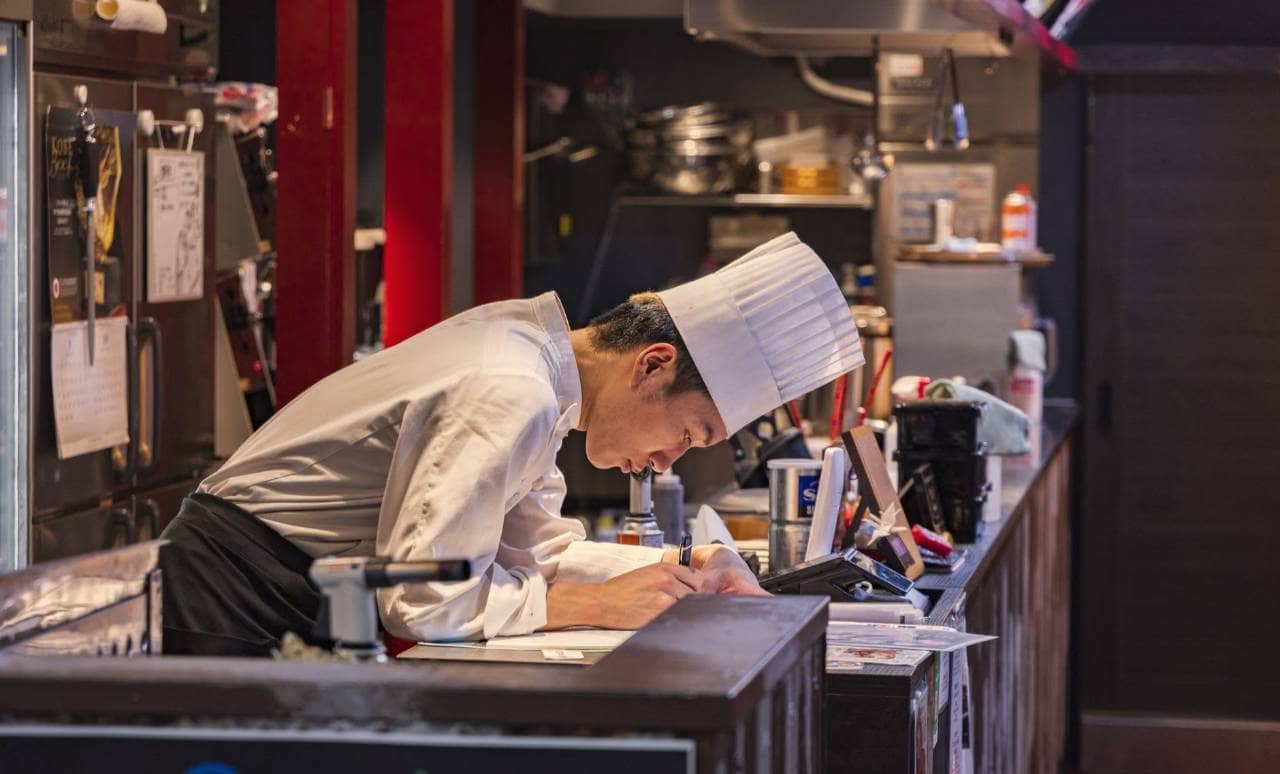
Learn how to calculate restaurant cost of goods using inventory, purchases, COGS percentage, variance reviews, and regular tracking for profitability.
Aug 31, 2026
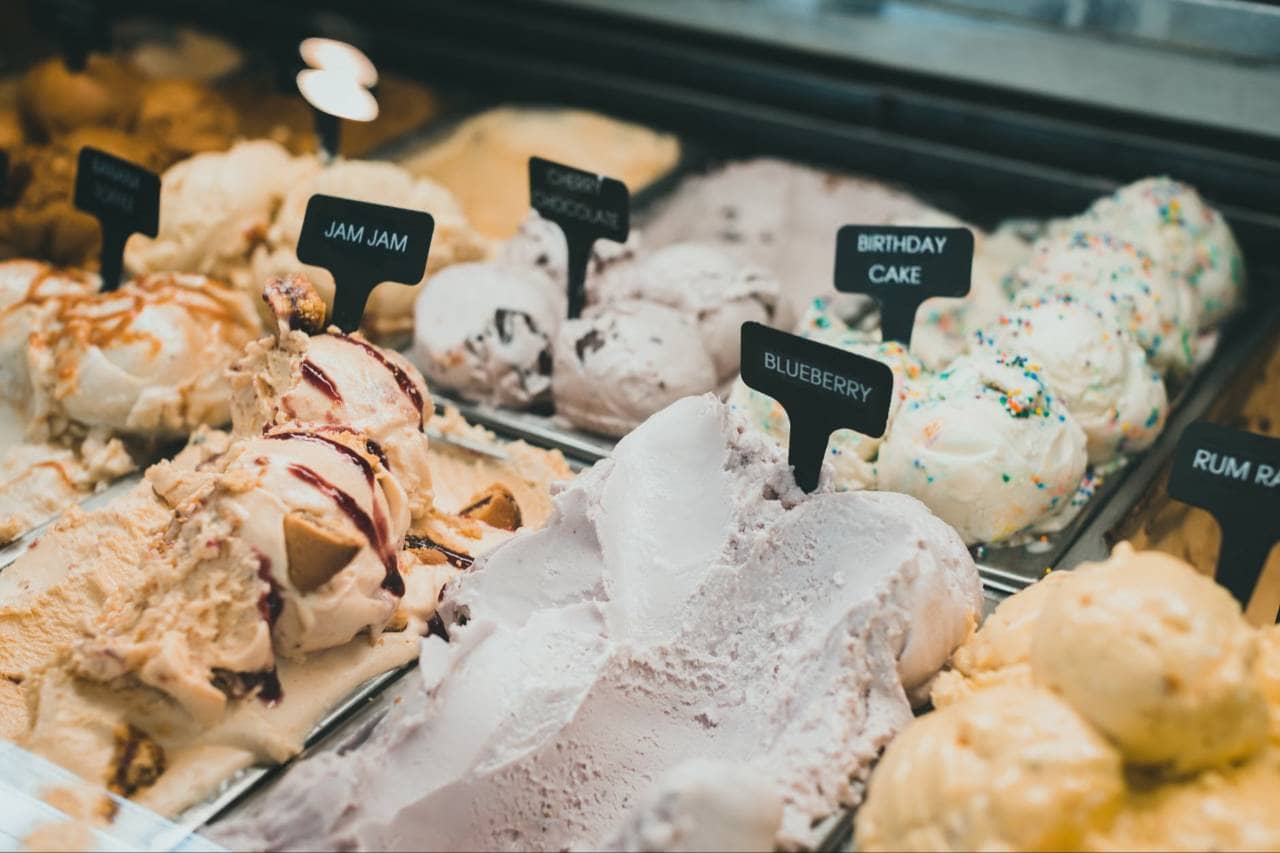
Learn the startup costs of opening an ice cream shop, including rent, equipment, renovations, permits, inventory, labor, marketing, and reserves.
Aug 28, 2026

A restaurant P&L statement reveals sales, expenses, and profits, helping owners manage costs, improve margins, and plan finances more effectively.
Aug 26, 2026

Unlock Exclusive Access To Webinars, Events, And The Latest News For Free!
Discover effective marketing strategies for restaurants to attract solo diners and increase revenue. Learn about meal deals, consumer behavior trends, and adjusting offerings.

Photo by Jay Wennington

Photo by Jay Wennington
As the trend of solo dining continues to rise, restaurants have a unique opportunity to cater to this growing segment of diners. One effective strategy recommended by TouchBistro is to create a welcoming atmosphere for solo diners by offering more single seats and specialized menu options. Establishments can design seating arrangements that are conducive to individual diners, providing a comfortable and enjoyable dining experience. By making solo diners feel valued and welcomed, restaurants can foster customer loyalty and attract a loyal clientele of individuals.
Restaurants have increasingly turned to meal deals and promotions to entice customers, including solo diners, looking for affordable indulgences. Case in point, Chili’s saw a substantial increase in sales by offering enticing deals like the Triple Dippers appetizer and the 3 for Me deal at competitive prices. Red Lobster's introduction of a Happy Hour with discounted drinks and appetizers also contributed to driving sales. These value menus and promotions not only attract budget-conscious customers but also encourage repeat visits, thereby boosting overall revenue for restaurants.
Consumer behavior in the dining industry is influenced by various factors, including household income. Statistics show that individuals with lower annual incomes tend to dine out less frequently than those with higher earnings. This disparity highlights the importance for restaurants to tailor their offerings and pricing strategies to accommodate diverse income brackets. By understanding and adapting to consumer preferences based on income levels, restaurants can effectively target different customer segments and optimize their revenue generation.
Price sensitivity plays a significant role in consumers' dining decisions, with many opting to cook at home due to perceived lower costs compared to eating out. To counter this trend, restaurants can leverage deals and value menus to create a compelling value proposition for customers. By offering affordable options and highlighting the value of dining out, establishments can overcome pricing concerns and attract more diners, including solo patrons seeking cost-effective dining experiences.