
8 Steps in the Restaurant Payroll Process
Learn the eight essential steps of the restaurant payroll process, from tracking hours and calculating wages to payments and recordkeeping.
Payroll
Aug 17, 2026
Learn the eight essential steps of the restaurant payroll process, from tracking hours and calculating wages to payments and recordkeeping.
Aug 17, 2026

Explore the main types of ordering technology restaurants use to improve accuracy, speed, payments, customer convenience, and operational efficiency daily.
Aug 17, 2026

Panera Bread welcomes Andrew Rebhun as its new CMO to spearhead strategic brand growth and transformation, bolstering its vision for 2028.
Aug 17, 2026

Discover how restaurant SMS marketing works, from building subscriber lists and creating campaigns to improving engagement and measuring marketing performance.
Aug 14, 2026

The transition of Pizza Hut's CEO, Aaron Powell, marks a pivotal moment for the chain and offers valuable leadership lessons for restaurant owners. Here’s what this executive change could mean for your business.
Aug 17, 2026

Learn how to manage cash flow in your restaurant by tracking finances, controlling costs, forecasting needs, and building cash reserves.
Aug 14, 2026

Increase online orders by simplifying checkout, optimizing menus, improving Google visibility, promoting ordering channels, and encouraging customers to order again.
Aug 12, 2026

Streamline restaurant back office operations by standardizing workflows, automating repetitive tasks, integrating systems, centralizing data, and improving accountability and efficiency.
Aug 12, 2026
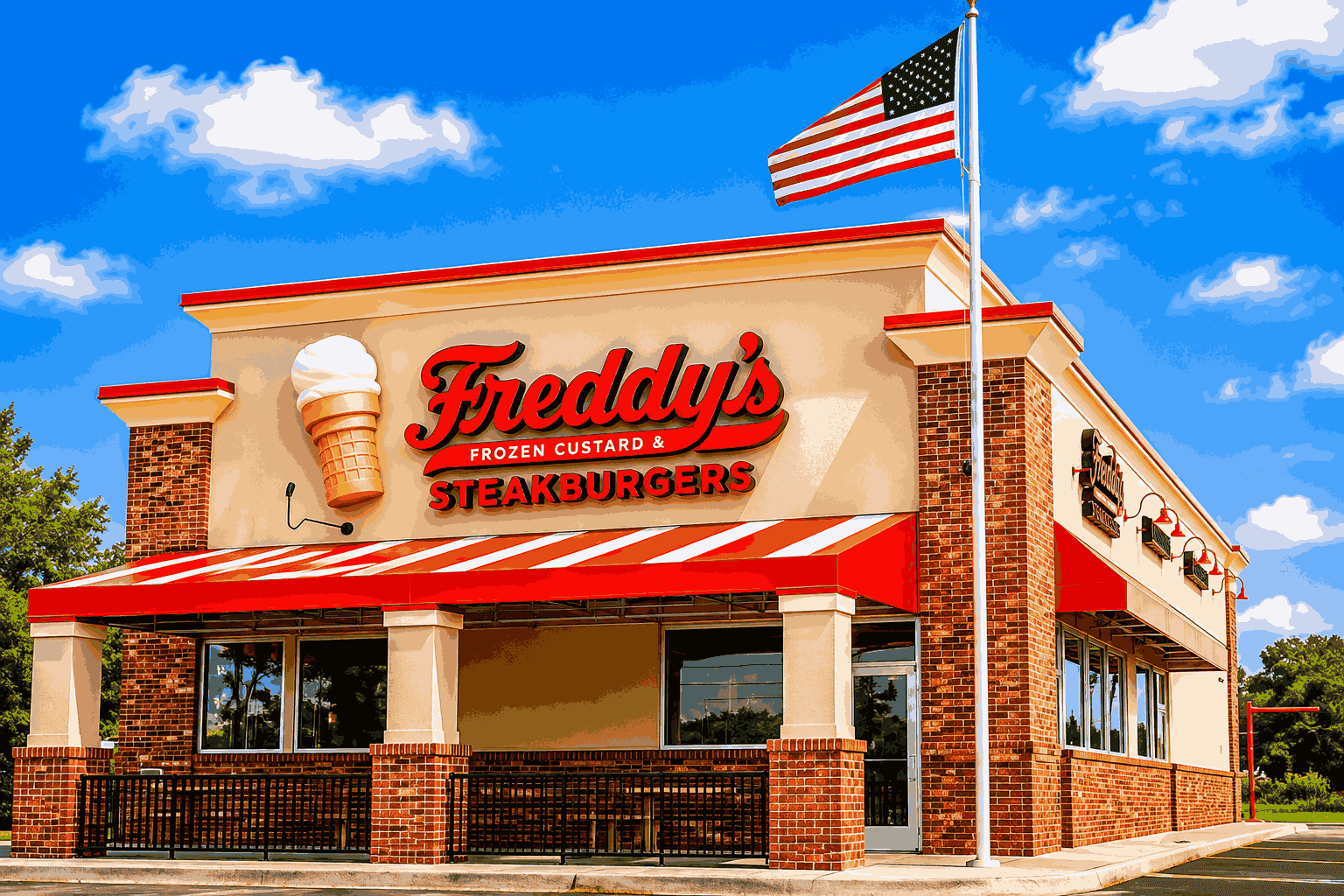
Freddy’s Frozen Custard & Steakburgers promotes Rick Petralia to Executive Chef & VP of Training & Innovation, signaling a strategic focus on culinary excellence and franchisee support.
Aug 12, 2026

McDonald’s USA has appointed Patrick Gerber as chief restaurant officer, leveraging his decades of global experience to boost operations, food quality, and customer satisfaction in the U.S. market.
Aug 11, 2026

Unlock Exclusive Access To Webinars, Events, And The Latest News For Free!
Tipped employee payroll rules vary dramatically by state. Here is a plain-English breakdown of what restaurant owners must know to stay compliant in every jurisdiction.

If you operate a restaurant in more than one state or if you are simply trying to understand whether your current payroll setup is compliant tipped employee payroll is one of the most legally complex areas you will encounter. The federal framework exists, but it is only part of the picture. Every state layered on top of federal law with its own minimum wage rates, tip credit rules, tip pooling restrictions, and reporting requirements, and those rules do not always point in the same direction. The consequences of getting it wrong are not hypothetical. Wage theft claims related to tip mishandling are among the most litigated employment issues in the restaurant industry. A single miscalculation applying a tip credit in a state that prohibits it, or structuring a tip pool that includes ineligible employees can result in back wage liability covering every affected employee for up to three years of violations. For a restaurant with ten tipped employees, that exposure adds up fast. This guide breaks down how tipped employee payroll actually works at the federal level, how state law changes the picture significantly, and what restaurant operators need to do to stay compliant whether they operate in one state or several.
Before examining how states diverge, it is important to understand what federal law actually requires because federal rules apply everywhere, and state rules either match or exceed them. Under the Fair Labor Standards Act, a tipped employee is defined as any worker who regularly receives more than $30 per month in tips. For these employees, federal law permits employers to pay a direct cash wage as low as $2.13 per hour the federal tipped minimum wage provided that the employee's tips bring their total hourly compensation up to at least $7.25, the federal minimum wage. The difference between the cash wage paid and the minimum wage is called the tip credit. Three obligations attach to the tip credit that every employer must understand.
Federal law sets the floor. States set the ceiling and in many cases, they have built a structure that looks nothing like the federal framework underneath it. There are three broad categories of states when it comes to tipped employee payroll, and knowing which category your state falls into is the single most important piece of compliance knowledge you need.

Tip pooling collecting a portion of tips from servers and redistributing them to other staff is a common practice in restaurants, but the rules governing who can participate differ significantly between federal law and individual states. Under federal law as amended by the Consolidated Appropriations Act of 2018, employers who do not take a tip credit may include back-of-house employees such as cooks and dishwashers in a tip pool. Employers who do take a tip credit may only pool tips among employees who customarily and regularly receive tips servers, bartenders, bussers, and food runners typically qualify, while kitchen staff do not. In all cases and in all states, managers and supervisors are prohibited from participating in a tip pool. This prohibition applies regardless of whether the employer takes a tip credit. An owner who is actively working a shift is also generally prohibited from keeping tips under federal law. At the state level, California and a few other states impose additional restrictions. California prohibits mandatory tip pooling arrangements that require employees to contribute a fixed percentage of their sales or tips to a pool, and California courts have interpreted tip pooling eligibility narrowly. Oregon similarly restricts tip pooling and prohibits employers from using tip pools in ways that effectively reduce individual employee tip income to fund operational costs. Before structuring or modifying a tip pool in any state, verify the current rules specific to that jurisdiction. This is one area where a brief consultation with an employment attorney familiar with your state's law is a worthwhile investment.
For restaurant groups operating in multiple states, tipped employee payroll compliance requires a systematic approach because a policy that is legally sound in one state may be a violation in another. The first step is to build a state-by-state compliance profile for every jurisdiction where you employ tipped workers. This profile should document the applicable minimum wage, the tipped minimum wage or whether a tip credit is permitted, the tip pooling rules, the overtime rules including any daily overtime requirements, and the pay frequency requirements. California, for example, requires overtime for hours worked beyond eight in a single day a rule that does not exist under federal law and does not apply in most other states. The second step is to configure your payroll software separately for each state. Most enterprise-level payroll platforms allow location-based rule sets that apply the correct wage floor, tip credit parameters, and overtime calculations automatically based on where an employee works. Do not assume that a single payroll configuration will produce compliant results across multiple states it almost certainly will not without deliberate setup for each jurisdiction. The third step is to assign someone in your organization whether internal or an external payroll provider to monitor minimum wage changes in every state where you operate. Most states with above-federal minimum wages adjust them annually, often on January 1 or July 1. Missing a minimum wage update creates immediate compliance exposure for every tipped employee working that pay period.
Applying a tip credit in a no-tip-credit state is the single most consequential error a restaurant operator can make in this area. It often happens when a restaurant opens a second location in a new state without conducting a thorough compliance review. The fix is straightforward - verify the tip credit rules for every state before processing the first paycheck, not after the first DOL inquiry. Calculating overtime on the cash wage rather than the full minimum wage is the second most common error. This mistake is easy to make when payroll is processed manually or when payroll software is not configured correctly for tipped employees. Build an overtime verification step into your payroll review process and confirm that your software calculates tipped employee overtime correctly before relying on it. Failing to notify employees of the tip credit before applying it is a violation that voids the tip credit entirely under federal law. If you cannot demonstrate that employees received the required tip credit notice, the DOL can require you to pay the full minimum wage for the entire period the credit was applied making the tip credit retroactively worthless. Use a written notice, obtain a signed acknowledgment, and retain it in each employee's personnel file. Including ineligible employees in a tip pool most commonly a working manager or a back-of-house employee in a tip-credit state creates joint liability for all tips that were improperly distributed. Audit your tip pool structure annually to confirm eligibility has not shifted as your team has changed. Missing minimum wage update deadlines is a routine but costly oversight. Create a standing calendar reminder to verify minimum wage rates in every state where you operate at the start of each calendar year and again mid-year, since some states update rates on July 1.
Managing tipped employee payroll manually across even two or three states is a significant compliance risk. Payroll software that is purpose-built for the restaurant industry and actively maintained for regulatory changes is the most practical solution for most operators. Gusto, ADP, and Paychex all support multi-state payroll with configurable tip credit settings and automatic tax filing in each jurisdiction. Toast Payroll integrates directly with Toast POS time-tracking and tip reporting data, which reduces manual entry errors and ensures that tip income is captured accurately for withholding purposes. 7shifts Payroll is designed specifically for restaurants and handles tipped employee payroll calculations with state-level configurability. When evaluating any platform for tipped employee payroll, confirm that it supports tip credit calculations specific to your state, handles tipped employee overtime correctly, generates the tip credit employee notices required by federal law, integrates with your POS tip reporting, and files payroll taxes automatically in every state where you operate.
Tipped employee payroll is not an area where a generalized approach holds up across state lines. The rules are specific, the stakes are high, and the variation between states is significant enough that compliance in one jurisdiction does not guarantee compliance in another. The restaurant operators who navigate this successfully are the ones who take the time to understand the rules in every state where they operate, configure their payroll systems to reflect those rules accurately, and build consistent review processes that catch errors before they become liabilities. Tipped employee payroll handled correctly is simply a routine part of operations. Handled incorrectly, it is one of the most expensive problems a restaurant business can face. This article is for informational purposes only and does not constitute legal or financial advice. Consult a licensed professional for your specific situation. Looking for payroll compliance checklists, state-by-state wage guides, and templates built for restaurant operators? Explore the full payroll resource library at RestaurantAssociation.com/payroll and subscribe to the newsletter for compliance updates and practical tools delivered to your inbox every week.