How to Calculate Cost of Goods Sold for a Restaurant
Learn how to calculate restaurant cost of goods using inventory, purchases, COGS percentage, variance reviews, and regular tracking for profitability.
Accounting
Aug 31, 2026
Learn how to calculate restaurant cost of goods using inventory, purchases, COGS percentage, variance reviews, and regular tracking for profitability.
Aug 31, 2026

Explore restaurant technology trends in 2026, including AI, automation, digital ordering, workforce tools, connected kitchens, personalization, and profitability strategies today.
Aug 28, 2026
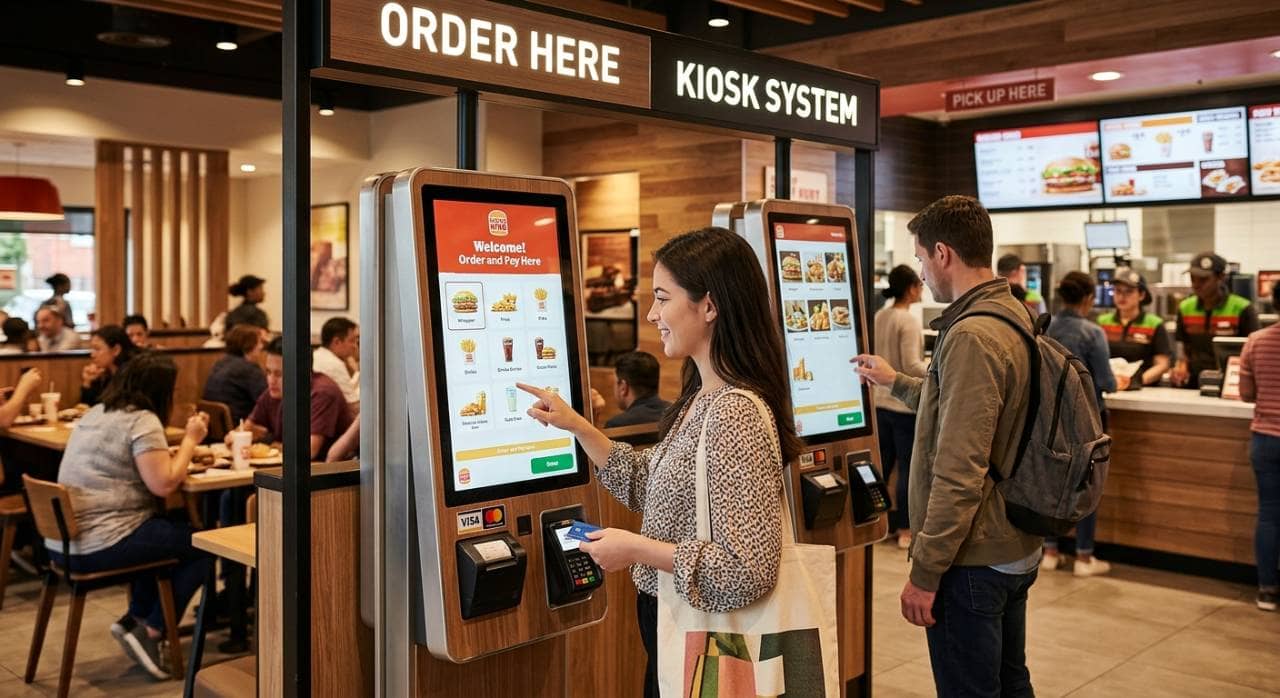
Understand how to evaluate a Kiosk system using key criteria including features, POS integration, hardware, pricing, customer experience, and support.
Aug 31, 2026
Learn the startup costs of opening an ice cream shop, including rent, equipment, renovations, permits, inventory, labor, marketing, and reserves.
Aug 28, 2026

A restaurant P&L statement reveals sales, expenses, and profits, helping owners manage costs, improve margins, and plan finances more effectively.
Aug 26, 2026

RaceTrac has appointed Jill Pemberton as chief financial officer, succeeding Karla Ahlert, who moves into the newly created role of chief administrative officer.
Aug 26, 2026

Learn practical ways to reduce labour costs through smarter scheduling, forecasting, productivity, cross-training, automation, overtime control, and performance monitoring strategies.
Aug 26, 2026

A payroll advance policy helps restaurant owners define eligibility, limits, repayment, documentation, approval procedures, and compliance requirements for employee advances.
Aug 24, 2026

Create a practical restaurant marketing plan by setting goals, targeting customers, choosing channels, budgeting wisely, scheduling campaigns, and measuring results.
Aug 24, 2026

Levain Bakery appoints Lorna Sommerville and Taya Stenson as co-CEOs, blending operational and marketing expertise to power national expansion and innovation while staying rooted in its brand values.
Aug 25, 2026

Unlock Exclusive Access To Webinars, Events, And The Latest News For Free!
Discover how Red Robin is strategically improving its operations and driving growth in the competitive casual dining industry. Explore their innovative approaches to menu development, marketing, and leadership to strengthen their brand.
Red Robin, along with other major chains like Denny’s and Wendy’s, has embarked on a strategic journey to optimize its restaurant operations. By closing underperforming locations, Red Robin aims to enhance the overall health of its system. The closure of struggling restaurants, as mentioned by Red Robin CEO Hart, is crucial in strengthening the remaining portfolio and unlocking cash flow that can be reinvested back into the company. This strategic move ensures that resources are focused on high-performing units, enabling sustainable growth and profitability.
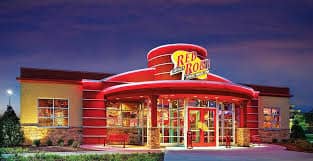
One key aspect of Red Robin's operational enhancement strategy revolves around menu development and marketing initiatives. The company's focus on improving menu quality, introducing new items, and offering value-driven promotions has been instrumental in attracting and retaining customers. By emphasizing personalized marketing campaigns through its Red Robin Royalty program and integrating guest data capabilities, Red Robin creates engaging experiences that drive traffic and boost sales. The relaunch of the loyalty program successfully drew in new members, showcasing the power of customer engagement in driving business growth.
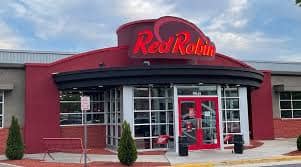
Red Robin's innovative Managing Partner Compensation Program signals a shift in the traditional restaurant management model. By enabling managers to function as partners and owners of their restaurants, a unified goal of driving both traffic and profit emerges. This approach nurtures a sense of ownership and accountability among managers, fostering a culture of excellence and operational efficiency. The company's commitment to continued benefits from this program demonstrates its dedication to empowering its frontline leaders for sustained success.