True Food Kitchen Files Bankruptcy, Closes 12 Sites
True Food Kitchen filed for Chapter 11 bankruptcy, closing 12 locations and shrinking to 34 restaurants across 14 states amid $42.1 million in debt.
News
Oct 5, 2026
True Food Kitchen filed for Chapter 11 bankruptcy, closing 12 locations and shrinking to 34 restaurants across 14 states amid $42.1 million in debt.
Oct 5, 2026

Snooze Eatery names industry veteran Amy Hom as COO, starting Sept. 28, to strengthen hospitality and operations ahead of its next growth phase.
Oct 5, 2026
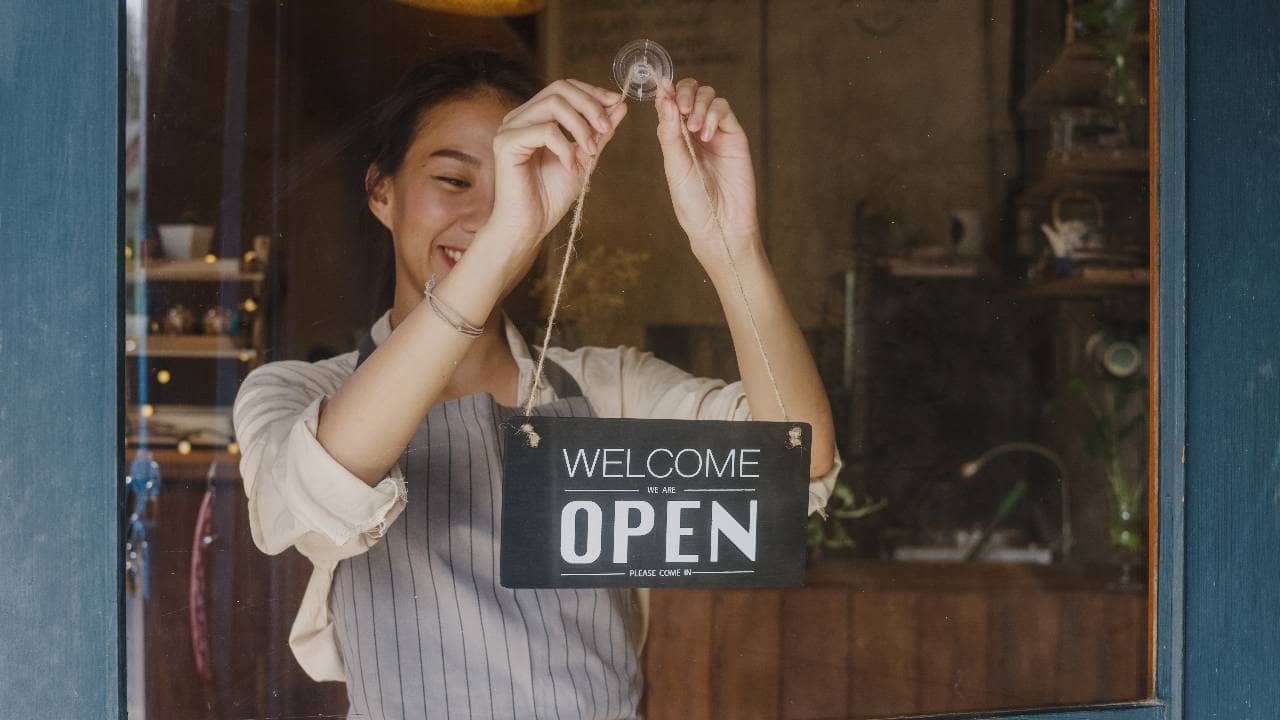
Opening a second restaurant location requires readiness, clear goals, financial planning, funding, smart strategy, standardized operations, strong teams, and careful launch monitoring for sustainable growth.
Sep 30, 2026
Evaluate restaurant industry performance in Q3 2026 through key trends affecting restaurant sales, traffic, consumer spending, labor, costs, and technology.
Oct 2, 2026
Restaurants can control operating costs by tracking food, labor, rent, utilities, technology, marketing, and other expenses against sales.
Oct 5, 2026
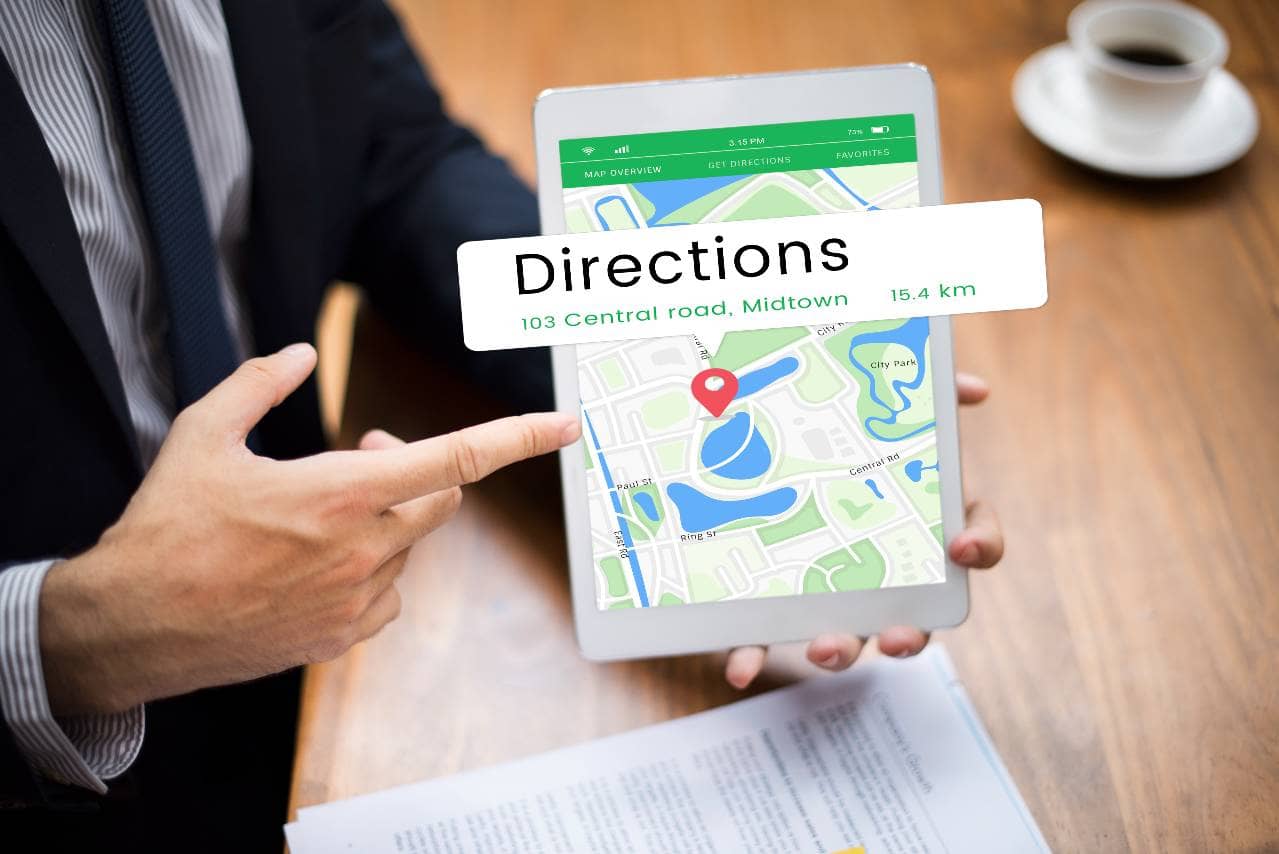
Improve restaurant visibility with local SEO by optimizing Google Business Profile, targeting local keywords, managing reviews, and maintaining accurate online information.
Oct 5, 2026
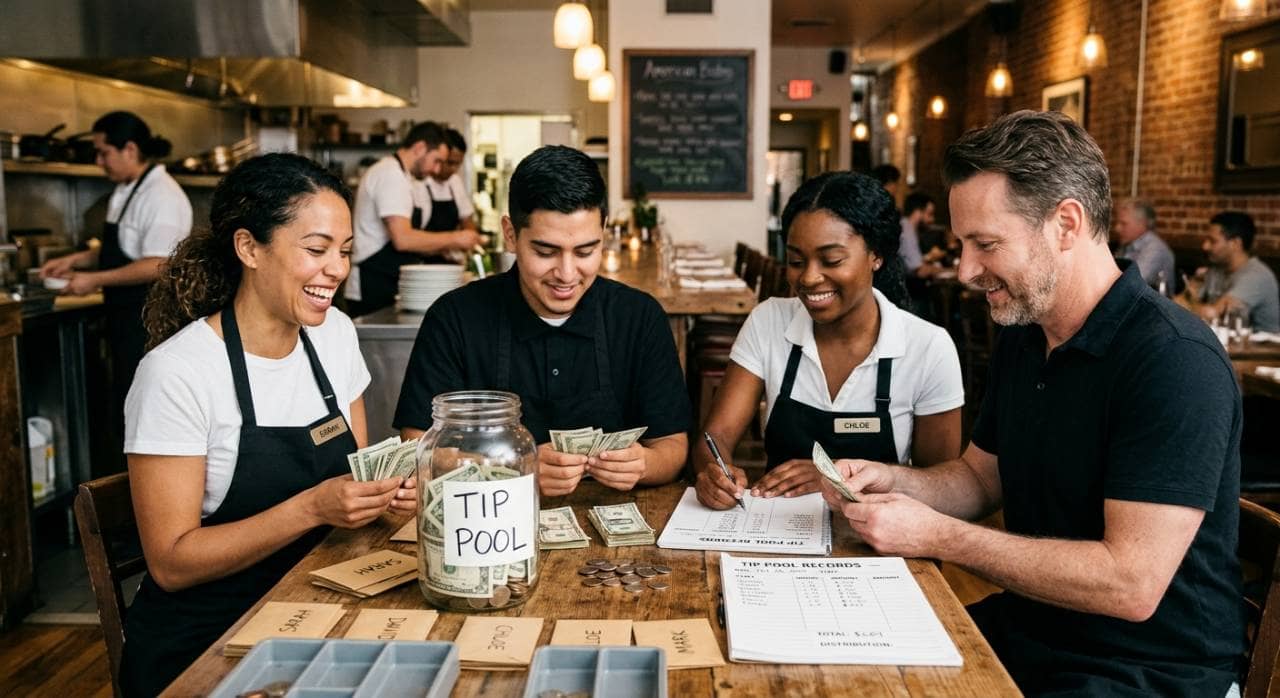
Understand tip pooling rules, employee eligibility, distribution methods, compliance requirements, recordkeeping practices, and policies restaurant owners need for proper tip management.
Oct 2, 2026

Whit's Frozen Custard hires industry veteran Amos Durbin as COO to guide franchise expansion, drawing on two decades of restaurant leadership experience.
Oct 2, 2026
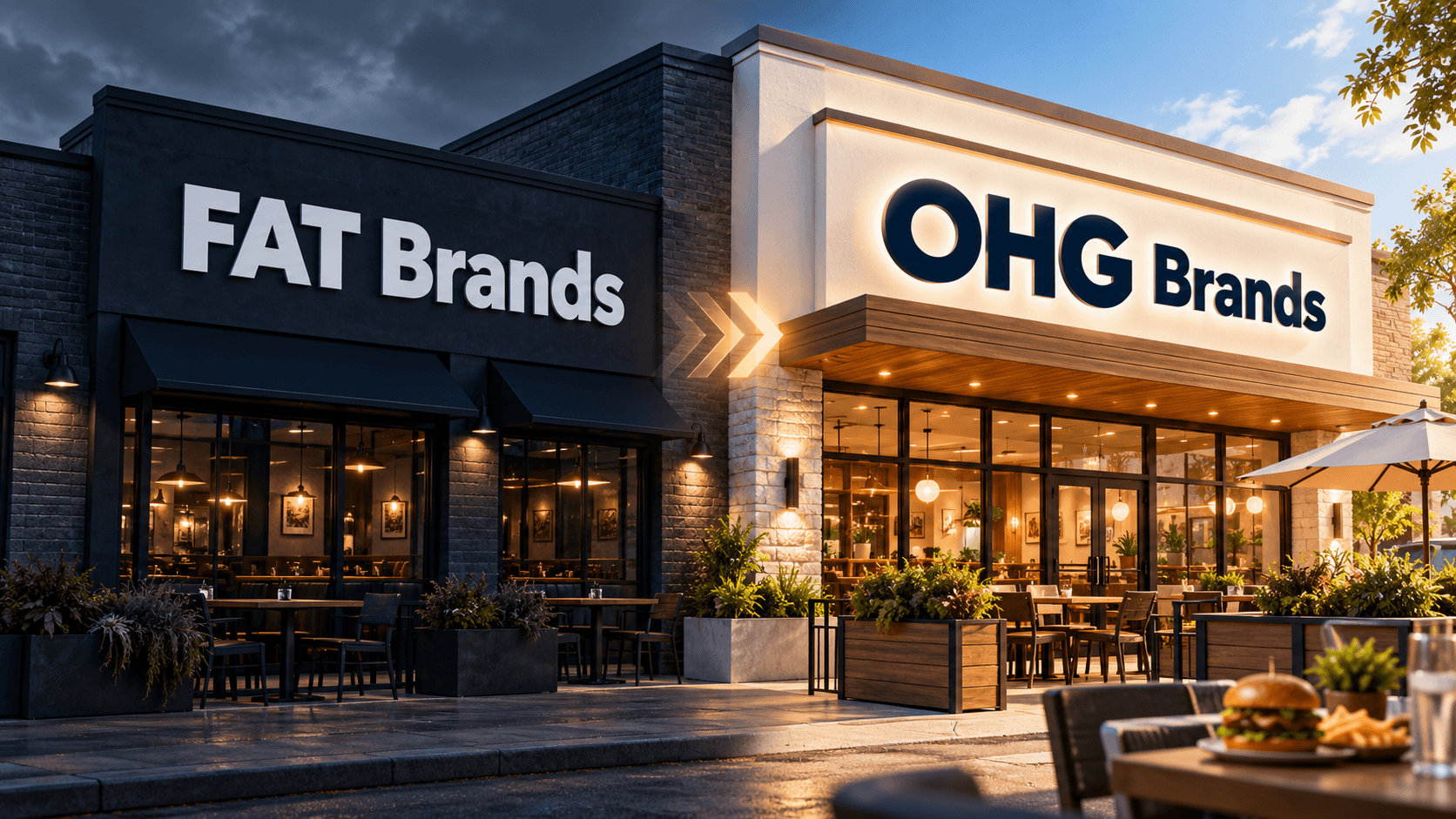
FAT Brands' $1B acquisition empire fell into bankruptcy and sold for $965M, re-emerging as OHG Brands with 1,700 restaurants.
Oct 1, 2026
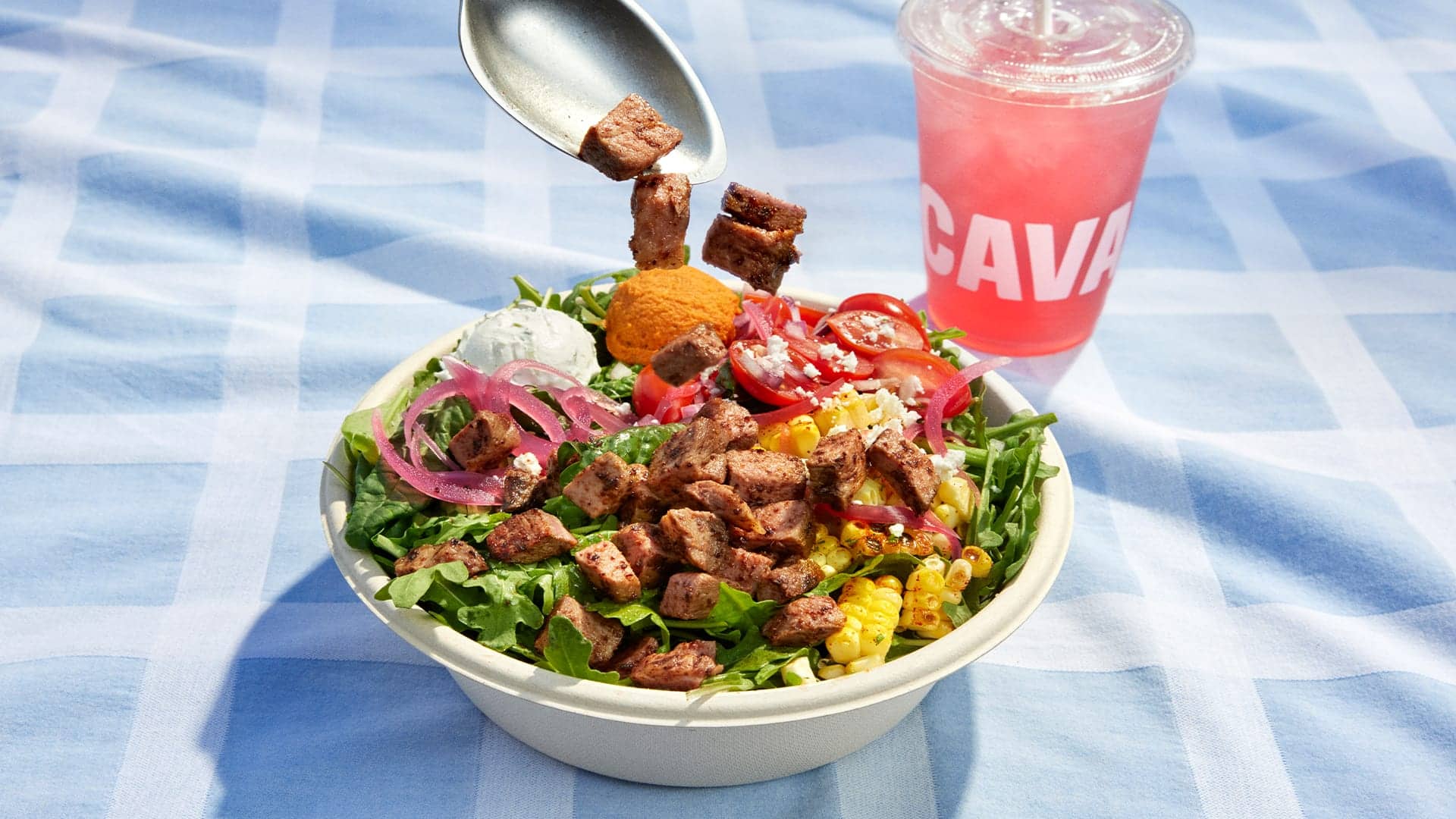
CAVA names John Ludeke, former Dr. Squatch Chief Brand Officer, as its new CMO to drive national growth and guest loyalty.
Oct 1, 2026

Unlock Exclusive Access To Webinars, Events, And The Latest News For Free!
L&L Hawaiian Barbecue, Hawaii's largest restaurant chain, has reached 100 locations in California with the opening of its newest restaurant in Carlsbad cementing the state as its biggest U.S. market and reflecting sustained demand for Hawaii's Plate Lunch culture on the mainland.
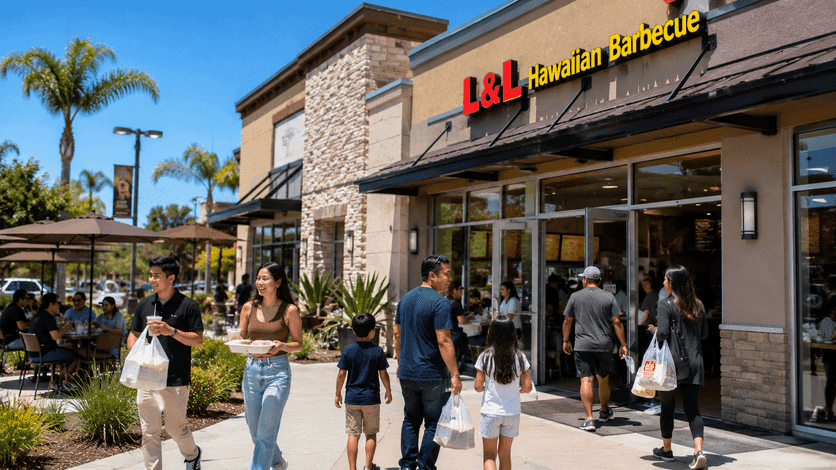
L&L Hawaiian Barbecue has officially opened its 100th California location, situated within La Costa Town Square in Carlsbad. The restaurant, owned by franchisee Chloe Tran whose recent openings in Colton and Jurupa Valley helped push the brand to this mark offers dine-in, takeout, mobile ordering, third-party delivery, and catering. For L&L, the largest Hawaii-based restaurant chain in the country, the milestone carries weight beyond the unit count. California was the first state the brand expanded to after establishing itself in Hawaii, making it the original proving ground for whether Hawaii's local food culture could travel. A hundred locations later, that question has been answered.
California's role as L&L's strongest growth market isn't accidental. The state has a large and long-established Hawaiian community, a significant number of former Hawaii residents, and a steady stream of visitors who already know and love Plate Lunch before they ever set foot in a mainland L&L location. That built-in familiarity creates a customer base that doesn't need to be educated about the food they're already looking for it. Josie Akana, L&L's vice president of franchising, noted that the proximity to Hawaii combined with the cultural connection many Californians have to island cuisine has generated sustained momentum for the brand over time. The chain has grown across both major metro areas and expanding suburban communities, suggesting the appeal isn't limited to any particular type of market.
At the heart of L&L's menu is the Plate Lunch a Hawaii staple built around two scoops of rice, macaroni salad, and a choice of protein. It's a simple format that travels well because it's rooted in comfort and familiarity rather than trend-chasing. Popular choices include BBQ Mix featuring short ribs, beef, and chicken, along with Chicken Katsu, Kalua Pork with Cabbage, Loco Moco, and Garlic Shrimp. The menu hasn't needed to reinvent itself to drive growth. Its staying power comes from consistency and the cultural authenticity behind it qualities that resonate with longtime fans and newcomers alike. For customers discovering Hawaiian food for the first time, the format is approachable. For those who grew up eating it, it's a taste of home.
L&L's California growth has been driven by a mix of experienced multi-unit operators and first-time franchisees, many of whom are drawn to the brand specifically because of its cultural foundation. That's a different kind of franchise motivation than simply evaluating unit economics and market saturation it means the people running L&L locations often have a personal connection to what they're serving. That connection tends to show up in how locations are run and how the brand is represented in each community. Franchisees who care about the food and the culture behind it tend to be more invested in the guest experience, which matters in a category where authenticity is a core part of the value proposition.
For L&L CEO Elisia Flores, the 100-location mark in California carries personal significance that goes beyond business metrics. Her father came to Hawaii as an immigrant and, alongside co-founder Johnson Kam, helped build L&L from a single local restaurant into a brand that now operates across the mainland and beyond. California was the first leap of faith the decision to take something deeply local and see if it could resonate somewhere else. The fact that it has grown to 100 locations in that single state is, as Flores put it, both a proud business moment and a personal one. The feeling of aloha that runs through the brand's identity isn't marketing language for L&L it's the thread that connects the origin story to where the company stands today.
Reaching 100 locations in California reinforces the state's position as L&L's anchor market on the mainland, but it also points toward what's possible in other regions. Akana noted that franchise interest from operators who recognize the long-term potential of the Hawaiian Barbecue category is growing, and the California story gives those prospective franchisees a concrete track record to evaluate. For the broader restaurant industry, L&L's trajectory is a useful case study in how a regionally rooted food culture can build a durable national presence without losing what made it compelling in the first place. The brand hasn't chased trends or overhauled its menu to fit mainland tastes it's stayed true to the Plate Lunch and let the food speak for itself.