
How to Organize a Restaurant Chart of Accounts
A restaurant chart of accounts separates sales, costs, and labor, uses logical numbering, and stays maintained, producing clearer financial reports.
Accounting
Sep 23, 2026
A restaurant chart of accounts separates sales, costs, and labor, uses logical numbering, and stays maintained, producing clearer financial reports.
Sep 23, 2026
This restaurant inventory count checklist helps owners track food, beverages, packaging, and supplies, cutting waste, controlling costs, improving purchasing decisions.
Sep 23, 2026
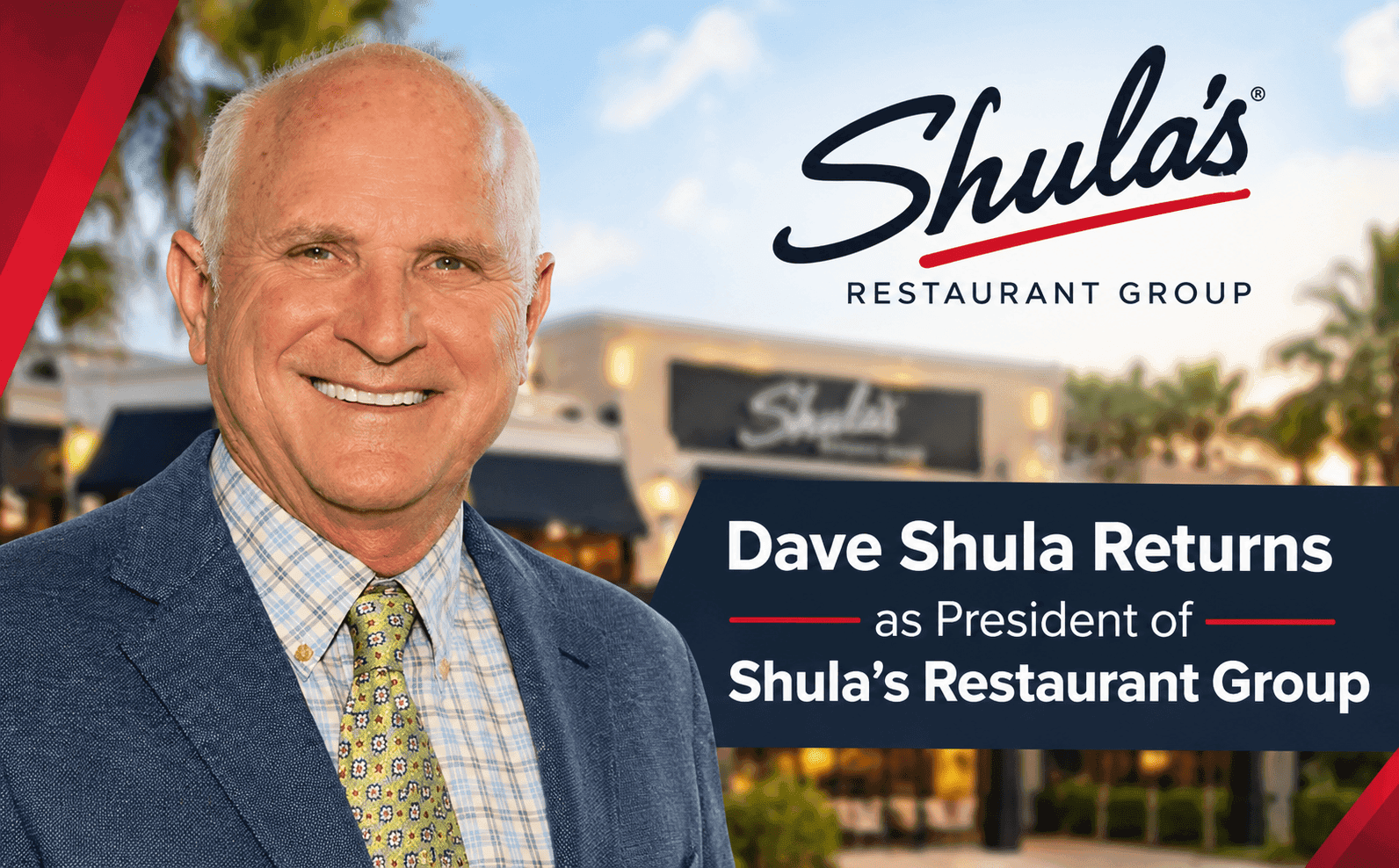
Dave Shula rejoins Shula's Restaurant Group as president, leading growth into Palm Beach Gardens and a 2027 Thomasville, Georgia expansion.
Sep 23, 2026

McDonald's commits $8.5 billion through 2036 to modernize restaurants, boost cash flow by $100,000 per store, and grow chicken and beverage sales.
Sep 23, 2026
WKS Restaurant Group promotes Jay Spongberg to president and COO after he helped grow the company from 65 to 382 restaurants over 16 years.
Sep 23, 2026

Smokey Mo's BBQ names Von Dawson, a Dine Brands veteran, as VP of Franchise Development to lead its Texas expansion strategy.
Sep 23, 2026
.png&w=3840&q=70)
Meritage Hospitality's Chapter 11 filing pulls 5% of Wendy's U.S. stores into bankruptcy, exposing cracks in franchising's bigger-is-safer bet.
Sep 21, 2026

Jack in the Box names Rachel Ruggeri to its board as Michael Murphy retires, amid a CEO transition and deal with investor GreenWood.
Sep 21, 2026

Improve restaurant Google Maps rankings by optimizing your business profile, selecting accurate categories, gathering reviews, adding photos, and strengthening local relevance signals.
Sep 21, 2026

Restaurant inventory tracking helps owners monitor stock, control food costs, reduce waste, improve purchasing, and make informed operational decisions.
Sep 21, 2026

Unlock Exclusive Access To Webinars, Events, And The Latest News For Free!
Explore how McDonald’s is changing its inclusion strategy and how New York City restaurants are preparing for the nation’s first congestion pricing initiative.

McDonald’s recent announcement to discontinue setting 'aspirational representation goals' marks a pivotal shift in its inclusion strategy. The decision to move away from these goals, initially implemented in response to societal events, indicates a broader strategic recalibration. By abandoning aspirational representation targets, McDonald’s may be transitioning towards a more nuanced and dynamic approach to fostering diversity and inclusion within its workforce.
This notable departure from setting specific diversity benchmarks can have implications on how companies in the quick-service restaurant sector structure their inclusion strategies. McDonald’s move could prompt discussions on the effectiveness and sustainability of aspirational representation goals in achieving lasting diversity and equity in the workplace. It also underlines the importance of constantly evaluating and adapting inclusion initiatives to align with evolving societal and organizational needs.

The introduction of congestion pricing in New York City has stirred concerns among restaurants operating below 60th Street in Manhattan. With additional fees imposed on distribution trucks and surcharges for employees and patrons driving into the city, the hospitality industry is bracing for financial impacts. Understanding the ramifications of congestion pricing on the restaurant landscape is crucial for businesses to strategize and mitigate potential challenges arising from the new fee structures.
Artistry Restaurants’ recent acquisition of the Hickory Tavern casual-dining concept represents a significant expansion for the company. The move into North Carolina and South Carolina signifies Artistry Restaurants' strategic growth beyond its current market presence. By incorporating the 20-unit Hickory Tavern into its portfolio, Artistry Restaurants showcases its commitment to diversifying its offerings and expanding geographically, providing new opportunities for the brand to reach a broader customer base.