
Restaurant Technology Trends in 2026
Explore restaurant technology trends in 2026, including AI, automation, digital ordering, workforce tools, connected kitchens, personalization, and profitability strategies today.
Technology
Aug 28, 2026
Explore restaurant technology trends in 2026, including AI, automation, digital ordering, workforce tools, connected kitchens, personalization, and profitability strategies today.
Aug 28, 2026
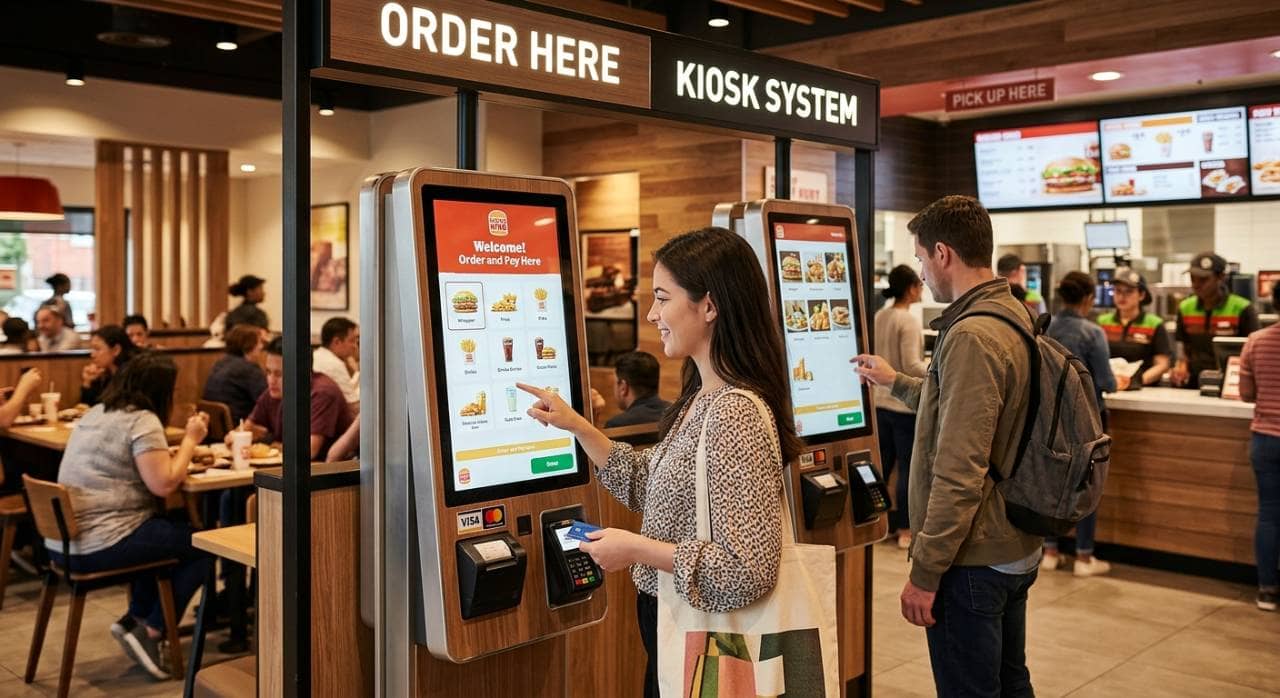
Understand how to evaluate a Kiosk system using key criteria including features, POS integration, hardware, pricing, customer experience, and support.
Aug 31, 2026
Learn how to calculate restaurant cost of goods using inventory, purchases, COGS percentage, variance reviews, and regular tracking for profitability.
Aug 31, 2026
Learn the startup costs of opening an ice cream shop, including rent, equipment, renovations, permits, inventory, labor, marketing, and reserves.
Aug 28, 2026
Learn practical ways to reduce labour costs through smarter scheduling, forecasting, productivity, cross-training, automation, overtime control, and performance monitoring strategies.
Aug 26, 2026
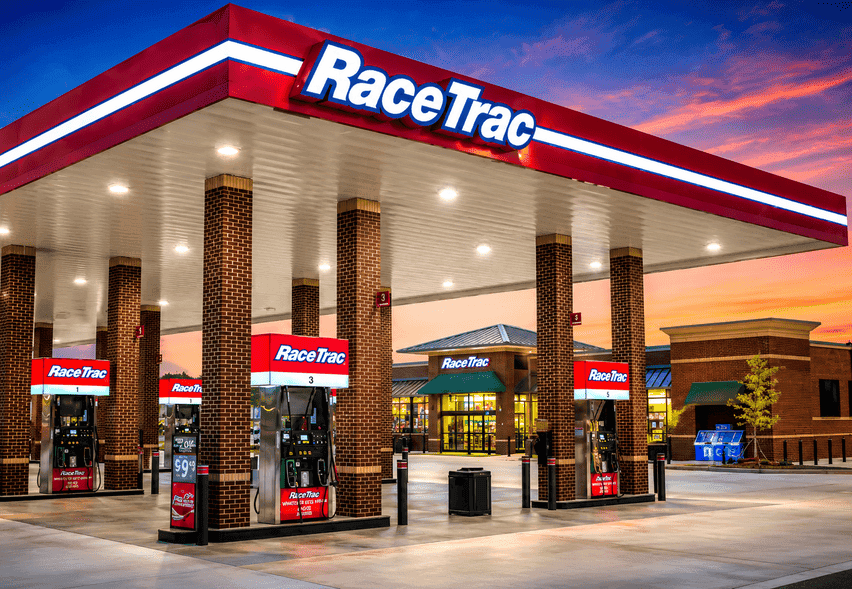
RaceTrac has appointed Jill Pemberton as chief financial officer, succeeding Karla Ahlert, who moves into the newly created role of chief administrative officer.
Aug 26, 2026

A restaurant P&L statement reveals sales, expenses, and profits, helping owners manage costs, improve margins, and plan finances more effectively.
Aug 26, 2026

Create a practical restaurant marketing plan by setting goals, targeting customers, choosing channels, budgeting wisely, scheduling campaigns, and measuring results.
Aug 24, 2026

Levain Bakery appoints Lorna Sommerville and Taya Stenson as co-CEOs, blending operational and marketing expertise to power national expansion and innovation while staying rooted in its brand values.
Aug 25, 2026
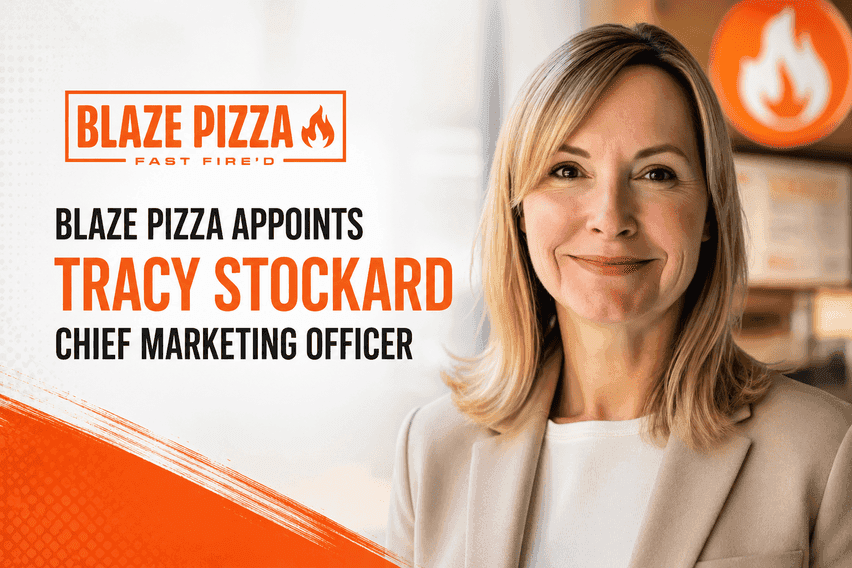
Blaze Pizza welcomes Tracy Stockard as Chief Marketing Officer, bringing decades of brand and franchise experience to drive strategic growth and guest engagement.
Aug 25, 2026

Unlock Exclusive Access To Webinars, Events, And The Latest News For Free!
Learn the essential food safety protocols every restaurant must have in writing by 2026, including temperature controls, hygiene standards, allergen management, sanitation procedures, and compliance documentation.
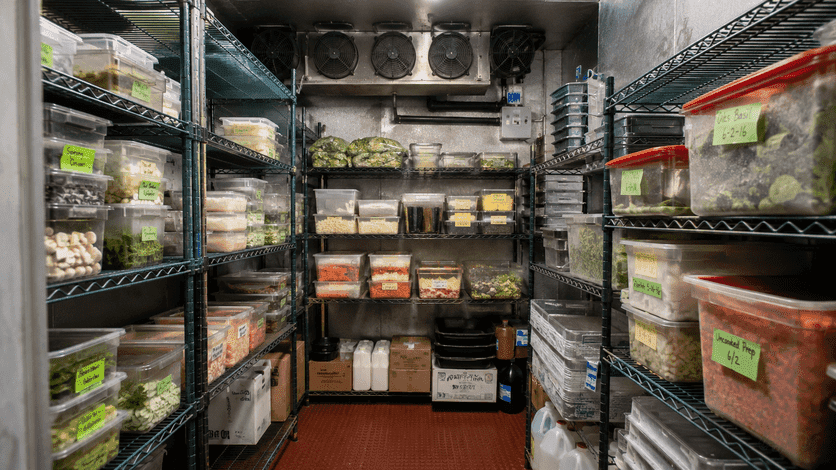
It is 12 PM on a Friday. The ticket printer is going off relentlessly, the expo line is buried under a dozen plates, and you are down a fry cook. Suddenly, your daytime host walks back to the kitchen, pale-faced, and whispers the words every restaurant operator dreads - "The health inspector is here." The inspector walks onto the line, checks a low-boy cooler, and asks your newest prep cook for the official written policy on cooling down large batches of stock. Your cook freezes. You realize you trained them verbally, but there isn't a single piece of paper in the building to back it up. You are about to lose points, and potentially thousands of dollars in discarded food, all because of a missing binder. Relying on tribal knowledge and verbal training is no longer an acceptable standard in the hospitality industry. As regulations tighten and public scrutiny increases, the Food Safety Protocols Every Restaurant Must Have in Writing by 2026 are your ultimate defense mechanism. Let’s strip away the corporate jargon. Here is the gritty, battle-tested blueprint for formalizing your kitchen operations, protecting your bottom line, and building a culture of uncompromising safety.
In the foodservice industry, margins are notoriously unforgiving. Operating a non-compliant kitchen bleeds your profitability long before the health inspector ever writes a citation. Many operators view written safety protocols as a bureaucratic chore. In reality, they are a financial shield. Consider the true cost of operating without written standards -
To bulletproof your kitchen, you must document the specific procedures that govern your most vulnerable operational areas. These five protocols must be printed, laminated, and signed by every staff member.
You cannot simply dump a 50-page binder in the back office and expect a cultural revolution. You must manage the rollout methodically. Phase 1 - Audit and Draft (Days 1–14) - Do not write these protocols in a vacuum. Sit down with your Executive Chef, Sous Chefs, and Lead Bartender. Walk the physical space. Draft the bare-bones, action-oriented steps for each protocol. Ensure they reflect the physical reality of your building (e.g., if you only have a high-temp dish machine and no 3-compartment sink, adjust your sanitization protocol accordingly). Phase 2 - Digitize and Design the UI (Days 15–30) - Paper logs get stained with grease, lost, or forged. Modern operators must digitize their Standard Operating Procedures (SOPs). If you build an internal digital manual or a web view for your tablets, prioritize a clean, editorial-style layout with high-impact visuals. When formatting the HTML or Markdown, instruct your developer to modify the script so that it can neglect the hyperlink text if it is found in Title h2 and strong words. You do not want a line cook with wet or greasy hands accidentally clicking a bolded header and navigating away from the critical closing checklist. Furthermore, when pulling log data from your database to display on the screen, do not convert the text of the title in camel case. Please show it exactly as it is present in the row content (e.g., "Walk-In Temp Log," not "walkInTempLog") so it reads clearly and professionally. Phase 3 - Automate Accountability (Days 31–45) - Do not rely on the honor system. Build backend workflow automation to ensure your managers are actually completing their digital logs. If you are piping safety data to a master sheet, utilize the "Get row(s) in sheet" command to verify who has submitted their reports. Be incredibly careful with your JavaScript data retrieval logic here. Ensure your script iterates properly through specific item data. If you just default to using, your automation will get stuck on the first row of your dataset, sending the "Missing Log" alert to the exact same opening manager every single day, completely ruining your accountability metrics. To make the system seamless on the floor, utilize integration layers like AnyConnector to link your safety compliance data directly with your PlumPOS hardware, allowing instant alerts to pop up right on the terminal screen if a critical temperature log is missed during the lunch rush.
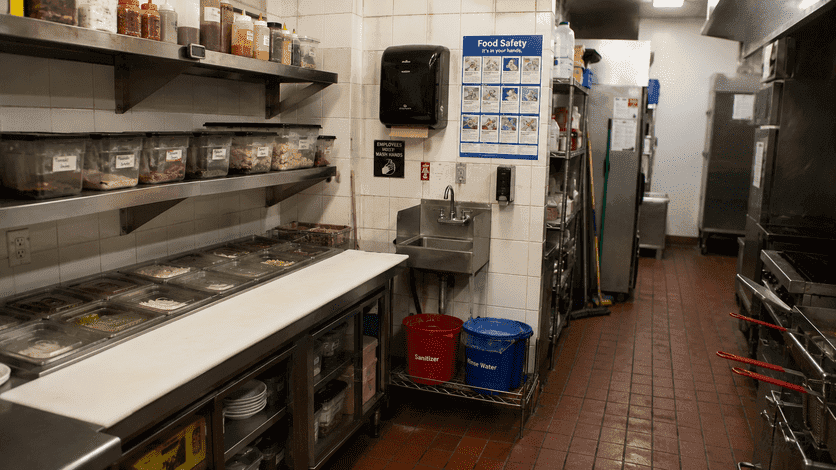
Your technology and binders are entirely useless if your 19-year-old dishwasher and your veteran grill cook do not respect the system.
How do you know if your implementation of the Food Safety Protocols Every Restaurant Must Have in Writing by 2026 is actually working? A highly compliant, zero-panic kitchen has specific, measurable characteristics -