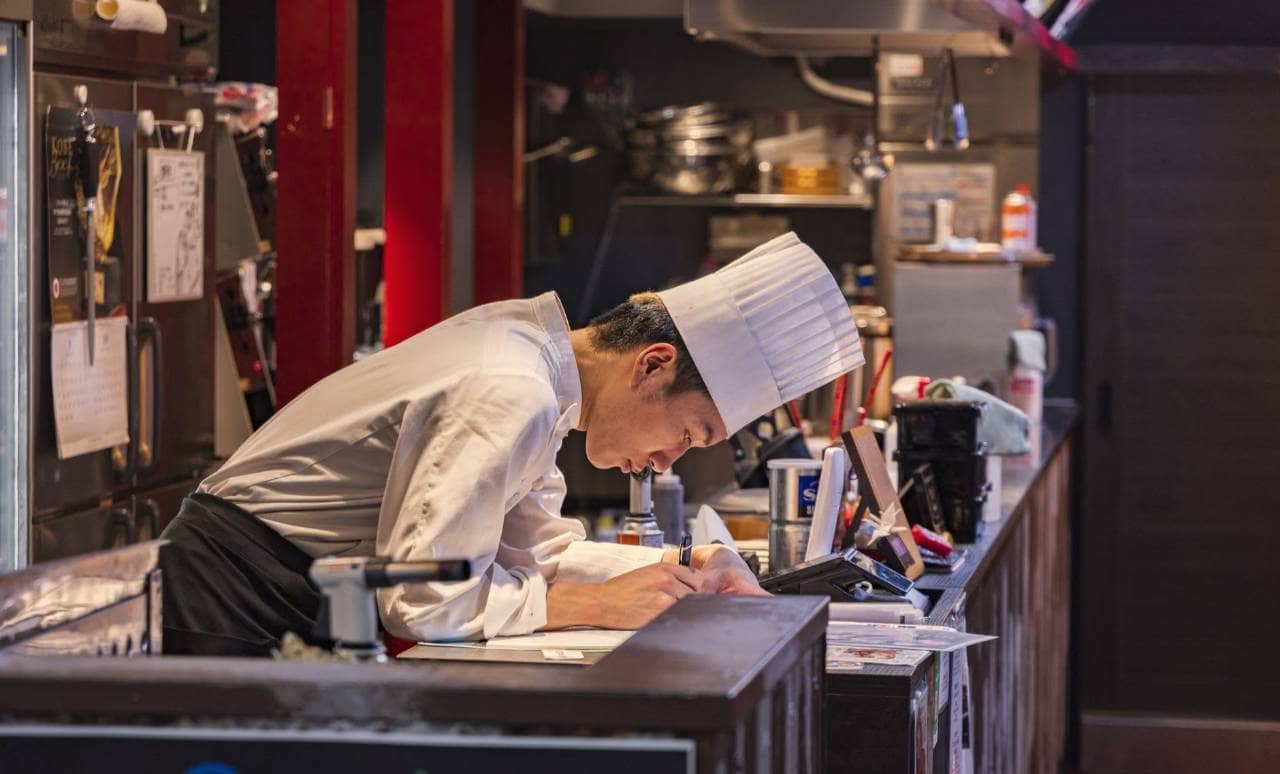
How to Calculate Cost of Goods Sold for a Restaurant
Learn how to calculate restaurant cost of goods using inventory, purchases, COGS percentage, variance reviews, and regular tracking for profitability.
Accounting
Aug 31, 2026
Learn how to calculate restaurant cost of goods using inventory, purchases, COGS percentage, variance reviews, and regular tracking for profitability.
Aug 31, 2026
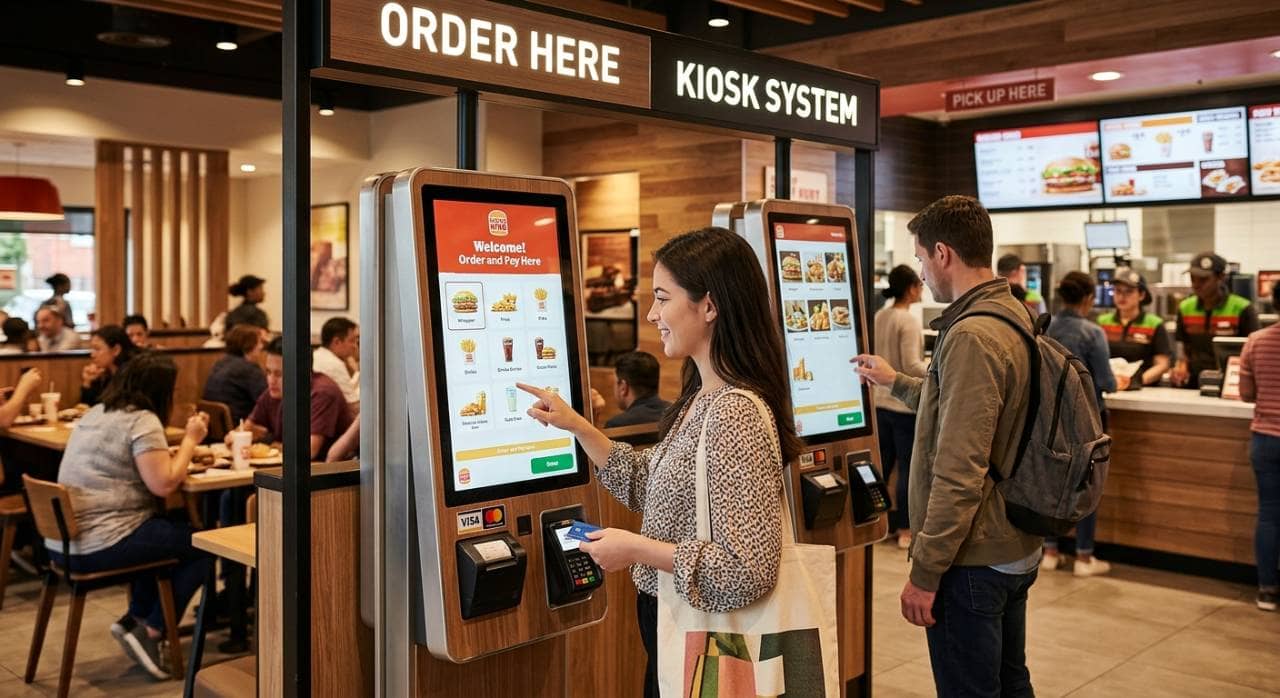
Understand how to evaluate a Kiosk system using key criteria including features, POS integration, hardware, pricing, customer experience, and support.
Aug 31, 2026

Explore restaurant technology trends in 2026, including AI, automation, digital ordering, workforce tools, connected kitchens, personalization, and profitability strategies today.
Aug 28, 2026
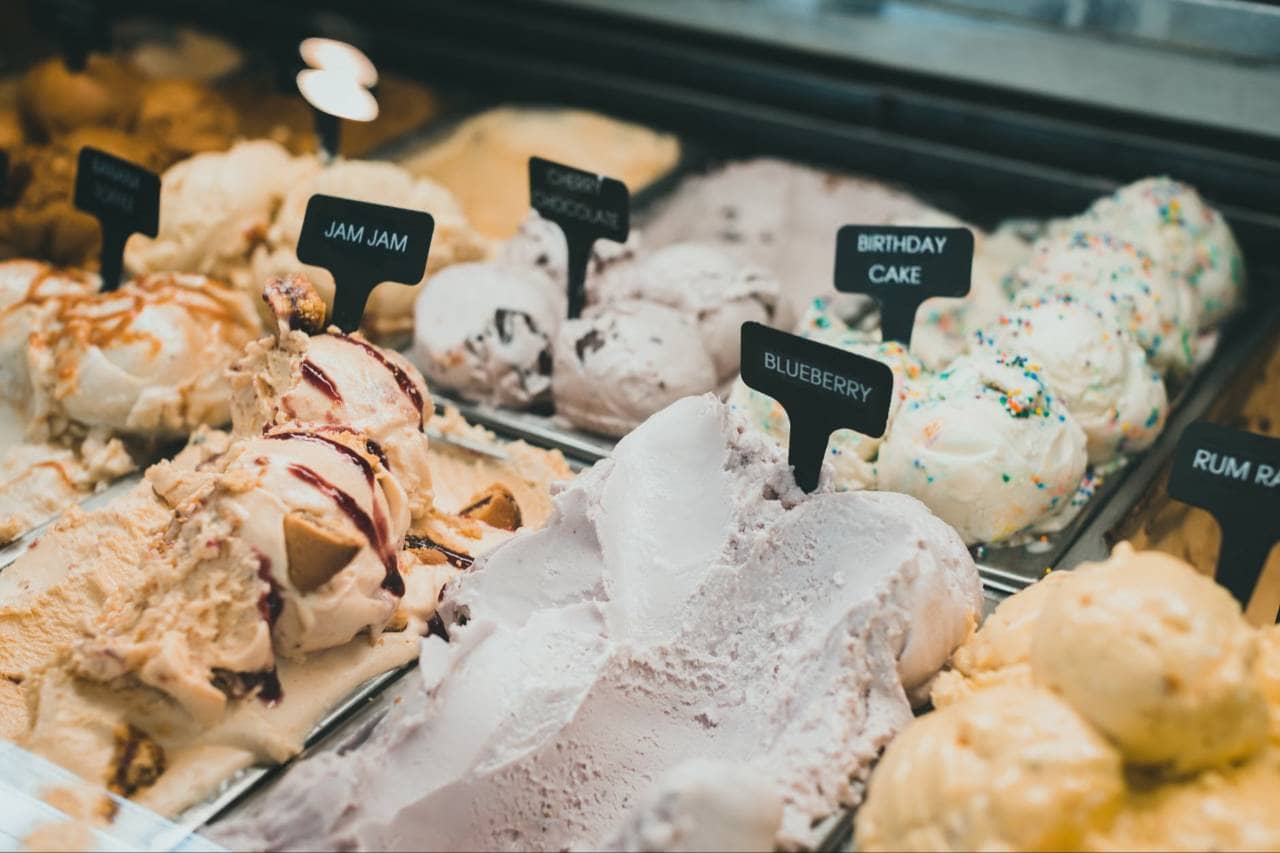
Learn the startup costs of opening an ice cream shop, including rent, equipment, renovations, permits, inventory, labor, marketing, and reserves.
Aug 28, 2026
RaceTrac has appointed Jill Pemberton as chief financial officer, succeeding Karla Ahlert, who moves into the newly created role of chief administrative officer.
Aug 26, 2026

A restaurant P&L statement reveals sales, expenses, and profits, helping owners manage costs, improve margins, and plan finances more effectively.
Aug 26, 2026
Learn practical ways to reduce labour costs through smarter scheduling, forecasting, productivity, cross-training, automation, overtime control, and performance monitoring strategies.
Aug 26, 2026

Levain Bakery appoints Lorna Sommerville and Taya Stenson as co-CEOs, blending operational and marketing expertise to power national expansion and innovation while staying rooted in its brand values.
Aug 25, 2026
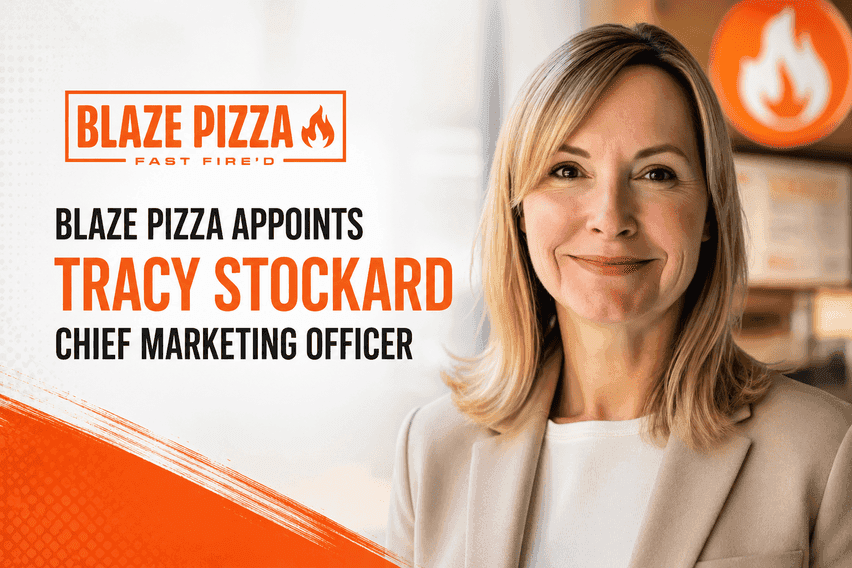
Blaze Pizza welcomes Tracy Stockard as Chief Marketing Officer, bringing decades of brand and franchise experience to drive strategic growth and guest engagement.
Aug 25, 2026

Create a practical restaurant marketing plan by setting goals, targeting customers, choosing channels, budgeting wisely, scheduling campaigns, and measuring results.
Aug 24, 2026

Unlock Exclusive Access To Webinars, Events, And The Latest News For Free!
Explore ways to increase restaurant sales during the summer slow season using menu updates, loyalty rewards, online ordering, and events.
For many restaurant owners, summer can be unpredictable. Some restaurants gain traffic from tourism, patios, and local events, while others see sales drop as regular customers travel, school schedules change, office traffic slows, and families leave their usual routines. When this happens, the summer slow season can affect revenue, labor planning, inventory, and cash flow. Owners should not wait until sales are already down to react. A slow season should be planned for before it begins. A clear marketing plan helps identify where demand may fall, which days or day-parts are weakest, and what offers can bring customers back. Before launching promotions, owners should review last summer's sales, guest counts, average check, weekday performance, lunch versus dinner traffic, takeout orders, delivery sales, and loyalty activity. This data can show whether the biggest problem is slow lunches, weak weekday dinners, fewer dine-in visits, or lower repeat traffic. Once the weak spots are clear, marketing becomes more focused. Slow lunch traffic may need quick combos or office catering. Weak dinners may need family meals, happy hour specials, or loyalty rewards. A strong summer plan helps restaurants create consistent reasons for customers to visit, order, and return.
Social media is important during the summer slow season, but it should not be the only place customers find your restaurant. Many guests make dining decisions through search engines, online maps, review platforms, websites, and online ordering pages. If your restaurant is not easy to find in those places, you may lose customers before they ever see your summer specials. A stronger digital presence helps restaurant owners capture demand from people already searching for a place to eat. This includes local customers looking for lunch, families searching for takeout, tourists looking for nearby restaurants, and office workers checking menus before ordering. During a slow season, these small search moments matter because every visit, order, and reservation can help protect sales. Restaurant owners should review digital performance in a structured way - 1. Google Business Profile visibility - Check whether your hours, phone number, menu link, photos, online ordering link, and address are accurate. If customers search for "restaurants near me," "lunch near me," or "takeout near me," your listing should give them enough information to choose your restaurant quickly. 2. Website traffic and menu views - Track how many people visit your website, which menu pages they view, and whether they click to order online, call, or get directions. If traffic is high but orders are low, the problem may be unclear offers, outdated menus, poor mobile design, or too many steps to place an order. 3. Online ordering conversion - Review how many customers start an online order compared to how many complete it. A drop-off may show that pricing, menu layout, fees, wait times, or checkout friction are hurting sales. During summer, direct online ordering should be simple, fast, and promoted clearly. 4. Review activity and ratings - Recent reviews can influence whether new customers choose your restaurant. Owners should monitor review volume, average rating, response time, and common feedback themes. If customers mention slow service, incorrect hours, or confusing pickup instructions, those issues should be fixed quickly. 5. Local search keywords - Restaurants should think beyond their name. Customers may search for terms such as "family dinner," "patio dining," "summer drinks," "best lunch," "happy hour," or "delivery nearby." Website pages, menu descriptions, Google updates, and online profiles should reflect the offers customers are likely searching for. A strong digital presence turns online searches into real orders, reservations, and visits. During the summer slow season, that visibility can help fill traffic gaps without relying only on discounts or daily social media posts.

Email marketing is one of the most direct ways to reach customers during the summer slow season. Unlike social media, where posts may or may not appear in a customer's feed, email gives restaurant owners a direct line to people who have already shown interest in the business. These may be loyalty members, past online ordering customers, catering contacts, birthday club members, or guests who signed up through the restaurant's website. The value of email is that it can be targeted. Instead of sending the same message to everyone, restaurant owners can group customers based on behavior. For example, one campaign can target guests who have not visited in 30 days. Another can promote family meal bundles to takeout customers. A separate campaign can highlight lunch specials for nearby office workers or weekend offers for loyal dinner guests. A strong summer email campaign should focus on clear actions - 1. Bring back inactive customers - Send a simple "We miss you" offer to customers who have not ordered or visited recently. This can include a limited-time discount, free appetizer with purchase, or bonus loyalty points. 2. Promote weekday specials - If sales data shows that Monday through Thursday traffic is weak, use email to promote weekday-only lunch combos, happy hour deals, or family dinner bundles. 3. Highlight seasonal menu items - Summer is a good time to promote cold beverages, lighter meals, fresh salads, grilled items, frozen desserts, and limited-time flavors. Email gives owners space to explain what is new and why customers should try it now. 4. Support delivery and takeout order - Email campaigns can remind customers that they do not have to dine in to support the restaurant. Promote online ordering links, curbside pickup, direct ordering, family meals, and catering trays. 5. Create urgency with short deadlines - Offers should have a clear time frame. For example, "Available this week only," "Valid Monday through Thursday," or "Order by Friday." Urgency helps customers act instead of delaying the visit. Restaurant owners should also track the results of every email campaign. Key numbers include open rate, click rate, offer redemption, online orders, reservations, and sales tied to the promotion. If a family meal email drives more orders than a dine-in discount, that is useful information for the next campaign.
Social media is still one of the fastest ways to keep your restaurant visible during the summer slow season. Customers may not be thinking about where to eat as often because they are traveling, spending time outdoors, or changing their normal routines. A consistent social media plan helps remind them that your restaurant has something worth coming in for now. The key is to avoid posting randomly. Restaurant owners should use social media to support specific sales goals. If lunch traffic is slow, promote lunch combos. If weekday dinner sales are weak, highlight family meals or happy hour specials. If patio seating, frozen drinks, seasonal desserts, or limited-time menu items are available, make those offers easy to see and easy to act on. Strong summer social media content can include - 1. Seasonal food and drink photos - Post clear, bright photos of summer menu items such as salads, grilled dishes, cold beverages, iced coffee, smoothies, frozen cocktails, desserts, and shareable appetizers. Visual content should make customers want to visit or order immediately. 2. Short-form videos - Use quick videos to show food being prepared, drinks being poured, patio seating, staff recommendations, or limited-time specials. Short videos work well because they can quickly communicate freshness, flavor, and urgency. 3. Limited-time promotions - Promote offers such as weekday lunch deals, happy hour specials, kids-eat promotions, summer bundles, and loyalty rewards. Each post should include the offer, valid dates, and how customers can order or visit. 4. User-generated content - Encourage guests to tag the restaurant when they post photos or videos. Reposting customer content can build trust and give the restaurant more authentic content without creating everything from scratch. 5. Local event tie-ins - Connect posts to nearby concerts, sports games, festivals, farmers markets, school breaks, or community events. For example, restaurants can promote pre-event meals, post-event desserts, or takeout bundles for families heading to local activities. Restaurant owners should also review social media performance instead of only focusing on likes. Better metrics include profile visits, link clicks, menu views, calls, direct messages, online orders, reservations, and offer redemptions. If a post gets attention but does not drive action, the message may need a clearer call to action.
A summer menu refresh can help restaurants attract attention during the slow season, but menu changes should not be based on guesswork. New items may look exciting, but they can also increase food costs, slow down the kitchen, create waste, or confuse customers if they are not planned carefully. Restaurant owners should use data to decide which summer menu updates are worth testing. The first step is reviewing menu performance. Look at item sales, profit margins, food cost percentage, prep time, waste, and customer feedback. A menu item that sells often but has a weak margin may need a price adjustment, portion review, or ingredient change. An item with strong margins but low visibility may need better placement on the menu, stronger descriptions, or more promotion through email and social media. During summer, customers often look for items that feel lighter, faster, colder, or easier to share. This can include fresh salads, grilled proteins, cold beverages, iced coffee, frozen drinks, seasonal desserts, wraps, bowls, fruit-based items, and shareable appetizers. Restaurants can also use summer ingredients to create limited-time specials without completely changing the full menu. A data-driven menu refresh should focus on - 1. High-margin seasonal items - Add items that are appealing to customers but still protect profitability. Cold drinks, add-ons, appetizers, desserts, and bundles can often increase average check when priced correctly. 2. Operational simplicity - Choose items that fit current kitchen workflows. If a new summer item requires too many ingredients, special training, or extra prep time, it may hurt speed of service during busy periods. 3. Existing ingredient usage - Build specials around ingredients already used in the kitchen. This helps reduce waste, control inventory, and avoid adding too many new products for a short seasonal period. 4. Customer behavior by day-part - Use sales data to match menu updates to demand. If lunch is slow, test lighter lunch combos. If dinner traffic drops, try family bundles. If late afternoon sales are weak, promote snacks, beverages, or happy hour items. 5. Limited-time testing - Instead of making permanent menu changes right away, test new items for a few weeks. Track sales, margin, ticket impact, waste, and guest response before deciding whether to keep, remove, or adjust the item. A smart summer menu refresh gives customers something new to notice without creating unnecessary complexity. When restaurant owners use data to guide menu innovation, they can build offers that increase traffic, improve average check, and protect margins during the summer slow season.
During the summer slow season, not every customer wants to dine in. Hot weather, vacations, family schedules, outdoor activities, and changing work routines can all reduce dining room traffic. However, lower dine-in traffic does not always mean lower demand. Some customers may still want restaurant meals, but they may prefer delivery, takeout, curbside pickup, or family meal bundles they can enjoy at home. For restaurant owners, delivery and takeout can help protect sales when fewer customers are walking through the door. The key is to treat off-premise dining as a planned revenue stream, not just an extra service. Owners should review order history, average check, delivery app sales, direct online orders, pickup volume, packaging costs, and item-level profitability before creating summer offers. A strong delivery and takeout plan should focus on - 1. Direct online ordering - Encourage customers to order through the restaurant's own website whenever possible. Direct orders can help reduce third-party commission costs, give owners better access to customer data, and make it easier to promote repeat visits through email or loyalty offers. 2. Family meal bundles - Summer schedules can be busy for families. Bundled meals, group platters, and easy takeout dinners can help customers avoid cooking while increasing average check size. These offers should be simple to prepare, easy to package, and profitable. 3. Delivery-friendly menu items - Not every item travels well. Restaurants should promote items that hold temperature, maintain texture, and arrive in good condition. If a dish becomes soggy, spills easily, or loses quality quickly, it may hurt repeat orders. 4. Curbside and pickup convenience - Pickup should be fast and clear. Customers need accurate wait times, simple pickup instructions, visible signage, and a smooth handoff process. A poor pickup experience can discourage customers from ordering again. 5. Takeout-only summer specials - Restaurants can create offers designed specifically for off-premise customers, such as picnic meals, beach-day bundles, office lunch boxes, catering trays, or weekday family dinners. These specials give customers a reason to order even when they are not planning to dine in. Owners should also track whether delivery and takeout are truly improving sales or simply shifting customers from one channel to another. Important metrics include order count, average ticket, food cost, packaging cost, delivery fees, third-party commissions, direct order percentage, repeat order rate, and customer feedback.
Limited-time offers can help restaurants create urgency during the summer slow season. When customers are busy with vacations, outdoor activities, school breaks, or changing schedules, they may need a clear reason to choose your restaurant now instead of later. A well-planned offer gives them that reason without forcing the restaurant to discount everything on the menu. The most effective summer offers are specific, easy to understand, and tied to a business goal. For example, if Monday and Tuesday dinner sales are weak, the offer should target those days. If lunch traffic is down, the promotion should focus on quick lunch combos or takeout meals. If average check is low, the offer should encourage add-ons, beverages, desserts, or bundles. Restaurant owners can use several types of limited-time promotions - 1. Weekday-only specials - Create offers for slower days instead of giving discounts during already busy periods. Monday-through-Thursday lunch deals, happy hour menus, or early dinner specials can help fill traffic gaps. 2. Seasonal menu promotions - Promote summer items such as cold drinks, frozen desserts, salads, grilled items, seafood dishes, or shareable appetizers. These offers feel timely and give customers something new to try. 3. Bounce-back coupons - Give customers a reason to return after their current visit. For example, a guest who dines in this week could receive an offer for their next weekday lunch or takeout order. 4. Loyalty rewards - Use loyalty programs to increase repeat visits. Double-points days, visit challenges, birthday rewards, and exclusive member offers can encourage customers to come back more often without relying only on public discounts. 5. Family and group bundles - Summer often changes household routines. Family meals, group platters, picnic bundles, and takeout dinner packages can help increase average ticket while making the decision easier for customers. Restaurant owners should measure each offer carefully. Important numbers include redemption rate, guest count, average check, food cost, discount amount, loyalty sign-ups, repeat visits, and sales by day-part. A promotion that increases traffic but lowers profit too much may need to be adjusted. A smaller offer that brings in repeat customers and protects margins may be more valuable.
Local activity can help restaurants bring in more customers during the summer slow season. Even when regular traffic slows down, people may still be attending concerts, festivals, sports games, farmers markets, community events, hotel activities, school programs, and outdoor gatherings. Restaurant owners can use these events to create timely marketing campaigns that connect with what customers are already doing. The key is to plan around the local calendar. Instead of waiting for customers to walk in, owners should identify events that can create demand before, during, or after the activity. For example, a restaurant near a concert venue can promote pre-event dinner specials. A family restaurant can offer takeout bundles before local sports tournaments. A cafe can promote cold drinks or breakfast specials during farmers market weekends. A restaurant near hotels can create offers for tourists looking for convenient meals. Partnerships can also help increase visibility. Restaurants can work with nearby businesses, hotels, gyms, schools, event organizers, apartment communities, and local offices to promote summer offers. These partnerships may include flyers, email mentions, catering packages, referral discounts, QR codes, or co-promoted specials. The goal is to reach customers in places where they already spend time. However, local marketing should be measured carefully. Restaurant owners should track which campaigns actually increase traffic and sales. Important metrics include guest count, sales by day-part, average check, offer redemptions, online orders, catering inquiries, loyalty sign-ups, website visits, calls, reservations, and new customer visits. If a campaign brings in traffic but lowers profit too much, the offer may need to be adjusted. Owners should also compare campaign performance by channel. For example, did the email campaign drive more online orders than the social media post? Did the hotel partnership bring in new dinner guests? Did the event-day special increase average check? Did loyalty members return after receiving a summer offer? These answers help owners decide what to repeat, improve, or stop. A strong summer marketing plan should not end when the promotion ends. Each campaign should teach the restaurant something about customer behavior. By tracking results, owners can build a better plan for the next slow week, holiday weekend, or seasonal shift. The restaurants that manage summer best are not just creating offers. They are learning which marketing ideas increase traffic, protect margins, and turn slow-season activity into repeatable sales.
