
Restaurant Technology Trends in 2026
Explore restaurant technology trends in 2026, including AI, automation, digital ordering, workforce tools, connected kitchens, personalization, and profitability strategies today.
Technology
Aug 28, 2026
Explore restaurant technology trends in 2026, including AI, automation, digital ordering, workforce tools, connected kitchens, personalization, and profitability strategies today.
Aug 28, 2026
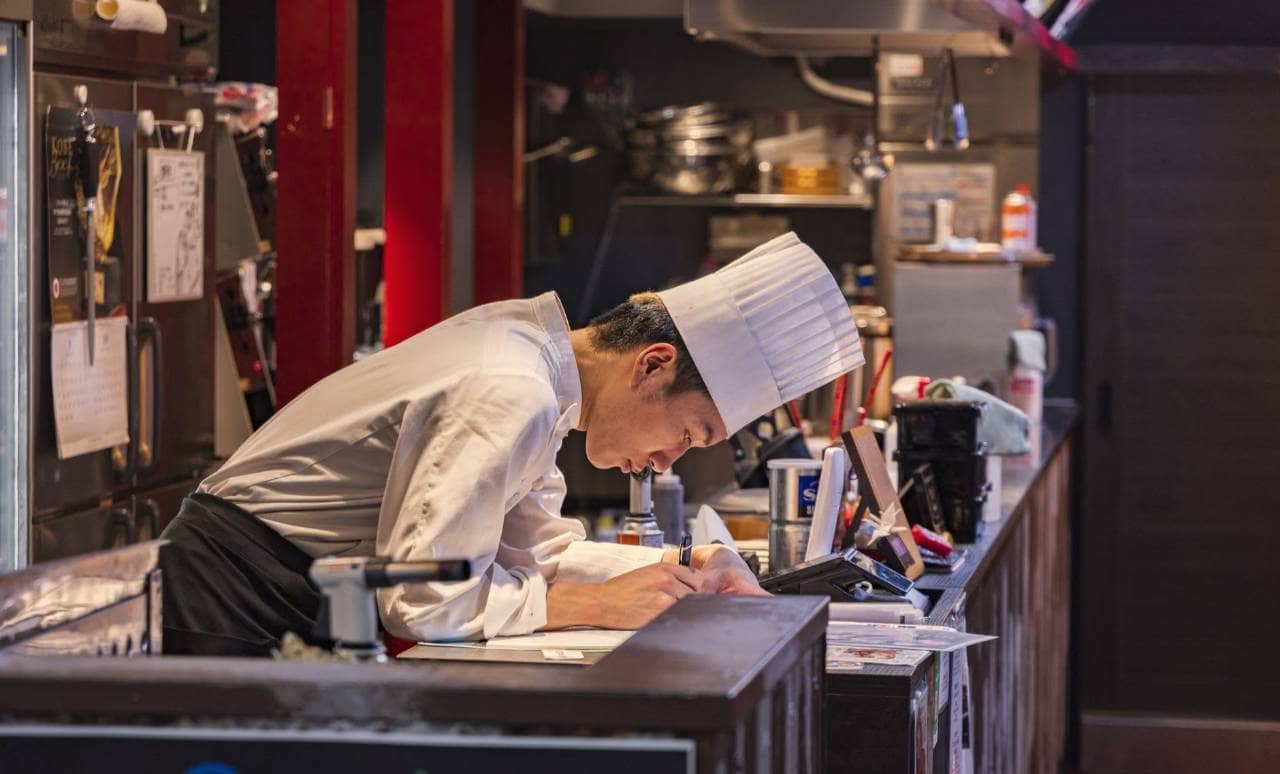
Learn how to calculate restaurant cost of goods using inventory, purchases, COGS percentage, variance reviews, and regular tracking for profitability.
Aug 31, 2026
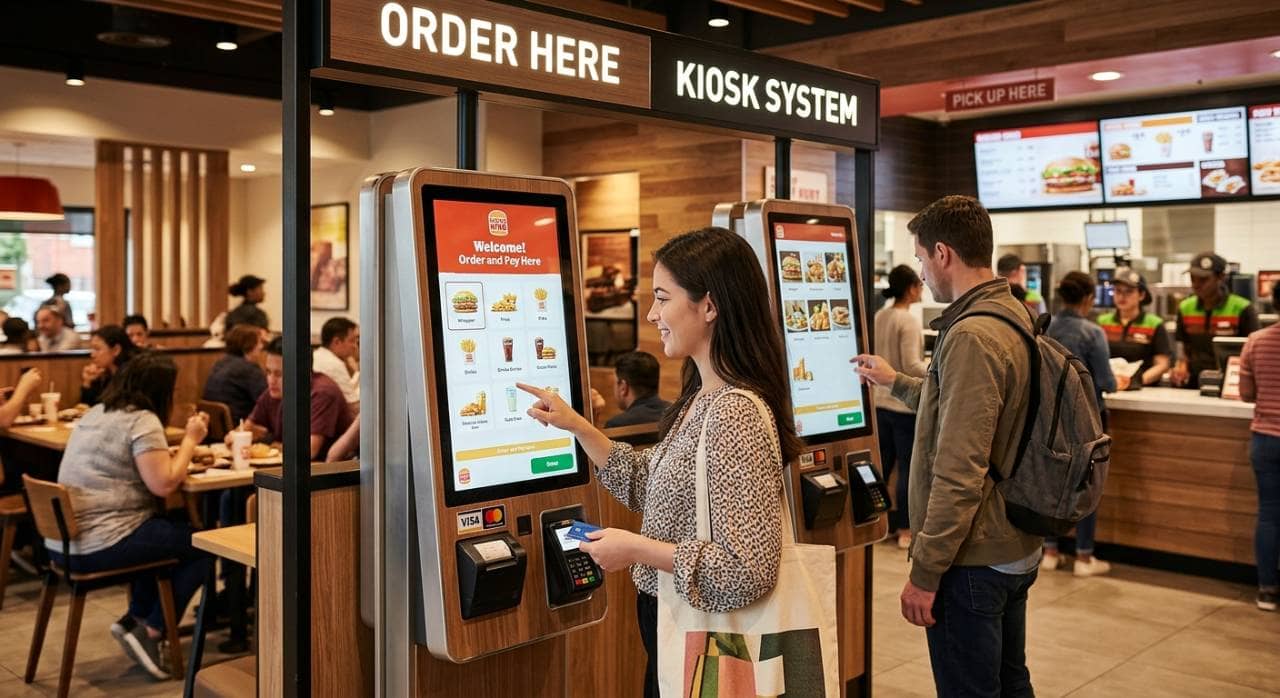
Understand how to evaluate a Kiosk system using key criteria including features, POS integration, hardware, pricing, customer experience, and support.
Aug 31, 2026
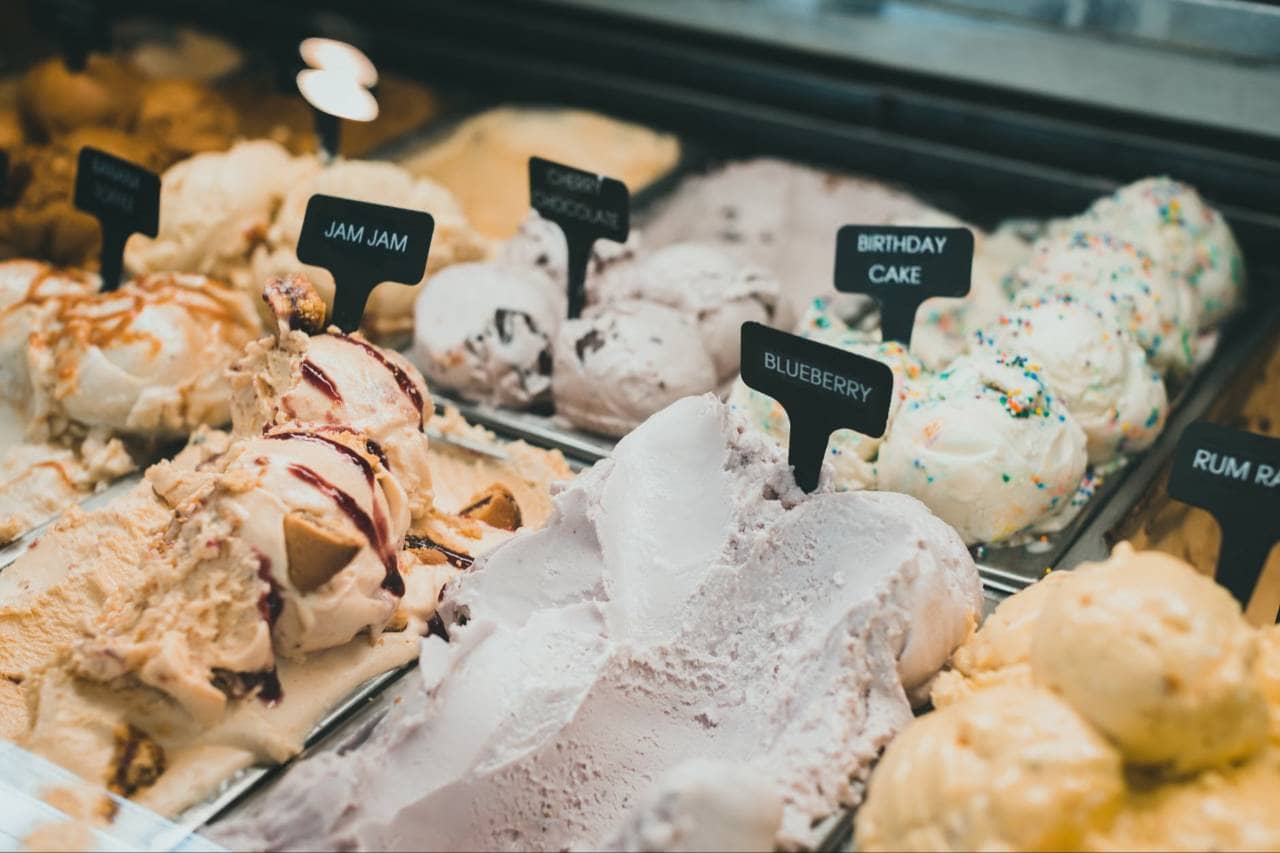
Learn the startup costs of opening an ice cream shop, including rent, equipment, renovations, permits, inventory, labor, marketing, and reserves.
Aug 28, 2026

A restaurant P&L statement reveals sales, expenses, and profits, helping owners manage costs, improve margins, and plan finances more effectively.
Aug 26, 2026
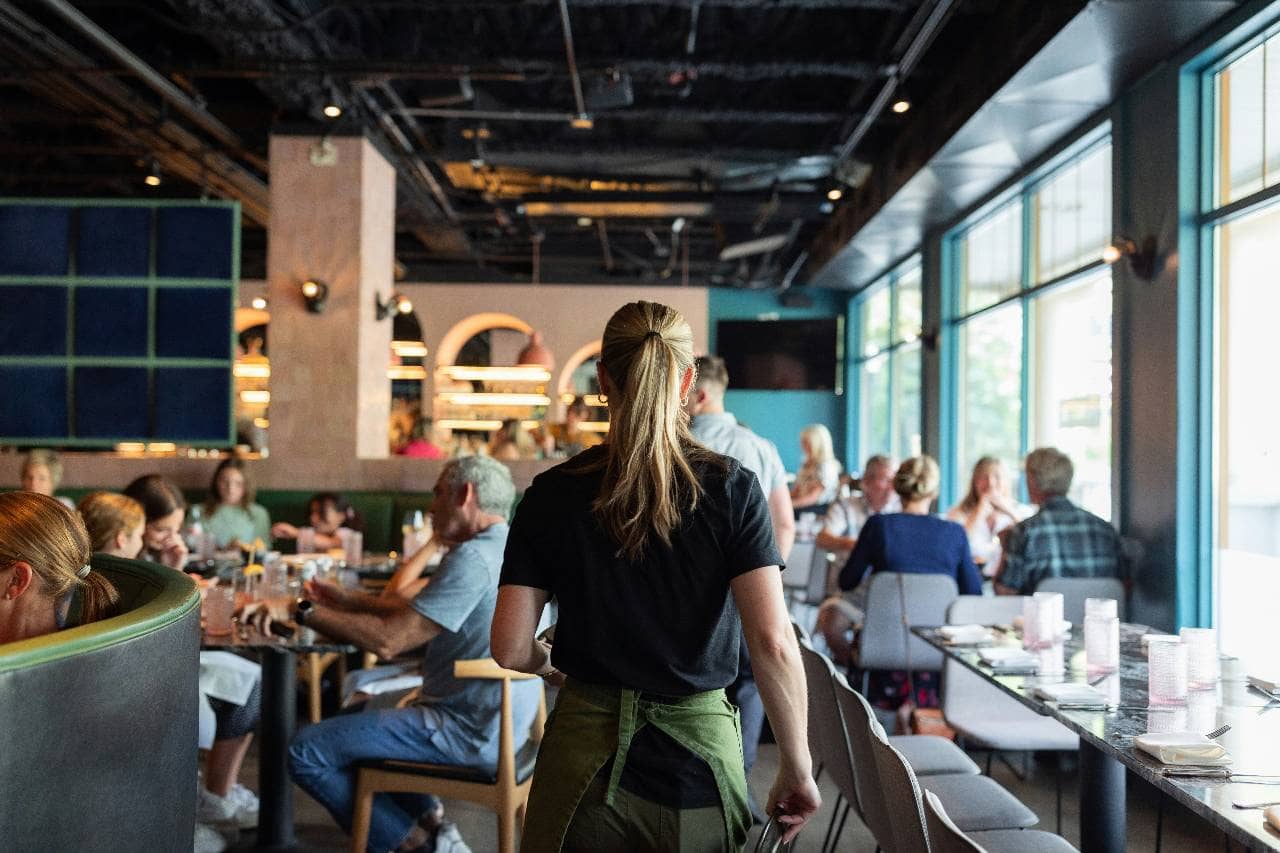
Learn practical ways to reduce labour costs through smarter scheduling, forecasting, productivity, cross-training, automation, overtime control, and performance monitoring strategies.
Aug 26, 2026
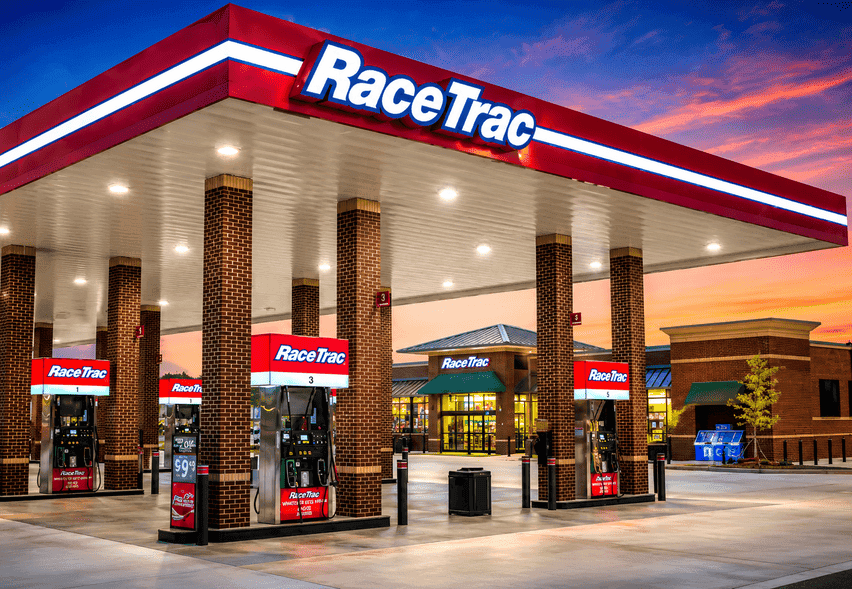
RaceTrac has appointed Jill Pemberton as chief financial officer, succeeding Karla Ahlert, who moves into the newly created role of chief administrative officer.
Aug 26, 2026
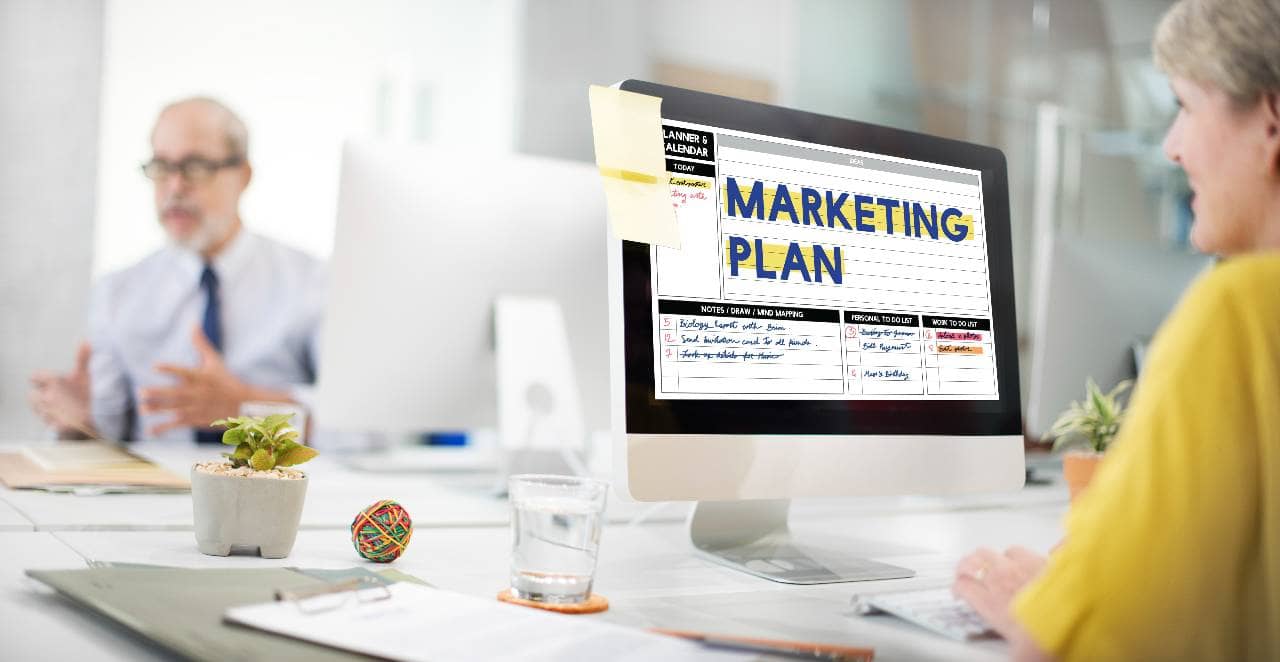
Create a practical restaurant marketing plan by setting goals, targeting customers, choosing channels, budgeting wisely, scheduling campaigns, and measuring results.
Aug 24, 2026
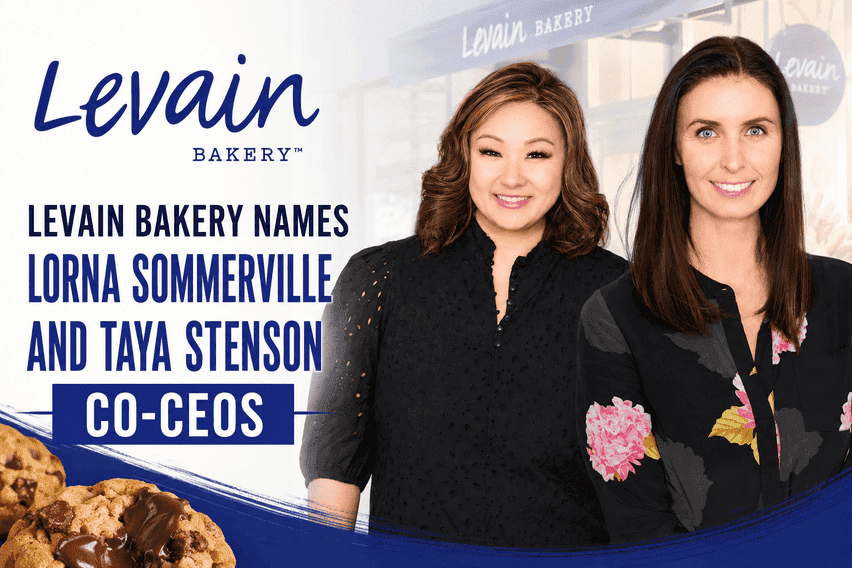
Levain Bakery appoints Lorna Sommerville and Taya Stenson as co-CEOs, blending operational and marketing expertise to power national expansion and innovation while staying rooted in its brand values.
Aug 25, 2026
A payroll advance policy helps restaurant owners define eligibility, limits, repayment, documentation, approval procedures, and compliance requirements for employee advances.
Aug 24, 2026

Unlock Exclusive Access To Webinars, Events, And The Latest News For Free!
The return of Starbucks’ Pumpkin Spice Latte reasserts market leadership while testing new operational muscles—labor investments, mobile sequencing, and stock-keeping tools—against a tougher competitive set and mixed traffic signals.

Photo by Niels Kehl
Each year, the Pumpkin Spice Latte returns not as a mere menu item but as a market message, turning a limited-time offering into a carefully timed statement of intent. The launch reads like a composed plate, balanced in timing, nourishing to brand narrative, arriving exactly when consumers and competitors are most alert to the season’s first sip. Shira Petrack, Placer.Ai’s head of content, distilled the point with sharp clarity: “[Starbucks] sets the benchmark for the entire industry,” and “The brand’s ability to blend product innovation with cultural relevance reinforces its position as the undisputed leader in the seasonal beverage market.” Those words land because they tie sentiment to a visible playbook. The PSL’s reliability, its ritualized cadence and cultural relevance, signals that Starbucks can orchestrate culture, operations, and demand at scale. In a period where category expectations are shifting, the drink’s return functions like a thoughtfully staged service, reminding the market that leadership can be reaffirmed through a single, signature moment. It is familiar without feeling fatigued, a seasonal refrain tuned to keep attention while opening space for operational finesse.
The landscape around national coffee brands has grown more demanding. Mobile-focused concepts like 7 Brew and Dutch Bros emphasize speed and convenience, while Bluestone Lane leans into premium, experiential cafes. These formats tug at different habits and values, snappy drive-thrus here, leisurely ambiance there, reshaping expectations around frequency and loyalty. Amid these pressures, the PSL has become more than a drink; it is a ritual that reasserts leadership and creates a clear contrast with emerging challengers. The combination of scale, seasonal anticipation, and a product that reliably captures wide attention explains why the limited-time offer remains potent. By anchoring the sector’s most-watched seasonal window, Starbucks keeps its narrative central in a conversation rivals attempt to fragment. The ritual is not noisy; it is deliberate, a thoughtful cadence that reminds both fans and competitors where the category’s seasonal heartbeat is set.
This season’s PSL is as much an operational showcase as a brand moment. Leadership pointed to tactical changes that underpin performance, including increased investment in labor hours through the Green Apron Service plan. Those added hours are designed to support the in-store experience and throughput during peak demand, turning the PSL window into a high-profile proving ground for the model. The chain is also highlighting mobile order sequencing and new stock-keeping tools, with the aim of optimizing order flow, keeping popular ingredients and merchandise properly stocked, and reducing friction across digital and cafe channels when volumes spike. The intended outcome is “consistency, reliability, and speed” when customers arrive expecting seamless service. In practice, these choices align story with system, a balanced approach where cultural resonance is paired with disciplined execution so the moment feels effortless rather than improvised.
Petrack’s framing elevates the PSL from novelty to institution, a ritualized release that shapes behaviors and builds anticipation because it is repeatedly and reliably executed. Her claim that “The brand’s ability to blend product innovation with cultural relevance reinforces its position as the undisputed leader in the seasonal beverage market” links a decade-plus tradition to current operational choices. The connective tissue is the mechanics: how orders are sequenced, how items are stocked, how peak-hour service is staffed, all to make a complex surge feel smooth. Taken together, the Green Apron Service plan’s labor investments, mobile order sequencing, and new stock-keeping tools give substance to the assertion that “[Starbucks] sets the benchmark for the entire industry.” Leadership here is not a halo floating above the brand; it is the quiet choreography of throughput and accuracy. In a season often fueled by hype, the company is using its most watched moment to demonstrate that disciplined systems can make anticipation feel grounded, balanced, and dependable.
The cultural wattage of the PSL does not automatically resolve performance challenges. It remains unclear whether this year’s launch will lift Starbucks out of a long-running traffic and same-store sales slump. Placer.ai found traffic was “on par with the 2024 launch.” That suggests the brand-defining moment, while strong, may not yet be translating into incremental visits, even as labor hours, sequencing, and stock-keeping are tuned for the surge. The broader demand environment is tough, reinforced by the rise of nimble drive-thru specialists and premium experiential concepts. And yet the calendar favors the PSL, which presents the strongest opportunity to shake off malaise in the back half of 2025. Within that window, the view that “[Starbucks] sets the benchmark for the entire industry” and remains “the undisputed leader in the seasonal beverage market” becomes more than a boast; it becomes a foundation for the incremental gains the company seeks. The signal is potent, but the translation into durable traffic is the test.
The competitive set is diverse, and the differentiation play is clear. 7 Brew and Dutch Bros concentrate on speed and mobile-centric convenience, while Bluestone Lane emphasizes premium, experiential cafes. Starbucks counters by anchoring attention through ritual and anticipation, using a culturally resonant LTO to keep the brand’s seasonal narrative front and center. That centrality is not incidental; it is supported by practical operational choices. Friction is reduced across digital and cafe channels, and throughput and inventory practices are tuned to minimize disappointment when demand peaks. The result is a seasonal moment that feels orchestrated rather than accidental, familiar yet refreshed, like a thoughtfully plated dish where each element has a role. In a fragmented field, this approach offers a nourishing clarity: leadership expressed through a ritual that integrates experience, expectation, and execution.

Certain truths are established this season. The PSL acts as a signal and a stress test. Concrete adjustments, additional labor hours, mobile order sequencing, and new stock-keeping tools, are in place to backstop promises of consistency and speed. And traffic so far is “on par with the 2024 launch,” an important calibration point for expectations. What remains unresolved is the degree to which these enhancements can convert anticipation into durable gains. There are no outcomes cited beyond mixed performance signals and the observation that the back half of 2025 offers the strongest window for recovery. The implication is pragmatic: execution may be necessary but not sufficient, because demand realities and competitive dynamics set boundaries around what any single seasonal window can deliver. The ritual, while resonant, must be paired with a steady cadence of operational wins to move from moment to momentum.
The PSL’s enduring pull shows how product innovation paired with cultural relevance can define a category and reinforce benchmark status. This year, the story is buttressed by operational discipline: Green Apron Service labor investments, mobile order sequencing, and stock-keeping tools designed to make the ritual feel effortless. In practical terms, “consistency, reliability, and speed” are positioned as necessary complements to cultural resonance, giving the brand its best shot at turning a symbolic win into measurable gains. The lesson is quietly powerful. A seasonal spike can be a thoughtfully composed starting point, but sustained recovery requires the everyday craft of sequencing, stocking, and service, choices that turn anticipation into trust. The coming quarters will show whether a brand-defining tradition can also be an operational engine, and whether the company that “sets the benchmark for the entire industry” can translate that benchmark into durable momentum when the seasonal spotlight fades. Leadership, in this framing, is a balanced practice: ritual meeting rigor, story meeting system, until the experience feels both familiar and freshly nourishing.