Fresh Kitchen Hires Veterans to Scale Clean-Label Bowls
Fresh Kitchen names Bill Knopf and Matt Livingston to lead operations and development as the clean-label bowl brand targets growth beyond 100 locations.
news
Jul 18, 2026
Fresh Kitchen names Bill Knopf and Matt Livingston to lead operations and development as the clean-label bowl brand targets growth beyond 100 locations.
Jul 18, 2026

Hardee’s franchisee Superior Star filed Chapter 11 after a 2023 deal revealed unpaid taxes, costly repairs, and lease burdens; plans to reject leases and refocus.
Jul 18, 2026

Cinnabon posted a net gain of 308 U.S. units in 2025 and launched Seattle’s Best Coffee in 2026 to boost beverage mix, margins, and franchise-driven expansion.
Jul 18, 2026

Craveworthy taps master franchisee Unisan Bowls to launch Genghis Grill and Dirty Dough in India, targeting Hyderabad first amid tight U.S. financing.
Jul 17, 2026

Buffalo Wild Wings launches Poppin’ Ranch, a 99-cent popping-candy ranch add-on, designed to spark sensory buzz and impulse trials ahead of Wing Day.
Jul 17, 2026

Wonder closed a $650M Series D at a $9B valuation to expand locations and invest in robotics, AI, and delivery tech, accelerating its automation-first restaurant model.
Jul 17, 2026
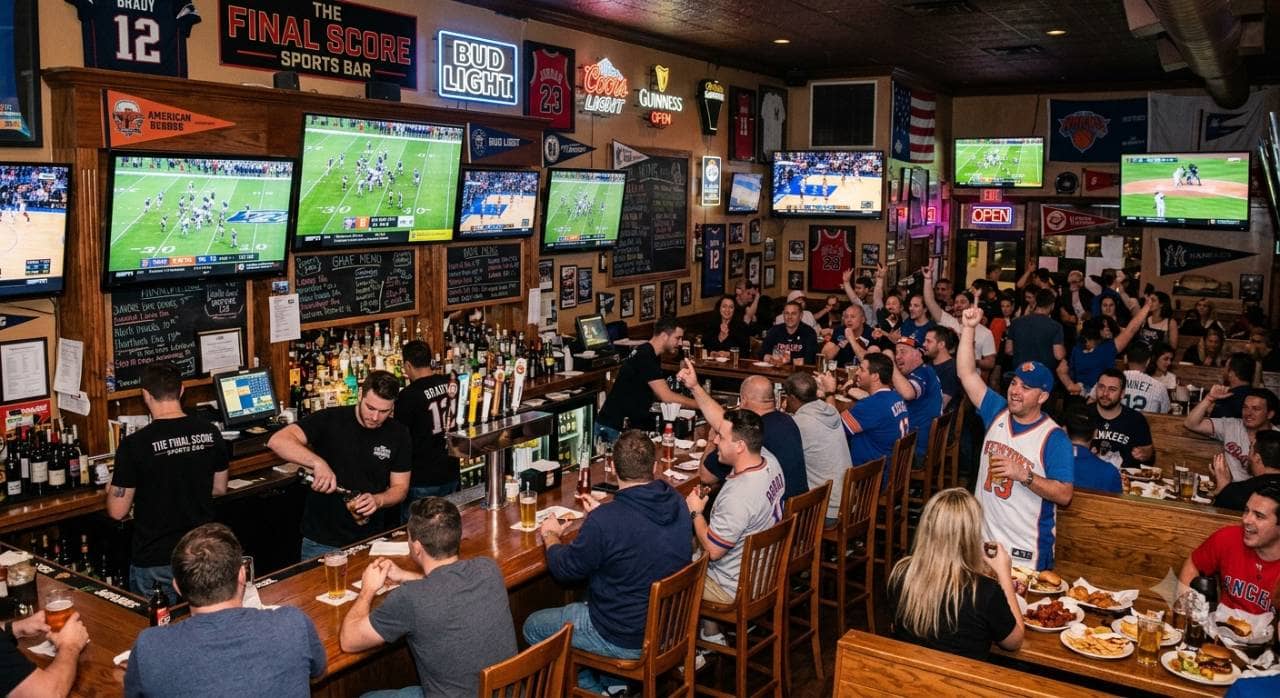
Understand sports bar startup expenses, including location, construction, kitchen equipment, televisions, licenses, insurance, staffing, supplies, and cash reserves for operations.
Jul 16, 2026
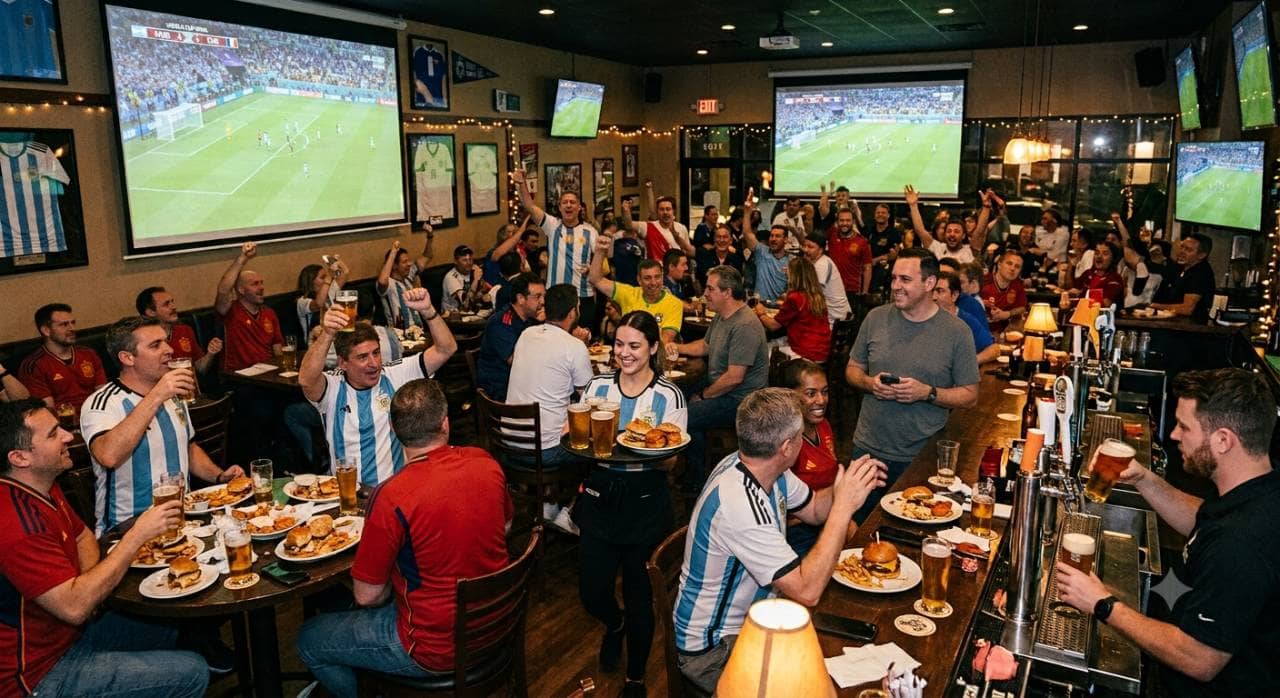
Learn how to increase restaurant sales during the World Cup final through smarter planning, staffing, promotions, inventory, menus, and operations.
Jul 16, 2026

Mother-daughter duo Ciara Boyce and Tracey Pidge bring Hotworx to Wasilla, the first of four Alaska studios, extending a fast-growing 800+ location brand.
Jul 16, 2026
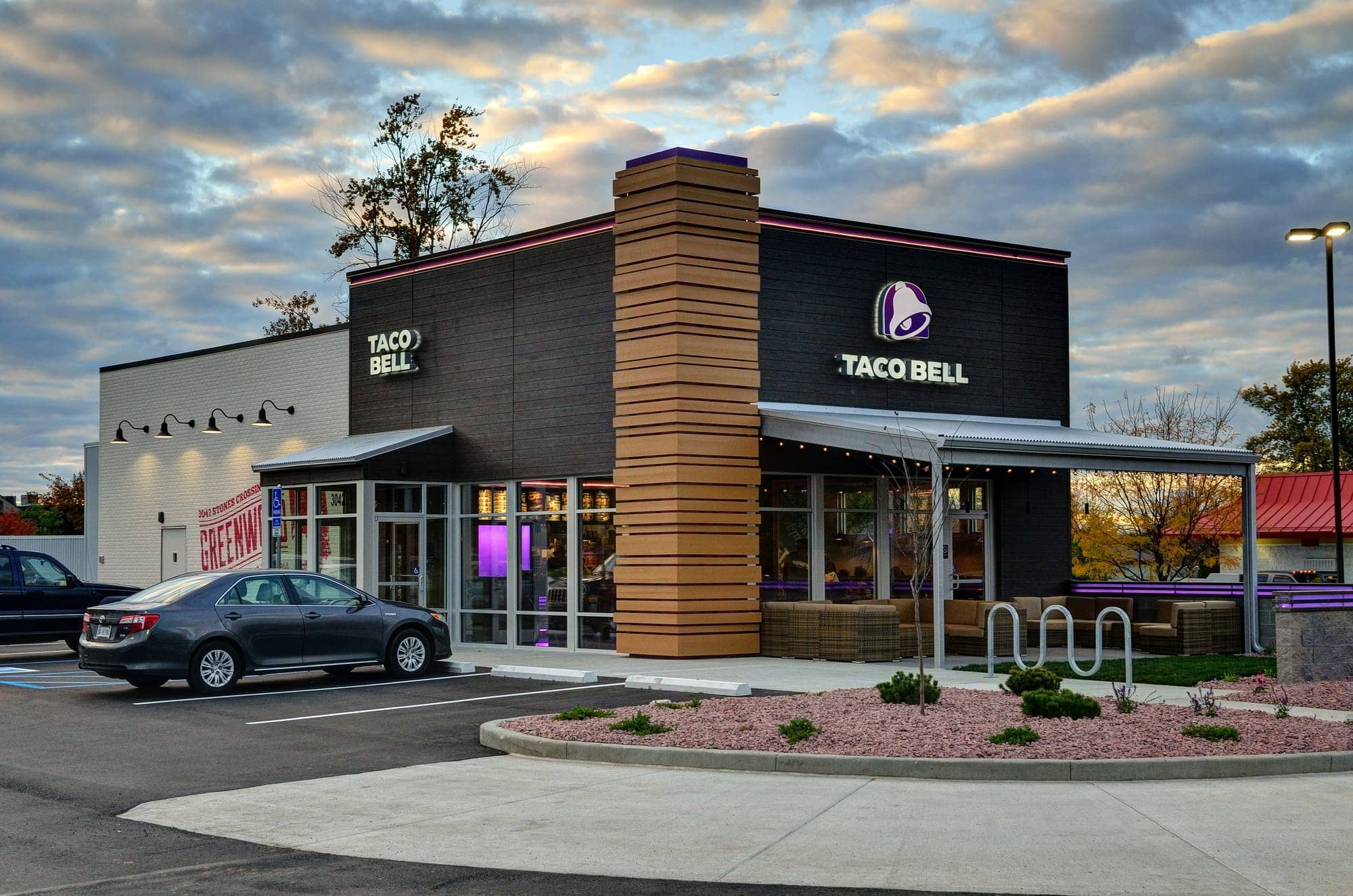
One of the largest U.S. Cyclospora outbreaks hits 34 states; Taco Bell pulls produce in Michigan as FDA and CDC trace the source.
Jul 16, 2026
Explore the impact of McDonald’s departure from the NRA on the minimum wage debate in the restaurant industry and the implications for QSR brands and tipping practices.
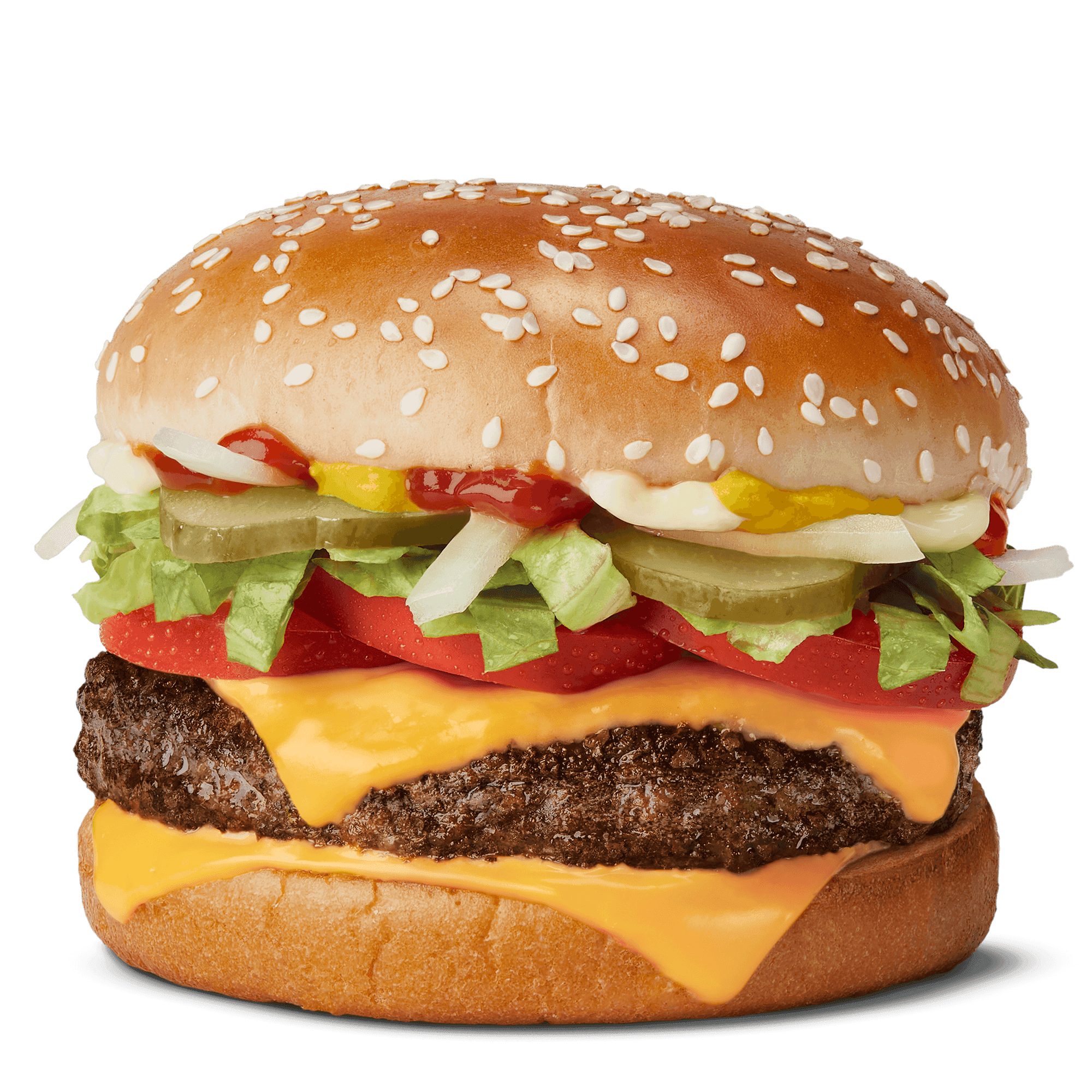
The recent shift in McDonald’s stance on the minimum wage, particularly the disparities in pay between tipped and non-tipped workers, highlights the different priorities among various segments of the restaurant industry. As Quick Service Restaurant (QSR) brands like McDonald’s face heightened competition from casual dining chains, which often have different payment structures including tips, the debate around wage equality and fair compensation gains prominence.
McDonald’s CEO, Kempczinski, emphasized the need for a unified approach to minimum wage, advocating for equal pay regardless of tipping practices. States like California, Minnesota, Nevada, and Washington have already implemented laws requiring employers to pay the full state minimum wage, showcasing positive outcomes such as reduced poverty levels and improved retention rates. The divergence in views between McDonald’s and the NRA, especially regarding the preservation of the tip credit, signifies a significant ideological departure within the industry.

The rift between McDonald’s and the NRA signals a potential seismic shift in restaurant politics, particularly in the context of legislative battles like AB 257 in California. The substantial financial investments made by both McDonald’s and the NRA in opposing certain wage-related legislation underscore the differing approaches to labor practices within the industry. The departure of McDonald’s from the NRA highlights the growing tension over wage policies and the role of industry associations in representing diverse viewpoints.
Groups like One Fair Wage, which advocate for the elimination of the tip credit system, view the current wage disparities as unjust. By emphasizing the need for a standardized minimum wage across all states and industries, the discussion around fair compensation and worker rights gains momentum. The call for eliminating the subminimum wage system that relies on tips to supplement income underscores broader societal debates on labor practices and income equality.