
8 Steps in the Restaurant Payroll Process
Learn the eight essential steps of the restaurant payroll process, from tracking hours and calculating wages to payments and recordkeeping.
Payroll
Aug 17, 2026
Learn the eight essential steps of the restaurant payroll process, from tracking hours and calculating wages to payments and recordkeeping.
Aug 17, 2026

Explore the main types of ordering technology restaurants use to improve accuracy, speed, payments, customer convenience, and operational efficiency daily.
Aug 17, 2026
Panera Bread welcomes Andrew Rebhun as its new CMO to spearhead strategic brand growth and transformation, bolstering its vision for 2028.
Aug 17, 2026

Discover how restaurant SMS marketing works, from building subscriber lists and creating campaigns to improving engagement and measuring marketing performance.
Aug 14, 2026
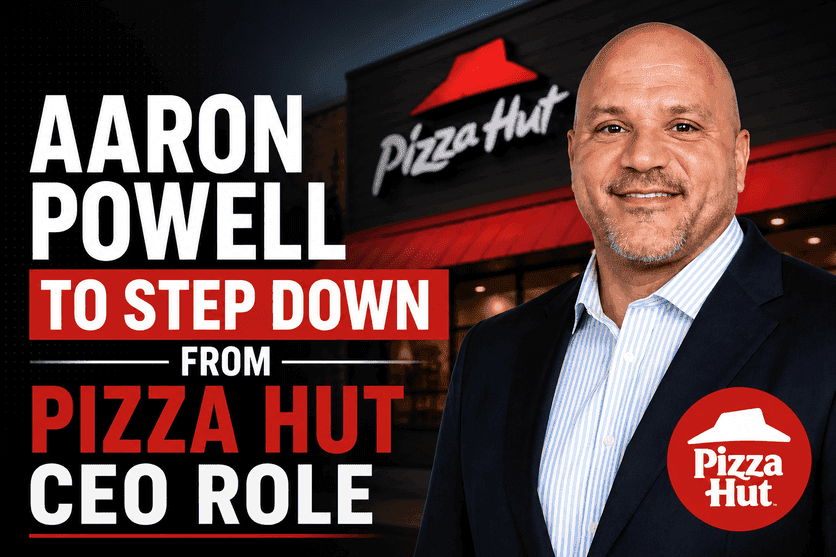
The transition of Pizza Hut's CEO, Aaron Powell, marks a pivotal moment for the chain and offers valuable leadership lessons for restaurant owners. Here’s what this executive change could mean for your business.
Aug 17, 2026

Learn how to manage cash flow in your restaurant by tracking finances, controlling costs, forecasting needs, and building cash reserves.
Aug 14, 2026

Increase online orders by simplifying checkout, optimizing menus, improving Google visibility, promoting ordering channels, and encouraging customers to order again.
Aug 12, 2026

Streamline restaurant back office operations by standardizing workflows, automating repetitive tasks, integrating systems, centralizing data, and improving accountability and efficiency.
Aug 12, 2026
Freddy’s Frozen Custard & Steakburgers promotes Rick Petralia to Executive Chef & VP of Training & Innovation, signaling a strategic focus on culinary excellence and franchisee support.
Aug 12, 2026

McDonald’s USA has appointed Patrick Gerber as chief restaurant officer, leveraging his decades of global experience to boost operations, food quality, and customer satisfaction in the U.S. market.
Aug 11, 2026

Unlock Exclusive Access To Webinars, Events, And The Latest News For Free!
Payroll mistakes cost restaurant owners far more than back wages. Here is what errors actually cost, where they most commonly happen, and how to prevent them.

Ask most restaurant owners what a payroll mistake costs and they will estimate the amount of the underpayment itself the difference between what was paid and what should have been paid. That estimate is almost always wrong, and it is almost always far too low. The real cost of a payroll mistake in the restaurant industry is a compounding figure. It includes back wages, yes, but it also includes IRS penalties and interest, state agency fines, attorney fees if the matter escalates to litigation, the management time consumed responding to an audit or a claim, potential damage to your reputation as an employer at a time when recruiting and retention are already difficult, and in some cases, liquidated damages that double the original back wage liability under federal law. A single misclassified employee, a tip credit applied incorrectly, or an overtime calculation error that goes uncorrected for twelve months can translate into a five-figure or six-figure liability by the time every cost is accounted for. For an independent restaurant operating on margins of three to nine percent, that is not an inconvenience. It is an existential financial event. This guide breaks down where payroll mistakes actually happen in restaurants, what they genuinely cost when you account for every consequence, and the specific steps you can take to prevent them before they become liabilities.
Most restaurant operators think about payroll errors in terms of the underpayment amount. The regulatory and legal framework around wage violations is designed to ensure that the consequences reach considerably further than that. Federal Penalties and Liquidated Damages Under the Fair Labor Standards Act, an employer found to have violated minimum wage or overtime provisions is liable for the unpaid wages plus an equal amount in liquidated damages. This means that if your restaurant underpaid a group of employees by $20,000 in overtime over two years, the FLSA exposure is $40,000 not $20,000 before attorney fees or any additional state penalties are factored in. Liquidated damages can be avoided only if the employer can demonstrate that the violation was made in good faith and that there were reasonable grounds for believing the pay practice was lawful. In practice, this is a difficult standard to meet, particularly when the violation involved a known rule such as tip credit calculation requirements that the employer simply failed to apply correctly. The statute of limitations for FLSA violations is two years for non-willful violations and three years for willful violations. Willfulness does not require intent to violate the law it can be established by showing that the employer knew the FLSA applied to their business and failed to take steps to ensure compliance. For most restaurants, three years of back wage exposure is the realistic baseline in any enforcement action. IRS Penalties for Payroll Tax Errors Payroll tax errors carry their own penalty structure, separate from wage and hour violations. The IRS assesses failure-to-deposit penalties on a sliding scale based on how late the deposit is made.
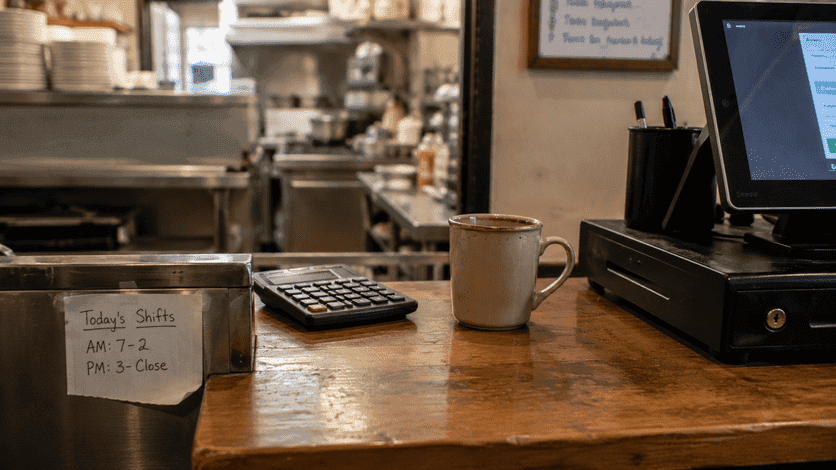
Understanding the specific failure points in restaurant payroll is the most direct path to preventing them. The following categories account for the majority of wage claims and enforcement actions in the industry. Tip Credit Errors The tip credit mechanism paying tipped employees a reduced cash wage on the assumption that tips will bring their total compensation up to the minimum wage is the source of more restaurant wage claims than any other single issue. The errors concentrate in three areas.
Prevention is structurally cheaper than remediation in every scenario. The following measures address the most common failure points systematically. The first and most impactful step is to configure your payroll software correctly for your specific situation before processing the first paycheck. This means verifying the applicable state minimum wage, confirming whether a tip credit is permitted in your state and at what rate, ensuring that tipped employee overtime is calculated on the full minimum wage rather than the cash wage, and confirming that all required state tax withholdings are active. A one-time configuration review conducted with your payroll provider or a payroll professional at the start of each year is a worthwhile investment. The second step is to implement a weekly payroll audit process. Before each payroll run closes, review a summary report that shows total hours by employee, any overtime flags, tip income reported by tipped employees, and effective hourly rates for tipped workers. A ten-minute review each pay period is enough to catch the most common errors overtime miscalculations, tip shortfalls, and missing time entries before they are paid out and become back wage liabilities. The third step is to build a tip shortfall check into your weekly process. For every tipped employee, verify that their reported tips plus their cash wage equals at least the applicable minimum wage for every hour worked that week. When it does not, calculate the shortfall and add it to that employee's paycheck in the same pay period. Document this calculation and retain it with your payroll records. The fourth step is to audit your worker classification annually. For every person performing work for your restaurant on a regular basis whether paid as an employee or as a contractor apply the IRS and DOL tests to confirm the classification is correct. If anyone is currently classified as a contractor and does not clearly meet the criteria, reclassify them as employees before the next pay period and consult a payroll professional about how to handle the retroactive tax obligations. The fifth step is to monitor minimum wage changes proactively. Set a calendar reminder each December to verify the minimum wage rates effective January 1 in every state and locality where you operate. For states that update wages on July 1, set a secondary reminder in June. Update your payroll system before the new rate takes effect, not after you are already out of compliance. The sixth step is to retain complete and organized payroll records from day one. Use a digital storage system your payroll software's document vault, a cloud storage folder with consistent organization, or a dedicated HR platform that makes records retrievable quickly if you ever need to respond to an audit or a wage claim. Disorganized records that require days to compile in response to an inquiry create cost and create the impression of disorder that invites closer scrutiny.
Technology does not eliminate the need for a competent payroll process, but it reduces the margin for human error significantly when configured and used correctly. Gusto, ADP Run, and Paychex Flex all offer automated federal and state tax calculations, direct deposit, year-end W-2 generation, and built-in alerts for common compliance issues. All three integrate with widely used restaurant POS and scheduling platforms and handle multi-state payroll for operators with locations in more than one jurisdiction. Toast Payroll integrates directly with Toast POS time-clock and tip reporting data, which eliminates the manual reconciliation step between your time-tracking system and your payroll system one of the most common sources of data entry error in restaurant payroll. For restaurants already on the Toast ecosystem, this integration is worth evaluating as a direct error-reduction measure. 7shifts Payroll combines scheduling, time-tracking, and payroll in a single platform designed specifically for restaurants. The tip reporting integration and tipped employee overtime calculations are built into the platform, reducing the configuration burden on the operator and the likelihood of calculation errors. For any payroll platform you are evaluating, ask the vendor directly how the system handles tipped employee overtime calculation, what happens when a tipped employee's compensation falls below the minimum wage threshold, and how the system is updated when state minimum wages change. The answers to those three questions will tell you a great deal about whether the platform is genuinely built for restaurant payroll or simply adapted from a general-purpose tool.
Every payroll mistake that goes uncorrected grows. The back wages accumulate, the penalties compound, and the statute of limitations on the earliest violations is still running while the most recent ones are still being made. By the time the liability surfaces through an audit, a wage claim, or a departing employee who files a complaint the total exposure is almost always larger than the restaurant owner anticipated when they first learned something was wrong. The real cost of a payroll mistake in the restaurant industry is not just financial. It is the management attention, the legal process, the recruiting difficulty, and the distraction from the operational work that actually builds your business. None of that is inevitable. A correct payroll process, the right software, and a consistent weekly review habit prevent most of it entirely. Invest the time to get it right. The alternative is considerably more expensive. This article is for informational purposes only and does not constitute legal or financial advice. Consult a licensed professional for your specific situation. Looking for payroll compliance checklists, audit templates, and practical guides built specifically for restaurant operators? Explore the full payroll resource library at RestaurantAssociation.com/payroll and subscribe to the newsletter for compliance updates and operational tools delivered to your inbox every week.