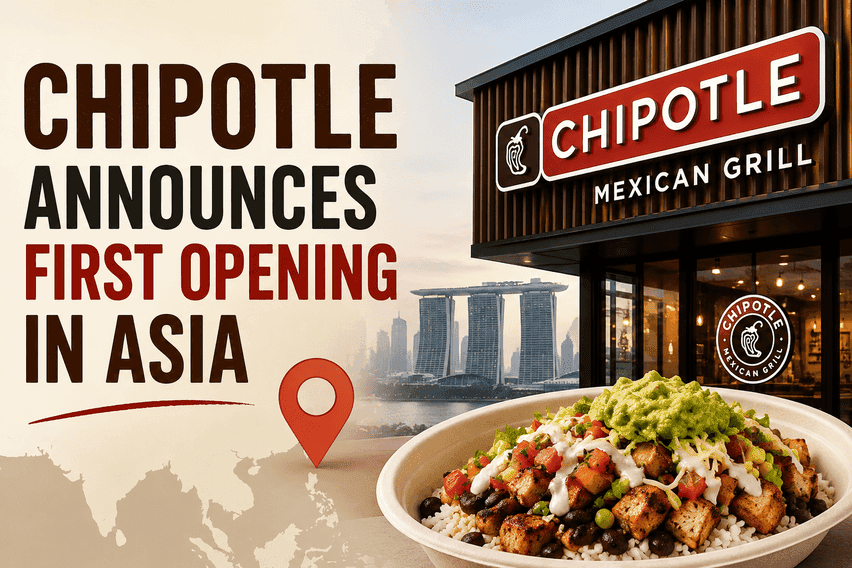
Chipotle Sets Sights on Asia Expansion
Chipotle makes its highly anticipated entry into Asia with a Seoul opening, partnering with Sangmidang Holdings and setting a template for future international growth.
News
Sep 2, 2026
Chipotle makes its highly anticipated entry into Asia with a Seoul opening, partnering with Sangmidang Holdings and setting a template for future international growth.
Sep 2, 2026
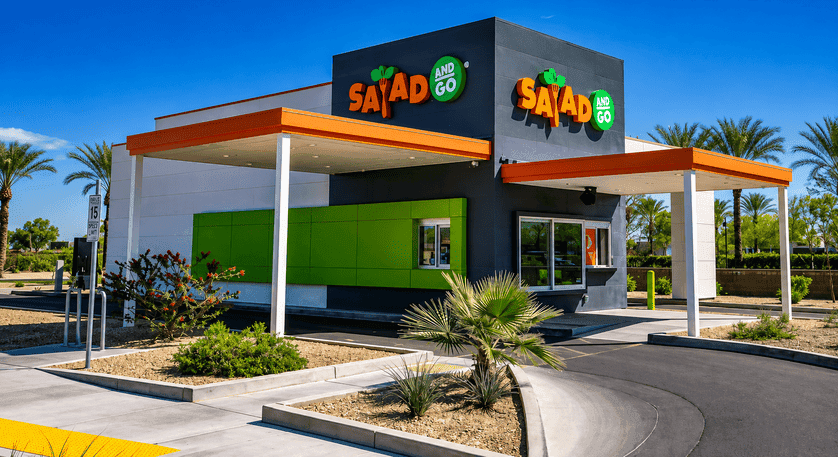
7 Brew has acquired 73 former Salad and Go locations, surpassing Dutch Bros with a $143M bid, signaling a major shift in the competitive landscape for drive-thru brands.
Sep 2, 2026
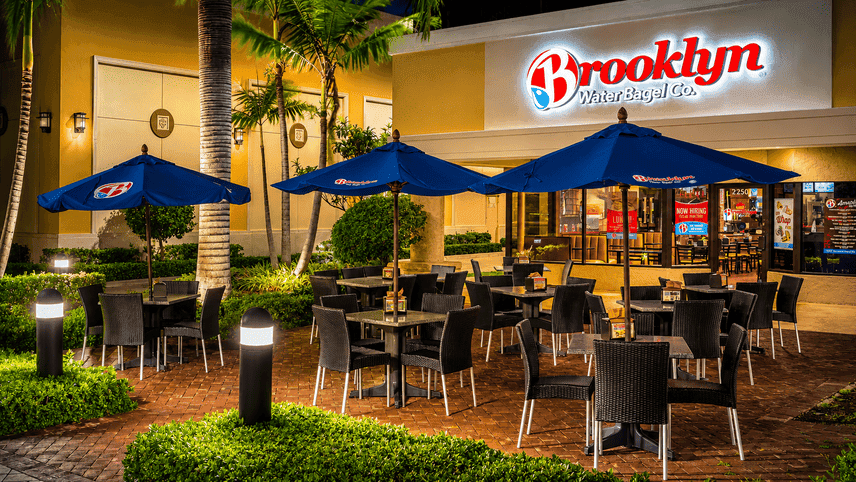
Brooklyn Water Bagel launches its first campus eatery at Nova Southeastern, signaling strategic growth and fresh potential for multi-unit operators seeking new market wins.
Sep 2, 2026
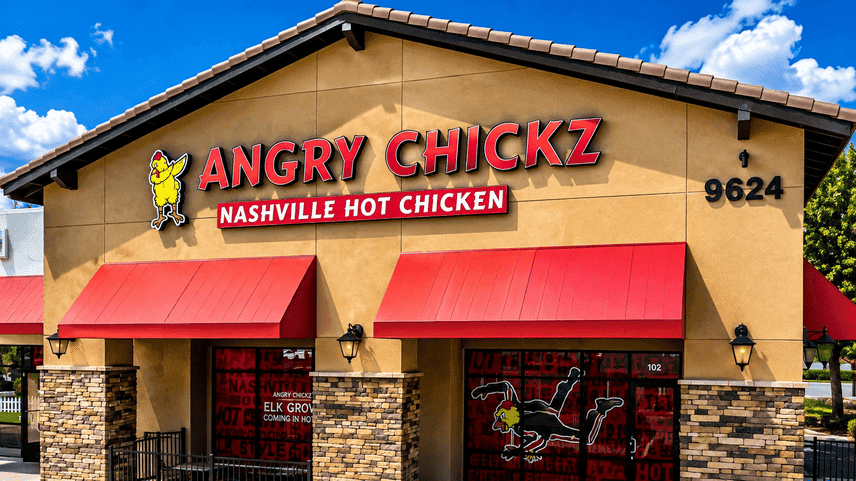
Angry Chickz enters Illinois with its signature hot chicken concept and ambitious plans for Midwest expansion, setting the stage for new franchise opportunities and community engagement.
Sep 2, 2026
Learn how to calculate restaurant cost of goods using inventory, purchases, COGS percentage, variance reviews, and regular tracking for profitability.
Aug 31, 2026

Explore restaurant technology trends in 2026, including AI, automation, digital ordering, workforce tools, connected kitchens, personalization, and profitability strategies today.
Aug 28, 2026
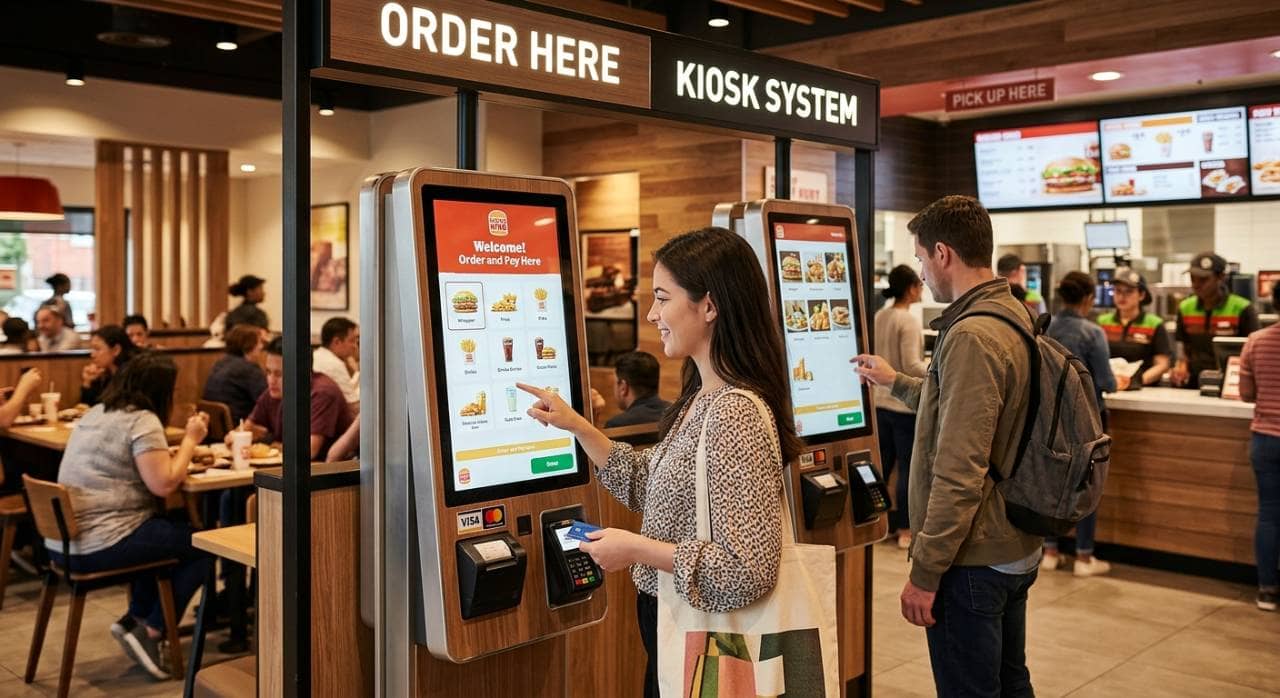
Understand how to evaluate a Kiosk system using key criteria including features, POS integration, hardware, pricing, customer experience, and support.
Aug 31, 2026

Learn the startup costs of opening an ice cream shop, including rent, equipment, renovations, permits, inventory, labor, marketing, and reserves.
Aug 28, 2026

A restaurant P&L statement reveals sales, expenses, and profits, helping owners manage costs, improve margins, and plan finances more effectively.
Aug 26, 2026

Learn practical ways to reduce labour costs through smarter scheduling, forecasting, productivity, cross-training, automation, overtime control, and performance monitoring strategies.
Aug 26, 2026

Unlock Exclusive Access To Webinars, Events, And The Latest News For Free!
Yum Brands is reportedly in exclusive talks with private equity firm LongRange Capital over a potential sale of Pizza Hut, as the iconic chain faces declining sales and growing competition in America's crowded pizza market.
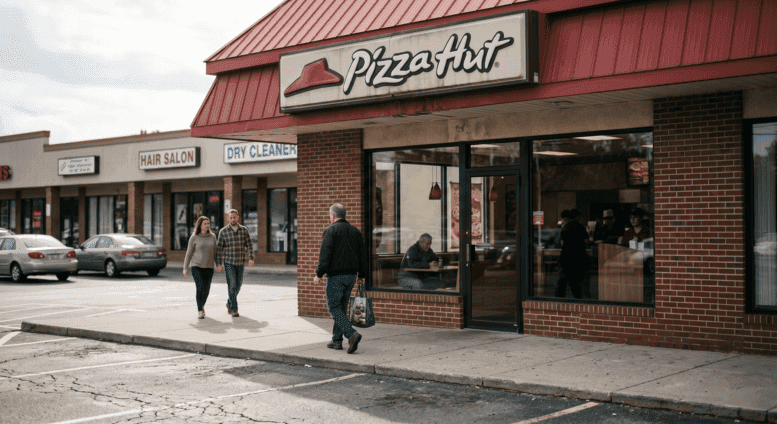
Yum Brands the fast-food powerhouse behind KFC, Taco Bell, and Pizza Hut appears to be on the verge of a significant corporate restructuring. According to a Reuters report, the company has entered exclusive talks with private equity firm LongRange Capital regarding a potential sale of Pizza Hut. The move follows Yum's announcement toward the end of last year, when the company publicly stated it was exploring "a range of strategic options" for the pizza chain to help it "realize its full value." With exclusive negotiations now reportedly underway, a sale seems less like speculation and more like an inevitable next step.
Pizza Hut's journey is the stuff of American entrepreneurial legend. The chain first opened its doors in Wichita, Kansas, almost 70 years ago, founded by two brothers with a simple idea and a small storefront. What followed was one of the most remarkable expansions in fast-food history. Today, Pizza Hut operates close to 20,000 locations across the globe, making it one of the most widely recognised pizza brands on the planet. For generations of customers, it represented Friday night dinners, birthday celebrations, and the comforting ritual of a stuffed-crust slice fresh from the box. That legacy, however, is now under pressure in ways its founders could never have anticipated.
Strip away the nostalgia, and Pizza Hut's recent financial performance paints a sobering picture. The brand recorded a 2.4% decline in systemwide sales in 2025, bringing the total to $12.8 billion and critically, this was not a one-off stumble. It marked the second consecutive year of falling sales, compounding concerns that have been building quietly for some time. Even more telling is the same-store sales data, which has either declined or stagnated for nine straight quarters. In the restaurant industry, same-store sales are a vital indicator of brand health, reflecting how existing locations are performing rather than growth driven by opening new ones. Nine consecutive quarters without meaningful improvement is not a blip it is a pattern, and one that has clearly caught the attention of Yum leadership.
Part of Pizza Hut's challenge lies beyond its own walls. The American pizza market has never been more competitive. Established rivals continue to innovate aggressively on price, speed, and digital ordering, while newer players carve out loyal followings with artisanal offerings and hyper-local appeal. Consumer habits have also shifted, with delivery aggregators changing how people discover and order food, often levelling the playing field between major chains and independent pizzerias. In this environment, brand loyalty alone is no longer enough to guarantee footfall, and Pizza Hut has found itself caught between its legacy identity and the need to evolve rapidly to stay relevant.
Yum has not been passive in the face of Pizza Hut's struggles. The company has been actively closing underperforming locations and investing in renovations aimed at restoring the chain's classic aesthetic bringing back elements of the original dine-in experience that made Pizza Hut a cultural institution in the first place. These efforts reflect a genuine attempt to reconnect the brand with its roots and win back customers who may have drifted toward competitors. However, the results have yet to show up meaningfully in the sales figures, raising a pointed question - can Pizza Hut be revived from within an enormous conglomerate, or does it need the kind of singular, dedicated focus that only independent ownership can provide?
Perhaps the most telling context for this potential sale is the trajectory of Pizza Hut's stablemate, Taco Bell. The Mexican-inspired chain has been on a remarkable run, surpassing Pizza Hut as Yum's second-largest brand by sales back in 2021 and never looking back. In the last fiscal year, Taco Bell generated $18.4 billion in systemwide sales over $5.5 billion more than Pizza Hut despite operating fewer than half as many locations worldwide. With Taco Bell continuing to thrive and KFC holding its ground internationally, Pizza Hut increasingly stands out as the portfolio's weak link. Selling it to a focused private equity buyer like LongRange Capital could allow Yum to sharpen its strategic focus while giving Pizza Hut the undivided attention it arguably needs to stage a genuine comeback.