True Food Kitchen Files Bankruptcy, Closes 12 Sites
True Food Kitchen filed for Chapter 11 bankruptcy, closing 12 locations and shrinking to 34 restaurants across 14 states amid $42.1 million in debt.
News
Oct 5, 2026
True Food Kitchen filed for Chapter 11 bankruptcy, closing 12 locations and shrinking to 34 restaurants across 14 states amid $42.1 million in debt.
Oct 5, 2026

Snooze Eatery names industry veteran Amy Hom as COO, starting Sept. 28, to strengthen hospitality and operations ahead of its next growth phase.
Oct 5, 2026
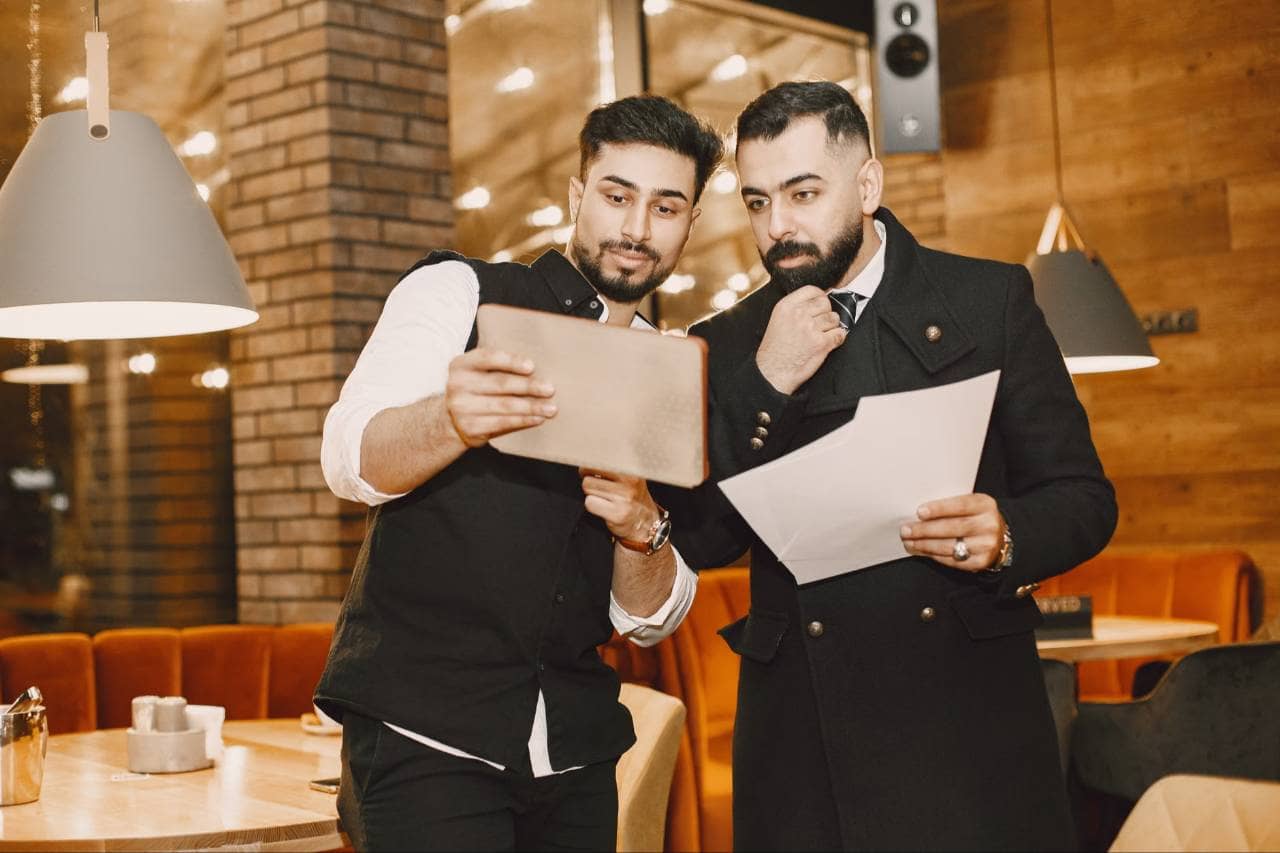
Evaluate restaurant industry performance in Q3 2026 through key trends affecting restaurant sales, traffic, consumer spending, labor, costs, and technology.
Oct 2, 2026
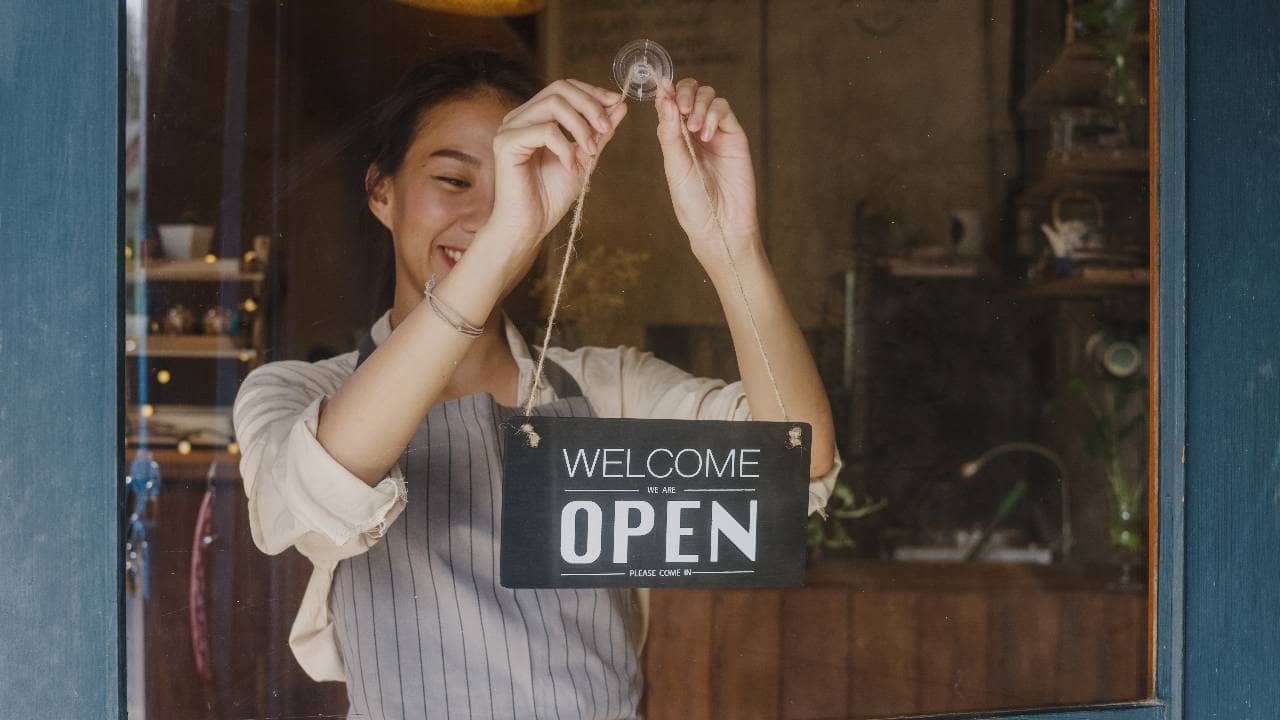
Opening a second restaurant location requires readiness, clear goals, financial planning, funding, smart strategy, standardized operations, strong teams, and careful launch monitoring for sustainable growth.
Sep 30, 2026
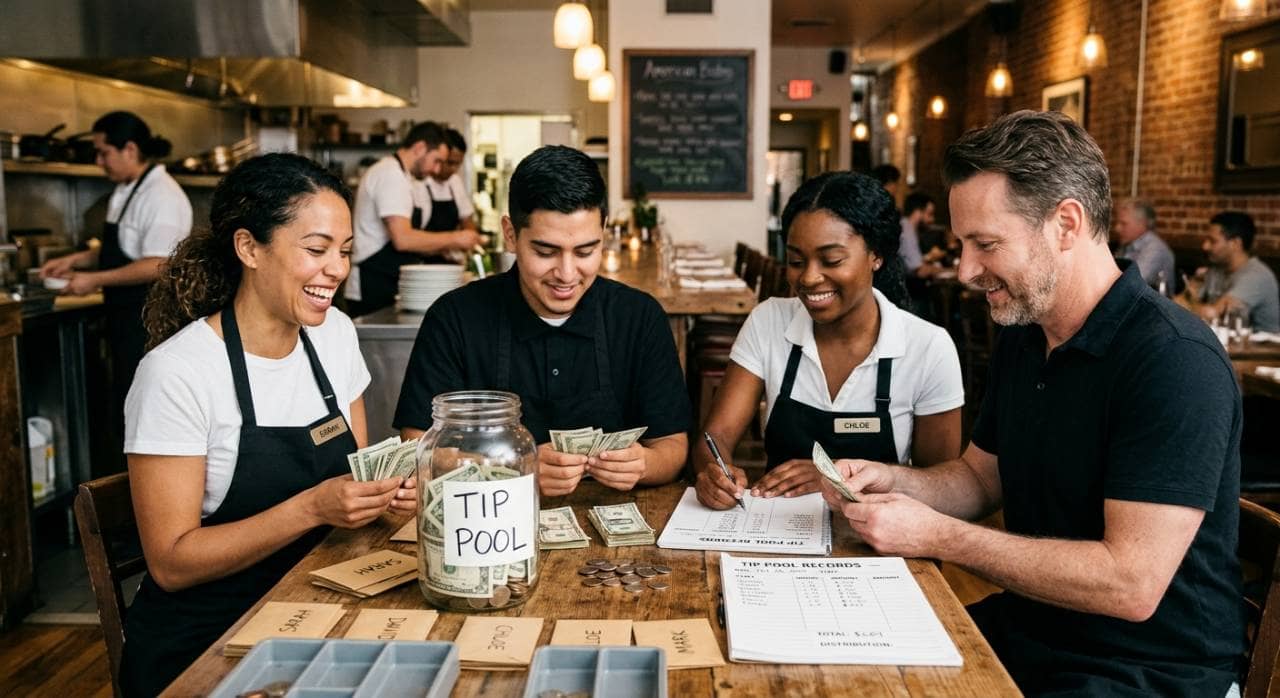
Understand tip pooling rules, employee eligibility, distribution methods, compliance requirements, recordkeeping practices, and policies restaurant owners need for proper tip management.
Oct 2, 2026

Whit's Frozen Custard hires industry veteran Amos Durbin as COO to guide franchise expansion, drawing on two decades of restaurant leadership experience.
Oct 2, 2026
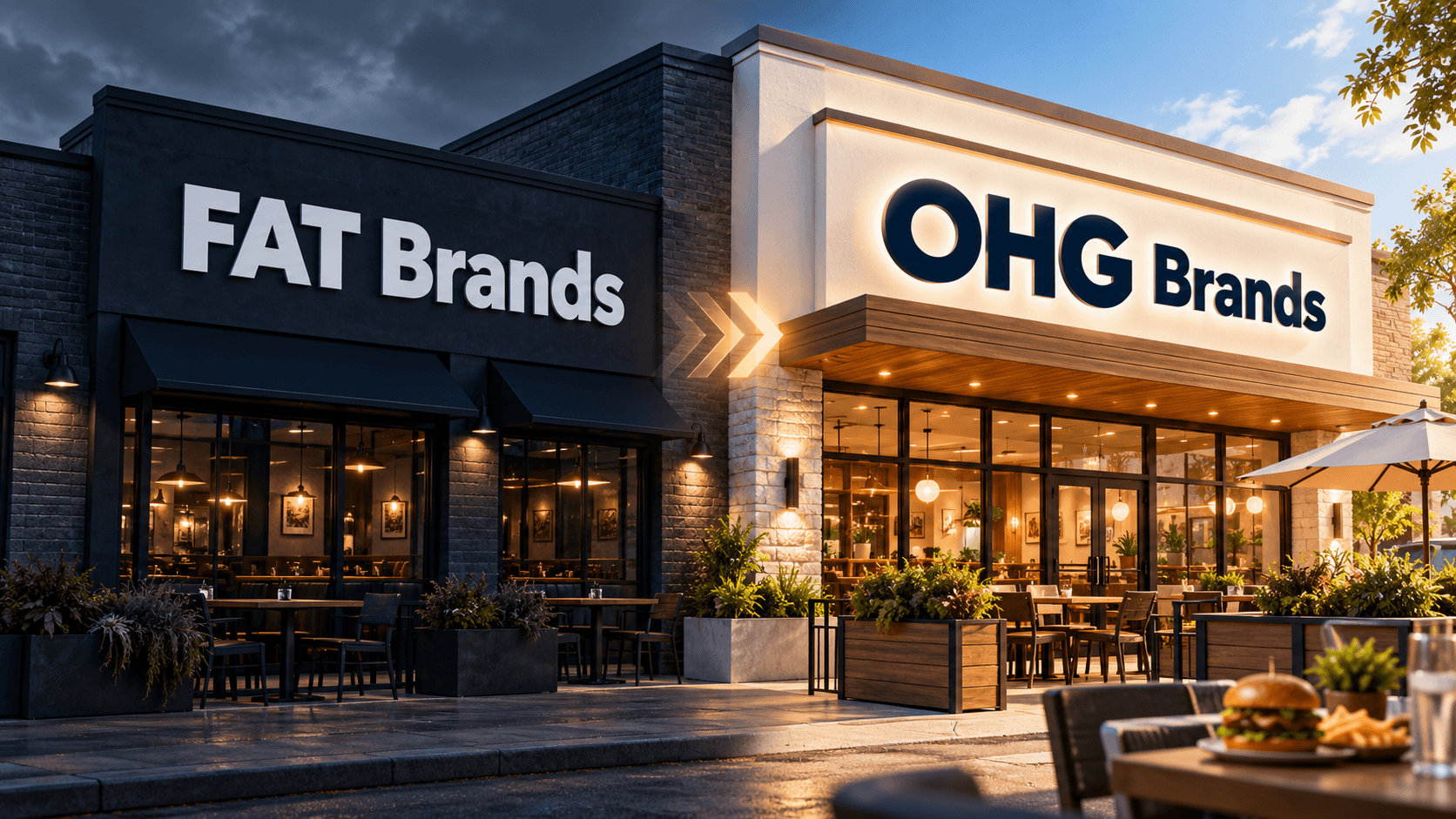
FAT Brands' $1B acquisition empire fell into bankruptcy and sold for $965M, re-emerging as OHG Brands with 1,700 restaurants.
Oct 1, 2026
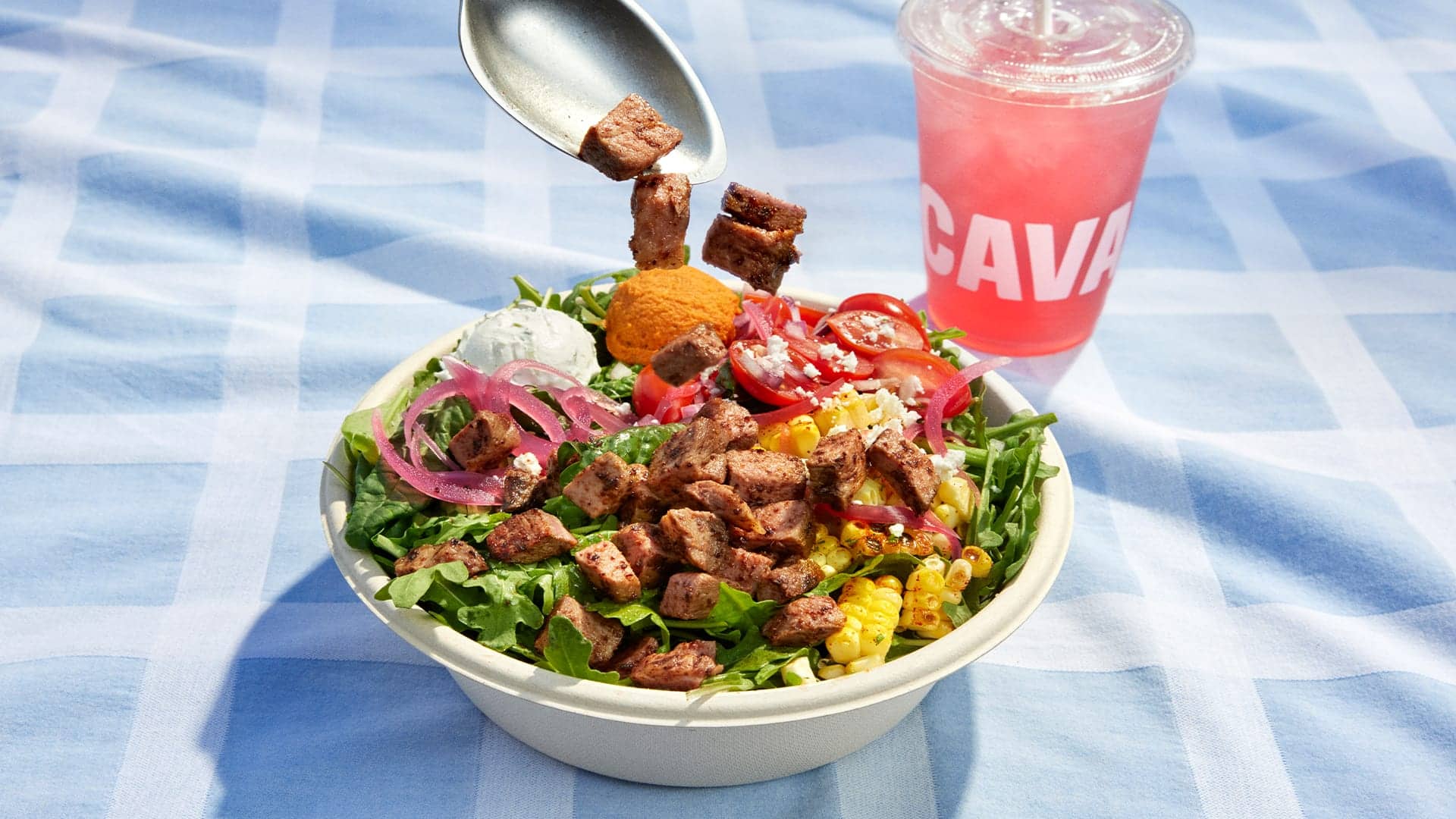
CAVA names John Ludeke, former Dr. Squatch Chief Brand Officer, as its new CMO to drive national growth and guest loyalty.
Oct 1, 2026
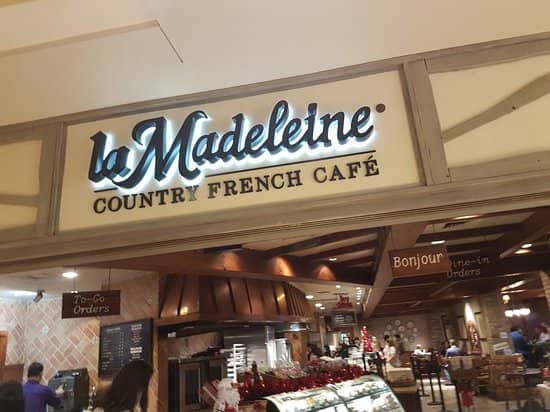
La Madeleine's CEO John Dillon steps down mid-turnaround, leaving a menu overhaul, new coffee program, and franchise growth plans in limbo.
Oct 1, 2026

Hot Head Burritos promotes longtime operator Peter Wiley to corporate VP, chief marketing and chief technology officer, blending brand strategy with tech oversight.
Oct 1, 2026

Unlock Exclusive Access To Webinars, Events, And The Latest News For Free!
Discover how cities are becoming testing grounds for reusable and returnable packaging systems, with a focus on Petaluma and initiatives by Closed Loop Partners and Starbucks.

Photo by Tim Mossholder
Cities have emerged as crucial battlegrounds for the testing and implementation of reusable and returnable packaging initiatives. The NextGen Consortium, a collaboration of prominent stakeholders including major restaurants, Coca-Cola, PepsiCo, and others, is actively engaged in advancing sustainable food service packaging alternatives in Petaluma.

Photo by Tim Mossholder
Petaluma was strategically chosen as a testing ground for innovative packaging systems due to its concentration of easily accessible restaurants and retailers, along with the city government's commitment to sustainable practices. Notably, Petaluma was previously involved in a successful returnable cup trial run by Starbucks in 2023, demonstrating the city's receptiveness to sustainability initiatives.

Photo by Tim Mossholder
Closed Loop Partners is actively supporting the Petaluma project by providing essential marketing resources to raise awareness among participating establishments. This includes a diverse range of channels such as billboards, Spotify, TV ads, and digital campaigns. The goal is to cultivate a cultural shift where the reuse of cups, whether owned by the company or the customer, becomes a common practice.

Photo by Tim Mossholder
Starbucks, a major player in the initiative, reported that 2% of its beverages sold in fiscal year 2023 were in reusable cups. The company has set a ambitious target for all its customer-facing packaging to be reusable, recyclable, or compostable by 2030. This commitment underscores the importance of corporate leadership in driving sustainable practices and influencing consumer behavior.

Photo by Tim Mossholder
The Petaluma project highlights advancements in packaging technology, with the use of novel lightweighted polypropylene for hot beverage cups and HDPE for cold beverages. These materials were selected based on supplier offerings, nesting capabilities, durability in washing processes, and other key factors. While the current cups do not contain recycled content, the focus on recyclability, insulation, and safety for hot beverages showcases a dedication to sustainable innovation.
The initiative in Petaluma is set to run until November, aiming to gather baseline data on environmental impact and consumer participation. While some industry experts have criticized short-term pilots for their limited impact on behavior change, Closed Loop Partners defends the approach by emphasizing the continuity with previous initiatives. Executives like Brittany Gamez from Muuse acknowledge the value of such projects in shaping operational shared systems and influencing widespread adoption of reusable practices.

Photo by Tim Mossholder
As cities like Petaluma pave the way for sustainable packaging solutions, the collaboration between key stakeholders, local businesses, and community members becomes pivotal in driving lasting change. Initiatives like the one in Petaluma serve as a model for scaling reuse through community engagement and strategic partnerships. By exploring and refining these models, the future of reuse and sustainability in the packaging industry can be significantly advanced.

Photo by Tim Mossholder