SignalFlare AI Names Robert Peterson Chief Revenue Officer
SignalFlare AI hires restaurant tech veteran Robert Peterson as CRO to drive adoption of its Navigator decision intelligence platform.
News
Oct 9, 2026
SignalFlare AI hires restaurant tech veteran Robert Peterson as CRO to drive adoption of its Navigator decision intelligence platform.
Oct 9, 2026
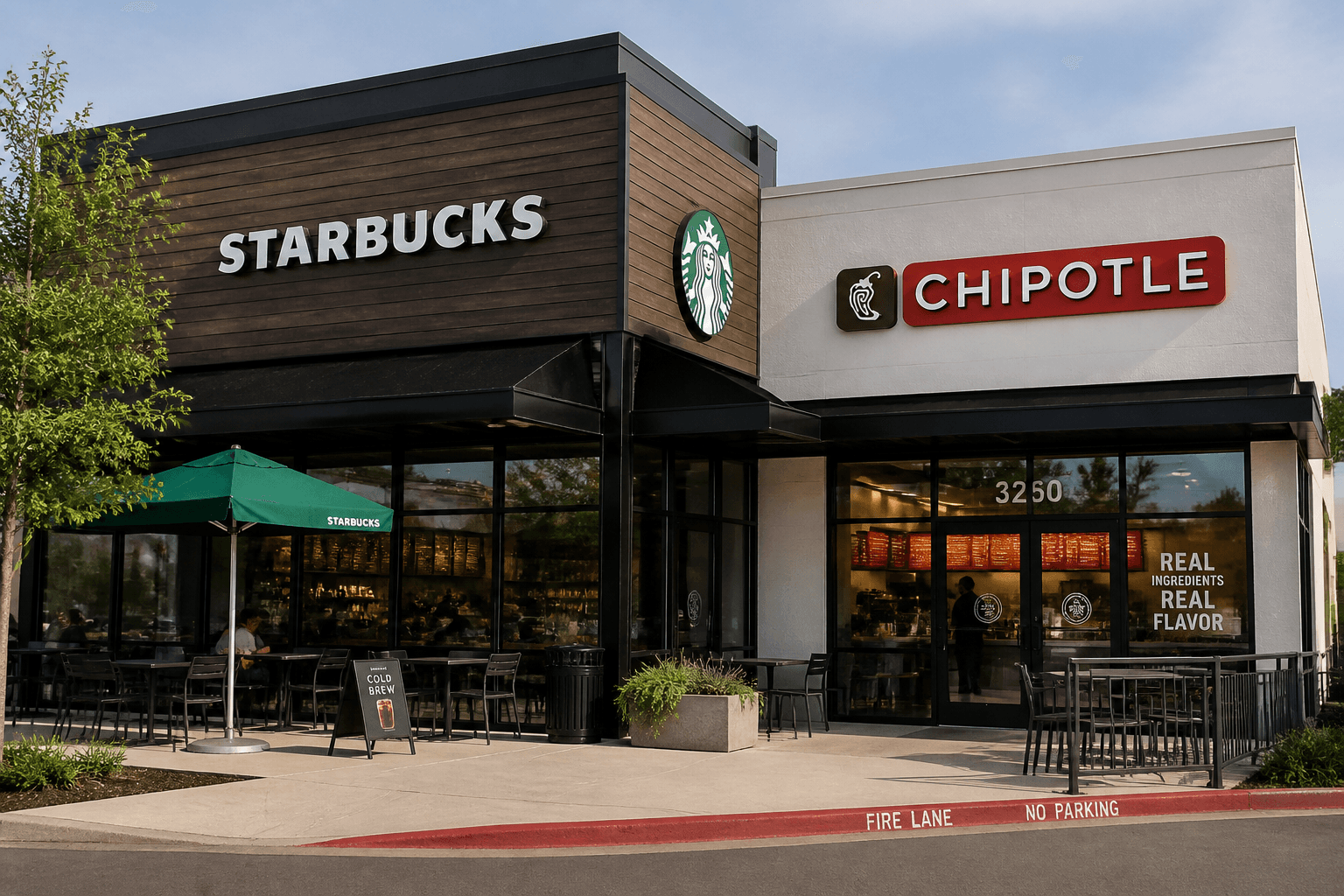
Reports of a Starbucks takeover bid for Chipotle sent shares in opposite directions, raising big questions about strategy, cost, and Brian Niccol's role.
Oct 9, 2026

CKE Restaurants names marketing veteran Alisa Gmelich President of Hardee's, tasking her with rebuilding franchisee trust and driving growth.
Oct 7, 2026

Understand overtime rules for restaurant employees, including eligibility, pay calculations, hours worked, compliance requirements, timekeeping, and overtime management.
Oct 7, 2026
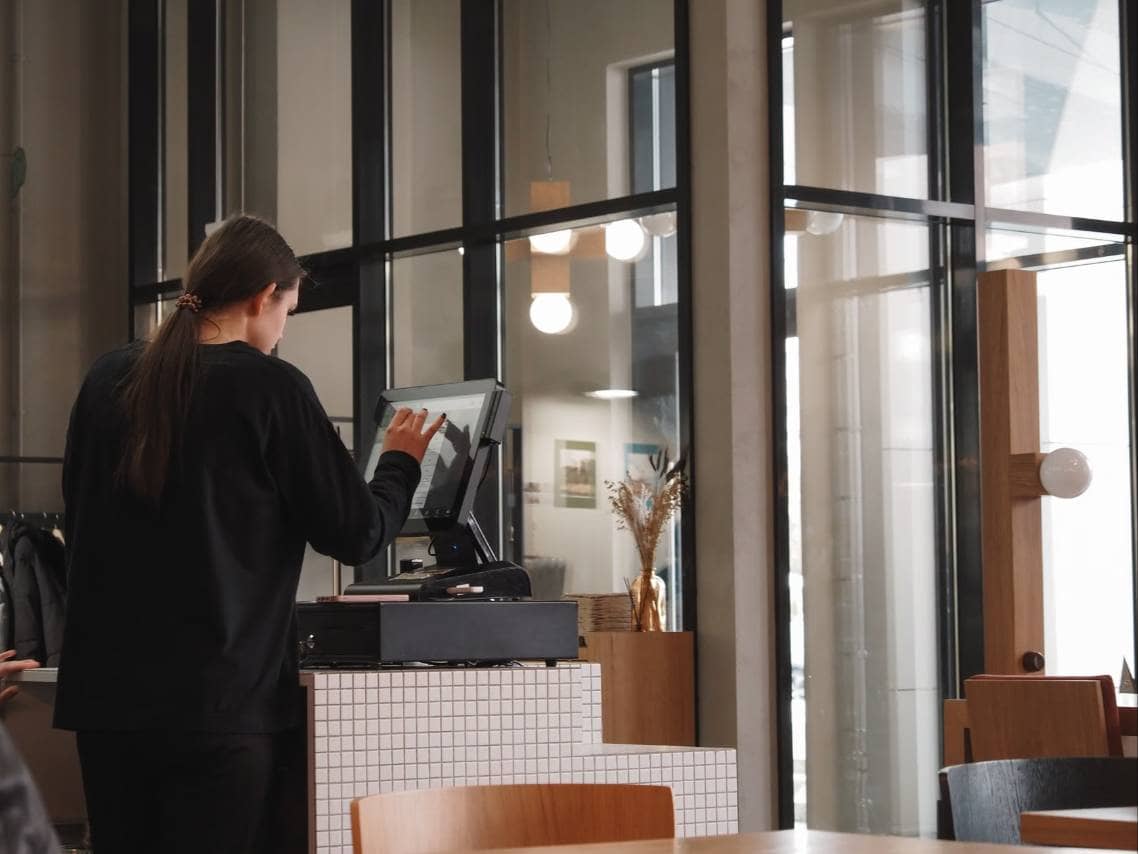
POS data helps restaurant owners control food costs by improving purchasing, reducing waste, optimizing portions, analyzing profitability, and managing inventory.
Oct 7, 2026
Hangry Joe's promotes insider Brandon Wilhelm to CEO, prioritizing franchisee profitability over rapid unit growth as the chain expands past 90 locations.
Oct 6, 2026
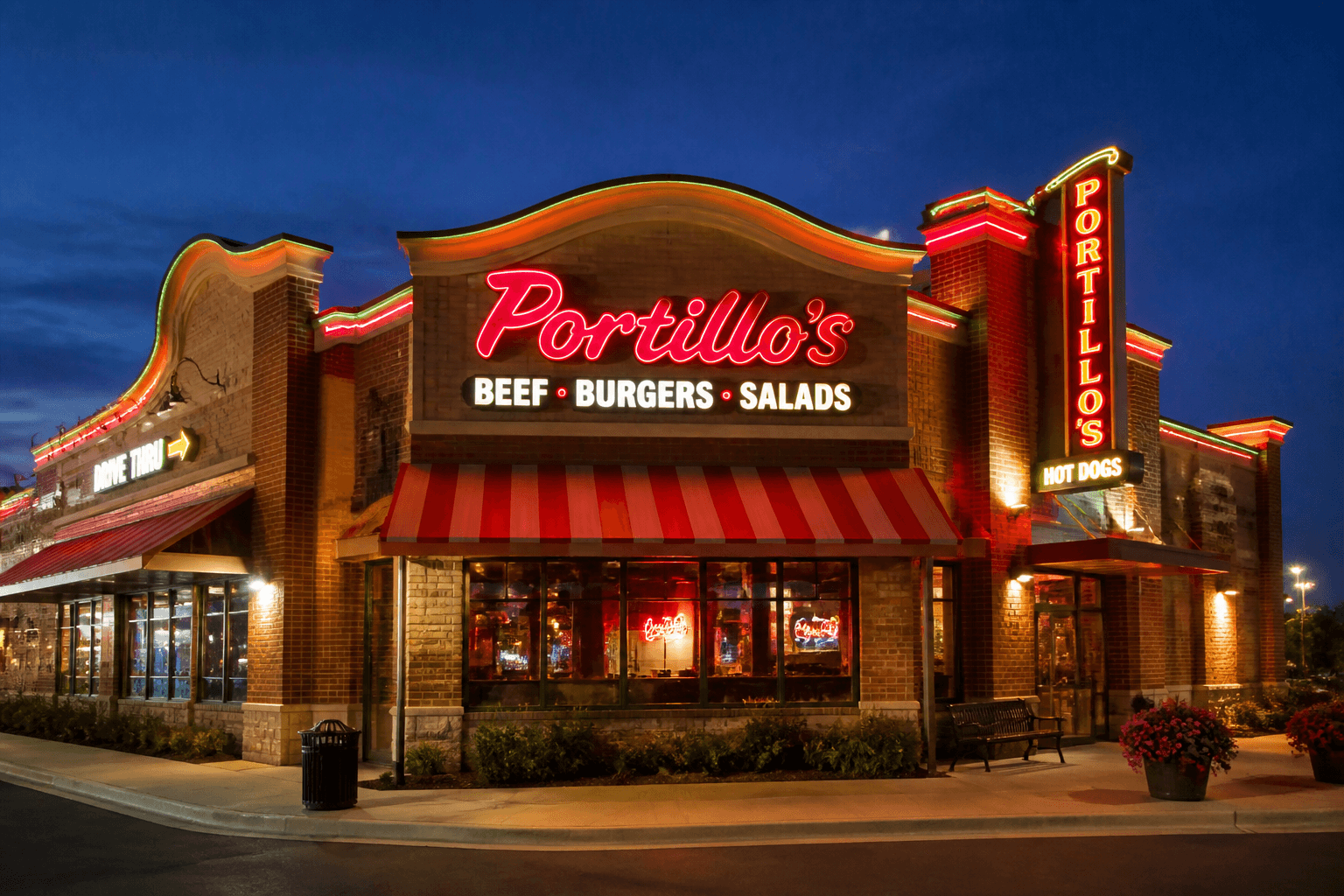
Portillo's chief people officer Jill Waite departs as new CEO Brett Patterson reshapes leadership with layoffs and fresh executive hires.
Oct 6, 2026
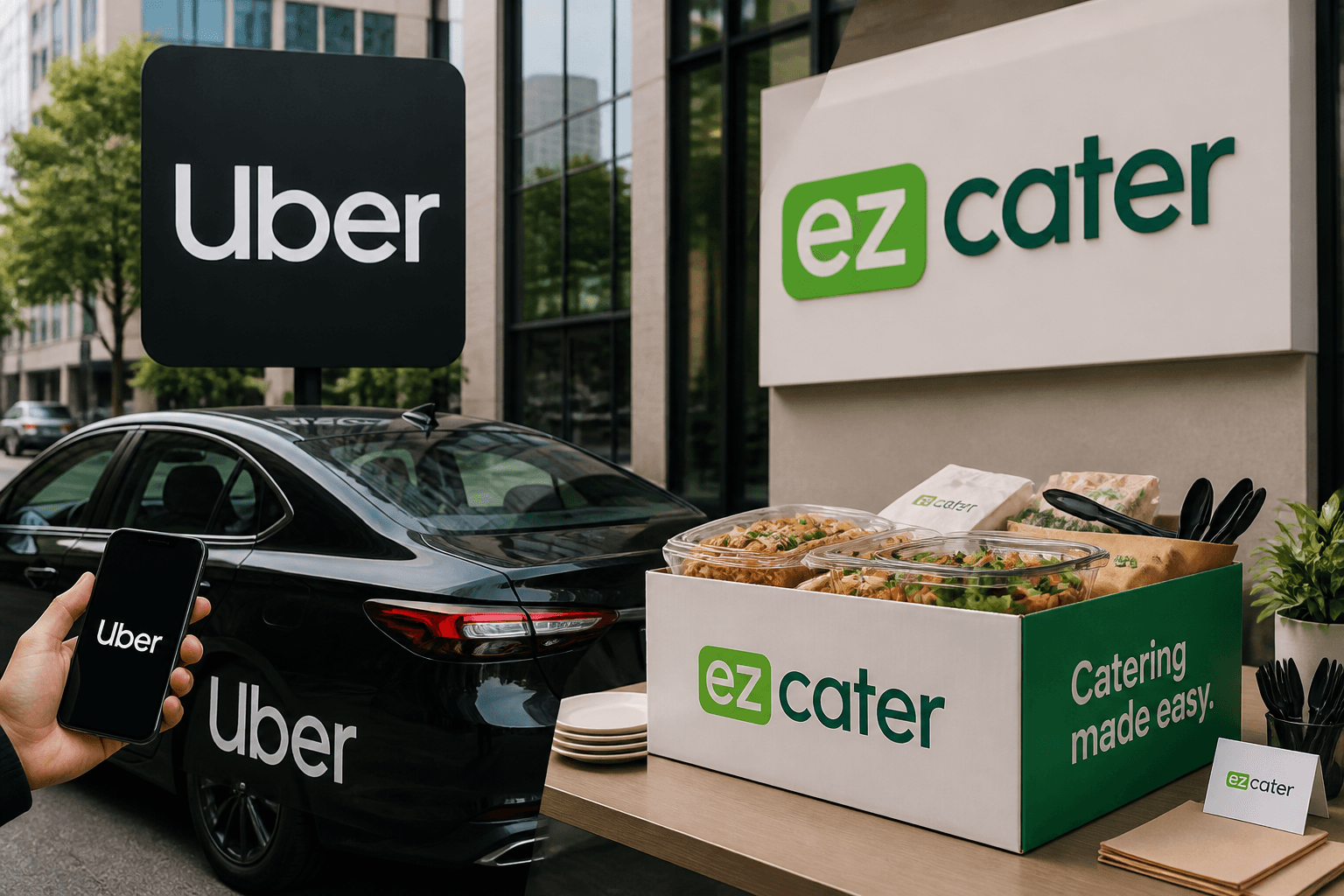
Uber is paying $2.3 billion to acquire ezCater, merging its catering network into Uber Eats and Uber for Business to enter workplace catering.
Oct 6, 2026
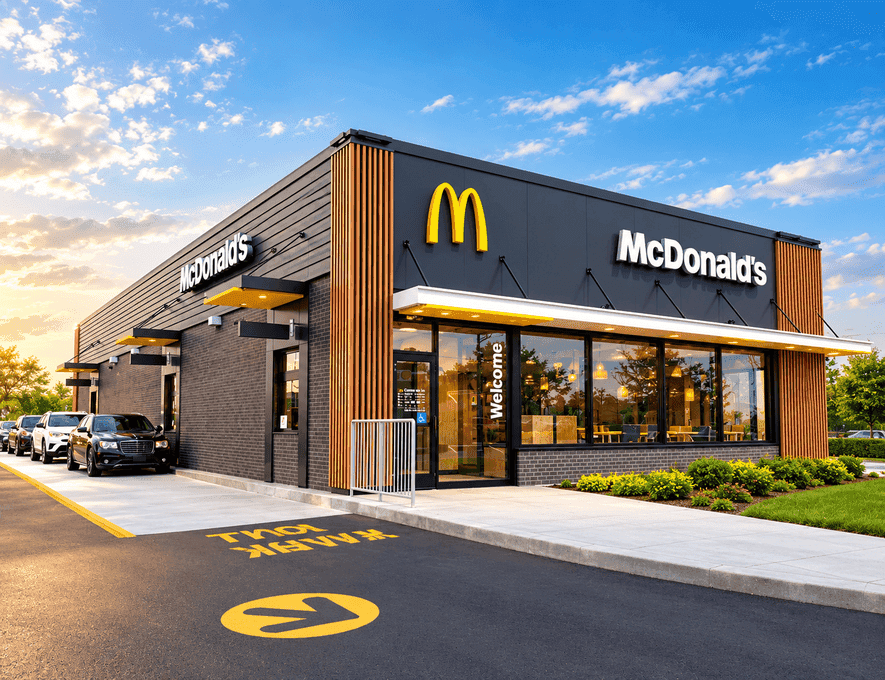
A new lawsuit claims McDonald's pricing tool pressures franchisees into algorithmic price-fixing, raising fresh antitrust questions for the chain.
Oct 6, 2026

True Food Kitchen filed for Chapter 11 bankruptcy, closing 12 locations and shrinking to 34 restaurants across 14 states amid $42.1 million in debt.
Oct 5, 2026

Unlock Exclusive Access To Webinars, Events, And The Latest News For Free!
Food supply chain visibility improves inventory management and optimizes relationships with customers. Here is an overview of visibility benefits for the supply chain.

Though everyone has been affected by the COVID pandemic in one way or another, the restaurant industry has been probably one of the hardest hit. New restrictions on in-person interactions, social distancing requirements, and sanitation requirements have made it difficult for the restaurant industry to survive. Small diners across the country have shut down, lost profits, and laid off their workforce. With all of these changes, the restaurant industry has had no choice but to evolve. Adaptability and gaining more visibility to optimize the supply chain is the path forward for retail food diners who want to wave through this disruption and come out the other side. Read ahead to learn about the many benefits of supply chain visibility and how those in the food service industry can gain visibility into the food chain and food security issues-
As restaurants across the United States are reopening with new restrictions placed on them to protect public health, they have no choice but to continue to improve their supply chain management. Increasing visibility or transparency will help restaurants adapt to this disruption and manage inefficiencies in the chain quickly. It can also prevent food waste and pinpoint food safety issues before they become a problem. Long term visibility is gained through data collection, open communication, technology systems, and improvements in tracking. Without a set of policies that maintain visibility in the food processing system, it's difficult to gain insight into problems and manage inventory properly.
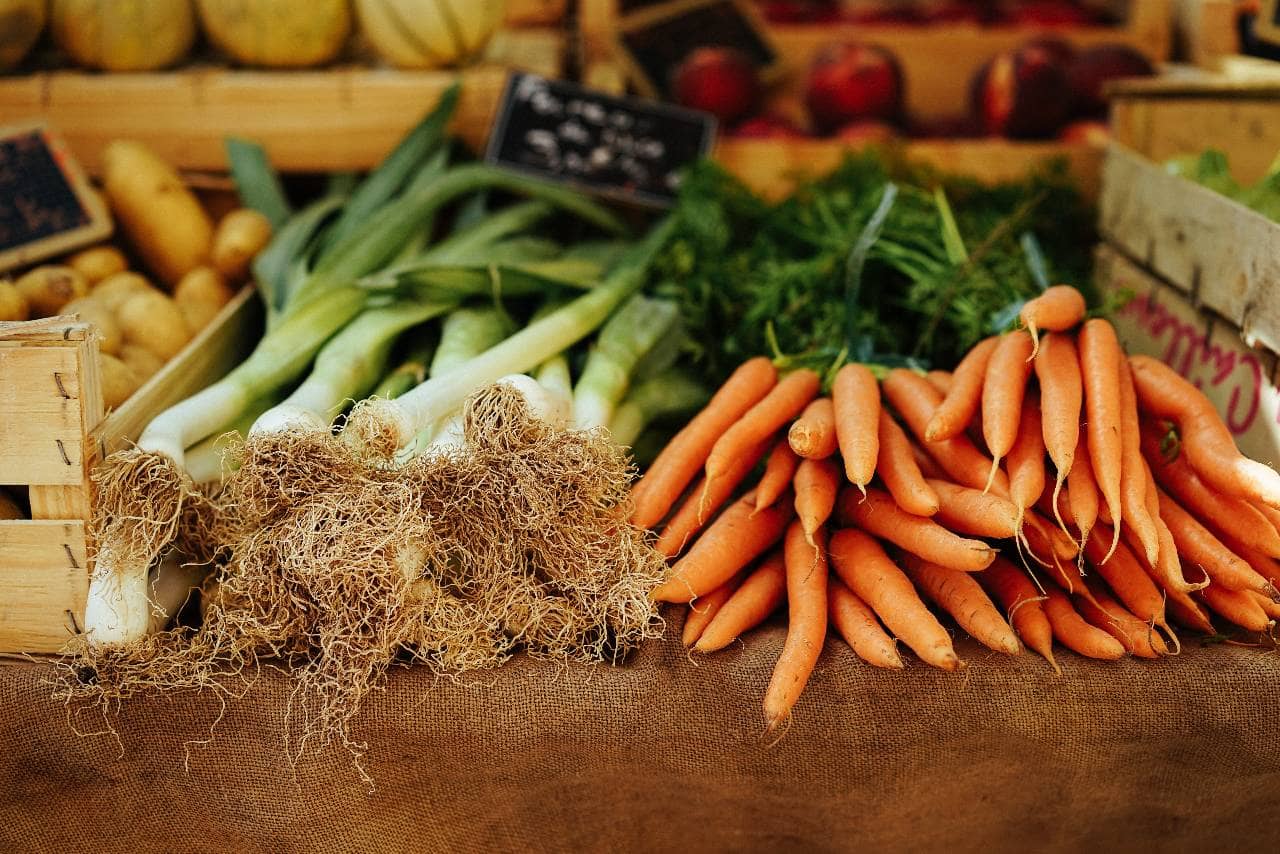
Visibility also allows companies to harness information from the supply chain to satisfy consumers. Consumers are seeking more transparency about the quality and safety of their global food supply. Utilizing technology systems to monitor food quality, temperature controls, and prevent spoilage can help prevent problems before they arise. It also offers a way for health-conscious restaurants to attract new patrons by promoting a sustainable and transparent brand. Gaining full visibility allows everyone to focus on compliance and audits rather than just quality and safety issues. In short, it helps improve the entire food industry-from consumer to the farmer to the restaurant.
Restaurants are just one of many industries facing the evolving diversification of patron tastes and demands. Though there are still segments of the population that don't care about where their food comes from or how it's grown, more and more do. Patrons want to eat locally-grown, organic, or vegan foods, rather than processed. Globalization has further complicated matters as ingredients now come from all corners of the earth. To meet consumer transparency demands, restaurants are improving traceability to ensure their foods are safe and fresh. Coupled with the pressures of the pandemic and increased regulations, these challenges may seem like too much for some to bear. Luckily, many restaurants have taken the initiative to do the following best practices to meet consumer demands, improve traceability, and increase visibility into the supply chain-
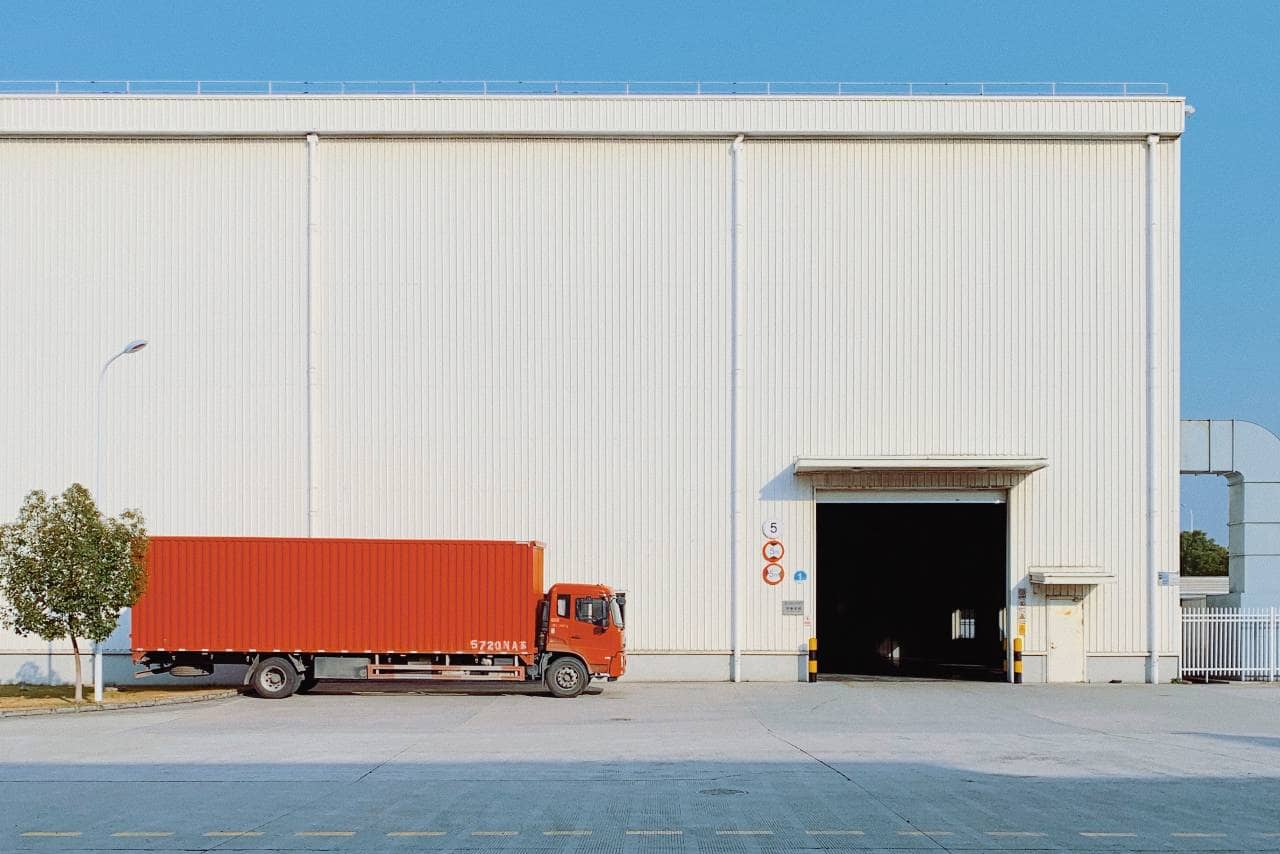
During the purchase order process, restaurants can use technology to gain insight into the supply chain. These insights derived from food data can help improve efficiency and track all of the interactions that occur in the restaurant's chain system. PO platforms allow involved stakeholders to connect, collaborate, and automate their processes to help ensure order accuracy, quantity, and cost without the need for regular oversight. They also gather and store large amounts of information that provides the visibility needed to understand the supply chain process and find areas for improvement. These real-time insights will help the restaurant industry manage orders better and optimize the supply/demand process for better inventory management.
Technology is only one part of the puzzle for restaurants that want to improve visibility and optimize supply/demand. Hiring an external team of experts who can drill down into food data and use their knowledge to find solutions can help diners meet their needs. Experts can analyze ordering, deliveries, logistics, and receiving to see if there are any gaps or inefficiencies that need improvement. They can use their insights to create standardized solutions and procedures that save money, attract new patrons, and handle the COVID-based restrictions.
Promotions and limited offers can be great for increasing sales, building brand loyalty, and attracting new customers. However, if the restaurant is facing product shortages due to supply chain mismanagement, it can be quite an embarrassing mistake that leads to the exact opposite results the restaurant hopes for. Before implementing a promotion or limited offer, make certain that there is enough visibility into the supply chain and food systems to know it can meet anticipated demand. Forecasting and modeling tools can be helpful to figure out how much product is needed and when. Furthermore, the restaurant should have open and honest communication with all of its suppliers. Everyone in the chain should have plenty of time to prepare and manage an upcoming promotion to ensure a successful outcome.

In conclusion, here are the key points to remember managing supply chain visibility-