1. Pay well-
According to research by Software Advice, as many as 50% of the respondents said that higher hourly wages can help in retaining workers. Often the complaint of restaurant workers is that they are not able to sustain themselves on the wages paid. The Fair Labor Standards Act (FLSA) fixes the hourly wages for tipped employees at $7.25 at the federal level.
This includes cash wages and tips. Tipped employees are ordinarily those who receive more than $30 in the form of tips every month, though this figure may vary, and Vermont, for instance, defines tipped employees as those receiving more than $120 in tips on a monthly basis.
At one end of the spectrum are states like California and Massachusetts that pay hourly rates of $14-15, and at the other end are states like Texas, Idaho, Pennsylvania, Iowa, Indiana, Kentucky, and some others that pay just the FLSA-mandated minimum wage. In states like Kansas, Kentucky, Louisiana, Indiana, Mississippi, Nebraska, North Carolina, Georgia, Alabama, Texas, and some others, the cash wage paid is exactly the minimum wage that is fixed at the federal level-- a meager $2.13.
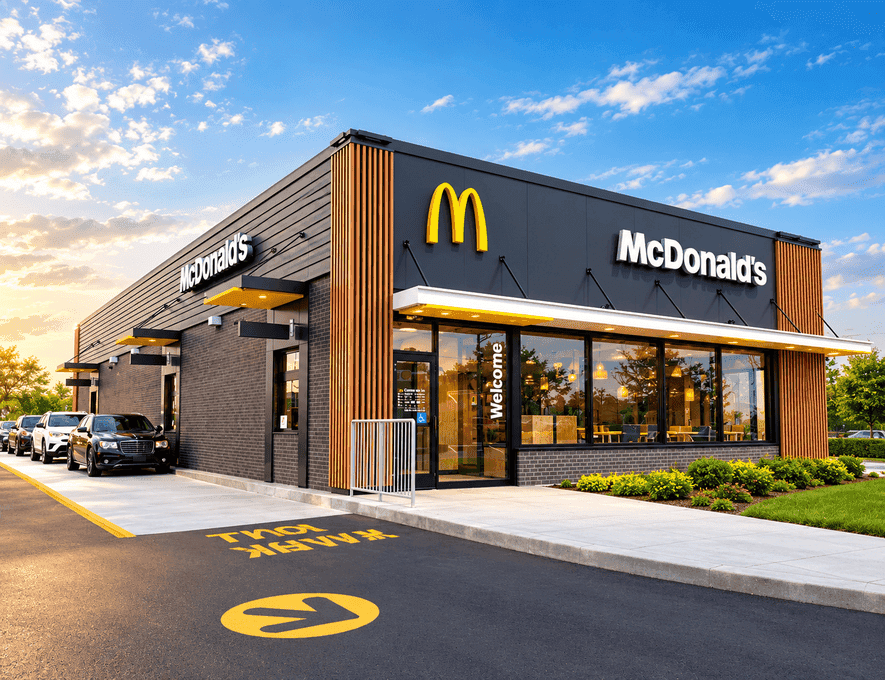
It has been noted that paying employees more than the federally-fixed minimum wage can help organizations in retaining their hourly employees. This is borne out by examples on the ground. Fast-food behemoth McDonald's was able to reduce employee turnover and increase customer satisfaction by increasing wages by $1 over the minimum rate.
By increasing the minimum wages of their employees, organizations can, in fact, derive even greater benefits than just saving the cost of new recruitment and training. According to a study by the Harvard Business School in 2017, wage increases tended to push the weaker performers out. Business owners, in this regard, can take advantage of technology to discover market rates for various job roles, and also ensure that payment is made accurately and on time.
If an employee is not able to make the federally-mandated minimum wage even by putting together the cash wages and tips, the employer would be responsible to pay the difference. The FLSA allows a tip credit of $5.12 per hour, though the states of California, Alaska, Montana, Minnesota, Oregon, Nevada, and Washington do not allow tip credit. Employees in these seven states are, instead, allowed to earn only cash wages and tips. It is perhaps for this reason that the minimum cash wage in these states is already much higher than the overall minimum hourly wage (cash wages plus tips).
Restaurant owners have also mulled over the idea of eliminating tipping because it is held to create dissensions between the tipped workers and the salaried personnel. The latter do the most critical tasks but often end up earning much less than the workers they are supposed to manage.
Andrea Borgen Abdallah, who owns Barcito in Los Angeles, writes in an article for Medium that income from tips tends to fluctuate, and waiters tend to leave as soon as they realize that the restaurant has lost its sheen. The Juliet restaurant in Massachusetts also works on a no-tipping model but pays all employees (except the management) on the basis of a singular pay scale that is higher than the minimum wage rate, according to an Eater report.
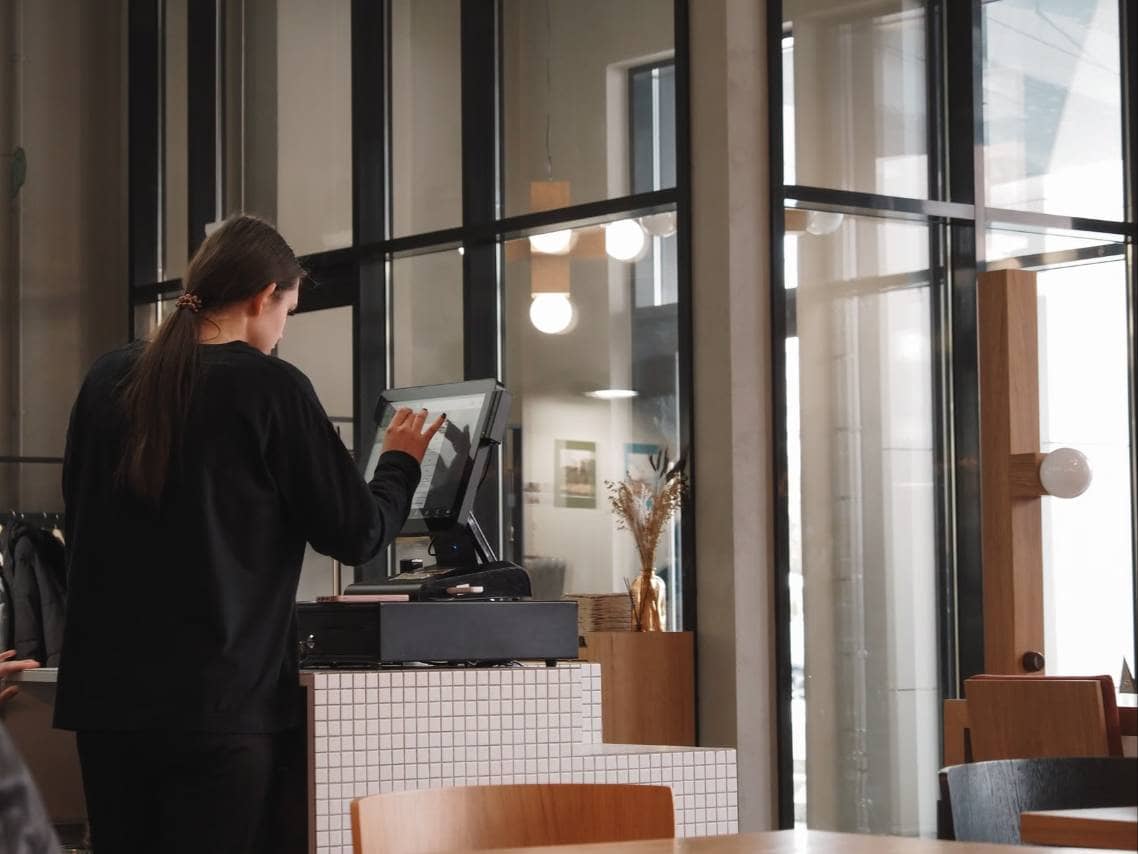
An alternative to no-tipping for increasing employee earnings is to use technology such as a point of sale (POS) solution for making customer experiences absolutely frictionless, which would raise the chances of both upselling and tipping employees.