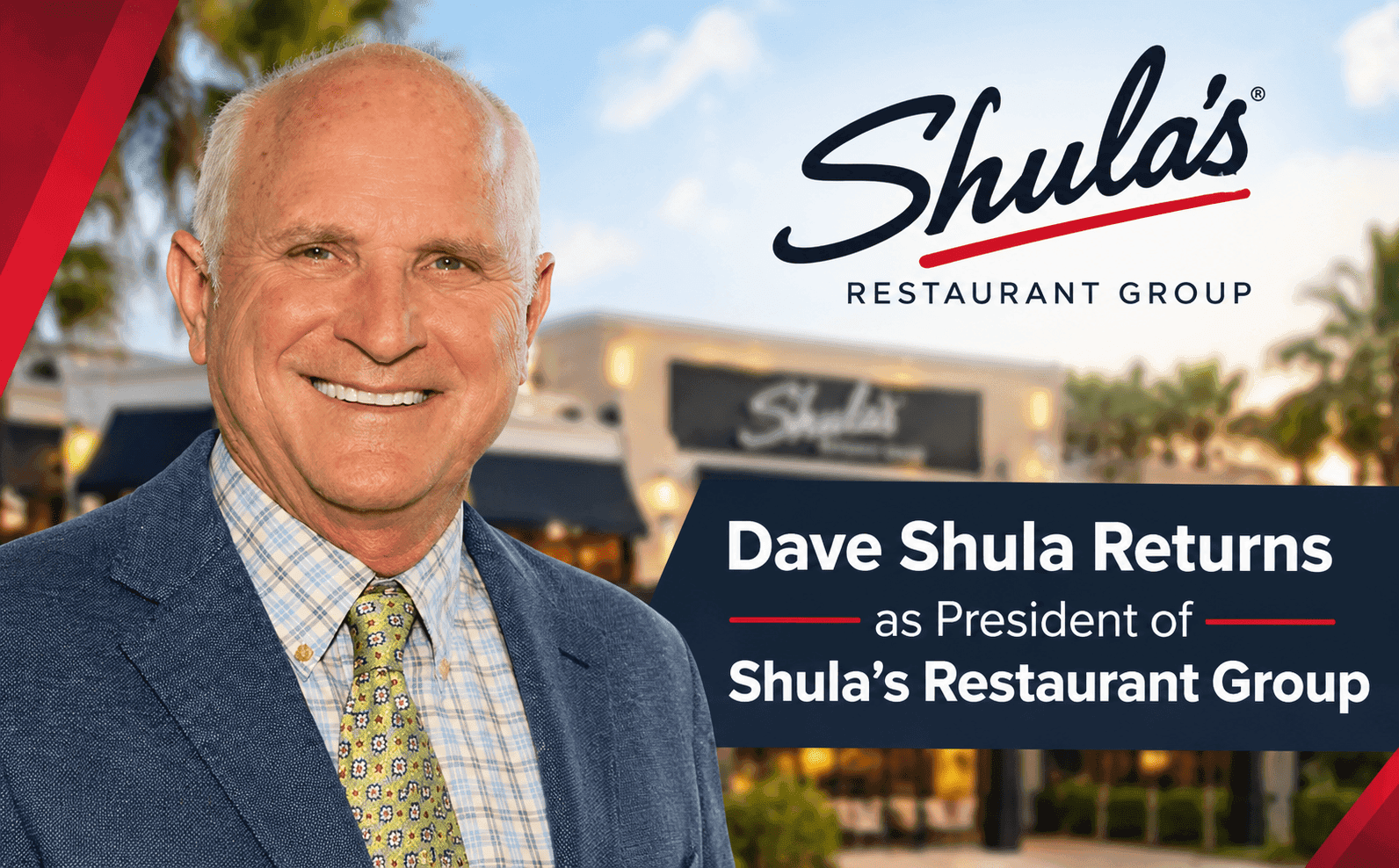
Dave Shula Returns as President of Shula's Restaurant Group
Dave Shula rejoins Shula's Restaurant Group as president, leading growth into Palm Beach Gardens and a 2027 Thomasville, Georgia expansion.
News
Sep 23, 2026
Dave Shula rejoins Shula's Restaurant Group as president, leading growth into Palm Beach Gardens and a 2027 Thomasville, Georgia expansion.
Sep 23, 2026
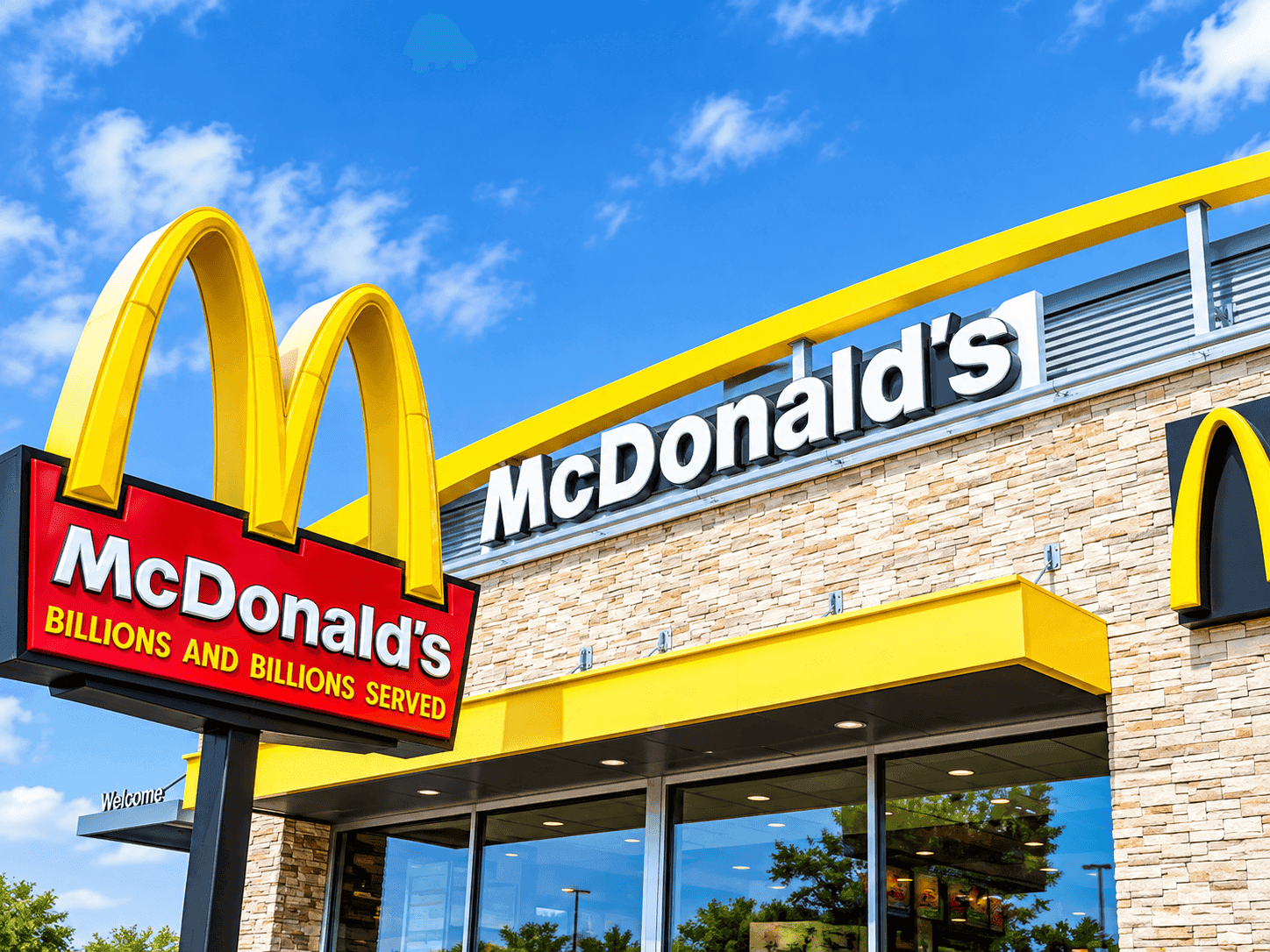
McDonald's commits $8.5 billion through 2036 to modernize restaurants, boost cash flow by $100,000 per store, and grow chicken and beverage sales.
Sep 23, 2026
WKS Restaurant Group promotes Jay Spongberg to president and COO after he helped grow the company from 65 to 382 restaurants over 16 years.
Sep 23, 2026

Smokey Mo's BBQ names Von Dawson, a Dine Brands veteran, as VP of Franchise Development to lead its Texas expansion strategy.
Sep 23, 2026
.png&w=3840&q=70)
Meritage Hospitality's Chapter 11 filing pulls 5% of Wendy's U.S. stores into bankruptcy, exposing cracks in franchising's bigger-is-safer bet.
Sep 21, 2026
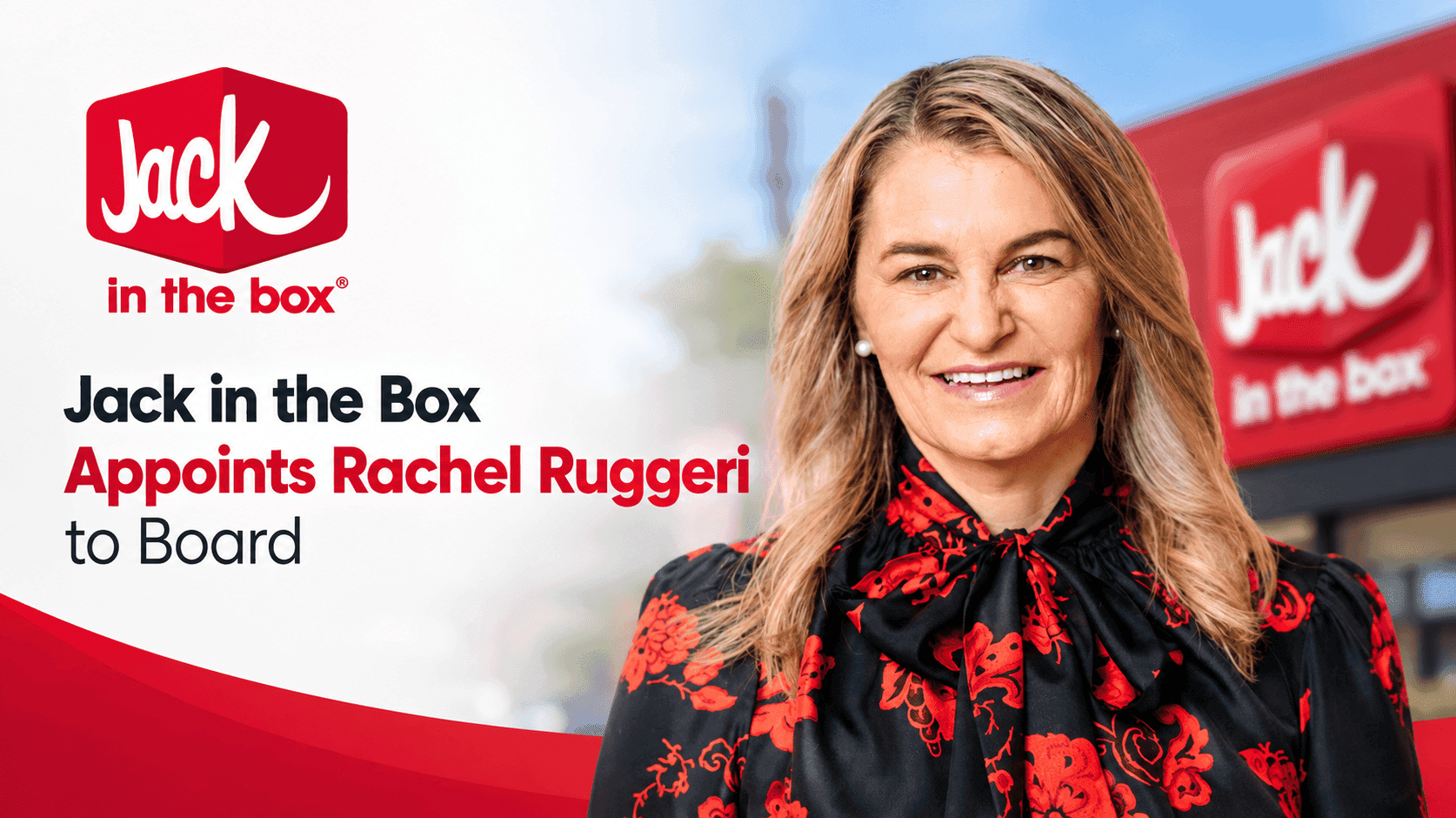
Jack in the Box names Rachel Ruggeri to its board as Michael Murphy retires, amid a CEO transition and deal with investor GreenWood.
Sep 21, 2026
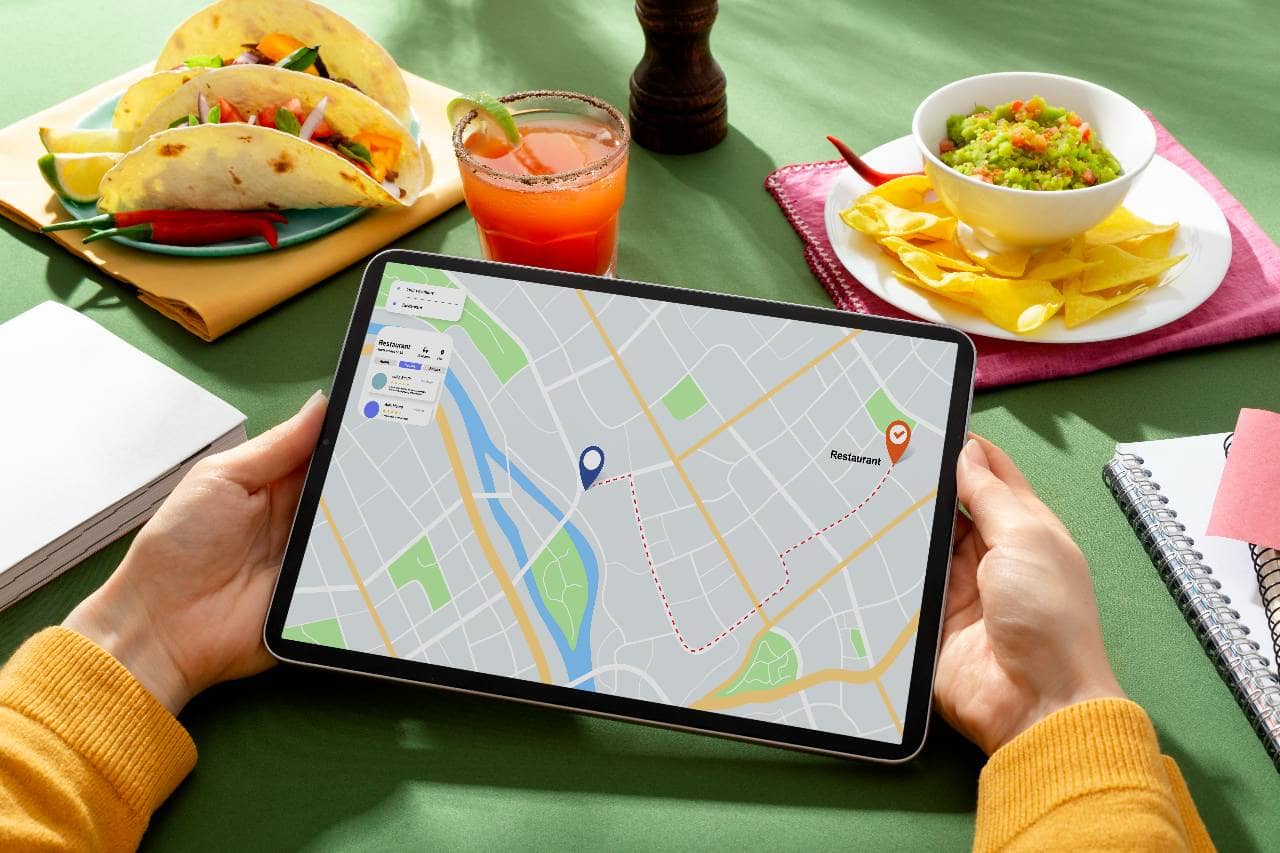
Improve restaurant Google Maps rankings by optimizing your business profile, selecting accurate categories, gathering reviews, adding photos, and strengthening local relevance signals.
Sep 21, 2026

Restaurant inventory tracking helps owners monitor stock, control food costs, reduce waste, improve purchasing, and make informed operational decisions.
Sep 21, 2026

Restaurant owners can significantly reduce restaurant costs by leveraging technology across inventory, labor, procurement, forecasting, and administrative operations for better profit margins.
Sep 18, 2026

Understand how to forecast restaurant revenue and expenses with methods for sales projection, cost scaling, fixed-cost planning, and risk buffering.
Sep 18, 2026

Unlock Exclusive Access To Webinars, Events, And The Latest News For Free!
Explore how Starbucks is prioritizing cost reduction, brand renovation, menu innovation, and addressing employee benefits to enhance its operations.
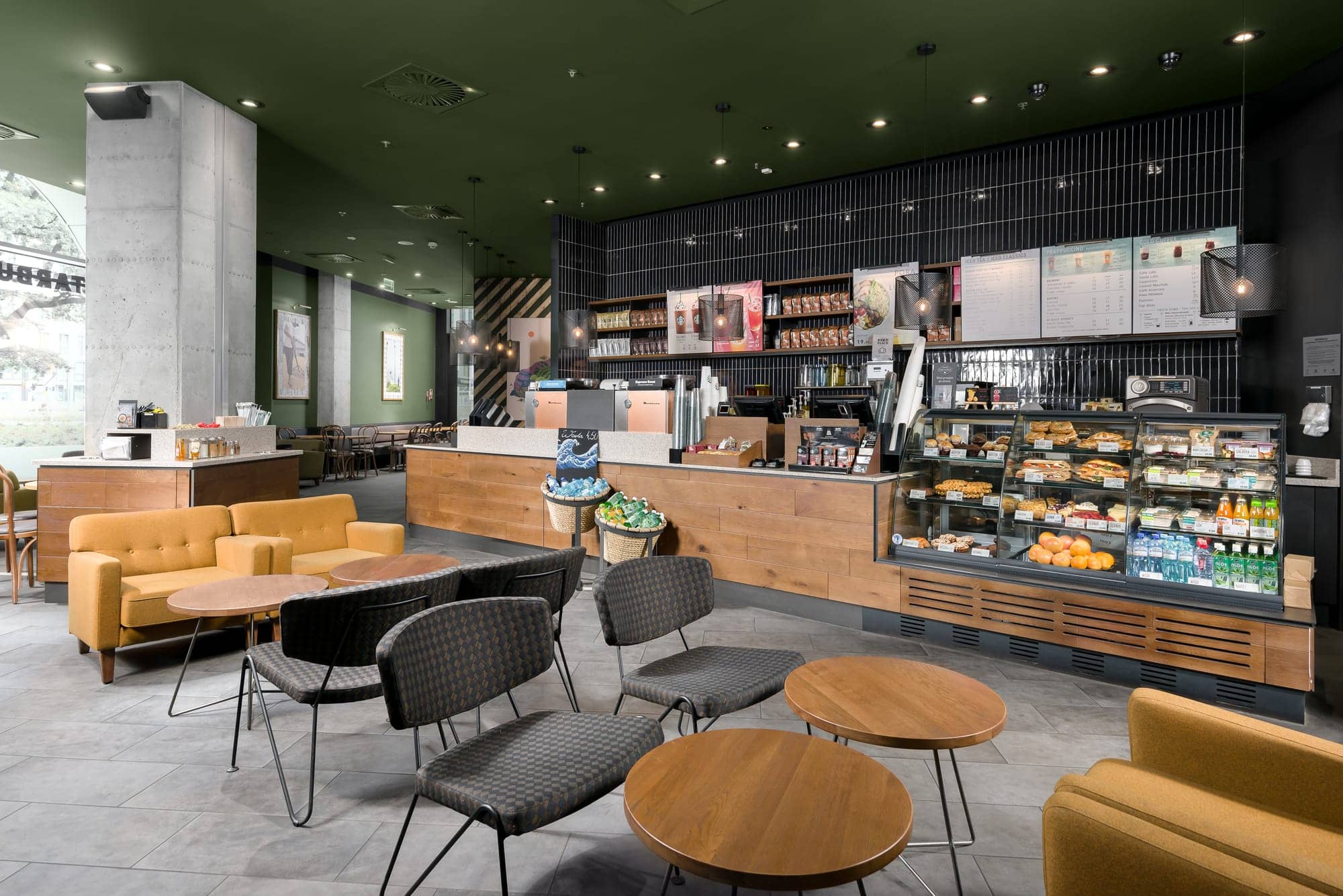
Starbucks, under the leadership of CEO Brian Niccol, has set its sights on significant operational shifts in the coming years, with cost reduction emerging as a top priority. Niccol's emphasis on reducing costs reflects the company's strategic goal to enhance operational efficiency and financial performance. The recent stock awards and Niccol's statements indicate a clear focus on streamlining operations to drive profitability.
In line with its strategy to refocus on the shopfloor experience, Starbucks is undergoing a brand renovation led by Niccol. The Green Apron Service model introduced by Starbucks integrates new service standards, partner plays, and deployment changes to enhance customer experience. This refurbishment effort aims to align with Starbucks' transition towards a coffeehouse-focused approach, emphasizing customer engagement and satisfaction.

As part of its brand overhaul, Starbucks is revamping its menu to attract consumers with new offerings and experiences. The company's move to trim menu items while introducing innovative coffee-forward beverages like the Cortado platform showcases a deliberate shift towards a more curated and engaging menu. By catering to evolving consumer preferences, Starbucks aims to strengthen its market position and drive foot traffic to its stores.
The recent discussions around Starbucks Workers United and employee bonuses bring to light the importance of employee welfare in the company's operations. While the bonuses raised concerns among some, Starbucks emphasizes its commitment to providing competitive benefits to its workforce. By ensuring that hourly workers receive a comprehensive benefits package equivalent to more than $30 per hour for over 20 hours of work per week, Starbucks aims to foster a positive work environment and enhance employee satisfaction.

Despite its efforts to improve employee benefits, Starbucks faces scrutiny over income inequalities within its workforce, with the median employee earning below the federal poverty line for an individual. This disparity underscores the ongoing challenges companies like Starbucks encounter in balancing profitability with equitable compensation. As Starbucks navigates these complexities, addressing income inequalities is likely to be a key area of focus to ensure sustainable growth and employee well-being.