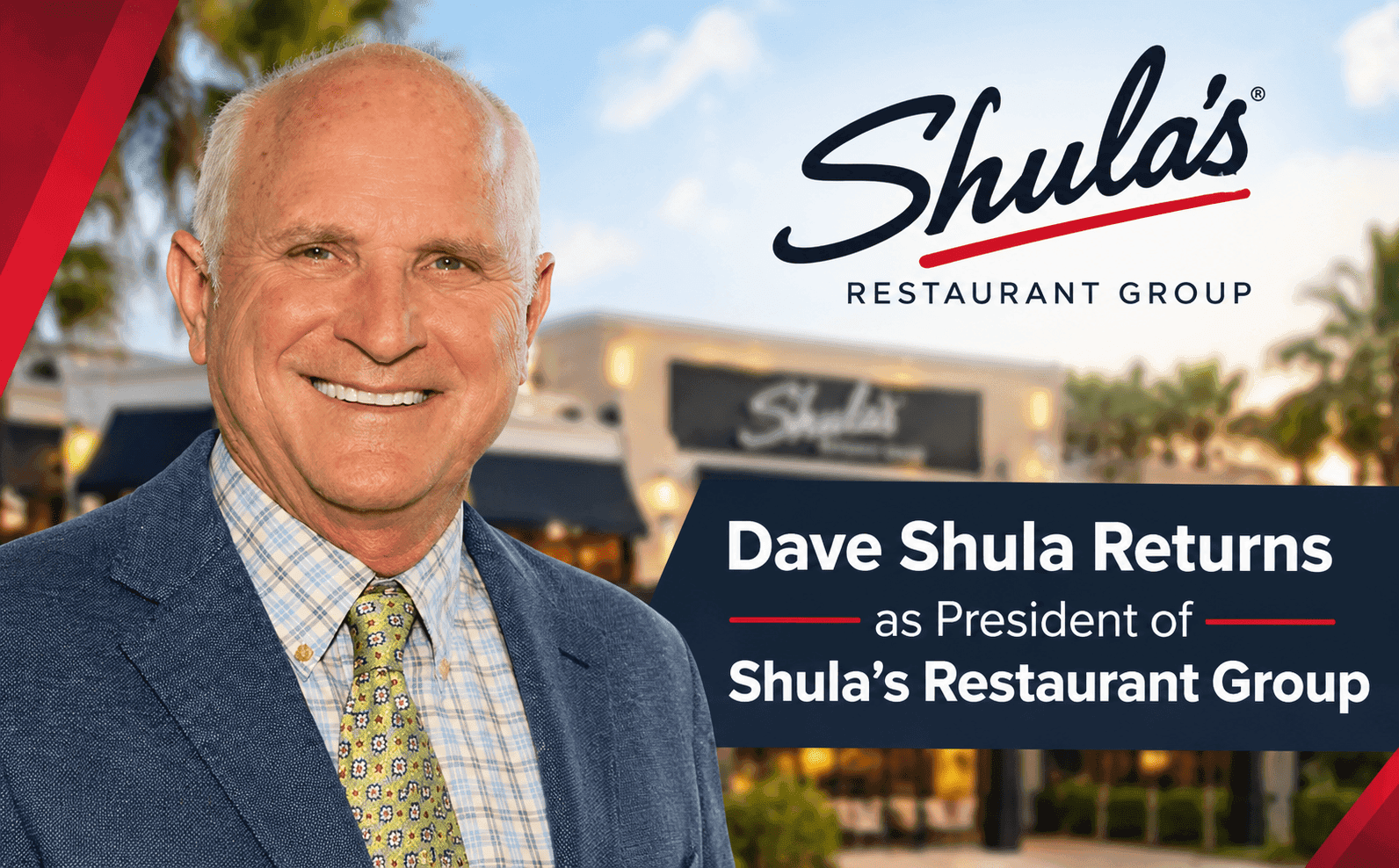
Dave Shula Returns as President of Shula's Restaurant Group
Dave Shula rejoins Shula's Restaurant Group as president, leading growth into Palm Beach Gardens and a 2027 Thomasville, Georgia expansion.
News
Sep 23, 2026
Dave Shula rejoins Shula's Restaurant Group as president, leading growth into Palm Beach Gardens and a 2027 Thomasville, Georgia expansion.
Sep 23, 2026
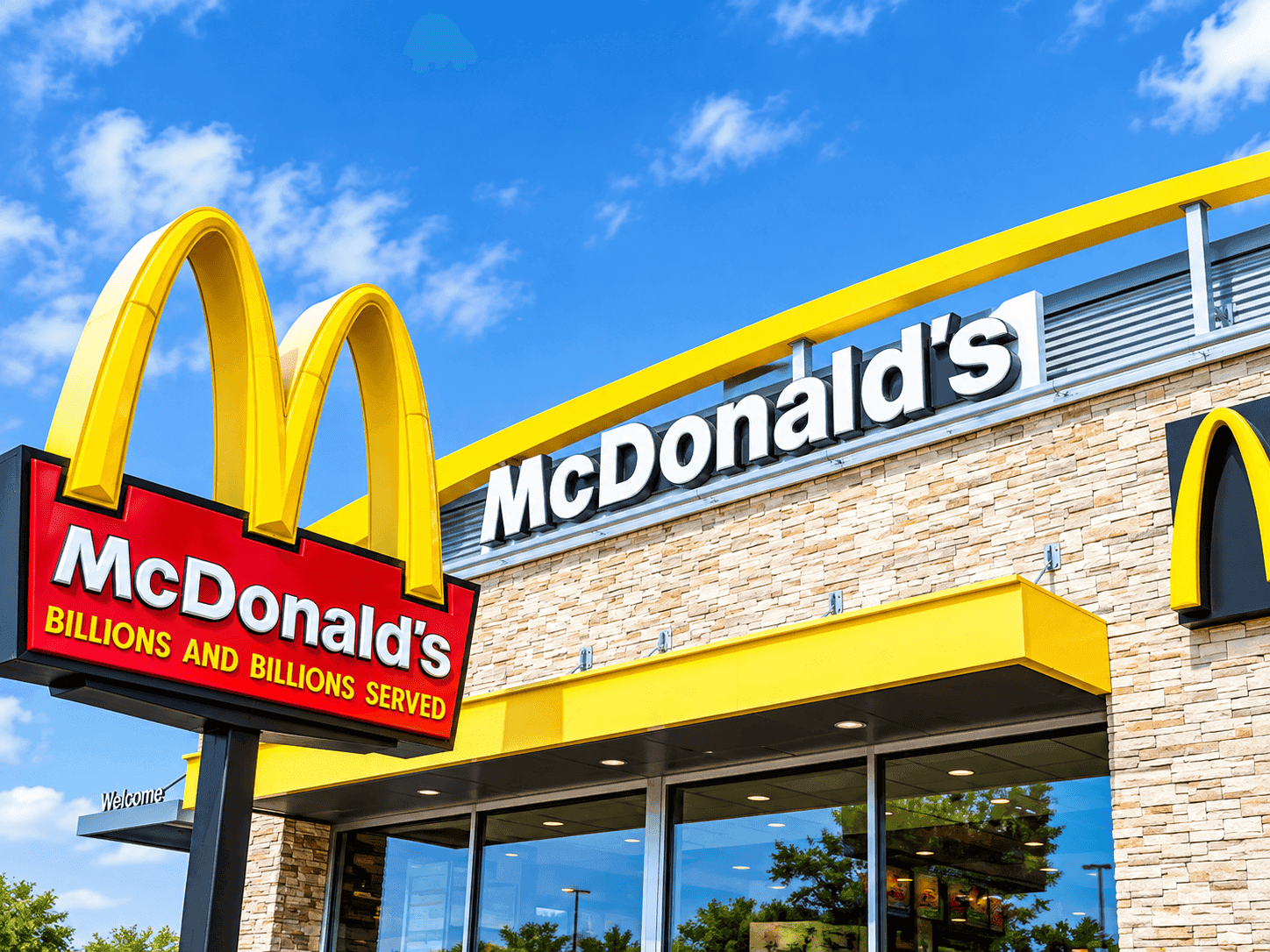
McDonald's commits $8.5 billion through 2036 to modernize restaurants, boost cash flow by $100,000 per store, and grow chicken and beverage sales.
Sep 23, 2026
WKS Restaurant Group promotes Jay Spongberg to president and COO after he helped grow the company from 65 to 382 restaurants over 16 years.
Sep 23, 2026

Smokey Mo's BBQ names Von Dawson, a Dine Brands veteran, as VP of Franchise Development to lead its Texas expansion strategy.
Sep 23, 2026
.png&w=3840&q=70)
Meritage Hospitality's Chapter 11 filing pulls 5% of Wendy's U.S. stores into bankruptcy, exposing cracks in franchising's bigger-is-safer bet.
Sep 21, 2026
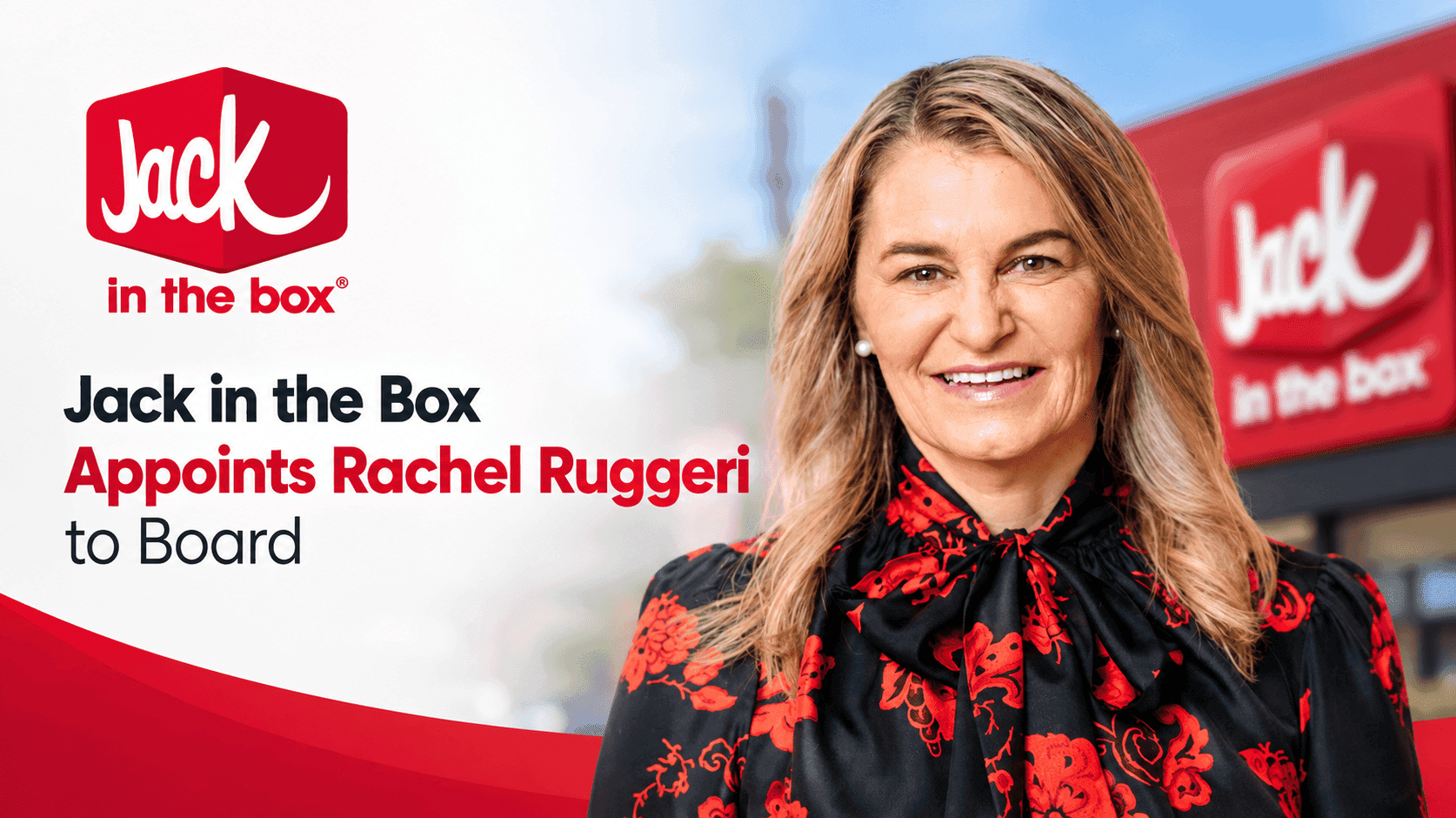
Jack in the Box names Rachel Ruggeri to its board as Michael Murphy retires, amid a CEO transition and deal with investor GreenWood.
Sep 21, 2026

Improve restaurant Google Maps rankings by optimizing your business profile, selecting accurate categories, gathering reviews, adding photos, and strengthening local relevance signals.
Sep 21, 2026

Restaurant inventory tracking helps owners monitor stock, control food costs, reduce waste, improve purchasing, and make informed operational decisions.
Sep 21, 2026

Restaurant owners can significantly reduce restaurant costs by leveraging technology across inventory, labor, procurement, forecasting, and administrative operations for better profit margins.
Sep 18, 2026

Understand how to forecast restaurant revenue and expenses with methods for sales projection, cost scaling, fixed-cost planning, and risk buffering.
Sep 18, 2026

Unlock Exclusive Access To Webinars, Events, And The Latest News For Free!
How restaurant operators are leveraging technology for efficient employer hiring and implementing innovative strategies for employee retention.

Photo by Jason Leung
Employers in the restaurant industry are adapting to a changing landscape by exercising greater discretion in hiring processes. The National Restaurant Association (NRA) highlighted a shift towards saving time for managers by streamlining the recruitment, interviewing, and onboarding processes. This shift is driven by the recognition that time spent on administrative tasks could be better utilized in core operational activities.
A significant trend identified by the NRA is the increasing investment in automated labor management, recruitment, and scheduling systems by restaurant operators. Southern Rock Restaurants, a prominent McAlister’s Deli franchisee, exemplifies this technological adoption. By leveraging technology, the company has reduced its hiring time significantly, hiring workers in as little as 24 hours compared to the traditional 14-day average using manual methods.

Photo by Jason Leung
The NRA report also underlines the growing reliance on employee referral programs in recruitment strategies. Southern Rock Restaurants' use of QR codes and text-to-apply options has facilitated convenient application submissions via mobile devices. Moreover, employee referral programs offer bonuses for successful referrals, merging technology's speed with the credibility of employee endorsements. This approach is echoed in the NRA's finding that operators consider their employees to be the best advocates for attracting new talent.
Despite the benefits of technology, some employers remain anchored to traditional hiring practices, citing managerial preferences. The NRA noted instances where family-owned dining groups continue with manual processes, emphasizing the importance of managerial comfort. However, the success of such establishments in filling shifts showcases that a blend of approaches can be effective in recruitment.
The emphasis on employee retention in the restaurant industry is gaining momentum. Data from Paradox revealed concerning statistics where a significant percentage of candidates dropped off before their start dates, highlighting the retention challenge. To address this, operators are investing in enhanced management communication and proactive support for new hires, aiming to improve employee retention rates.
Standardized training programs, like the '20-day promise' implemented by a multi-brand restaurant company, offer a structured approach to onboarding. By setting clear expectations and shift-by-shift training benchmarks, such programs help employees transition smoothly into their roles, enhancing their overall onboarding experience. Transparency and consistent communication play crucial roles in easing new employees into the organization.