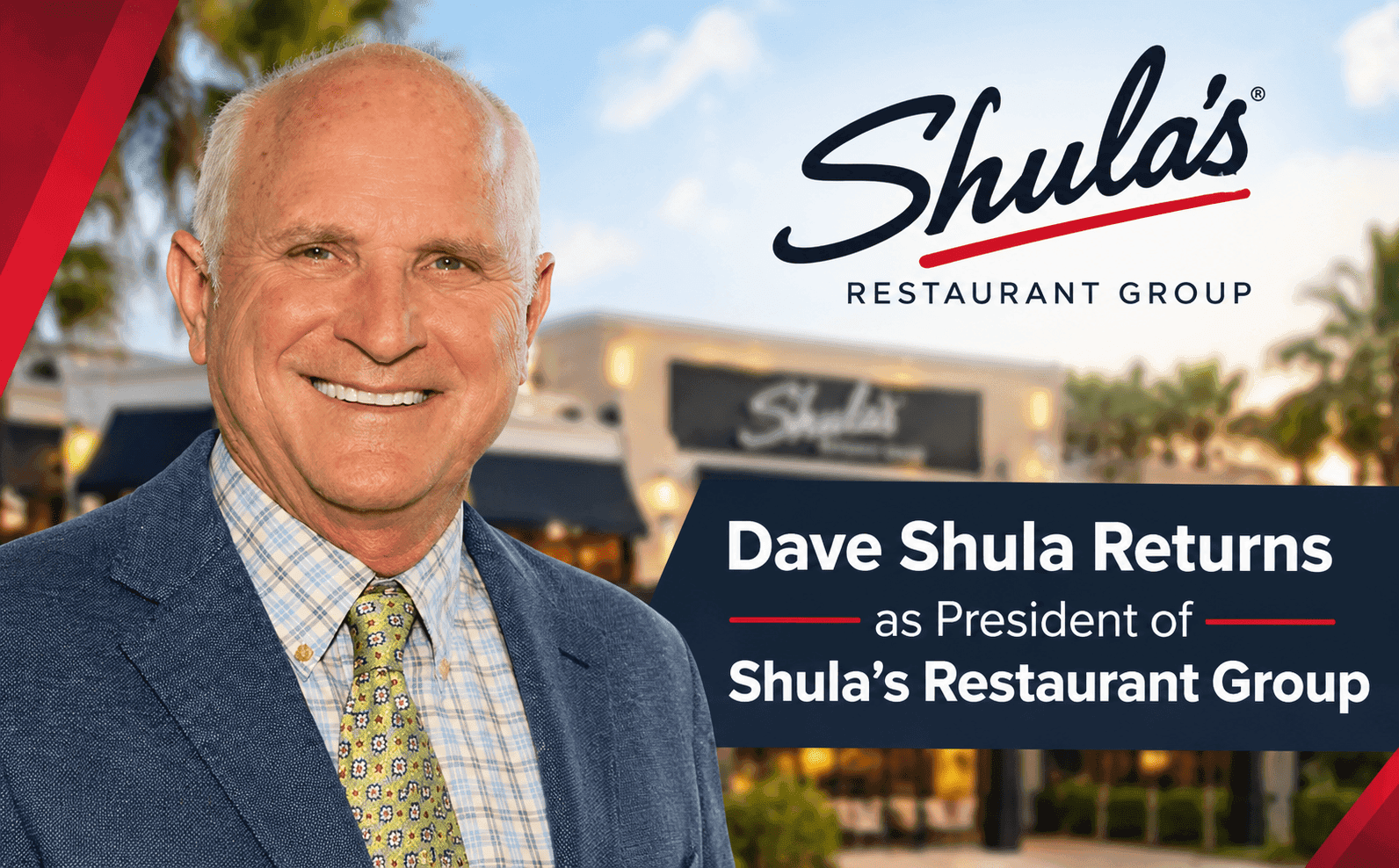
Dave Shula Returns as President of Shula's Restaurant Group
Dave Shula rejoins Shula's Restaurant Group as president, leading growth into Palm Beach Gardens and a 2027 Thomasville, Georgia expansion.
News
Sep 23, 2026
Dave Shula rejoins Shula's Restaurant Group as president, leading growth into Palm Beach Gardens and a 2027 Thomasville, Georgia expansion.
Sep 23, 2026
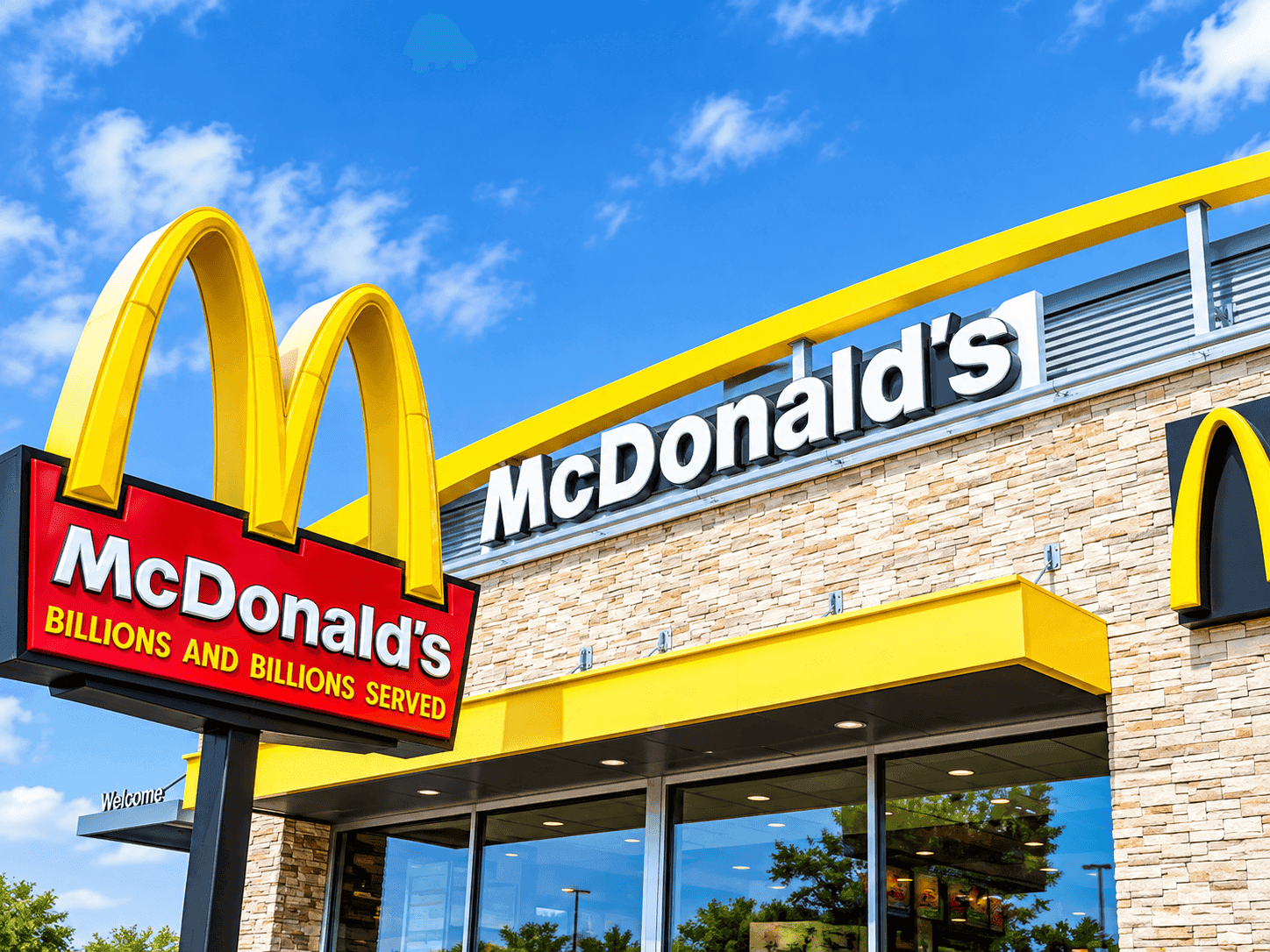
McDonald's commits $8.5 billion through 2036 to modernize restaurants, boost cash flow by $100,000 per store, and grow chicken and beverage sales.
Sep 23, 2026
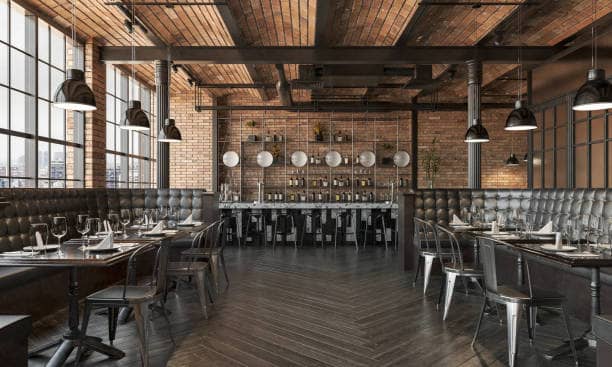
WKS Restaurant Group promotes Jay Spongberg to president and COO after he helped grow the company from 65 to 382 restaurants over 16 years.
Sep 23, 2026

Smokey Mo's BBQ names Von Dawson, a Dine Brands veteran, as VP of Franchise Development to lead its Texas expansion strategy.
Sep 23, 2026
.png&w=3840&q=70)
Meritage Hospitality's Chapter 11 filing pulls 5% of Wendy's U.S. stores into bankruptcy, exposing cracks in franchising's bigger-is-safer bet.
Sep 21, 2026
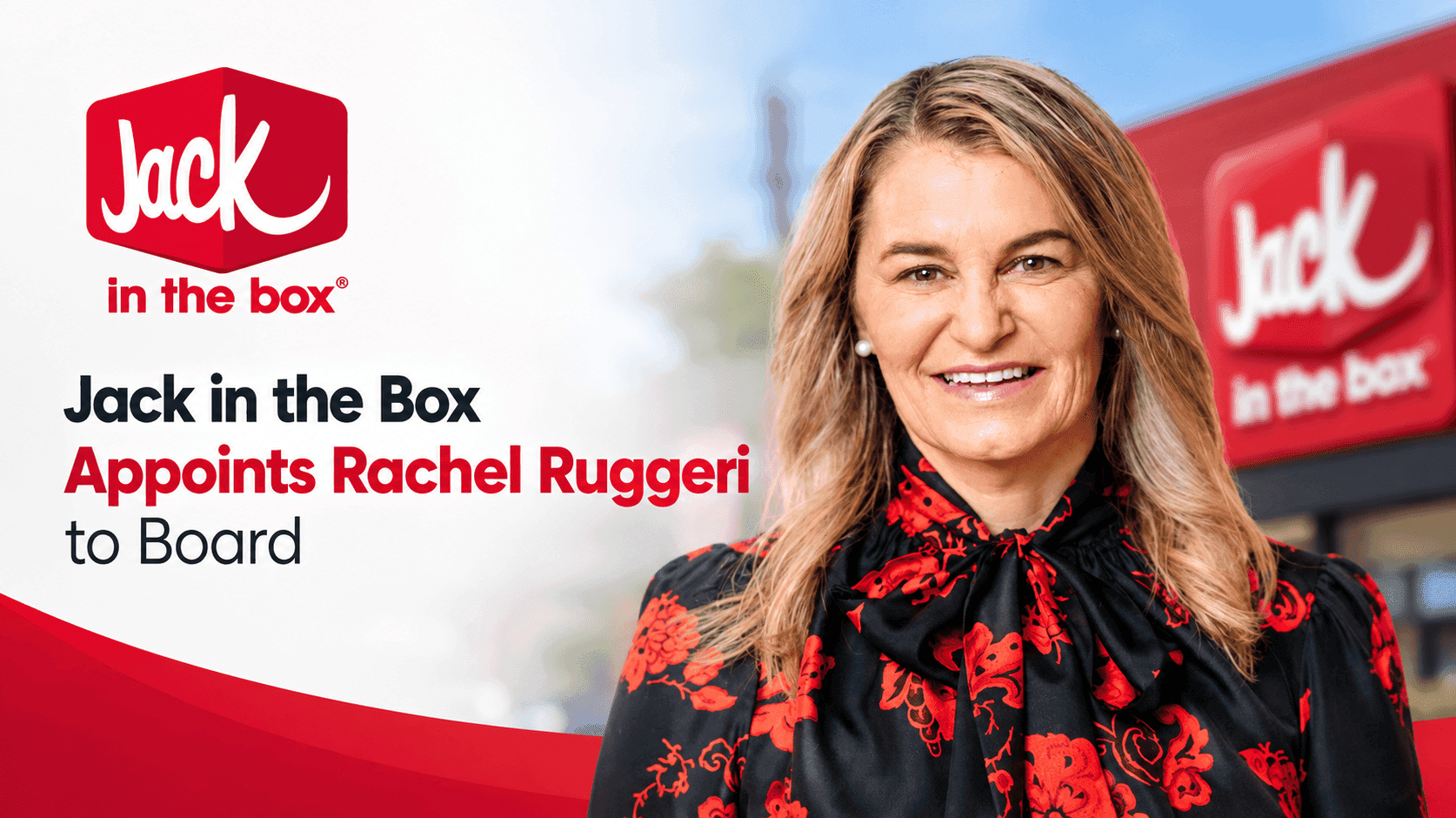
Jack in the Box names Rachel Ruggeri to its board as Michael Murphy retires, amid a CEO transition and deal with investor GreenWood.
Sep 21, 2026
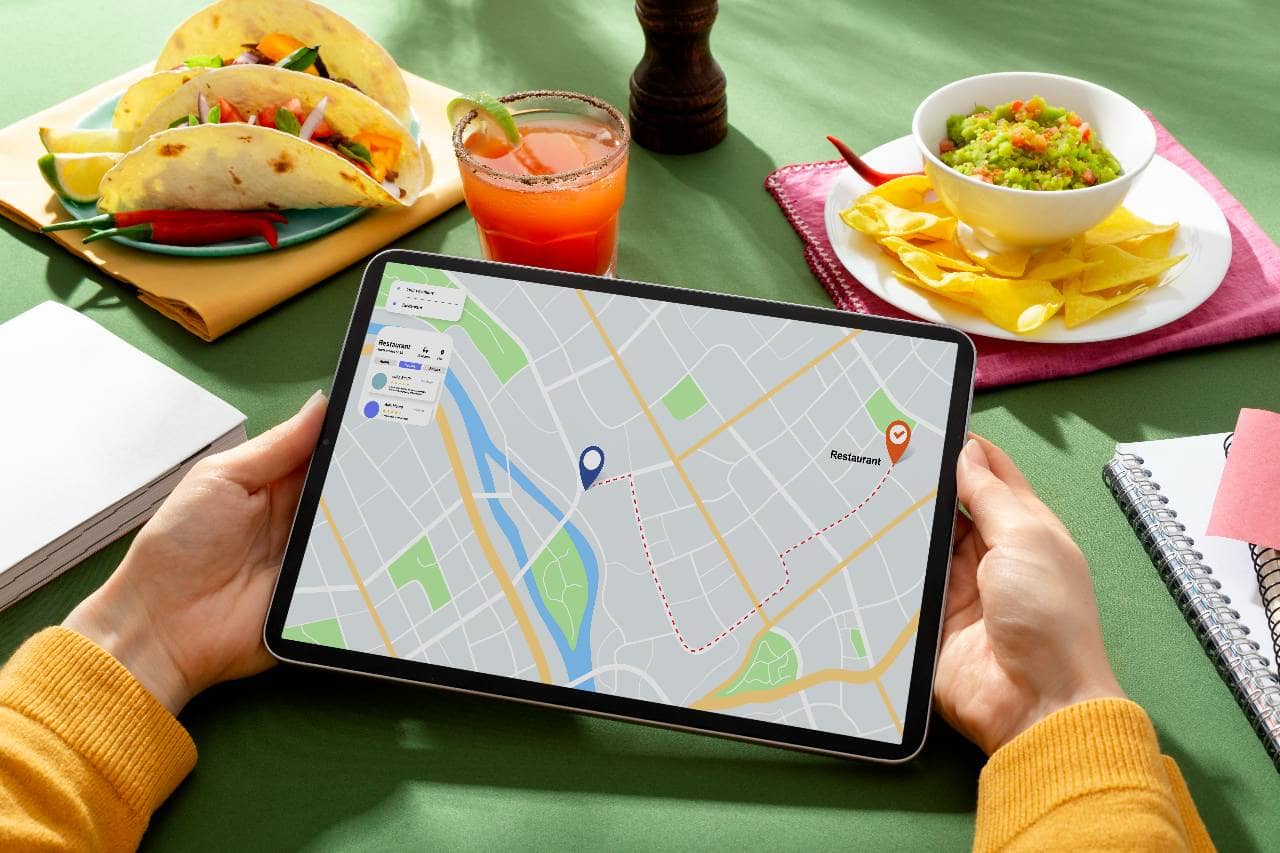
Improve restaurant Google Maps rankings by optimizing your business profile, selecting accurate categories, gathering reviews, adding photos, and strengthening local relevance signals.
Sep 21, 2026

Restaurant inventory tracking helps owners monitor stock, control food costs, reduce waste, improve purchasing, and make informed operational decisions.
Sep 21, 2026

Restaurant owners can significantly reduce restaurant costs by leveraging technology across inventory, labor, procurement, forecasting, and administrative operations for better profit margins.
Sep 18, 2026

Understand how to forecast restaurant revenue and expenses with methods for sales projection, cost scaling, fixed-cost planning, and risk buffering.
Sep 18, 2026

Unlock Exclusive Access To Webinars, Events, And The Latest News For Free!
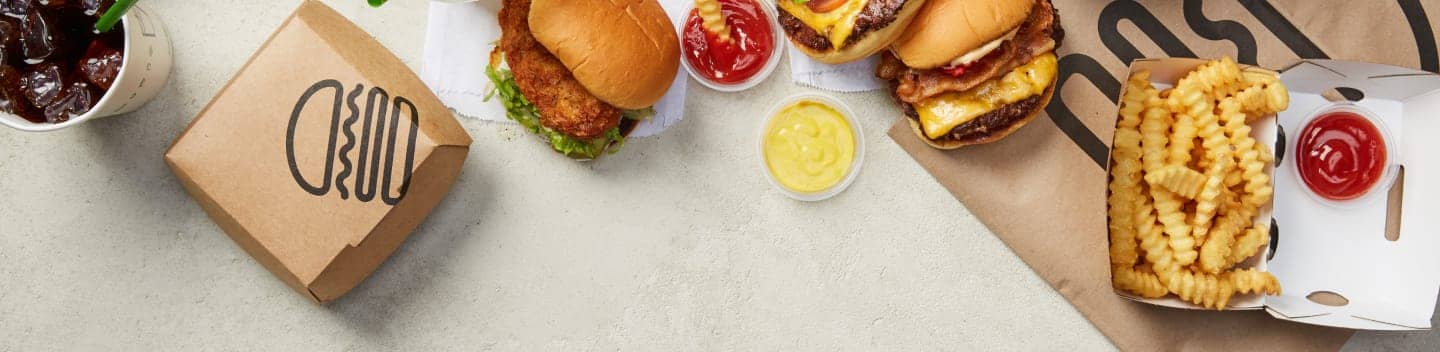
Explore how leading restaurants like Shake Shack focus on maintaining high levels of guest service while improving operational efficiency to drive better experiences and customer satisfaction.
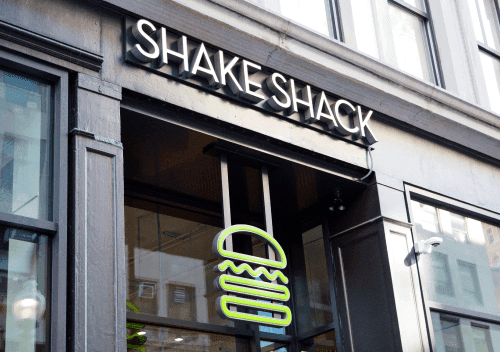
In the competitive landscape of the restaurant industry, maintaining high levels of guest service while improving operational efficiency is a critical focus for success. Shake Shack's commitment to prioritizing guest satisfaction, as highlighted by their CEO, underscores the importance of delivering exceptional experiences to customers. By emphasizing productivity alongside increased guest satisfaction, restaurants can build a loyal customer base and stay ahead of the competition.
One of the ongoing challenges faced by restaurants like Shake Shack is throughput, especially in reducing order wait times. By addressing this challenge and continuously working on minimizing wait times, restaurants can enhance customer experience and drive loyalty. Strategies like optimizing kitchen processes, implementing technology solutions, and streamlined workflows can significantly impact throughput efficiency.
Drive-thru service plays a crucial role in improving speed and convenience for customers. Shake Shack's introduction of drive-thru combos not only aims to bridge the speed gap with competitors but also enhances the overall value proposition for customers. By offering bundled meal options and efficient drive-thru service, restaurants can cater to customer preferences and boost operational efficiency.
Despite facing challenges like fluctuating traffic due to external factors such as bad weather, successful restaurants adapt by innovating their formats, layouts, and operational processes. Shake Shack's strategy of introducing smaller formats and exploring new ordering channels demonstrates a proactive approach to meeting changing consumer demands and market trends. Adapting to industry pressures ensures that restaurants can remain competitive and continue to deliver exceptional guest experiences.
Continuous improvement in guest experience, culinary offerings, and operational efficiency is fundamental to the long-term success of restaurants. By leveraging data-driven insights, feedback mechanisms, and innovative solutions, restaurants can outperform customer expectations, reduce operating costs, and enhance overall profitability. The focus on pushing culinary boundaries while maintaining cost efficiency reflects a balanced approach to driving growth and innovation.