SignalFlare AI Names Robert Peterson Chief Revenue Officer
SignalFlare AI hires restaurant tech veteran Robert Peterson as CRO to drive adoption of its Navigator decision intelligence platform.
News
Oct 9, 2026
SignalFlare AI hires restaurant tech veteran Robert Peterson as CRO to drive adoption of its Navigator decision intelligence platform.
Oct 9, 2026
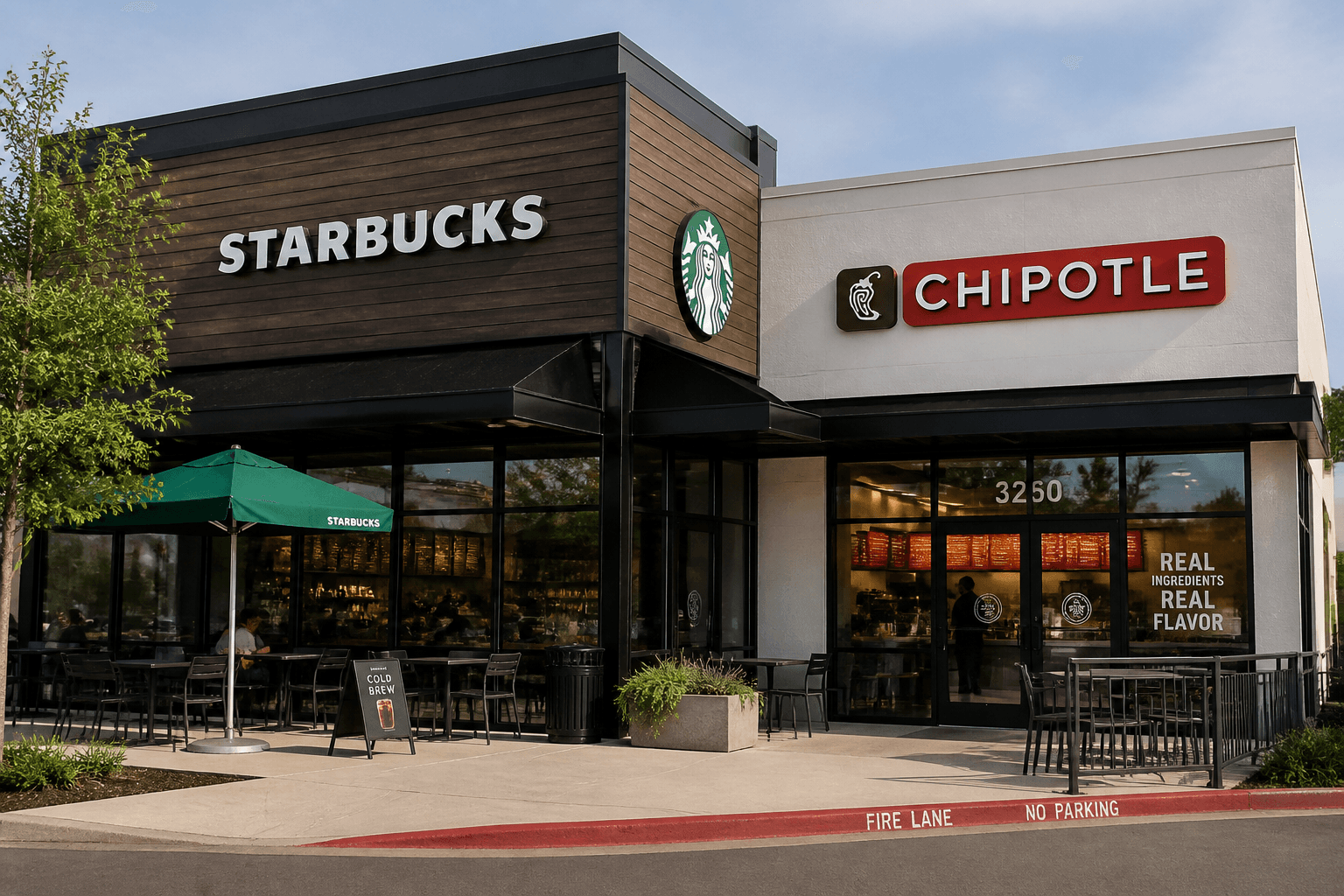
Reports of a Starbucks takeover bid for Chipotle sent shares in opposite directions, raising big questions about strategy, cost, and Brian Niccol's role.
Oct 9, 2026

CKE Restaurants names marketing veteran Alisa Gmelich President of Hardee's, tasking her with rebuilding franchisee trust and driving growth.
Oct 7, 2026

POS data helps restaurant owners control food costs by improving purchasing, reducing waste, optimizing portions, analyzing profitability, and managing inventory.
Oct 7, 2026

Understand overtime rules for restaurant employees, including eligibility, pay calculations, hours worked, compliance requirements, timekeeping, and overtime management.
Oct 7, 2026
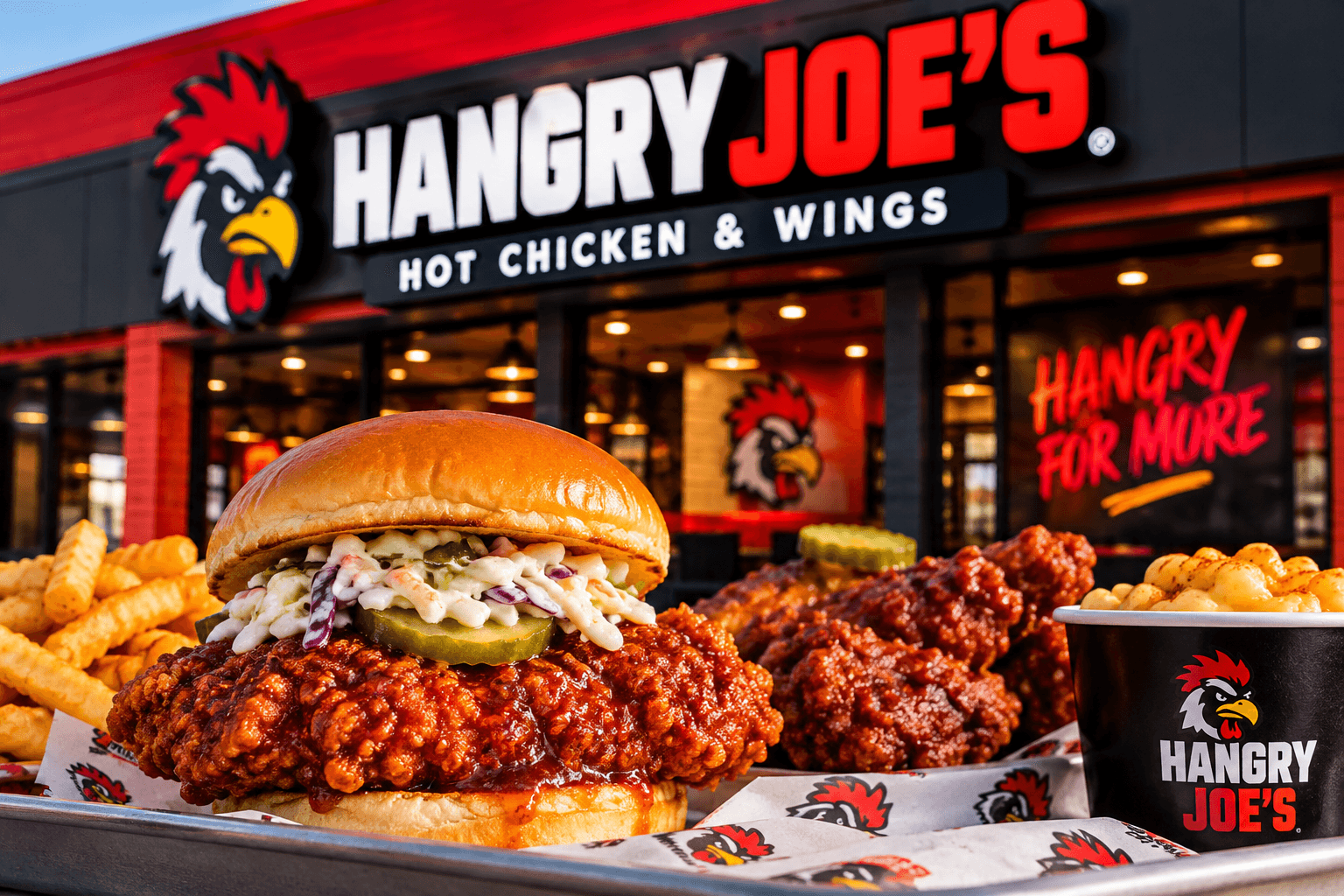
Hangry Joe's promotes insider Brandon Wilhelm to CEO, prioritizing franchisee profitability over rapid unit growth as the chain expands past 90 locations.
Oct 6, 2026
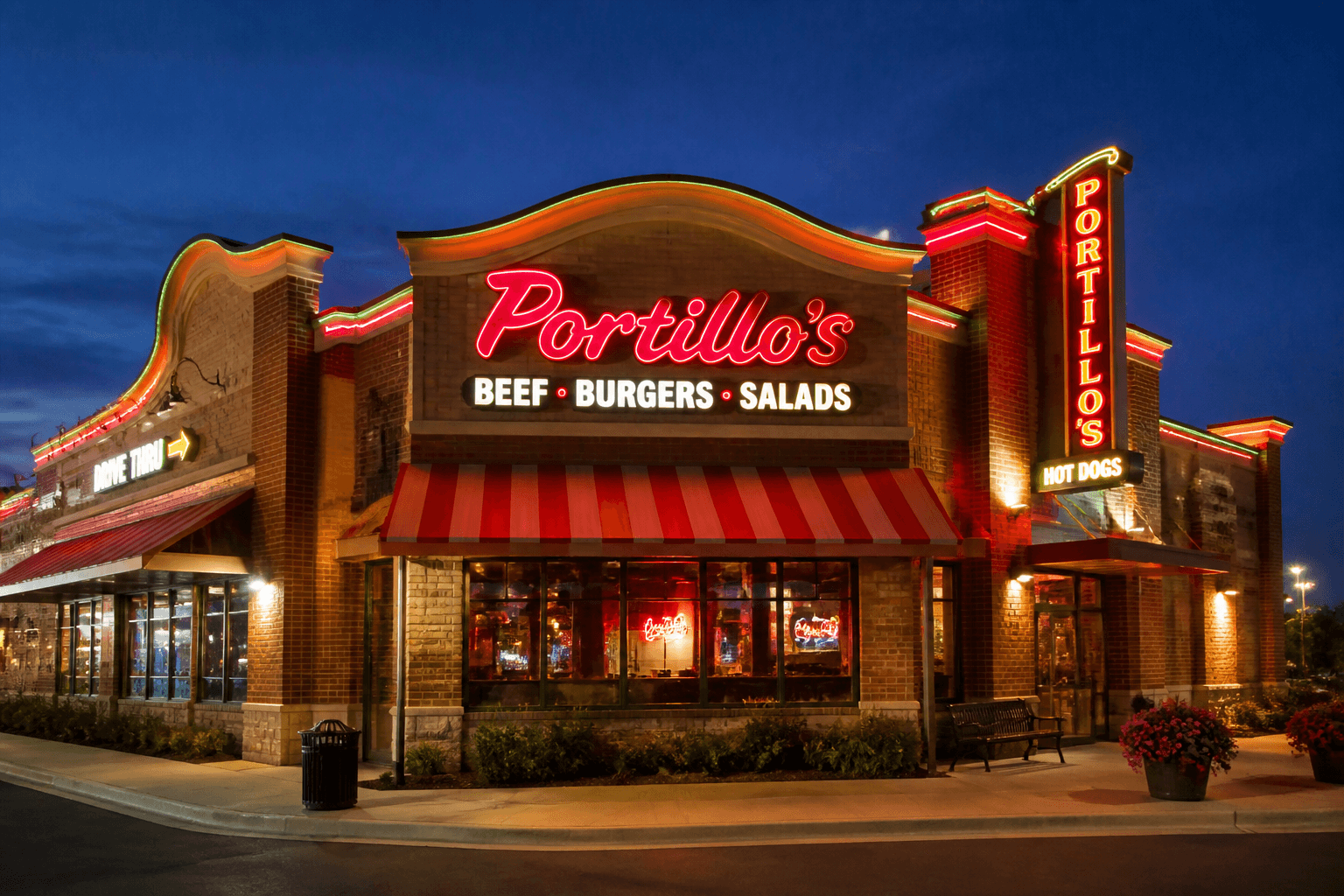
Portillo's chief people officer Jill Waite departs as new CEO Brett Patterson reshapes leadership with layoffs and fresh executive hires.
Oct 6, 2026
Uber is paying $2.3 billion to acquire ezCater, merging its catering network into Uber Eats and Uber for Business to enter workplace catering.
Oct 6, 2026
A new lawsuit claims McDonald's pricing tool pressures franchisees into algorithmic price-fixing, raising fresh antitrust questions for the chain.
Oct 6, 2026

True Food Kitchen filed for Chapter 11 bankruptcy, closing 12 locations and shrinking to 34 restaurants across 14 states amid $42.1 million in debt.
Oct 5, 2026

Unlock Exclusive Access To Webinars, Events, And The Latest News For Free!
Explore how McDonald’s is changing its inclusion strategy and how New York City restaurants are preparing for the nation’s first congestion pricing initiative.
McDonald’s recent announcement to discontinue setting 'aspirational representation goals' marks a pivotal shift in its inclusion strategy. The decision to move away from these goals, initially implemented in response to societal events, indicates a broader strategic recalibration. By abandoning aspirational representation targets, McDonald’s may be transitioning towards a more nuanced and dynamic approach to fostering diversity and inclusion within its workforce.
This notable departure from setting specific diversity benchmarks can have implications on how companies in the quick-service restaurant sector structure their inclusion strategies. McDonald’s move could prompt discussions on the effectiveness and sustainability of aspirational representation goals in achieving lasting diversity and equity in the workplace. It also underlines the importance of constantly evaluating and adapting inclusion initiatives to align with evolving societal and organizational needs.

The introduction of congestion pricing in New York City has stirred concerns among restaurants operating below 60th Street in Manhattan. With additional fees imposed on distribution trucks and surcharges for employees and patrons driving into the city, the hospitality industry is bracing for financial impacts. Understanding the ramifications of congestion pricing on the restaurant landscape is crucial for businesses to strategize and mitigate potential challenges arising from the new fee structures.
Artistry Restaurants’ recent acquisition of the Hickory Tavern casual-dining concept represents a significant expansion for the company. The move into North Carolina and South Carolina signifies Artistry Restaurants' strategic growth beyond its current market presence. By incorporating the 20-unit Hickory Tavern into its portfolio, Artistry Restaurants showcases its commitment to diversifying its offerings and expanding geographically, providing new opportunities for the brand to reach a broader customer base.