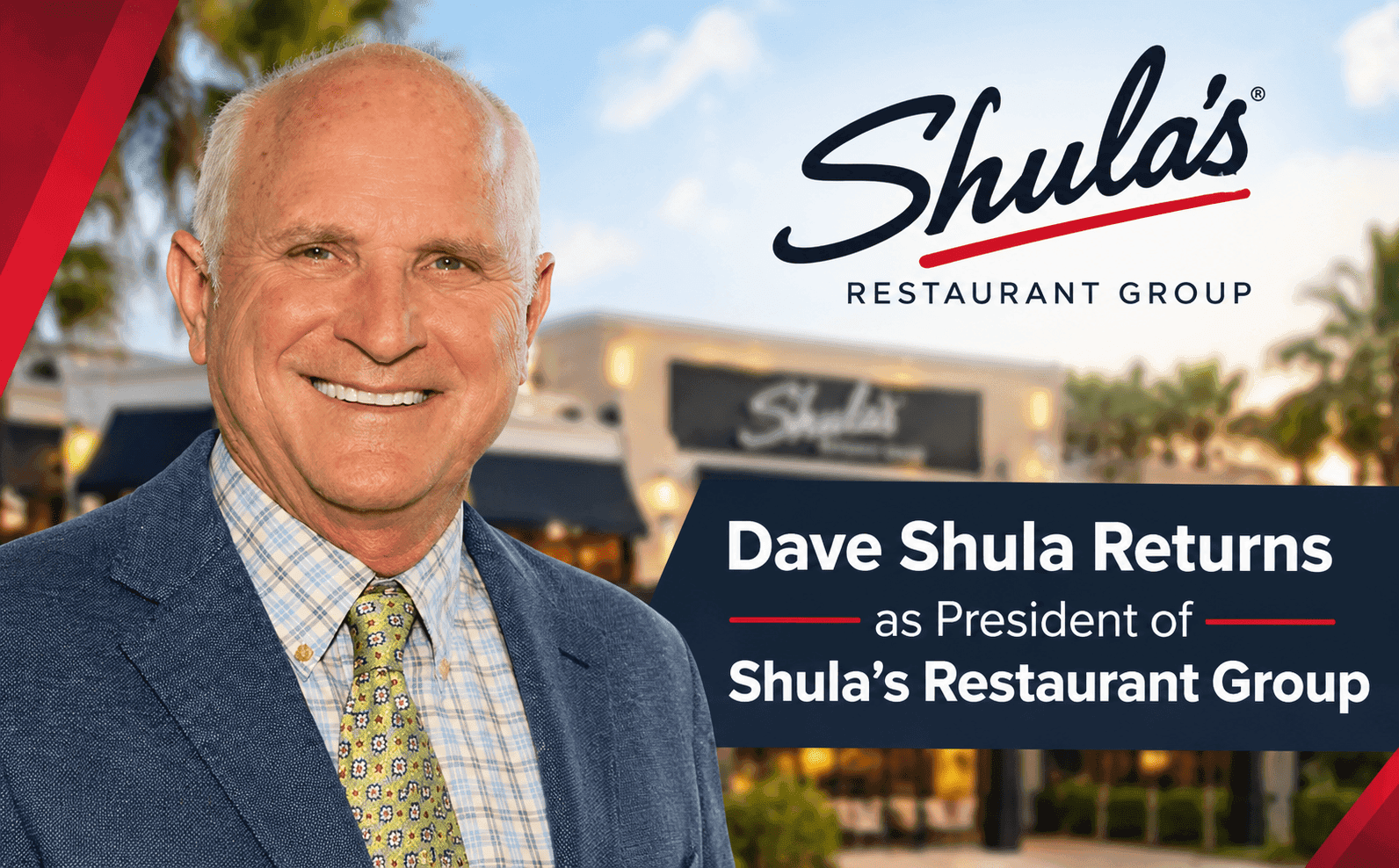
Dave Shula Returns as President of Shula's Restaurant Group
Dave Shula rejoins Shula's Restaurant Group as president, leading growth into Palm Beach Gardens and a 2027 Thomasville, Georgia expansion.
News
Sep 23, 2026
Dave Shula rejoins Shula's Restaurant Group as president, leading growth into Palm Beach Gardens and a 2027 Thomasville, Georgia expansion.
Sep 23, 2026
McDonald's commits $8.5 billion through 2036 to modernize restaurants, boost cash flow by $100,000 per store, and grow chicken and beverage sales.
Sep 23, 2026
WKS Restaurant Group promotes Jay Spongberg to president and COO after he helped grow the company from 65 to 382 restaurants over 16 years.
Sep 23, 2026

Smokey Mo's BBQ names Von Dawson, a Dine Brands veteran, as VP of Franchise Development to lead its Texas expansion strategy.
Sep 23, 2026
.png&w=3840&q=70)
Meritage Hospitality's Chapter 11 filing pulls 5% of Wendy's U.S. stores into bankruptcy, exposing cracks in franchising's bigger-is-safer bet.
Sep 21, 2026
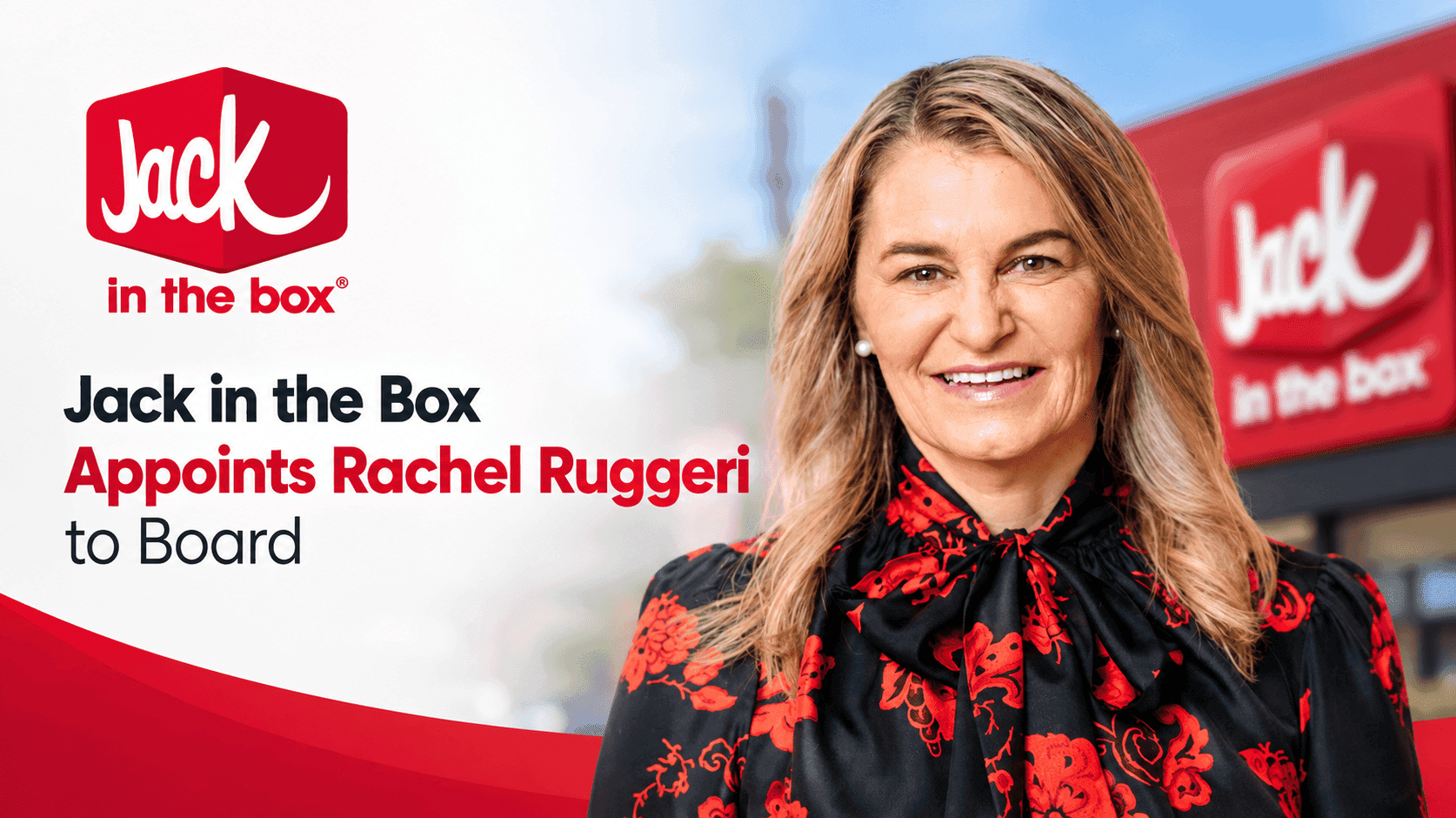
Jack in the Box names Rachel Ruggeri to its board as Michael Murphy retires, amid a CEO transition and deal with investor GreenWood.
Sep 21, 2026

Improve restaurant Google Maps rankings by optimizing your business profile, selecting accurate categories, gathering reviews, adding photos, and strengthening local relevance signals.
Sep 21, 2026

Restaurant inventory tracking helps owners monitor stock, control food costs, reduce waste, improve purchasing, and make informed operational decisions.
Sep 21, 2026

Restaurant owners can significantly reduce restaurant costs by leveraging technology across inventory, labor, procurement, forecasting, and administrative operations for better profit margins.
Sep 18, 2026

Understand how to forecast restaurant revenue and expenses with methods for sales projection, cost scaling, fixed-cost planning, and risk buffering.
Sep 18, 2026

Unlock Exclusive Access To Webinars, Events, And The Latest News For Free!
Explore how restaurants are managing their supply chains amidst trade changes and tariffs, impacting costs and operations.

Photo by Jason Leung
The recent tariff fluctuations and trade uncertainties have compelled restaurant chains to assess the potential impacts on their supply chains. With tariffs affecting global trade flows and sourcing costs, companies are strategizing to navigate through these challenges effectively. Uncertainty surrounding tariffs on various goods from countries like Canada, China, and Mexico has forced restaurant businesses to evaluate their procurement and sourcing processes.
Many chains like Cava and Sweetgreen have proactively addressed tariff concerns by predominantly sourcing food domestically, hence reducing exposure to international trade fluctuations. By working closely with suppliers to ensure minimal disruptions and cost exposure, these chains are safeguarding their supply chains against the volatility caused by tariffs. Collaborative efforts with suppliers to shift sourcing locations, build inventory, and adapt to changing tariff landscapes are key strategies employed by industry players.
Restaurant chain executives like Bloomin’s CFO Michael Healy and Brinker’s CFO Mika Ware have provided insights into the potential impact of tariffs on their businesses. They anticipate moderate impacts on costs and margins, particularly in the second half of the year if tariffs are fully implemented. By quantifying the impact on food and beverage costs and leveraging existing pricing strategies, these companies aim to absorb tariff expenses within their current financial frameworks.

Photo by Jason Leung
To counter the effects of tariffs on restaurant operations, chains like Noodles & Company and Potbelly are making adjustments to margins and supply chain processes. By securing fixed-rate agreements and diversifying sourcing channels, these companies are preparing for potential cost escalations due to tariffs. Monitoring tariffs daily, preparing for possible impacts, and maintaining flexibility in procurement are critical elements of the operational adjustments being made.
In the face of tariff uncertainties, restaurant brands are seeking innovative solutions to maintain operational efficiency. Companies like Sweetgreen are investing in automated technologies like the Infinite Kitchen to enhance productivity and offset potential cost increases due to tariffs. By focusing on long-term labor savings and streamlining throughput, these chains are ensuring that tariff challenges do not hinder their growth and expansion plans.
Starbucks and Yum executives emphasize collaborative efforts to manage tariff risks and supply chain disruptions. By localizing and diversifying production and supply sources, these chains are strengthening their resilience against tariff-induced variations. Leveraging global footprints, redirecting shipments, and fostering partnerships with suppliers are integral components of their risk mitigation strategies.