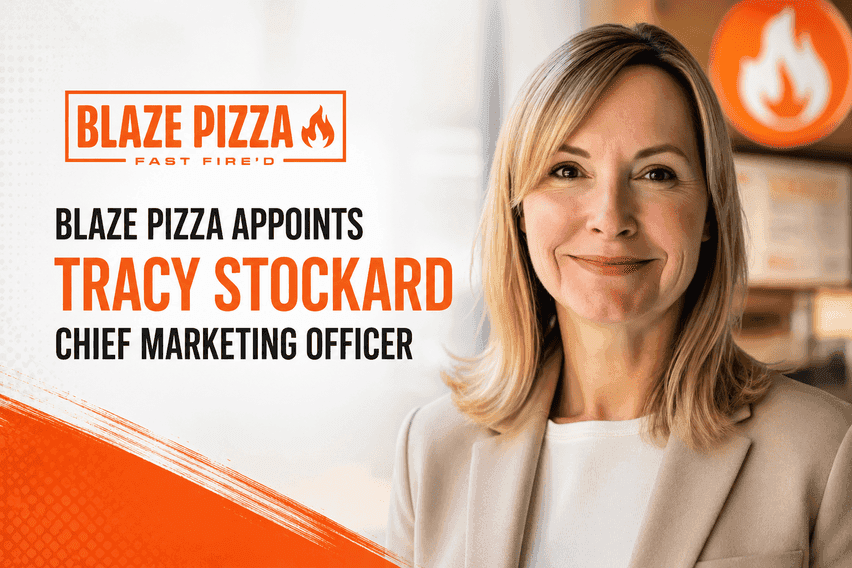
Blaze Pizza Names Tracy Stockard CMO
Blaze Pizza welcomes Tracy Stockard as Chief Marketing Officer, bringing decades of brand and franchise experience to drive strategic growth and guest engagement.
News
Aug 25, 2026
Blaze Pizza welcomes Tracy Stockard as Chief Marketing Officer, bringing decades of brand and franchise experience to drive strategic growth and guest engagement.
Aug 25, 2026
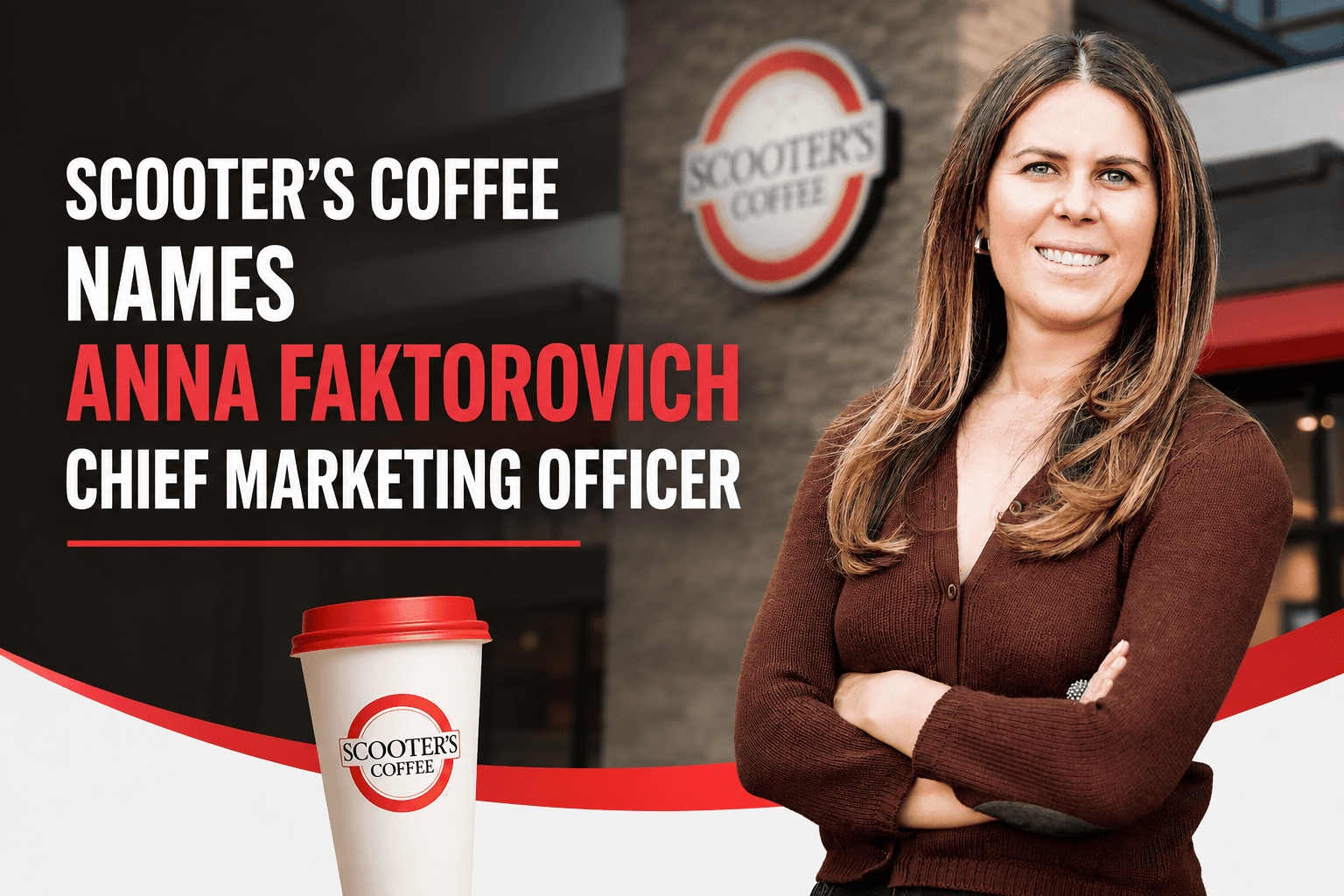
Anna Faktorovich, a seasoned marketing executive, has been named Chief Marketing Officer at Scooter’s Coffee, bringing decades of multi-brand experience to fuel the franchise’s next growth stage.
Aug 25, 2026
A payroll advance policy helps restaurant owners define eligibility, limits, repayment, documentation, approval procedures, and compliance requirements for employee advances.
Aug 24, 2026

Create a practical restaurant marketing plan by setting goals, targeting customers, choosing channels, budgeting wisely, scheduling campaigns, and measuring results.
Aug 24, 2026
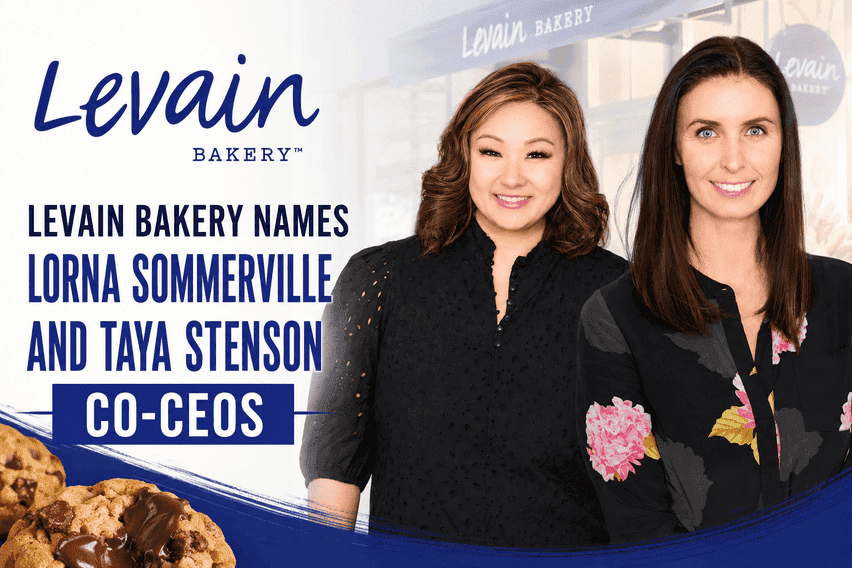
Levain Bakery appoints Lorna Sommerville and Taya Stenson as co-CEOs, blending operational and marketing expertise to power national expansion and innovation while staying rooted in its brand values.
Aug 25, 2026
Dave & Buster's refreshes its executive lineup with seasoned leaders in operations, marketing, tech, and finance - signaling a growth-driven future for restaurant operators to watch.
Aug 24, 2026
Wendy’s announces Tariq Hassan as Chief Marketing and Customer Growth Officer, charting a new course for brand and digital innovation. What restaurant owners can learn.
Aug 24, 2026
Learn how to build a restaurant back office software stack that improves efficiency, integrations, reporting, cost control, and scalability overall.
Aug 21, 2026
Clear operating procedures help restaurants manage opening, closing, food preparation, sanitation, guest service, inventory, staffing, and routine operational reviews effectively.
Aug 21, 2026
Starbucks is making strategic staffing changes, laying off 200+ workers as it restructures operations and prepares for future growth in southern and eastern regions.
Aug 21, 2026

Unlock Exclusive Access To Webinars, Events, And The Latest News For Free!
Oakwell Beer Spa plans a 2026 U.S. franchise after $2.6M Denver sales, blending spa suites and taproom experiences amid rising gender-neutral, social wellness demand.
Photo by
Oakwell Beer Spa is taking the taproom into the treatment room with the launch of a national franchise system in January 2026, the first time a beer-and-spa concept has been tailored for American audiences. Its inaugural Denver location reported $2.6 million in gross sales in 2024, with spa services contributing 91 percent of revenue and beverages plus retail making up the remainder.
The founders, Jessica and Damien Zouaoui, built the idea on the road. After quitting corporate roles in New York City, they spent 14 months across 25 countries searching for a scalable concept. A beer spa in Poland, where saunas, massages and communal spaces mingled with beer, sparked the blueprint. “We love hospitality, we love wellness, and it was really the perfect mix of all these things that we really care about,” said Jessica Zouaoui.
Wine service in French spas, and drinks offered at Japanese onsens and Korean jjimjilbangs, reinforced the appeal of a social-wellness model. The couple founded Oakwell Beer Spa in 2019, opened Denver in 2021, then debuted a Highlands Ranch prototype in April 2026 to refine guest flow and operations. Their timing meets a broader shift as American Spa flags gender-neutral wellness spaces as a defining trend for 2026.
The concept itself marries ritual with conviviality. On an average footprint of 3,400 square feet, four private spa suites each feature a three-person custom stainless-steel hydrotherapy tub, an infrared sauna and a rainfall shower, while a social taproom occupies roughly 65 percent of the space. Self-pour technology powers a rotating selection of local craft beers, ciders and non-alcoholic options. Hydrotherapy tubs are infused with hops, barley and therapeutic herbs for antioxidant and skin-soothing benefits. Over the past year, the founders completed a comprehensive operations manual, franchise disclosure document and technology stack to make the model repeatable and to support franchise partners.
Jessica Zouaoui emphasizes that beer makes spa experiences more inviting, creating an environment that “feels more like a social outing than a meditative retreat.” Damien Zouaoui adds, “Guests tend to be curious travellers, wellness enthusiasts and locals seeking new ways to unwind and connect,” noting that existing locations draw approximately 45 percent men, 95 percent couples and 80 percent first-time spa visitors. That mix mirrors a wider recalibration in wellness, with International Spa Association data showing men now represent about 49 percent of U.S. spa guests, up from 29 percent two decades ago.
Reaching franchise readiness was not linear. The team pitched 40 banks, which all declined, before securing alternative financing for the Denver flagship. The franchise disclosure document outlines an initial investment range of $1.3 million to $2.6 million per unit and a 12-month construction timeline. With Denver’s 2024 performance led by spa services, the Highlands Ranch prototype gives the brand a second corporate lab to pressure-test staffing, throughput and the interplay between treatment suites and the taproom.
Market context cuts both ways. Circana data shows U.S. craft beer sales totaled $4.4 billion for the year ending December 28, 2025, a 4.3 percent decline, though analysts expect stabilization in 2026. The global wellness economy exceeded $5.6 trillion in 2024 and is projected to reach $8.5 trillion by 2027, a surge tied to consumers prioritizing experiential, inclusive offerings. Concepts that blend social engagement with multiple revenue streams are aligned with those currents, and Oakwell Beer Spa plants a flag in that middle ground.
Questions remain as the brand courts franchisees. The company has cultivated over 300 franchise leads yet has not finalized its first franchise agreement, leaving conversion rates and expansion timelines unclear. Reliance on craft beer introduces exposure to taste trends and category volatility. State alcohol regulations vary widely, with some jurisdictions requiring beverage licenses even for complimentary drinks, which adds complexity and cost.
Oakwell Beer Spa says it will emphasize selective growth, single-unit agreements and hands-on support to protect guest experience and operational integrity. The founders’ people-first playbook, shaped by global insights and grounded in unit economics, gives the concept a disciplined path forward. If the current interest pipeline becomes a network of committed partners, the mix of communal relaxation and craft-driven indulgence could reset expectations for what a social spa can be in the United States.