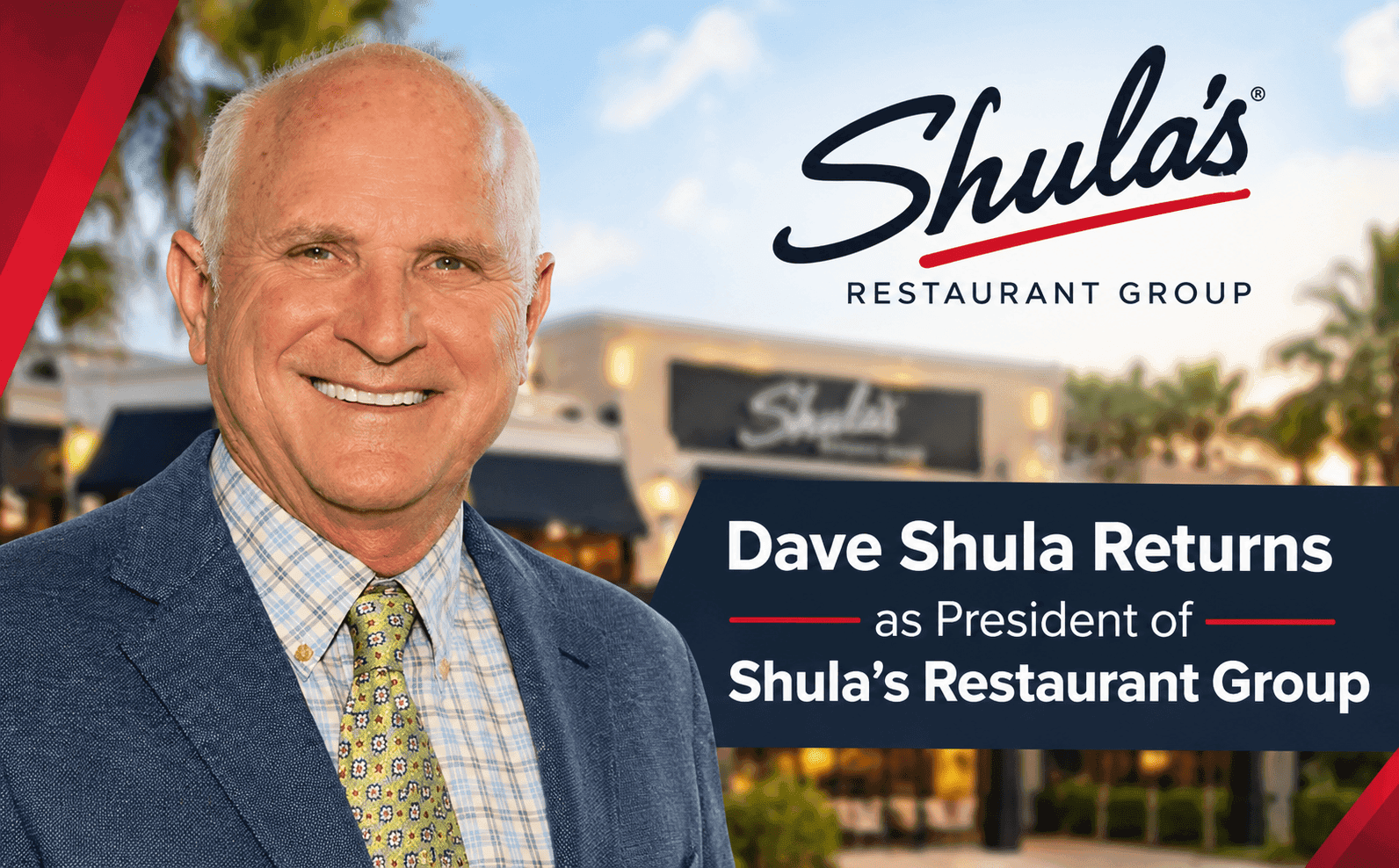
Dave Shula Returns as President of Shula's Restaurant Group
Dave Shula rejoins Shula's Restaurant Group as president, leading growth into Palm Beach Gardens and a 2027 Thomasville, Georgia expansion.
News
Sep 23, 2026
Dave Shula rejoins Shula's Restaurant Group as president, leading growth into Palm Beach Gardens and a 2027 Thomasville, Georgia expansion.
Sep 23, 2026
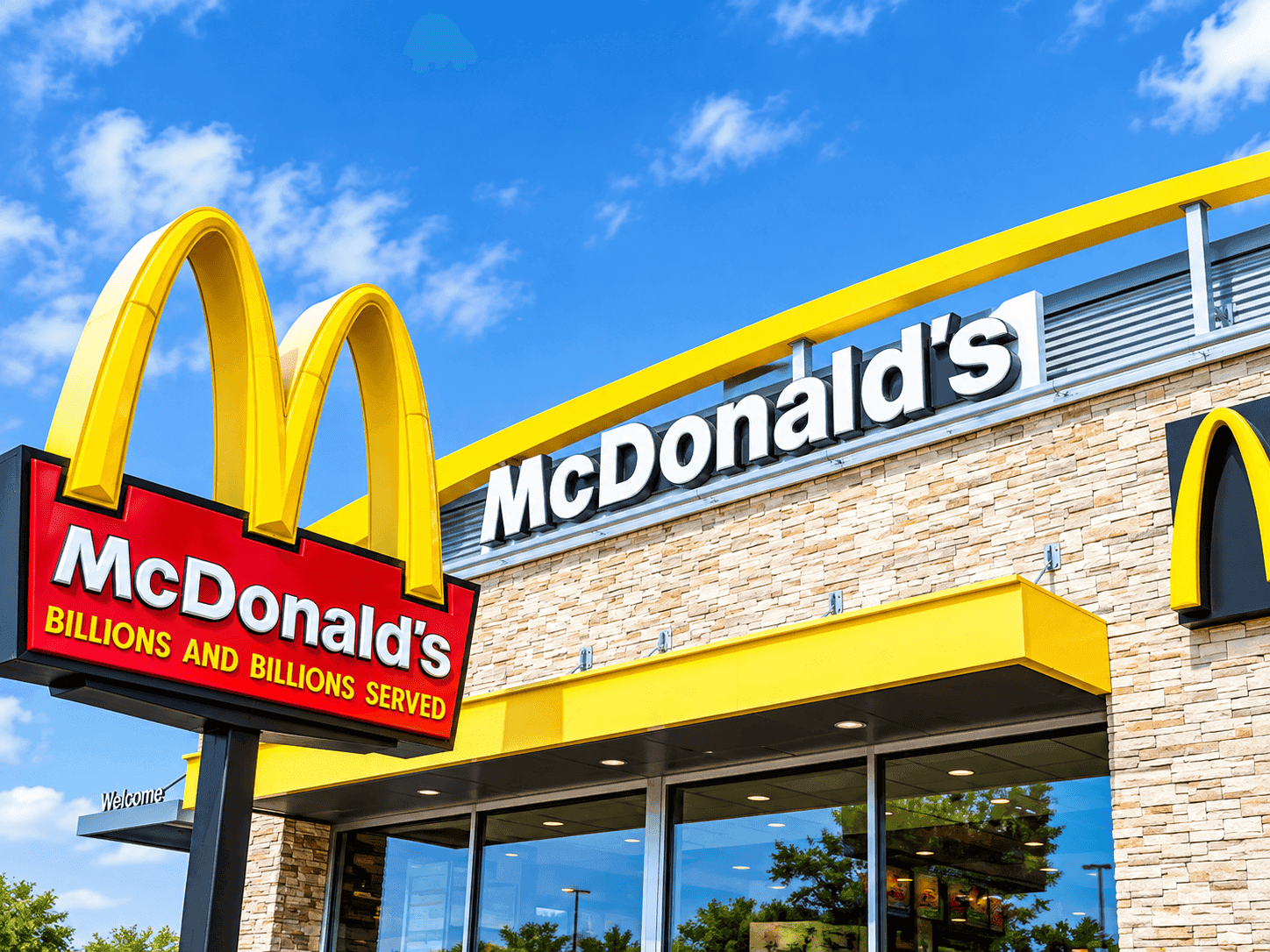
McDonald's commits $8.5 billion through 2036 to modernize restaurants, boost cash flow by $100,000 per store, and grow chicken and beverage sales.
Sep 23, 2026
WKS Restaurant Group promotes Jay Spongberg to president and COO after he helped grow the company from 65 to 382 restaurants over 16 years.
Sep 23, 2026

Smokey Mo's BBQ names Von Dawson, a Dine Brands veteran, as VP of Franchise Development to lead its Texas expansion strategy.
Sep 23, 2026
.png&w=3840&q=70)
Meritage Hospitality's Chapter 11 filing pulls 5% of Wendy's U.S. stores into bankruptcy, exposing cracks in franchising's bigger-is-safer bet.
Sep 21, 2026
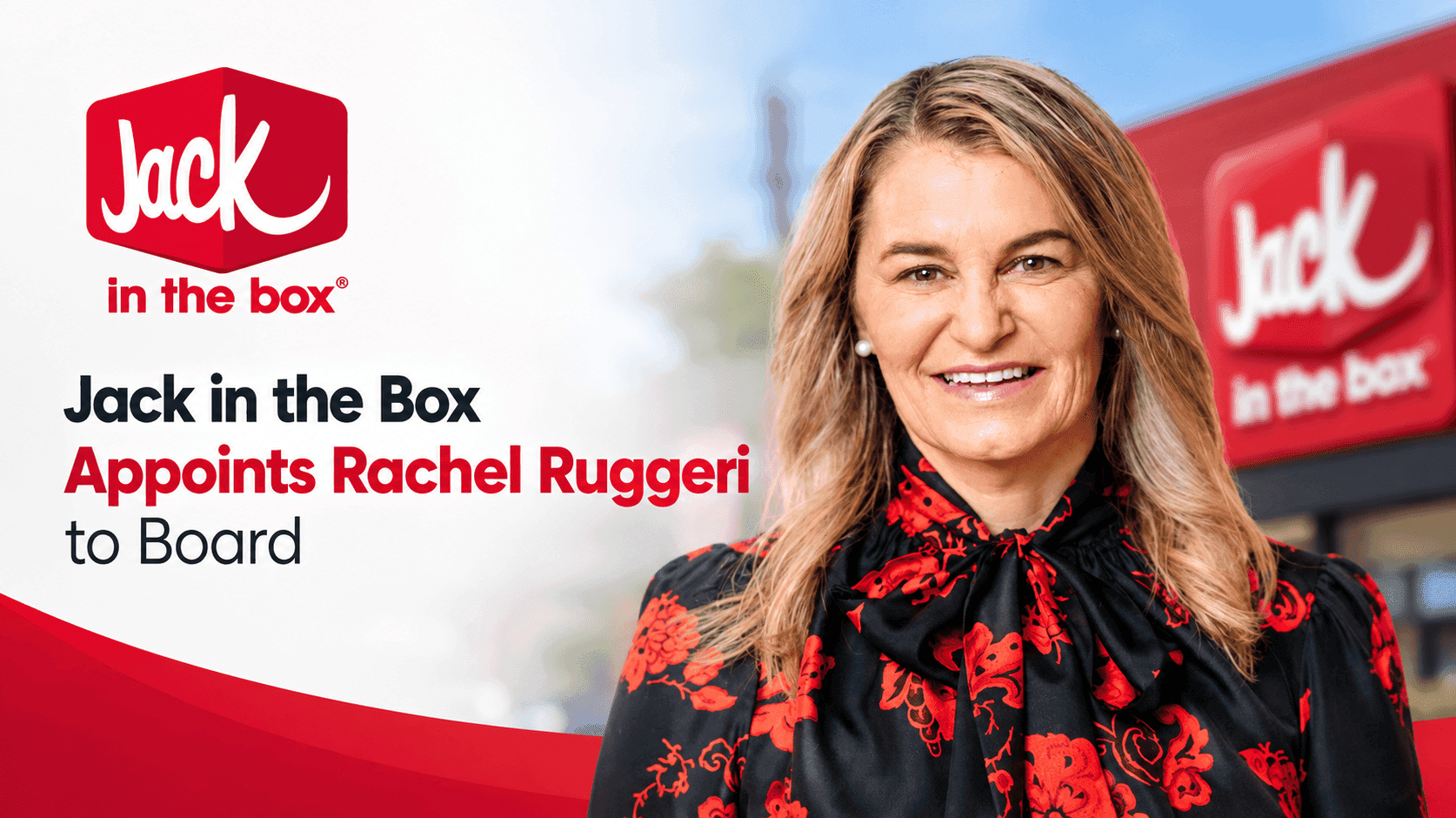
Jack in the Box names Rachel Ruggeri to its board as Michael Murphy retires, amid a CEO transition and deal with investor GreenWood.
Sep 21, 2026
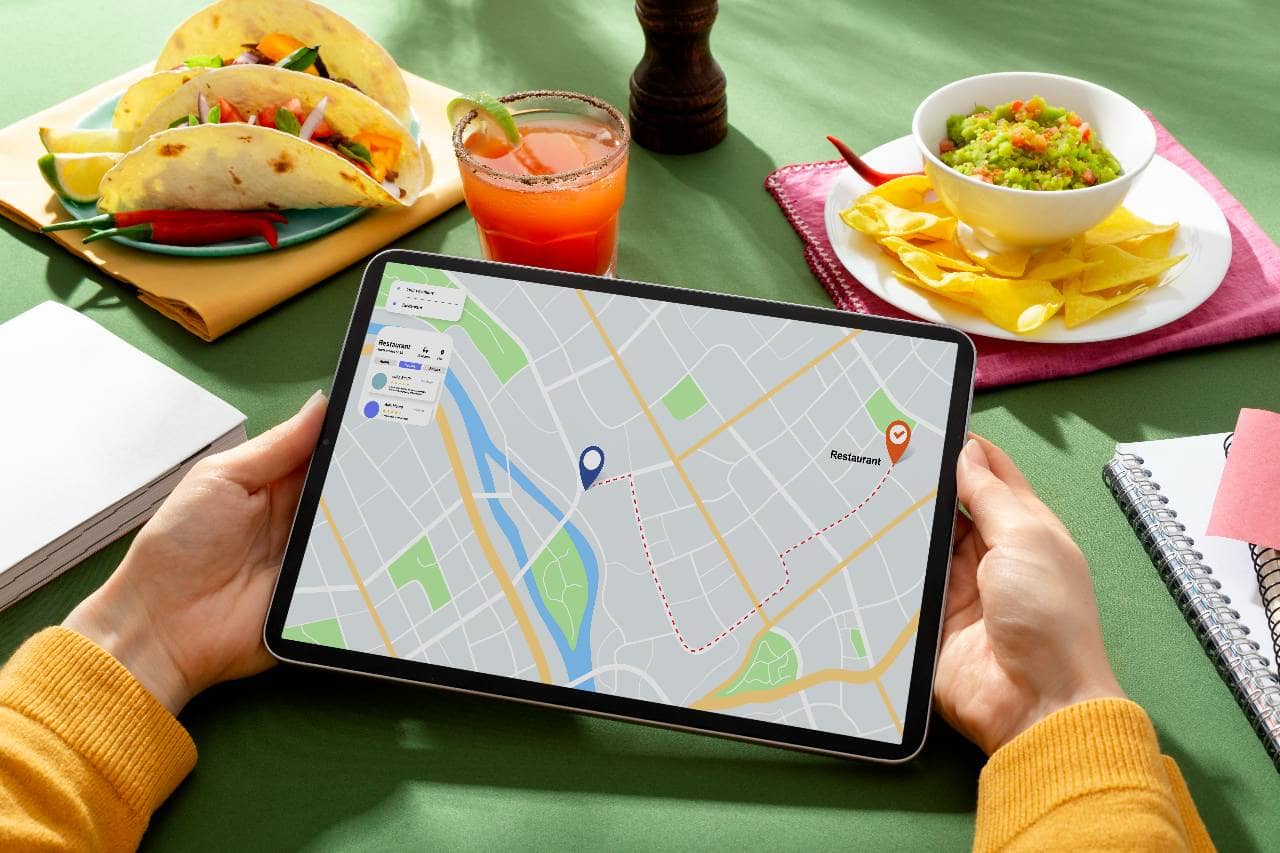
Improve restaurant Google Maps rankings by optimizing your business profile, selecting accurate categories, gathering reviews, adding photos, and strengthening local relevance signals.
Sep 21, 2026

Restaurant inventory tracking helps owners monitor stock, control food costs, reduce waste, improve purchasing, and make informed operational decisions.
Sep 21, 2026

Restaurant owners can significantly reduce restaurant costs by leveraging technology across inventory, labor, procurement, forecasting, and administrative operations for better profit margins.
Sep 18, 2026

Understand how to forecast restaurant revenue and expenses with methods for sales projection, cost scaling, fixed-cost planning, and risk buffering.
Sep 18, 2026

Unlock Exclusive Access To Webinars, Events, And The Latest News For Free!
Explore how Huddle House can leverage real estate strategies to adapt to consumer preferences and market dynamics amidst industry pressures.

Photo by Scott Webb
In the competitive landscape of the food industry, real estate strategy plays a crucial role in shaping the success and sustainability of restaurant brands. For Huddle House, a brand known for its comforting diner-style offerings, navigating the shift towards faster dining options while maintaining its unique identity requires a thoughtful approach to real estate planning and development. With consumers increasingly gravitating towards quick-service and fast-casual establishments, Huddle House must strike a delicate balance between preserving its brand essence and meeting evolving market demands.
Huddle House's low unit volumes and the loss of a significant number of stores indicate the challenges the brand faces in adapting to changing consumer preferences and market dynamics. The decline in store numbers highlights the need for a strategic real estate overhaul to recalibrate its presence and appeal to modern consumers. Understanding these challenges is the first step towards charting a new course for sustainable growth and market relevance.

Photo by Scott Webb
Drawing insights from Perkins, Huddle House's sister company, which has embarked on a rebranding journey focusing on menu innovation and store redesign, can provide valuable lessons for Huddle House. By observing Perkins' successful transition towards fast-casual formats and strategic franchise expansions, Huddle House can glean inspiration for its real estate transformation. Leveraging the experiences of a related brand can offer a roadmap for Huddle House to revitalize its image and attract a broader customer base.
Huddle House's introduction of three distinct real estate prototypes demonstrates its commitment to adapting to contemporary consumer preferences and market trends. The tailored designs cater to different contexts, from small town restaurants to urban settings and nontraditional spaces like airports and malls. By experimenting with various formats, such as drive-thrus and compact store models, Huddle House positions itself to engage with diverse consumer segments and explore untapped growth opportunities.
Photo by Scott Webb
The emphasis on market-specific strategies in Huddle House's real estate plans reflects a deep understanding of the importance of catering to local demands and preferences. By customizing offerings for different consumer demographics and locations, Huddle House can strengthen its market position and enhance brand loyalty. The flexibility to adapt its menu, design, and service models to suit varied environments underscores the brand's commitment to relevance and customer satisfaction.
As the restaurant industry continues to evolve, Huddle House's proactive approach to reimagining its real estate footprint signals a willingness to evolve and thrive in a rapidly changing market. By integrating innovative concepts, refining its physical locations, and embracing nontraditional development opportunities, Huddle House paves the way for sustained competitiveness and growth. The brand's real estate strategy serves as a cornerstone for future success and resilience in an ever-shifting industry landscape.
Photo by Scott Webb