True Food Kitchen Files Bankruptcy, Closes 12 Sites
True Food Kitchen filed for Chapter 11 bankruptcy, closing 12 locations and shrinking to 34 restaurants across 14 states amid $42.1 million in debt.
News
Oct 5, 2026
True Food Kitchen filed for Chapter 11 bankruptcy, closing 12 locations and shrinking to 34 restaurants across 14 states amid $42.1 million in debt.
Oct 5, 2026

Snooze Eatery names industry veteran Amy Hom as COO, starting Sept. 28, to strengthen hospitality and operations ahead of its next growth phase.
Oct 5, 2026
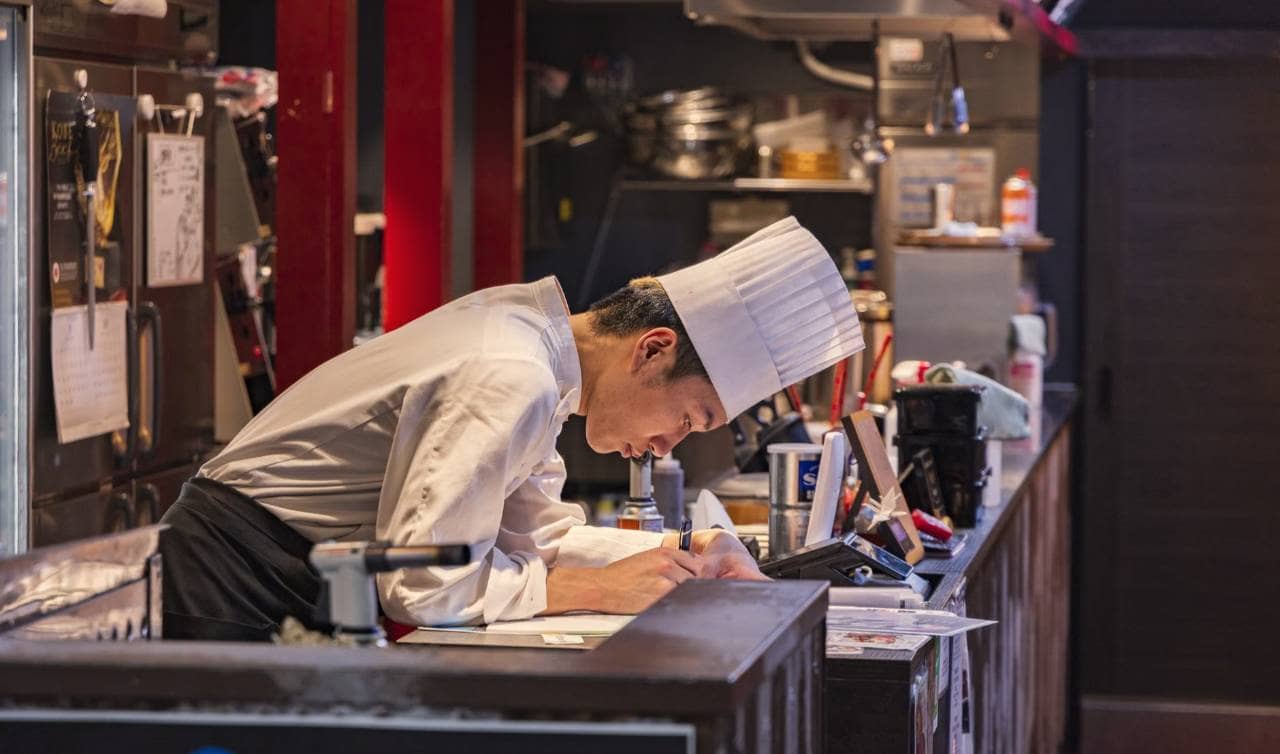
Restaurants can control operating costs by tracking food, labor, rent, utilities, technology, marketing, and other expenses against sales.
Oct 5, 2026

Opening a second restaurant location requires readiness, clear goals, financial planning, funding, smart strategy, standardized operations, strong teams, and careful launch monitoring for sustainable growth.
Sep 30, 2026

Evaluate restaurant industry performance in Q3 2026 through key trends affecting restaurant sales, traffic, consumer spending, labor, costs, and technology.
Oct 2, 2026

Improve restaurant visibility with local SEO by optimizing Google Business Profile, targeting local keywords, managing reviews, and maintaining accurate online information.
Oct 5, 2026
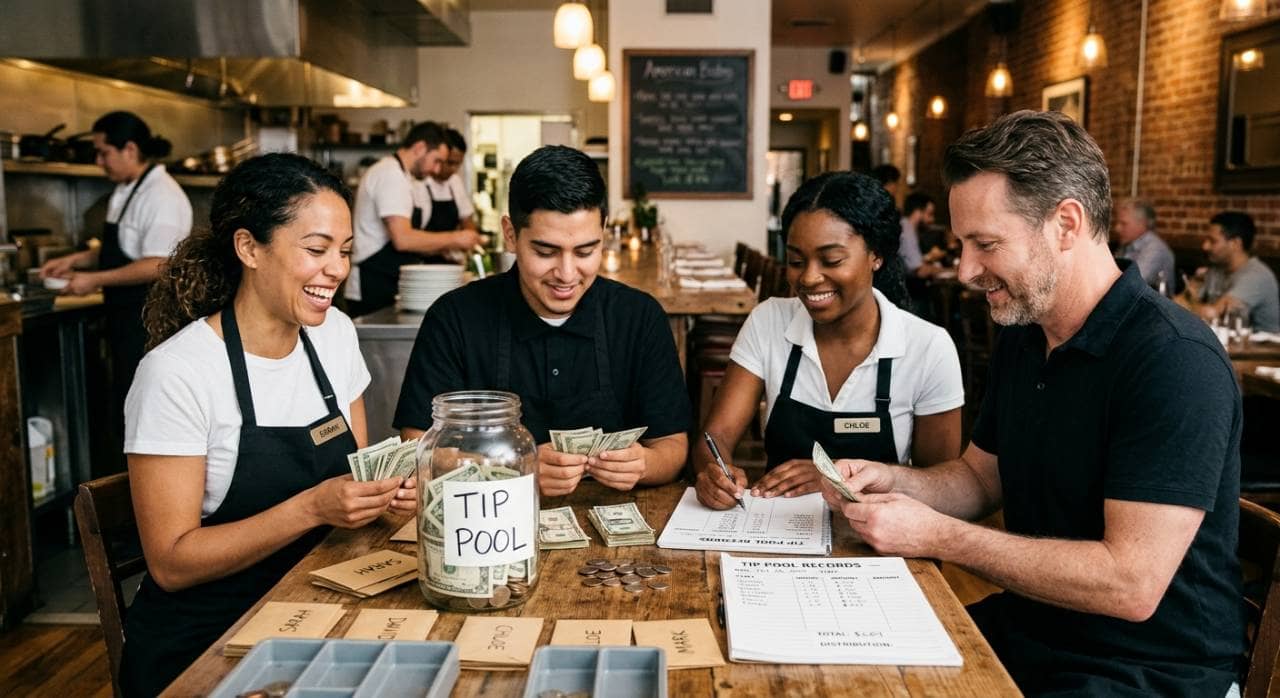
Understand tip pooling rules, employee eligibility, distribution methods, compliance requirements, recordkeeping practices, and policies restaurant owners need for proper tip management.
Oct 2, 2026

Whit's Frozen Custard hires industry veteran Amos Durbin as COO to guide franchise expansion, drawing on two decades of restaurant leadership experience.
Oct 2, 2026
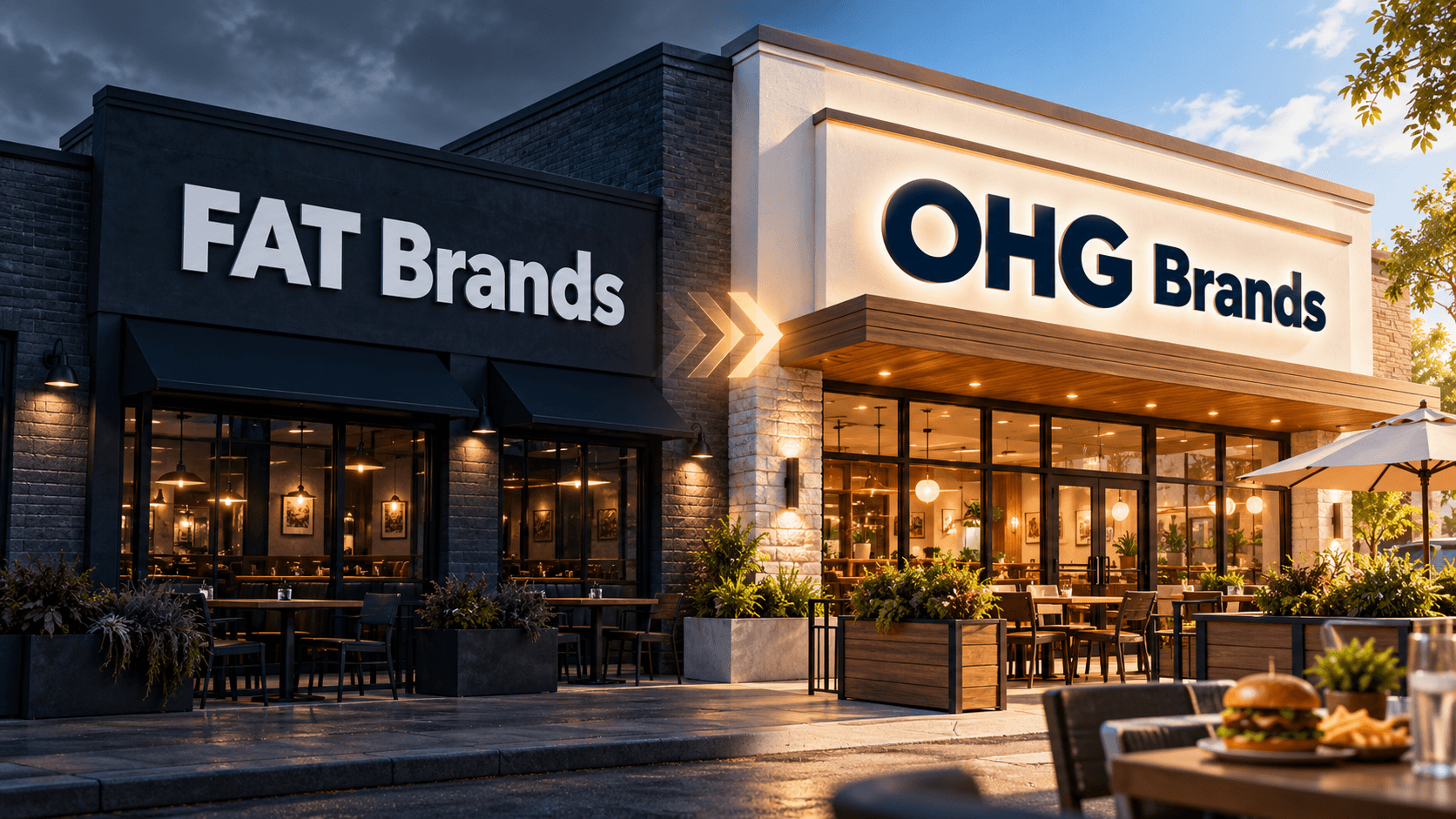
FAT Brands' $1B acquisition empire fell into bankruptcy and sold for $965M, re-emerging as OHG Brands with 1,700 restaurants.
Oct 1, 2026
CAVA names John Ludeke, former Dr. Squatch Chief Brand Officer, as its new CMO to drive national growth and guest loyalty.
Oct 1, 2026

Unlock Exclusive Access To Webinars, Events, And The Latest News For Free!
The fallout of Pizza Hut's mandated AI delivery system rollout has ignited a $100 million lawsuit from a leading franchisee, highlighting crucial franchisor-franchisee lessons for all restaurant owners.
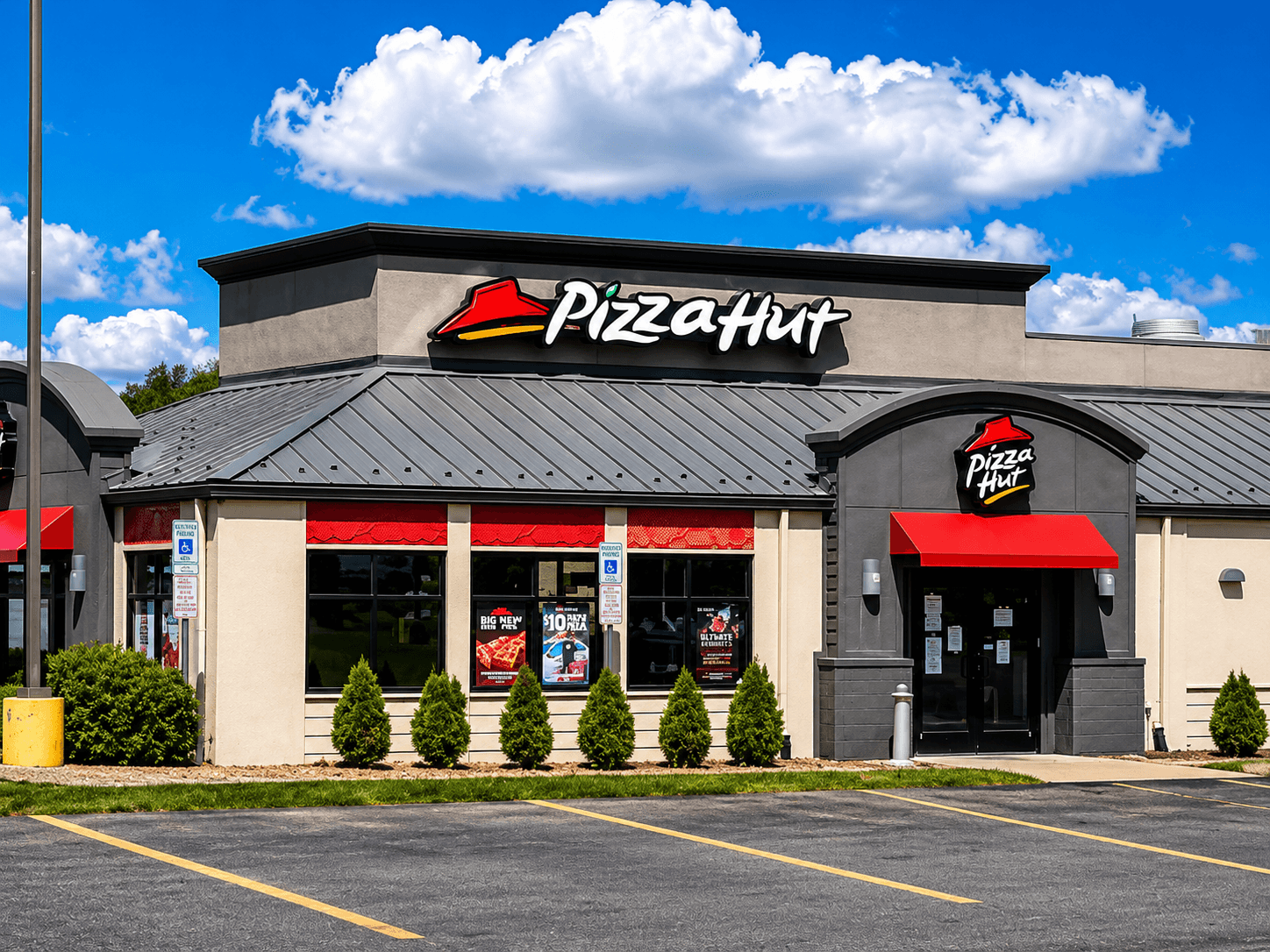
When technology meets tradition, the results can be unpredictable - just ask the team at Chaac Pizza Northeast, a franchise group with over 100 Pizza Hut outlets. A recent $100 million lawsuit from Chaac against the Pizza Hut brand has brought national attention to the risks and responsibilities associated with brand-mandated technology adoption. At the heart of the dispute is the rollout of "Dragontail," an AI-powered delivery system meant to modernize operations but which, according to franchisee claims, led to declining sales, missed delivery standards, and eroded customer trust. For restaurant owners, this episode underscores the importance of assessing both intended benefits and practical impacts before embracing ambitious digital platforms - especially when those changes come from corporate directives.
The lawsuit details how Dragontail, designed to streamline pizza preparation and delivery tracking through DoorDash, allegedly created more problems than solutions for Chaac’s busy stores. According to legal filings, DoorDash was suddenly able to track production to the minute - causing drivers to wait longer, rack times to spike, orders to cool, and on-time delivery rates to plummet. More troubling, drivers could see whether customers tipped or paid cash, which reportedly led to reluctance to deliver certain orders. For independent operators, this highlights a critical takeaway- every new system must be stress-tested in real-world workflows, and transparency about data access is key to protecting your customer experience. Restaurants should also push for detailed pilots and practical consultation before the full deployment of new technologies.
This ongoing legal spat throws a spotlight on the perennial friction between franchisees seeking operational autonomy and franchisors enforcing brand consistency. While Pizza Hut’s leadership saw Dragontail as a step forward, Chaac argues that implementation ignored the operational realities of their delivery-focused model. Broader franchising history is full of similar stories, where the tension between systemwide innovation and local adaptation can either drive progress or sow dissatisfaction. For multi-unit restaurant owners and managers, staying proactive about communication and negotiating reasonable accommodations during system rollouts is not just best practice - it's essential for long-term success.
As this lawsuit works its way through the courts, its outcome is likely to clarify - not undermine - the legal framework that gives franchisors leeway on brand standards. The real lesson for operators isn’t to fear innovation, but to insist on strong transition strategies-
Restaurant owners will continue to navigate the fine line between innovation and seamless execution. The Pizza Hut-Dragontail controversy is a cautionary tale - a reminder to evaluate, question, and prepare for any change impacting the guest experience or team workflow. In a landscape driven by technology, keeping your business future-proof isn’t about resisting tools, but advocating for rollouts that truly support your team and customers. For anyone overseeing a hospitality brand, it’s smart to stay engaged in software selection, foster open dialogue with decision-makers, and ensure any system, AI-based or not, is aligned with on-the-ground realities and growth goals.
As technology reshapes every corner of hospitality, your opportunity lies in bridging innovation and operational excellence. Watch major industry disputes closely and learn from both successes and setbacks - so that your next tech transition delivers true business value, not just compliance with the latest mandate. Want to integrate your processes and platforms effortlessly? See what’s possible with the right solutions built for restaurant operators.