Craveworthy Expands to India With Genghis Grill, Dirty Dough
Craveworthy taps master franchisee Unisan Bowls to launch Genghis Grill and Dirty Dough in India, targeting Hyderabad first amid tight U.S. financing.
franchising
Jul 17, 2026
Craveworthy taps master franchisee Unisan Bowls to launch Genghis Grill and Dirty Dough in India, targeting Hyderabad first amid tight U.S. financing.
Jul 17, 2026

Buffalo Wild Wings launches Poppin’ Ranch, a 99-cent popping-candy ranch add-on, designed to spark sensory buzz and impulse trials ahead of Wing Day.
Jul 17, 2026

Wonder closed a $650M Series D at a $9B valuation to expand locations and invest in robotics, AI, and delivery tech, accelerating its automation-first restaurant model.
Jul 17, 2026
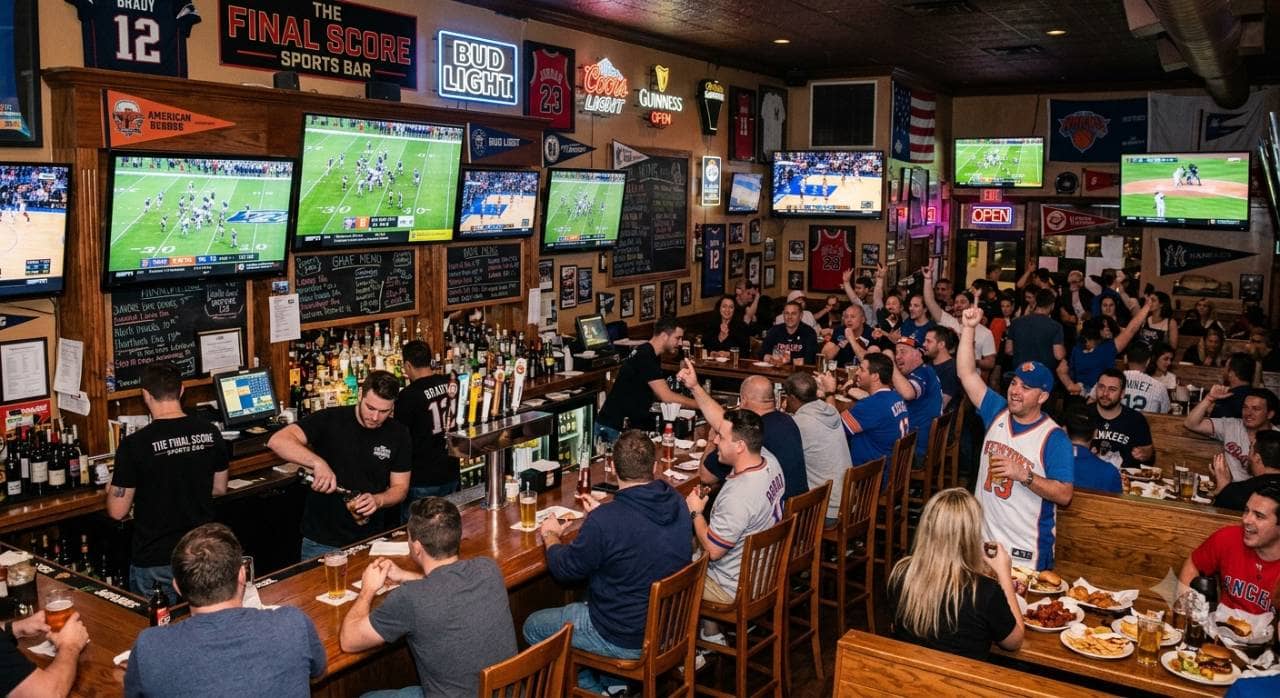
Understand sports bar startup expenses, including location, construction, kitchen equipment, televisions, licenses, insurance, staffing, supplies, and cash reserves for operations.
Jul 16, 2026
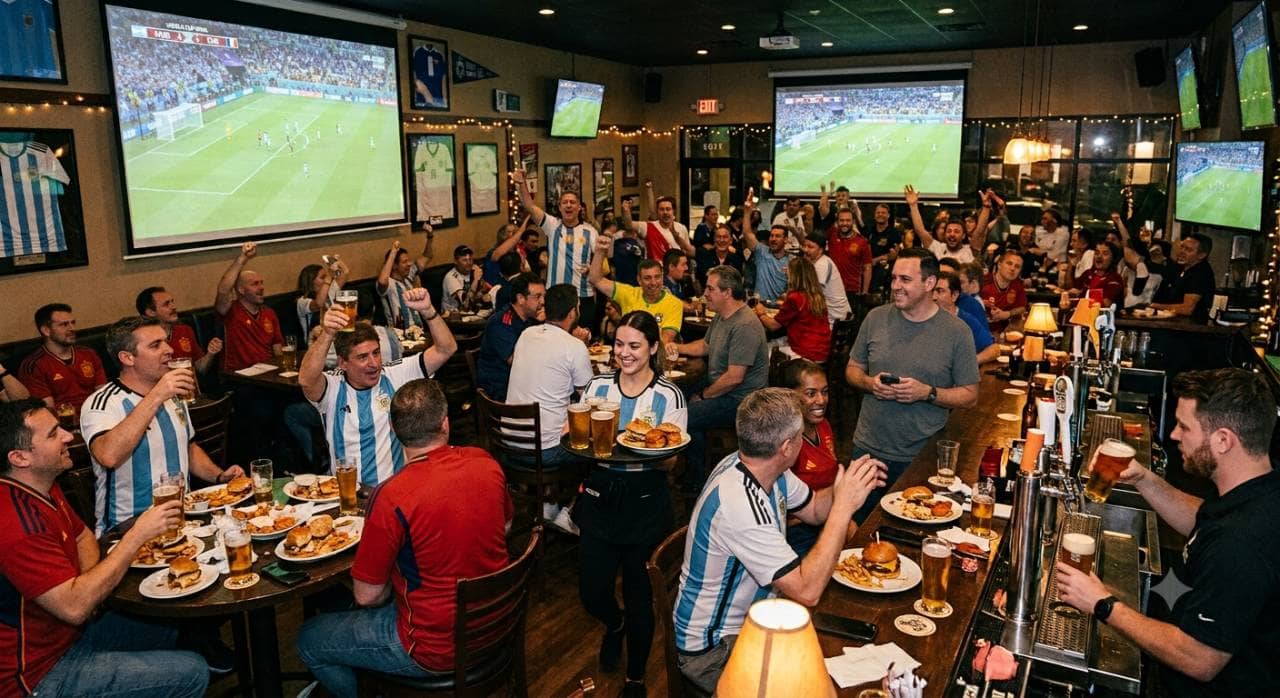
Learn how to increase restaurant sales during the World Cup final through smarter planning, staffing, promotions, inventory, menus, and operations.
Jul 16, 2026

Mother-daughter duo Ciara Boyce and Tracey Pidge bring Hotworx to Wasilla, the first of four Alaska studios, extending a fast-growing 800+ location brand.
Jul 16, 2026
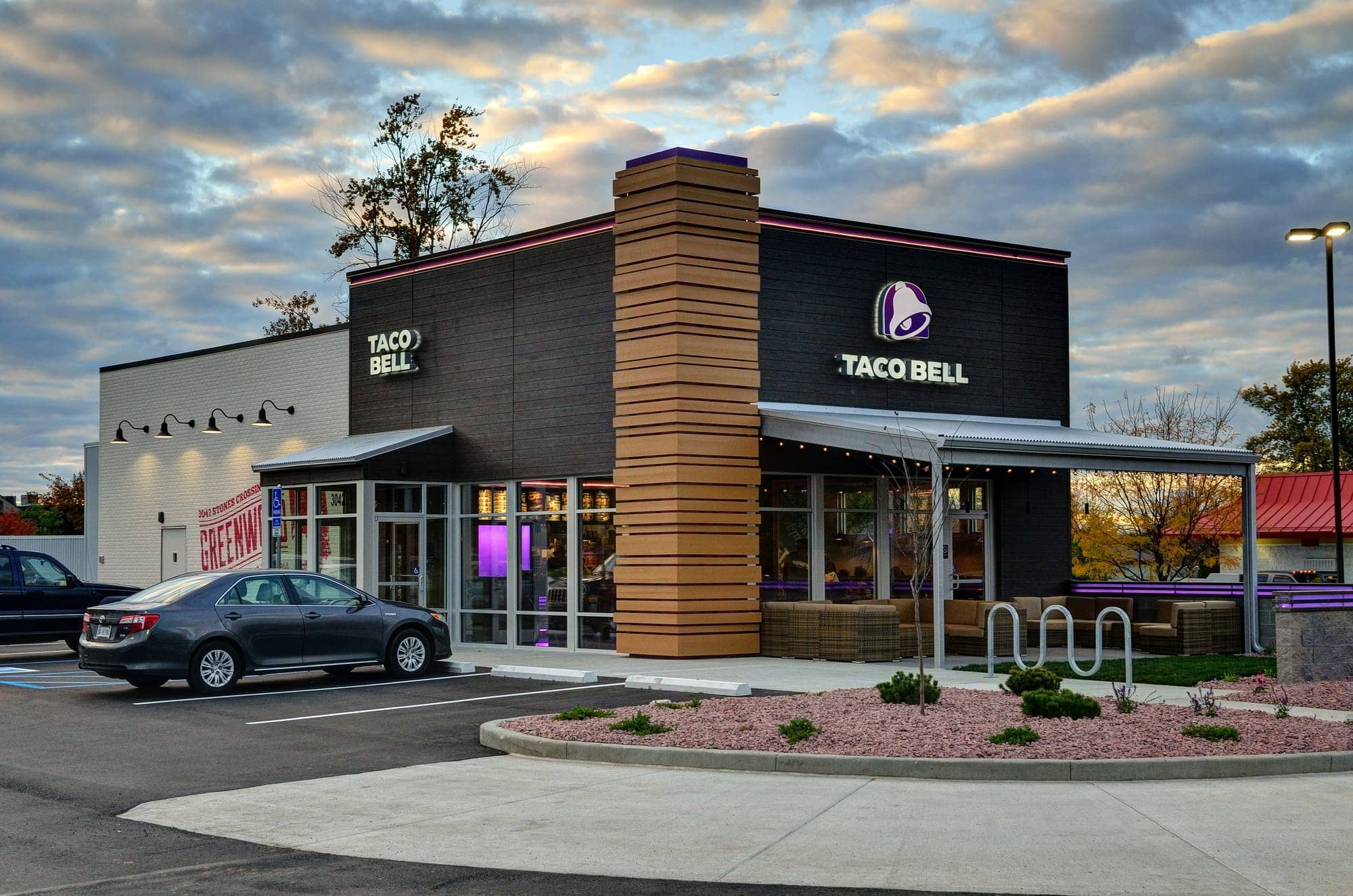
One of the largest U.S. Cyclospora outbreaks hits 34 states; Taco Bell pulls produce in Michigan as FDA and CDC trace the source.
Jul 16, 2026

Chick-fil-A will refresh 200+ multi-sensory playgrounds by 2026 to boost dine-in traffic and loyalty, adding app content and toys as rivals upgrade experiences.
Jul 16, 2026

Ex-consultant Michael Creatore acquires six Mold Medics territories across central Ohio, partnering with Threshold Brands amid a growing mold remediation market.
Jul 16, 2026

Pizza Hut launches a Throwback Value Menu, app rewards, and a streetwear drop as ownership shifts and the brand bets on nostalgia to steady sales.
Jul 16, 2026
Self Ordering Kiosk are becoming increasingly popular among modern restaurants. With this technology, restaurateurs can ensure quick service and achieve customer satisfaction.
Many foodservice businesses, such as fast-food restaurants, are integrating self-ordering kiosks into their brick and mortar locations. This advanced digital tool allows customers to independently place their orders without the need to interact with staff members. These kiosks are connected to the eatery's existing point-of-sale (POS) system, enabling orders to be sent directly into the kitchen and allowing customers to quickly process their payments without having to wait for a check. By improving efficiency and convenience with self-ordering technology, restaurants can boost sales and enhance the customer experience.
Self-ordering kiosks are typically touchscreen systems that display a restaurant's menu and pricing. Its easy-to-use interface will guide guests through the ordering process, as well as display promotions and deals that they can take advantage of. Some of the main advantages of implementing self-ordering devices include-
Self-ordering kiosks can highlight profitable menu items on the screen as customers build their orders. These systems are customizable and have features that will also show upsell prompts, such as 2-for-1 promotions. Additionally, it can encourage guests to upgrade to deluxe meals, add extra premium toppings, or make an order into a combo. These features will drive customers to add to their orders and increase their check's total. Companies that have been using self-ordering technology have seen their revenue increase. McDonald's, for example, found that diners would spend 1 dollar more for each order when using a kiosk. This resulted in a 30% increase in the chain's average check size. The fast-food chain also found that 20% of guests who did not initially want to order a drink ended up purchasing one when it was offered through the kiosk.
Self-serve kiosks speed up the ordering process by letting customers create their own order. Guests can quickly enter the items that they want, send the order to the kitchen, and pay directly at the kiosk. This enables more customers to put in their orders, without having to wait in long lines. Faster ordering and shorter lines can cultivate a positive dining experience and can boost customer satisfaction.
Since guests are independently choosing and sending in their own orders, the possibility of order errors will decrease. Self-ordering kiosks will also usually have visual menus with detailed pictures of the food item, ensuring that diners know exactly what they are ordering. By reducing human errors in orders and instances of miscommunication, the kitchen staff will not have to waste time preparing the wrong dish. This will effectively minimize unnecessary spending and food waste. Restaurants will also lessen the number of negative reviews and customer complaints due to inaccurate orders. Ultimately, this will help improve the business's reputation and improve customer satisfaction.
Self-ordering kiosks provide restaurant managers with the flexibility to schedule and move staff members around. Since the eatery's front of the house does not require many employees to manually take orders and operate the POS system, management can schedule less staff for each shift. Employees who used to submit orders could be reassigned to other positions that will help improve customer experience and boost sales. For example, staff can be tasked to complete cleaning responsibilities, such as sanitizing kiosks and doors. By implementing self-ordering technology, restaurants can optimize employee management, reduce labor costs, and improve productivity.
Self-service kiosks can be easily set up with a secured Internet connection. The kiosks are integrated into the restaurant's POS software, which means managers can quickly access real-time information about all sales made from the system, as well as profits. Since the kiosk is cloud-based, restaurateurs can also make adjustments, update the software, and upload new menu items remotely from any location, as long as there is an Internet connection. This enhanced connectivity empowers restaurant management teams to make informed decisions that can improve customer satisfaction and maximize profits.
Self-ordering kiosks are growing in popularity among foodservice businesses, especially fast-food joints. By setting up self-service tools at brick and mortar locations, restaurant managers will improve their operation's efficiency and create positive customer experiences.