

.png&w=3840&q=70)




Subway Axes Global CMO as Sales Slide Deepens
Subway scraps its global CMO, shifts to regional marketing, revamps loyalty, and leans on value amid closures and sliding U.S. sales.

A Hard Pivot at Subway
Sales erosion forces hard choices. Subway just cut its global chief marketing officer role, with Greg Lyons exiting roughly a year after his May 2025 appointment. CEO Jonathan Fitzpatrick, who arrived in July 2025, is trading one-size messaging for regional control. He named Jeff Klein U.S. CMO and elevated David Skena to chief strategy officer and chief commercial officer for North America. The chain tapped Omnicom for U.S. media and CRM and opened a creative review. In April 2026, it also dropped a first-ever value menu, 15 items under $5. The through line is clear: tighten the work and push decisions closer to the customer. What changes, and how fast:
Who’s Holding the Wheel
Fitzpatrick began dismantling the global CMO title soon after his arrival, and Lyons’ departure landed around May 2026. The new architecture puts local execution at the core. Klein oversees performance marketing, media investment, and brand storytelling in the U.S. Skena’s expanded remit aligns category strategy with revenue priorities across North America. The Omnicom move, paired with the creative review, aims to pull data, messaging, and placement into a single, tighter loop inside regional markets. The $5-and-under menu signals intent on price perception at the point of choice. The thesis is direct: fewer global dictates, more local calibration, faster feedback.
The Numbers Bite Back
Pressure isn’t theoretical. Franchise disclosures show the chain ended 2025 with 18,773 U.S. units after a net 729 closures, the steepest drop in years, and domestic systemwide sales fell nearly 6%. Operators face oversaturated markets and low average unit volumes, estimated around $500,000. A modernized Sub Club launched last December promised a free footlong after three qualifying purchases, and drew fire for eroding margins. Rivals moved ahead. Jersey Mike’s lifted sales more than 12% and expanded to 3,227 units. Jimmy John’s posted 5.3% sales growth and reached 2,777 restaurants. That’s the scoreboard Subway must chase.
Profit Offers a Lifeline
Not every line is red. The franchise filing shows net income rose to $688 million in 2025 from $397 million in 2024 even as the unit count fell. That suggests profitability per restaurant improved while systemwide sales declined. The math matters. Cash flow buys time to test structure, reset offers, and steady operations. Whether it translates into traffic and market share is the next test for this brand reset.
Local Knobs, Faster Turns
Structure only matters if it speeds the work. The redefined operating model centers on local execution. In the U.S., Jeff Klein now controls performance marketing, media investment, and brand storytelling. Across North America, David Skena ties category strategy to revenue priorities with a commercial brief that clarifies ownership. The aim is blunt: connect what guests want to what shows up in-market, quickly and consistently.
Tighter Loops by Design
The agency shift backs the plan. Subway engaged Omnicom for U.S. media and CRM and launched a creative review. The bet is straightforward: when data flow, message development, and placement live closer together, and closer to the field, feedback turns faster and execution tightens. If it holds, localized offers can move from insight to in-store with fewer handoffs and clearer accountability across regions.
When Loyalty Hurts
Loyalty should lift frequency. Done wrong, it bleeds. The revived Sub Club, offering a free footlong after three qualifying purchases, ran into a wall with operators. One franchisee didn’t mince words: “Buy 3 get 1 free is financial suicide,” as told to Restaurant Business. That blunt assessment captures the gap between brand ambition and store-level economics, the very fault line this reorg must stabilize.
Resetting the Math
Leadership is collaborating with franchise advisory representatives to redesign the program’s mechanics. That matters because value that crushes margins is not value. The new structure will be judged by how cleanly it balances guest appeal with unit profitability, and by how quickly missteps get corrected. The standard is simple: loyalty should pay for itself and then some.
The Value War Is On
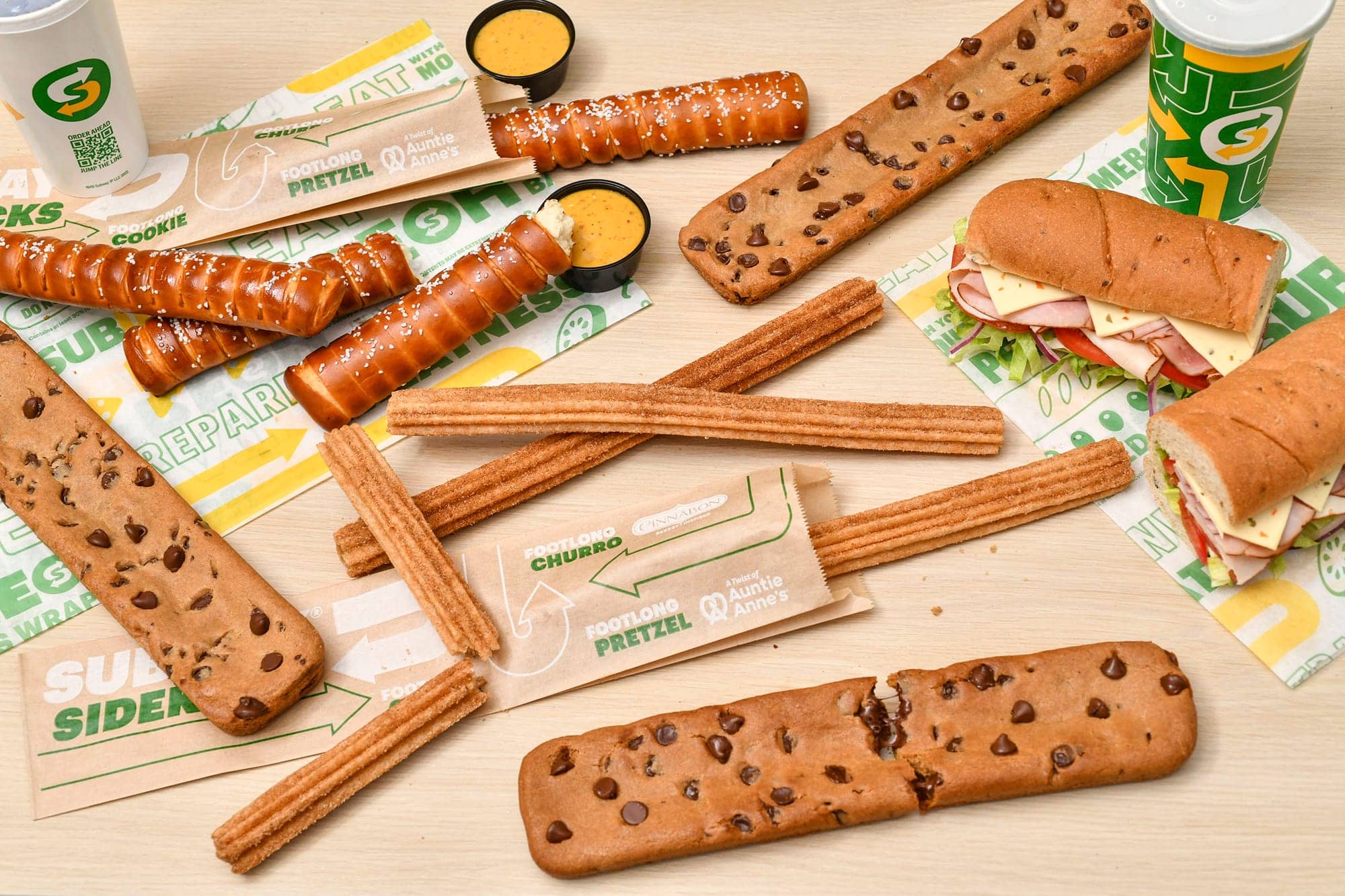
Value is the loudest voice in quick service right now. Competitors leaned in hard. McDonald’s rolled out an Under $3 menu and a $4 breakfast deal in April 2026. Taco Bell launched a Luxe Value Menu in January 2026 with 10 items at $3 or less. Fast casual isn’t standing still; Shake Shack grew domestic sales more than 15% last year, and Jersey Mike’s kept its double-digit clip. Subway’s answer, 15 items under $5, puts a flag down. The job now is to make it stick without burning cash.
- Subway’s value push: 15 items under $5 (April 2026)
- McDonald’s: Under $3 menu and $4 breakfast deal (April 2026)
- Taco Bell: Luxe Value Menu with 10 items at $3 or less (January 2026)
Uncertainties remain: the company hasn’t confirmed the full scope of its marketing reorganization or the terms of its Omnicom engagement. It’s also unclear how success will be measured beyond systemwide sales and profitability, or how quickly localized decision-making can win share with younger diners. By decentralizing, refining loyalty, and aligning partners, leadership is betting on speed and sharper regional accountability. The next quarters will show whether this trim is enough to stop the slide.