Pei Wei Wins Best Fast-Casual Chain Award
Pei Wei Asian Kitchen named Best Fast-Casual Chain in Reviewed 2026 Awards, reflecting shift from price competition to quality and transparency.
News
Sep 11, 2026
Pei Wei Asian Kitchen named Best Fast-Casual Chain in Reviewed 2026 Awards, reflecting shift from price competition to quality and transparency.
Sep 11, 2026

O'Charley's shuttered all corporate restaurants nationwide on September 9, 2026, ending its 55-year legacy as a casual-dining regional powerhouse.
Sep 11, 2026
Authentic Restaurant Brands lands $325M investment from Trimontium to fuel disciplined regional expansion across five established restaurant concepts.
Sep 11, 2026

Walmart expands restaurant delivery beyond Subway and Dunkin', taking on DoorDash, Uber Eats, and Grubhub with Papa Johns nationwide rollout.
Sep 11, 2026

Complete NFL season restaurant checklist covering licensing, AV setup, menu prep, inventory, staffing, and marketing before kickoff arrives.
Sep 11, 2026

California shifts to public enforcement strategy against Dickey's for deceptive franchise disclosures, signaling stricter state-level franchise oversight.
Sep 10, 2026
Paul Brown temporarily steps away from Inspire Brands as Scott Murphy assumes interim CEO role during confidential IPO filing process targeting late 2026.
Sep 10, 2026
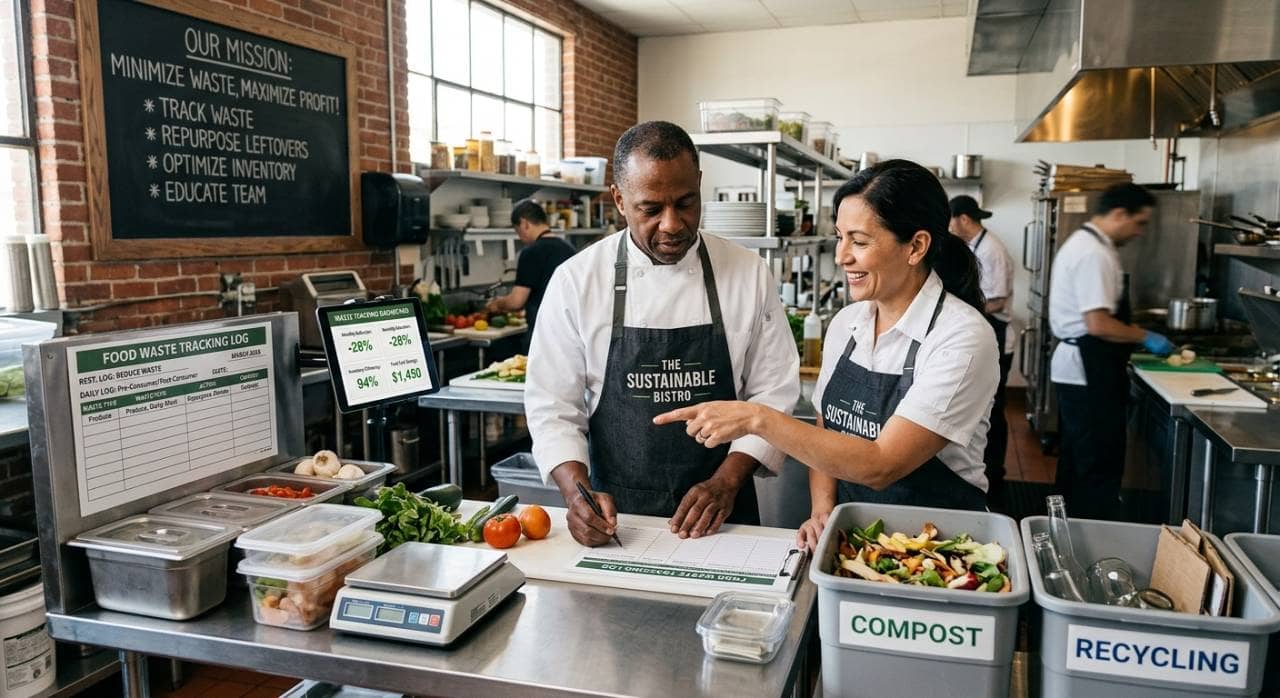
Learn how to reduce food waste in restaurants through smarter purchasing, storage, preparation, and service strategies that cut costs.
Sep 9, 2026
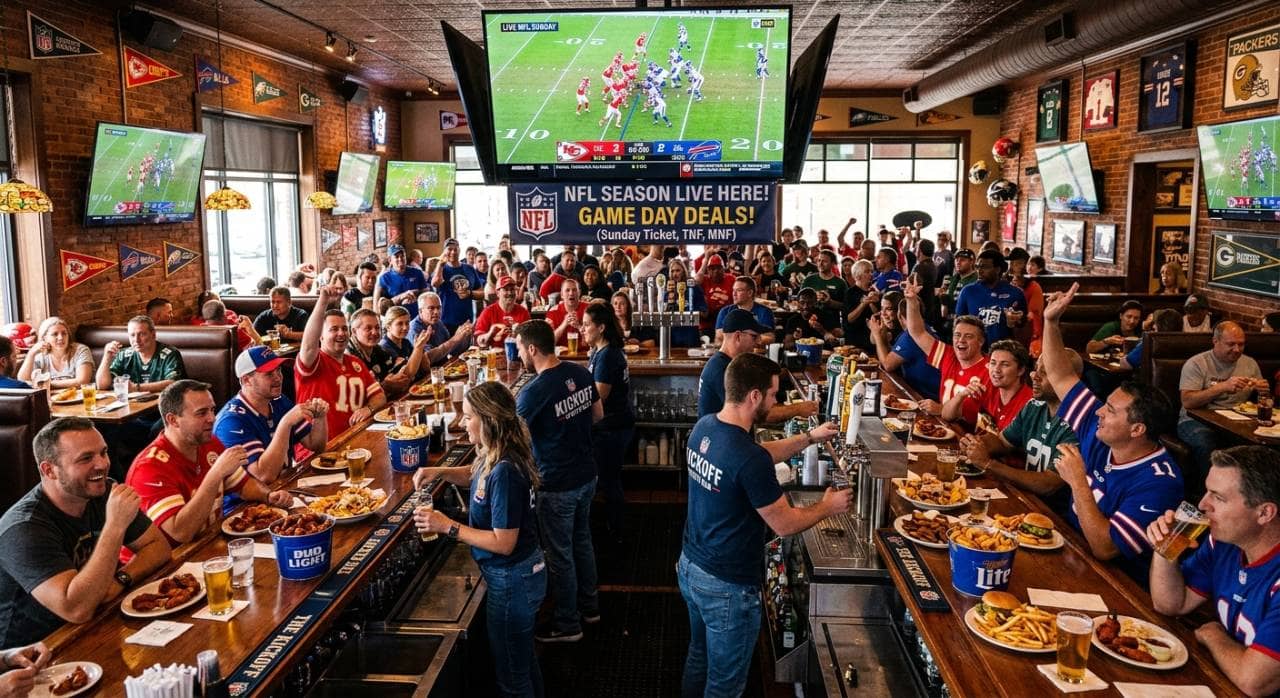
Prepare your restaurant for NFL season with smart menu planning, staffing, marketing, technology, and atmosphere strategies that boost season-long revenue.
Sep 9, 2026
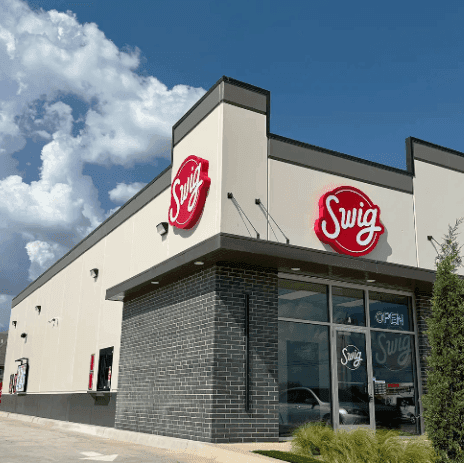
Swig signs franchise agreement for 11 South Denver locations, marking Colorado entry and validating its national expansion strategy.
Sep 8, 2026

Unlock Exclusive Access To Webinars, Events, And The Latest News For Free!
Discover the importance of maintaining a brand's core essence during a rebranding process, with insights from Cracker Barrel's recent misstep.
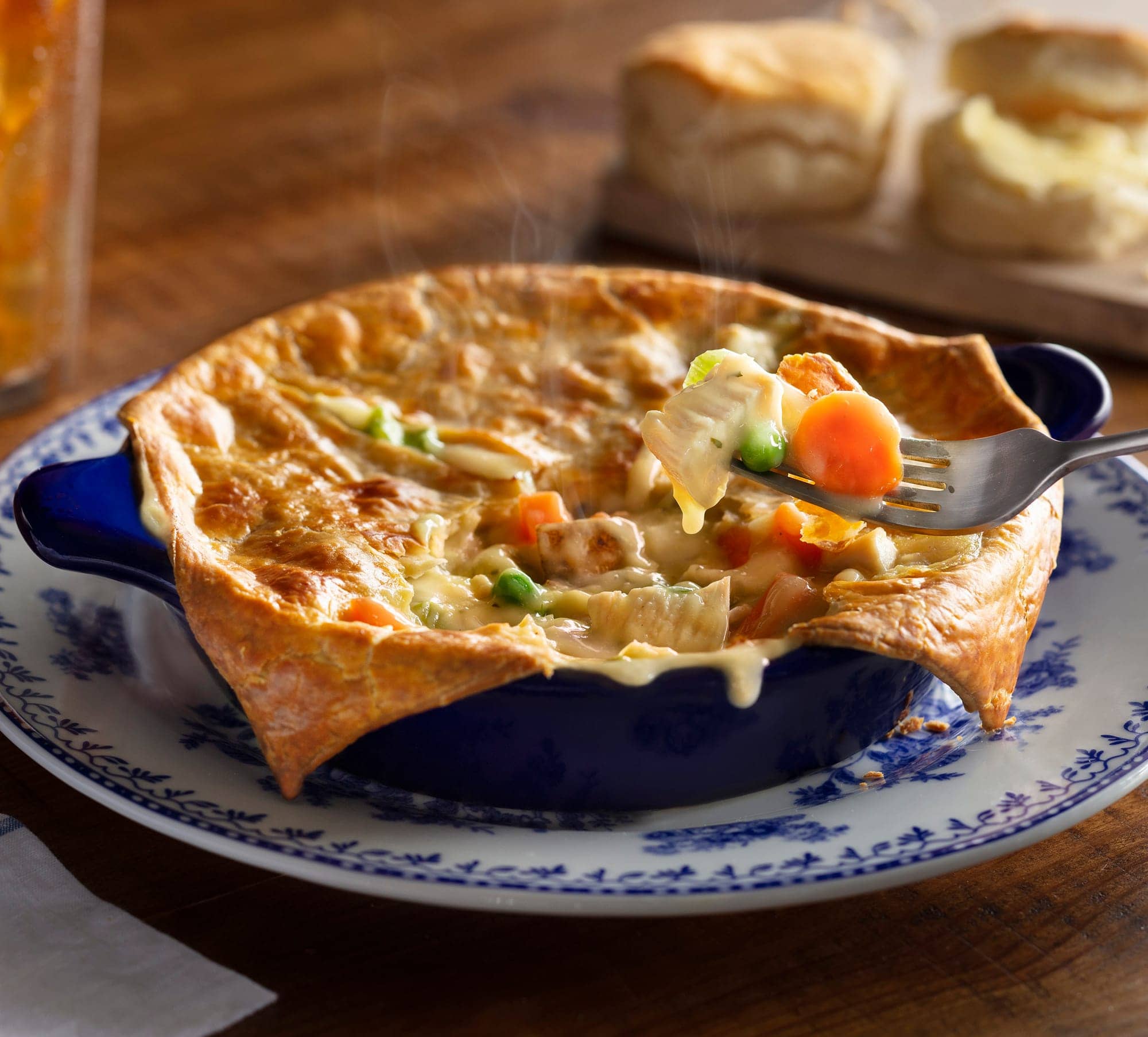
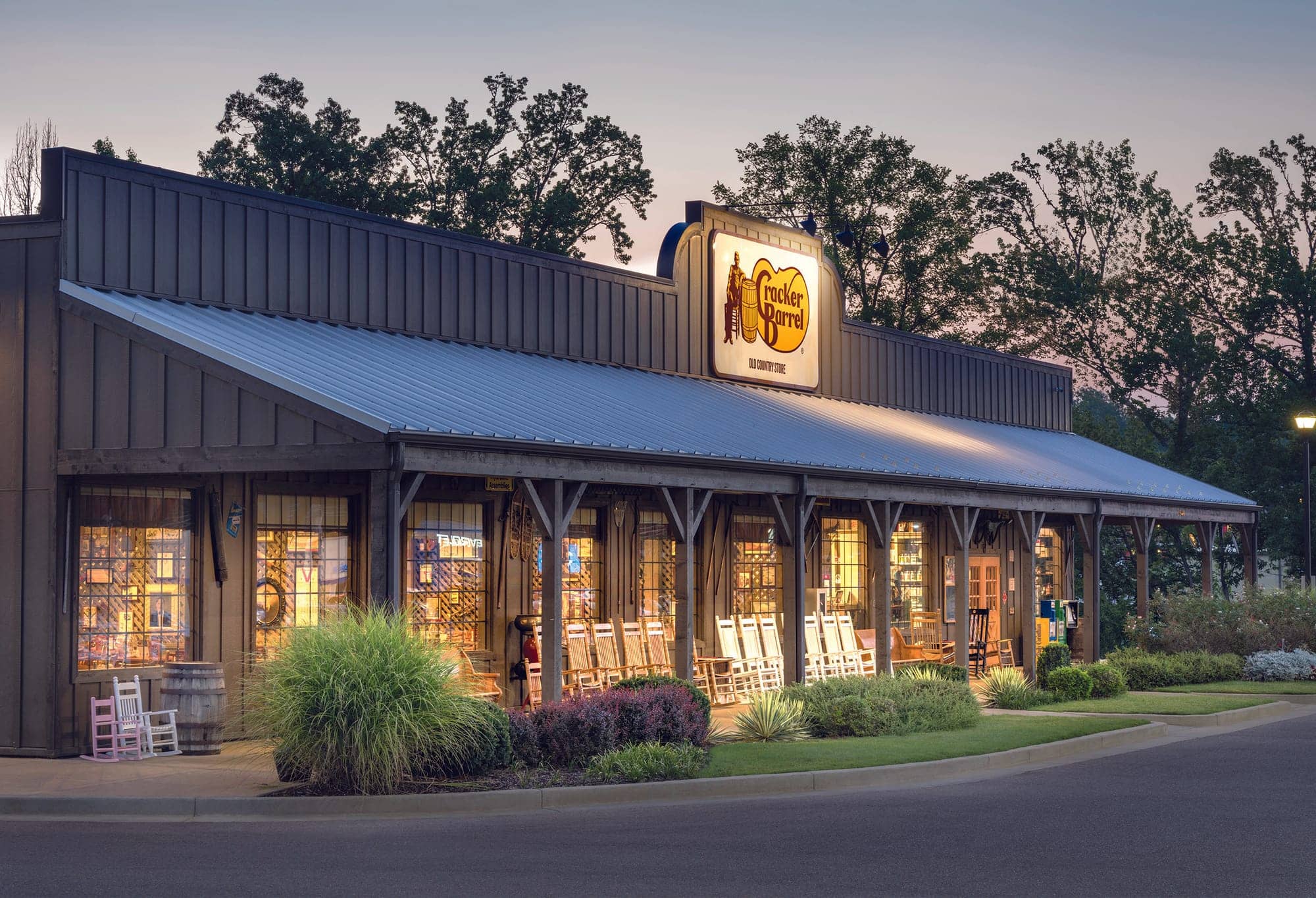
Cracker Barrel's recent rebranding debacle serves as a poignant reminder of the critical importance of emotional resonance in branding. When a brand strips away elements that deeply resonate with its core audience in a bid to modernize, it risks losing its soul and connection with loyal customers.
The case of Cracker Barrel underscores the necessity of conducting thorough equity research before embarking on a rebranding journey. By neglecting to understand the emotional equities that define a brand for its loyal consumers, companies risk alienating their core audience and undermining brand loyalty.
The removal of Uncle Herschel from Cracker Barrel's branding highlights the significance of symbols in brand identity. Uncle Herschel was more than just a character; he was a symbol of warmth and nostalgia for many customers. Losing such symbols without proper validation can have far-reaching consequences for a brand's identity.
Cracker Barrel's packaging redesign misstep emphasizes the role of packaging as an extension of the brand experience. The shift from old-fashioned design cues to a more generic supermarket aesthetic detracted from the brand's unique identity, showcasing the importance of aligning all brand touchpoints with its core essence.
Cracker Barrel's rebranding disaster underscores the necessity of anchoring brand evolution in strategy and authenticity. Without a solid foundation rooted in the brand's core values and emotional connections, even well-intentioned design choices can lead to a catastrophic loss of brand identity and consumer trust.