True Food Kitchen Files Bankruptcy, Closes 12 Sites
True Food Kitchen filed for Chapter 11 bankruptcy, closing 12 locations and shrinking to 34 restaurants across 14 states amid $42.1 million in debt.
News
Oct 5, 2026
True Food Kitchen filed for Chapter 11 bankruptcy, closing 12 locations and shrinking to 34 restaurants across 14 states amid $42.1 million in debt.
Oct 5, 2026

Snooze Eatery names industry veteran Amy Hom as COO, starting Sept. 28, to strengthen hospitality and operations ahead of its next growth phase.
Oct 5, 2026

Evaluate restaurant industry performance in Q3 2026 through key trends affecting restaurant sales, traffic, consumer spending, labor, costs, and technology.
Oct 2, 2026

Opening a second restaurant location requires readiness, clear goals, financial planning, funding, smart strategy, standardized operations, strong teams, and careful launch monitoring for sustainable growth.
Sep 30, 2026
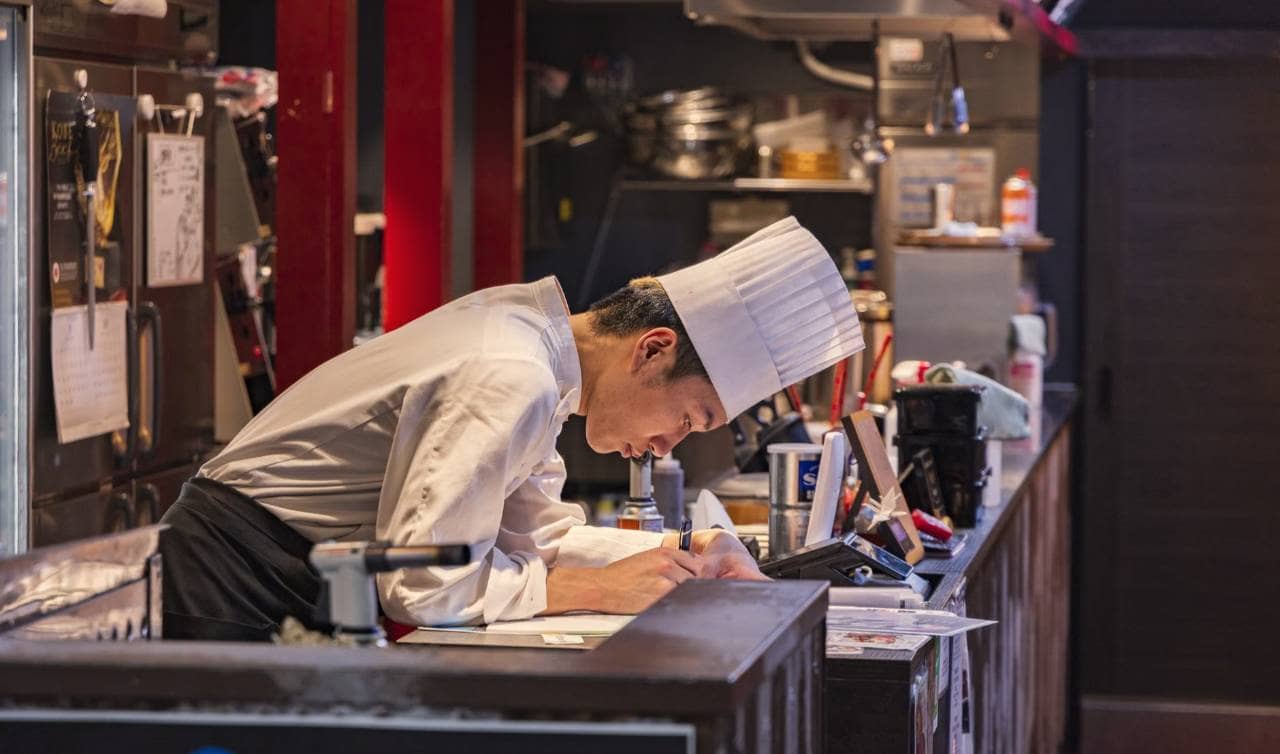
Restaurants can control operating costs by tracking food, labor, rent, utilities, technology, marketing, and other expenses against sales.
Oct 5, 2026

Improve restaurant visibility with local SEO by optimizing Google Business Profile, targeting local keywords, managing reviews, and maintaining accurate online information.
Oct 5, 2026
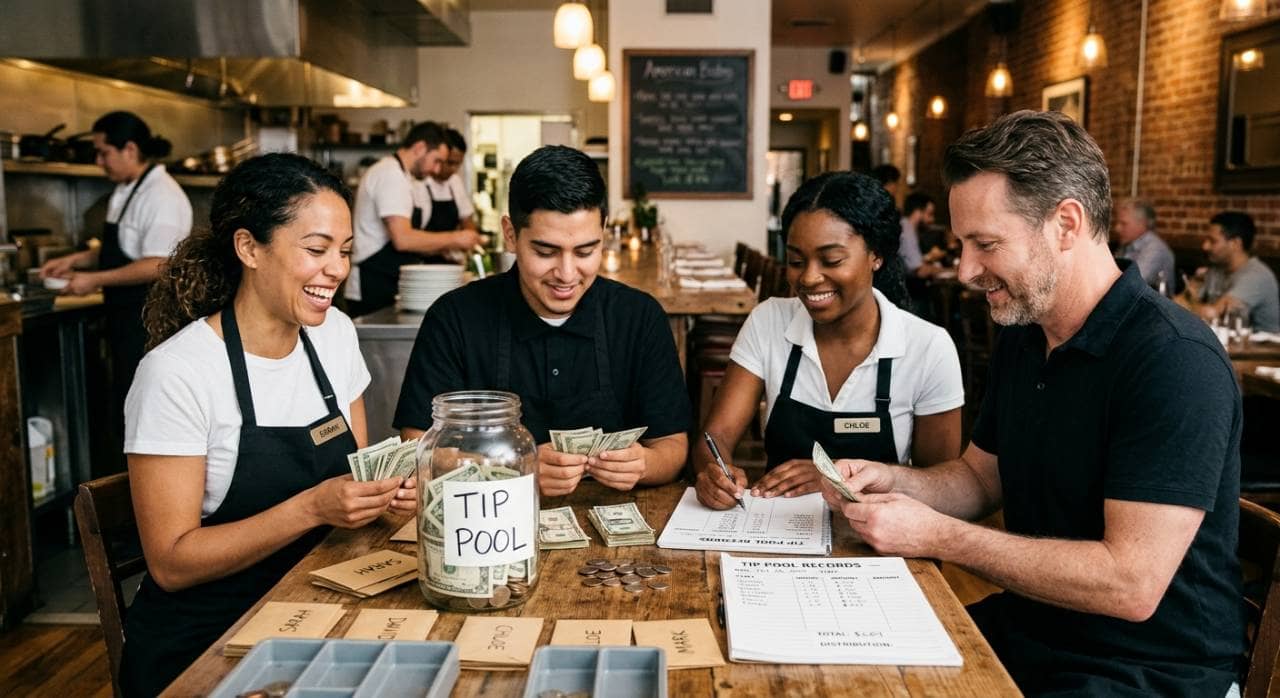
Understand tip pooling rules, employee eligibility, distribution methods, compliance requirements, recordkeeping practices, and policies restaurant owners need for proper tip management.
Oct 2, 2026

Whit's Frozen Custard hires industry veteran Amos Durbin as COO to guide franchise expansion, drawing on two decades of restaurant leadership experience.
Oct 2, 2026
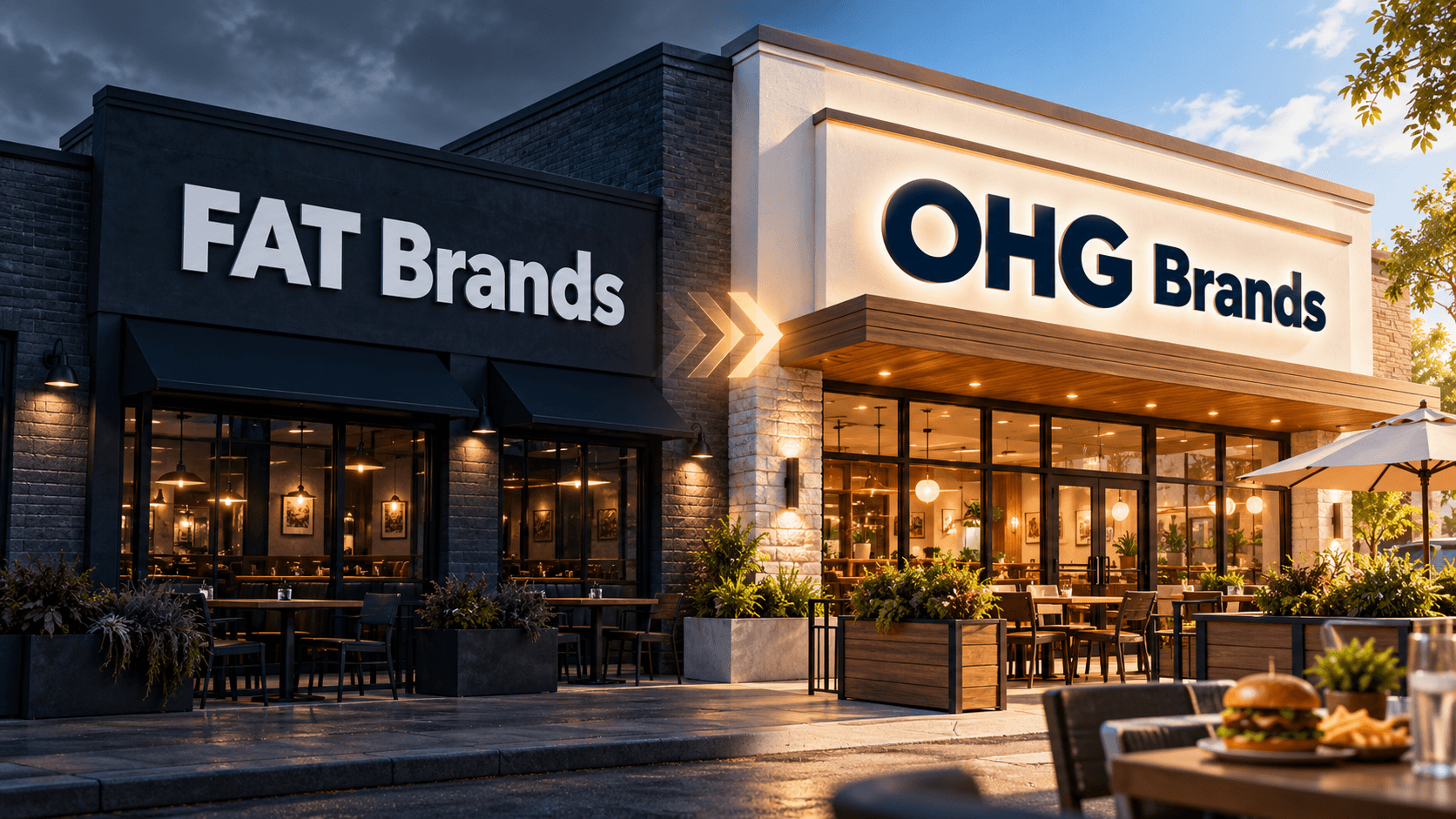
FAT Brands' $1B acquisition empire fell into bankruptcy and sold for $965M, re-emerging as OHG Brands with 1,700 restaurants.
Oct 1, 2026
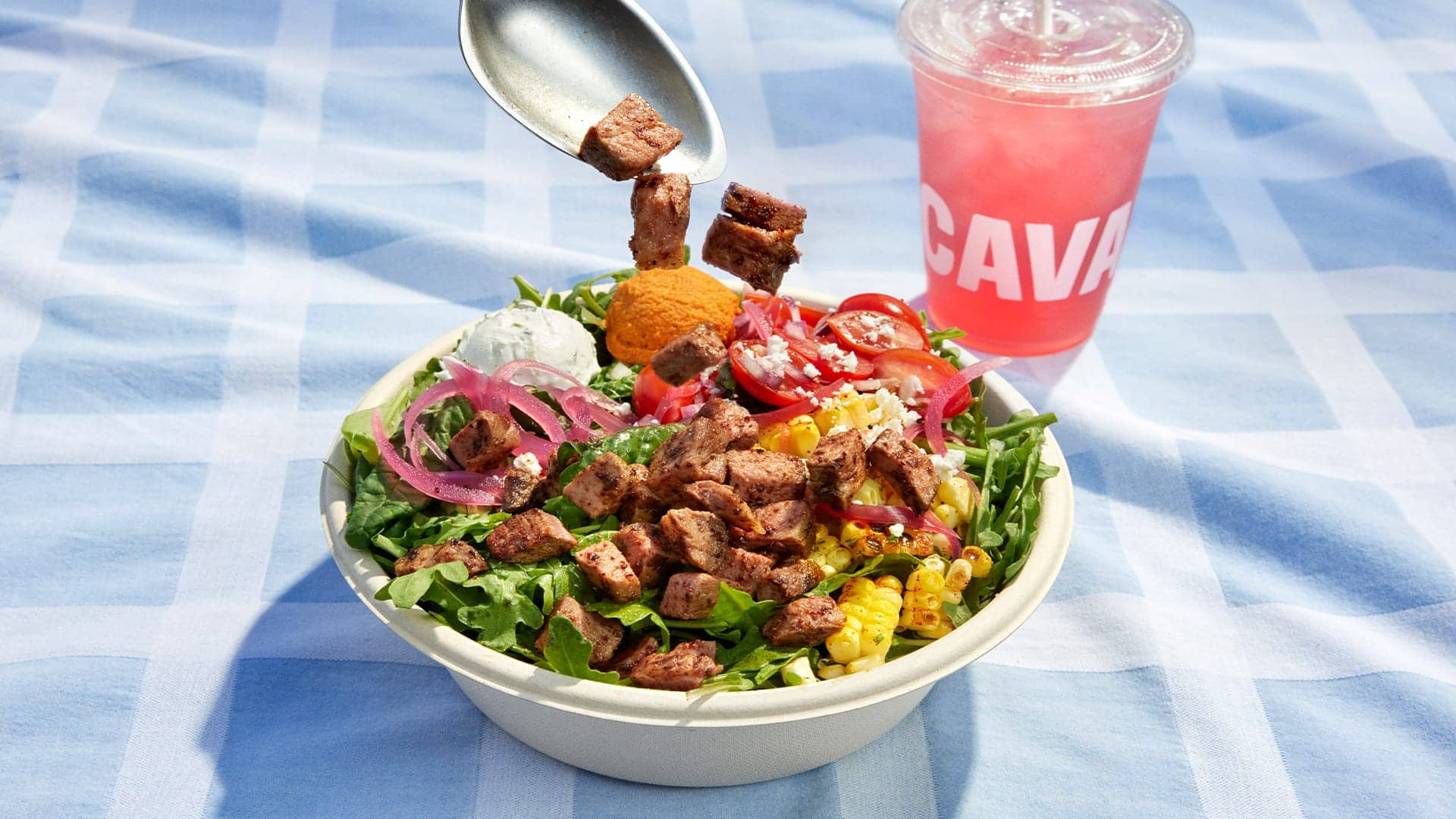
CAVA names John Ludeke, former Dr. Squatch Chief Brand Officer, as its new CMO to drive national growth and guest loyalty.
Oct 1, 2026

Unlock Exclusive Access To Webinars, Events, And The Latest News For Free!
Explore the latest trends in quick-service restaurant menus with a focus on beverage innovation and Gen Z preferences. Learn how McDonald's and other leading chains are adapting to changing consumer demands.
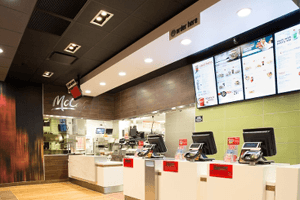
As the largest demographic cohort, Gen Z wields significant influence over consumer trends, particularly in the food and beverage industry. This generation, born between 1997 and 2012, is known for its adventurous palate and affinity for novel flavors and experiences. Quick-service restaurants (QSRs) like McDonald's are strategically shifting their menus to cater to Gen Z’s penchant for sweet, visually appealing, and Instagram-worthy beverages.

McDonald's recent foray into innovative beverages underscores its commitment to staying relevant in a rapidly evolving market. By introducing new refreshers like the Strawberry Watermelon Refresher and the Popping Tropic Refresher, McDonald’s aims to capture the attention of youthful consumers seeking unique and refreshing drink options. Leveraging feedback from frontline workers and operators, the brand fine-tunes its beverage offerings to ensure a stellar customer experience.
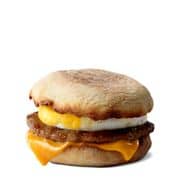
The stagnation in foot traffic across various QSR chains has prompted a menu revolution, with a heavy emphasis on beverage innovation. Brands like Taco Bell, Whataburger, Taco Cabana, and Caribou Coffee are adapting by introducing new refresher options to attract customers. To remain competitive, national brands must adopt a forward-looking beverage strategy to keep pace with evolving consumer demands.
In an ever-changing market landscape, adapting menus to reflect consumer preferences is crucial for the success of QSRs. McDonald's response to the implosion of its Krispy Kreme partnership by focusing on menu additions and limited-time offers (LTOs) exemplifies the importance of menu diversification. By creating dedicated teams for menu innovation across different food categories, McDonald's showcases its commitment to meeting customer expectations and driving sales.