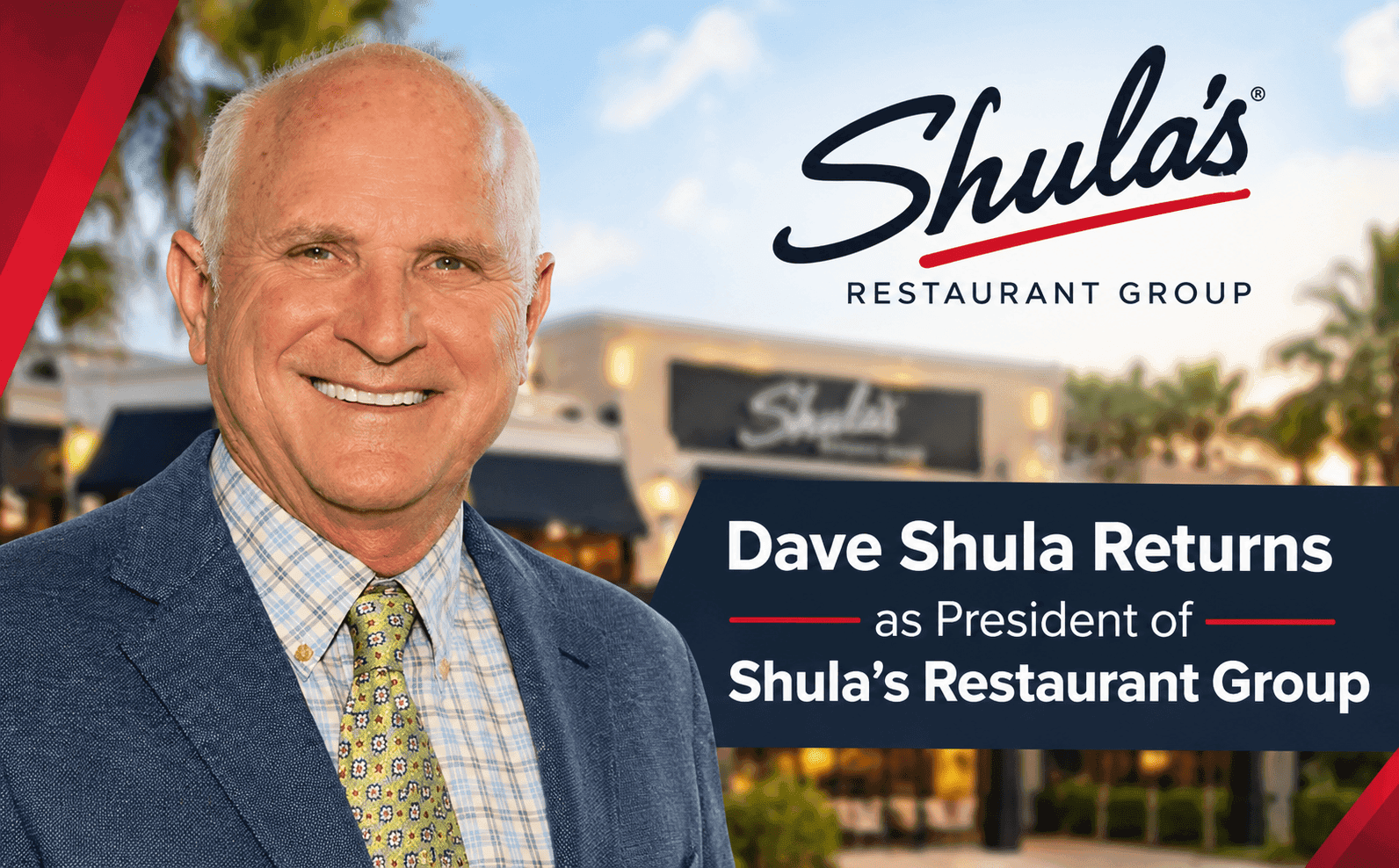
Dave Shula Returns as President of Shula's Restaurant Group
Dave Shula rejoins Shula's Restaurant Group as president, leading growth into Palm Beach Gardens and a 2027 Thomasville, Georgia expansion.
News
Sep 23, 2026
Dave Shula rejoins Shula's Restaurant Group as president, leading growth into Palm Beach Gardens and a 2027 Thomasville, Georgia expansion.
Sep 23, 2026
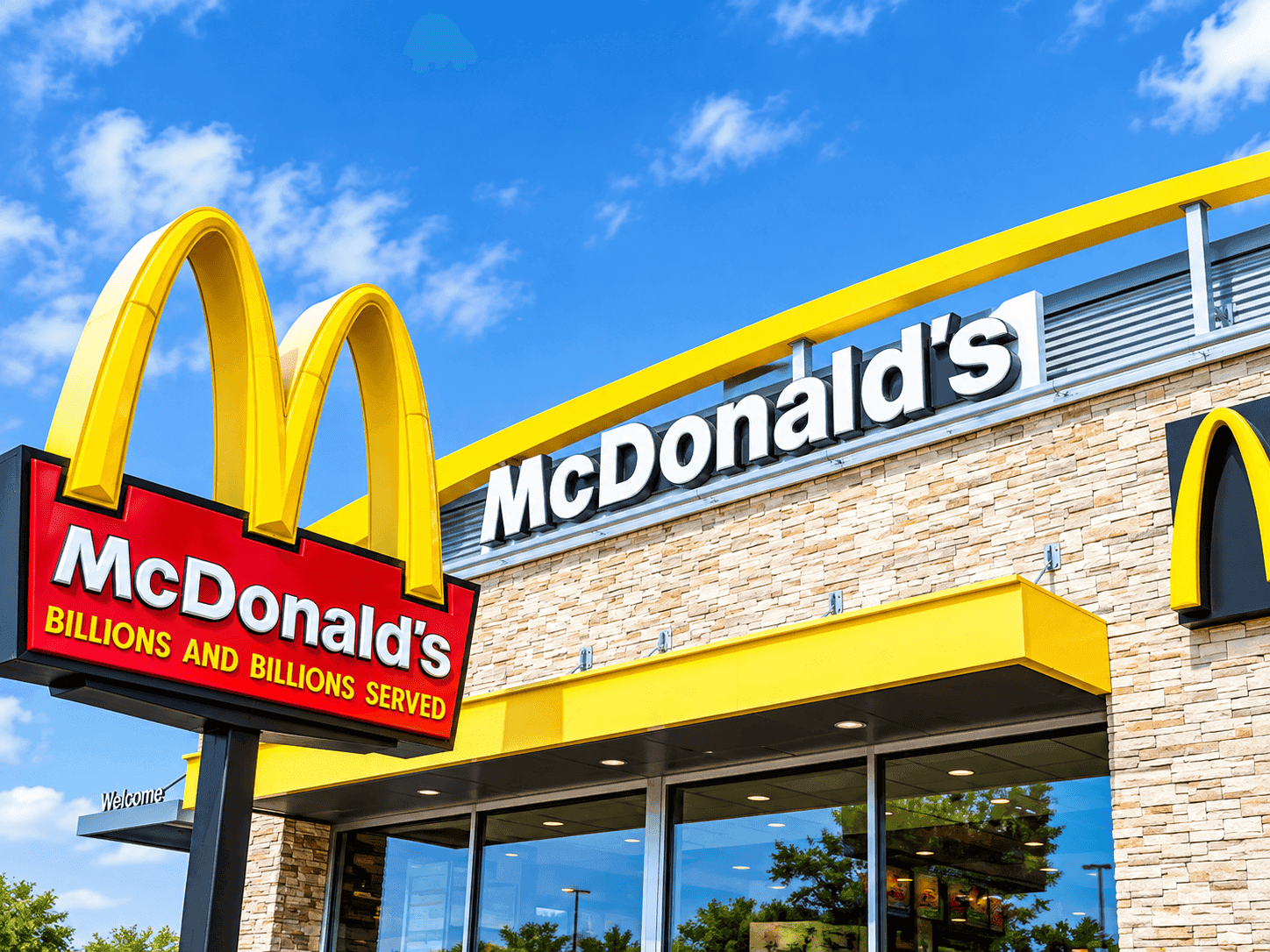
McDonald's commits $8.5 billion through 2036 to modernize restaurants, boost cash flow by $100,000 per store, and grow chicken and beverage sales.
Sep 23, 2026
WKS Restaurant Group promotes Jay Spongberg to president and COO after he helped grow the company from 65 to 382 restaurants over 16 years.
Sep 23, 2026

Smokey Mo's BBQ names Von Dawson, a Dine Brands veteran, as VP of Franchise Development to lead its Texas expansion strategy.
Sep 23, 2026
.png&w=3840&q=70)
Meritage Hospitality's Chapter 11 filing pulls 5% of Wendy's U.S. stores into bankruptcy, exposing cracks in franchising's bigger-is-safer bet.
Sep 21, 2026
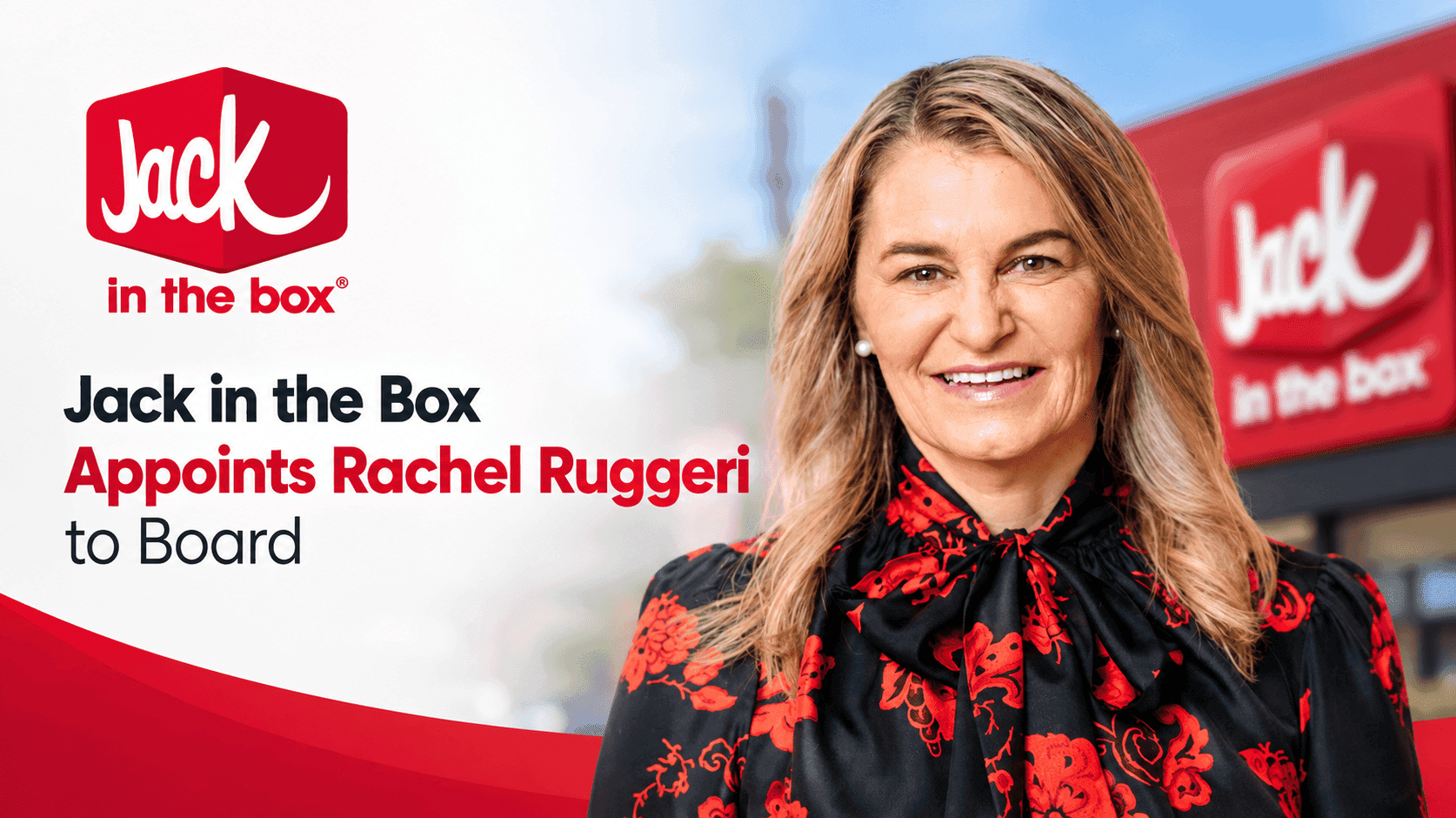
Jack in the Box names Rachel Ruggeri to its board as Michael Murphy retires, amid a CEO transition and deal with investor GreenWood.
Sep 21, 2026
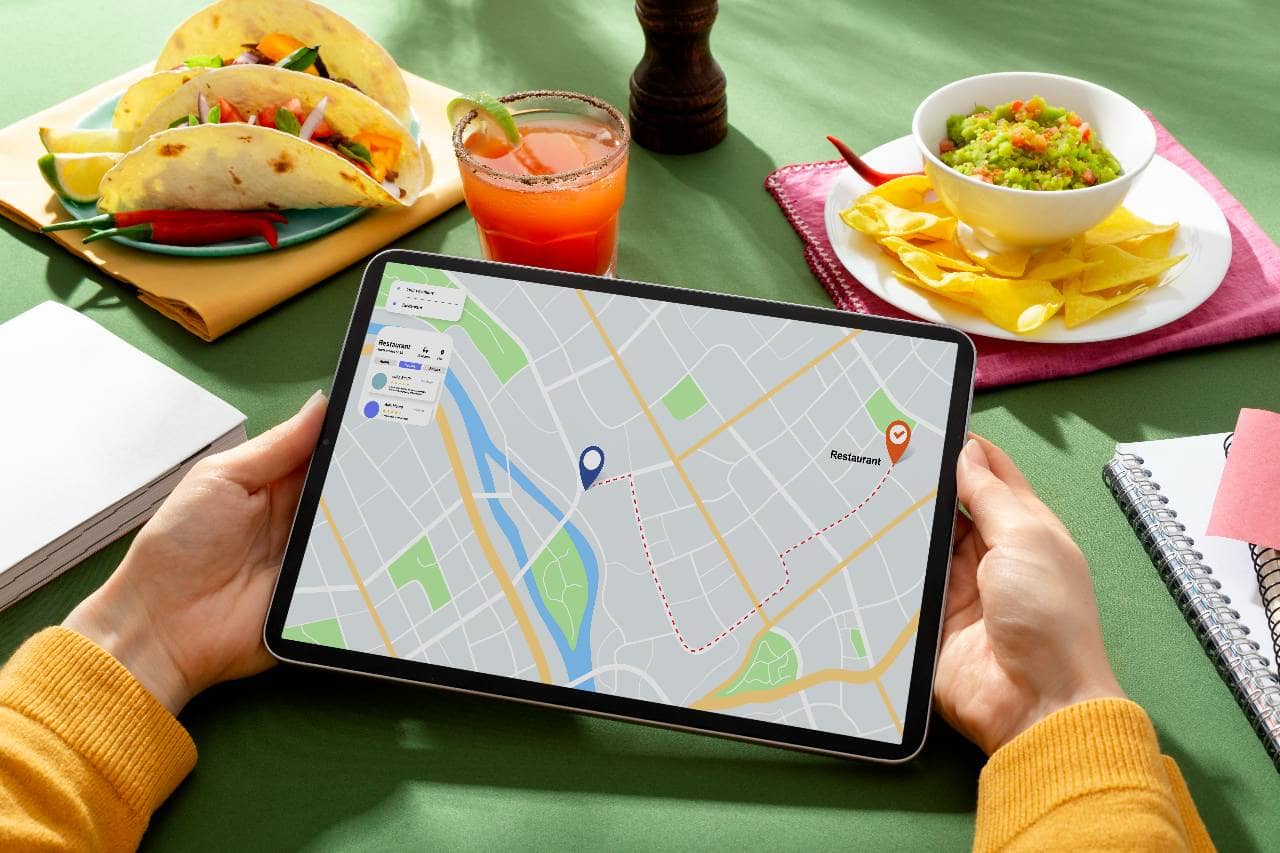
Improve restaurant Google Maps rankings by optimizing your business profile, selecting accurate categories, gathering reviews, adding photos, and strengthening local relevance signals.
Sep 21, 2026

Restaurant inventory tracking helps owners monitor stock, control food costs, reduce waste, improve purchasing, and make informed operational decisions.
Sep 21, 2026

Restaurant owners can significantly reduce restaurant costs by leveraging technology across inventory, labor, procurement, forecasting, and administrative operations for better profit margins.
Sep 18, 2026

Understand how to forecast restaurant revenue and expenses with methods for sales projection, cost scaling, fixed-cost planning, and risk buffering.
Sep 18, 2026

Unlock Exclusive Access To Webinars, Events, And The Latest News For Free!
Explore how AI voice strategy choices between humanization and transparency influence drive-thru customer experience, operational efficiency, and brand perception in the QSR industry.

Photo by Europeana
Humanizing AI interactions through natural-sounding voices, regional accents, or celebrity personas plays a crucial role in replicating the warmth of human interactions at drive-thrus. By adopting familiar voices, QSR brands can enhance customer comfort and reinforce their local or brand identity. For example, Lee’s Famous Recipe Chicken integrated a voice reminiscent of local sports icon Keith Byars, effectively boosting community engagement and creating a personalized experience for customers. Wendy’s collaboration with Google Cloud to develop “FreshAI” showcases how brands can leverage conversational AI to deliver engaging interactions at the drive-thru, nurturing a sense of connection with customers.
On the other hand, transparency in AI voice strategy emphasizes distinctiveness from human interactions by using slightly robotic yet friendly voices. Brands like Bojangles have implemented assistants like “Bo Linda,” intentionally designed to sound like an AI system to ensure customers recognize and trust the technology. Transparent AI interactions build credibility through clarity, managing customer expectations and fostering forgiveness for any occasional errors. While transparency sacrifices some emotional engagement offered by human-like voices, it aligns with operational efficiency and guest expectations, establishing a foundation of trust and honesty in communication.

Photo by Europeana
Choosing the right voice strategy is pivotal as it directly impacts operational metrics and customer perception. Voice tone not only influences emotional engagement but also plays a significant role in throughput and efficiency. For instance, adjusting the speed of speech to be slightly faster, resembling a fast-forward effect, has shown to prompt quicker responses from customers, ultimately reducing ordering time and enhancing flow-through efficiency. These nuanced decisions in tone and pacing can lead to substantial improvements across multiple drive-thru locations, optimizing the overall customer experience.
Digital leaders and decision-makers in large QSR chains should closely align their voice strategy with brand positioning, emphasizing either approachability and familiarity or clarity and consistency. Understanding customer demographics and operational data is essential in making informed decisions regarding AI voice interactions. Continuous testing, measurement, and adaptation based on guest feedback are imperative in refining the chosen approach. Whether focusing on humanization or transparency, the AI voice strategy significantly impacts operational efficiency, customer satisfaction, and brand strength, shaping the overall drive-thru experience.

Photo by Europeana
Beyond the tone of voice, AI interactions can serve as a strategic asset for drive-thru operations by tailoring voice characteristics based on factors like daypart, dual-lane customizations, or personalizing interactions for repeat customers. Thoughtfully aligning AI interactions with clear guest expectations and brand identity can propel superior performance and foster customer loyalty. Leaders who leverage AI voice technology effectively in drive-thru operations stand to differentiate their brand, optimize operational metrics, and elevate the overall customer experience.

Photo by Europeana