Mountain Mike's Pizza Names Sheena Dougher CMO
Mountain Mike's Pizza hires Jack in the Box veteran Sheena Dougher as CMO to drive national growth while preserving its regional brand identity.
Franchising
Sep 17, 2026
Mountain Mike's Pizza hires Jack in the Box veteran Sheena Dougher as CMO to drive national growth while preserving its regional brand identity.
Sep 17, 2026
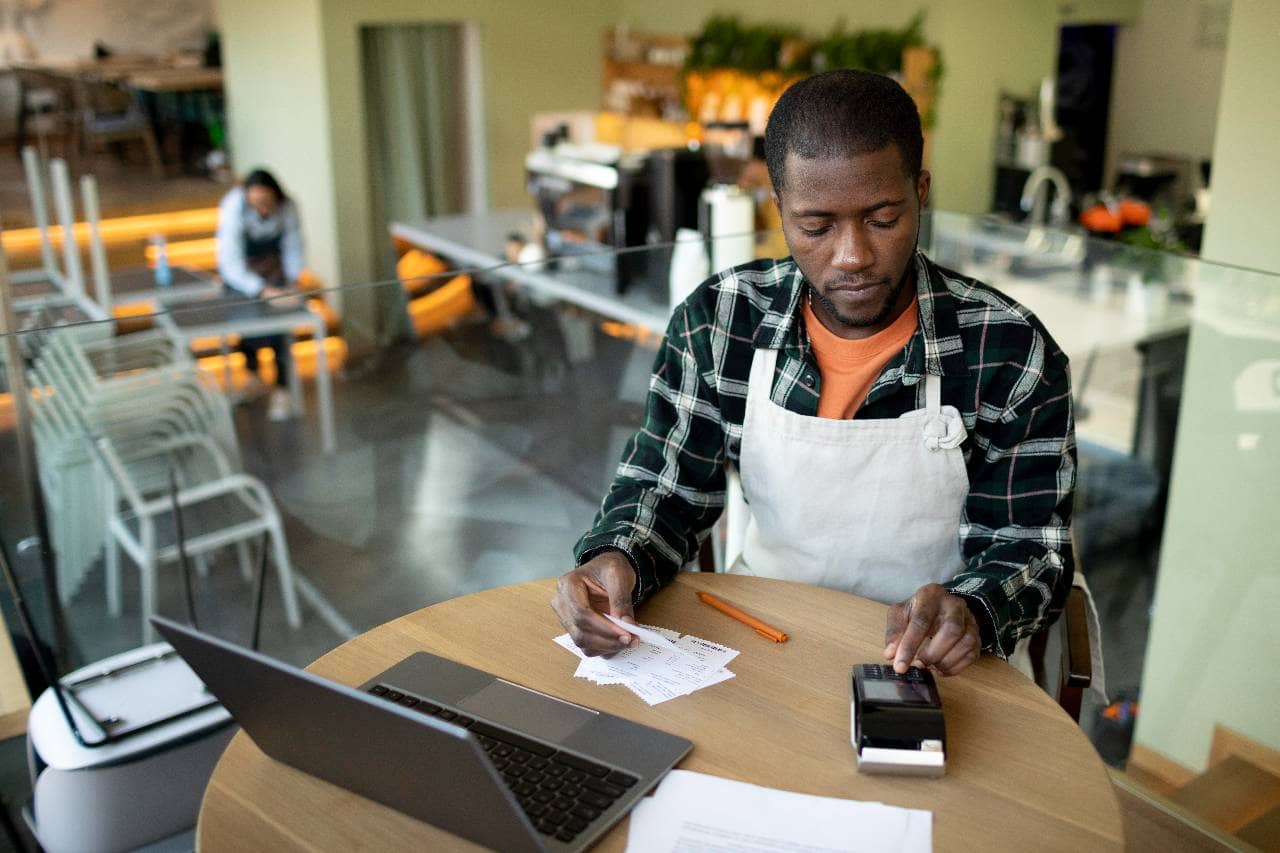
From fixed costs to contribution margin, learn exactly how to calculate your restaurant's break even point with confidence.
Sep 16, 2026

DoorDash pays $425M for Wonder's campus dining platform and a stake in Wonder, betting on robotic kitchens and institutional foodservice growth.
Sep 16, 2026
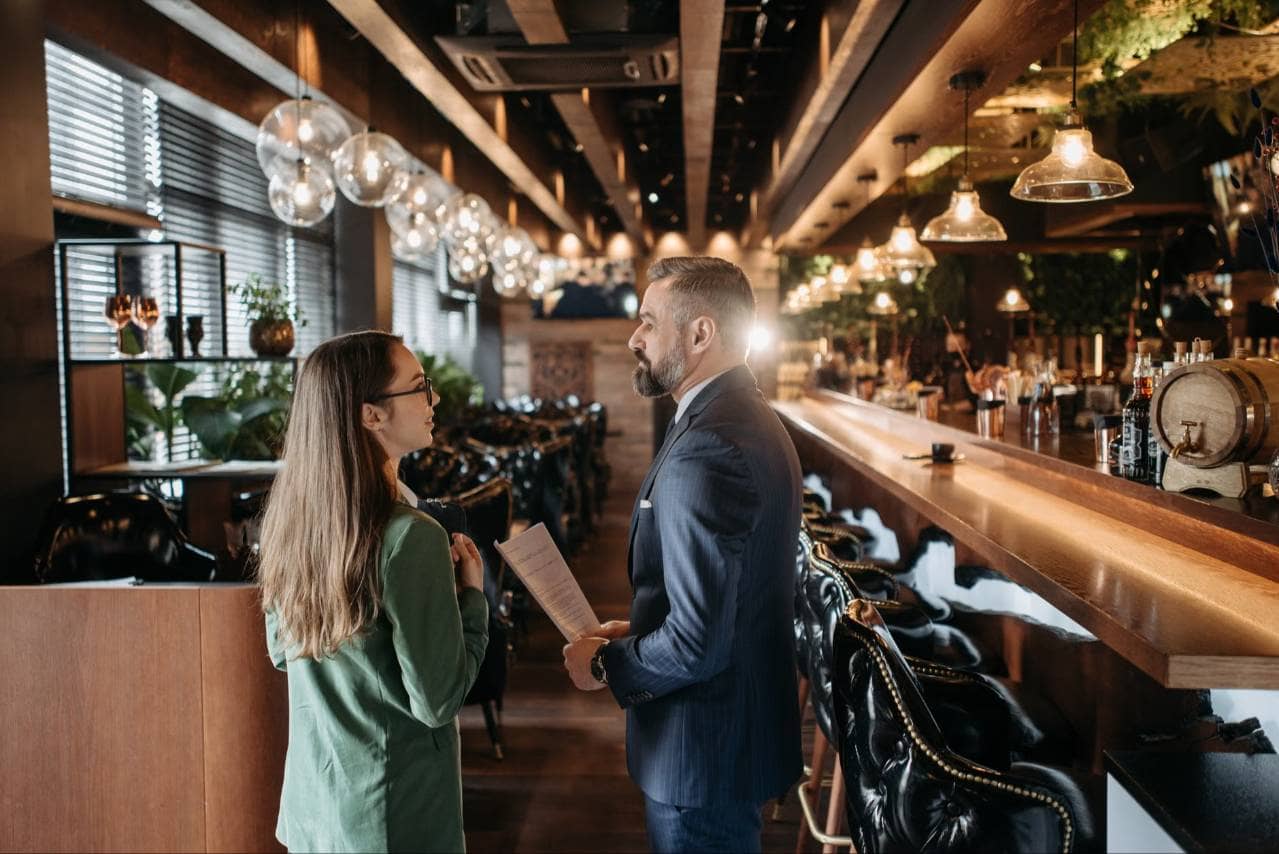
Discover the most common reasons restaurants fail, including inconsistent food quality and pricing mistakes, plus practical ways to avoid them.
Sep 16, 2026
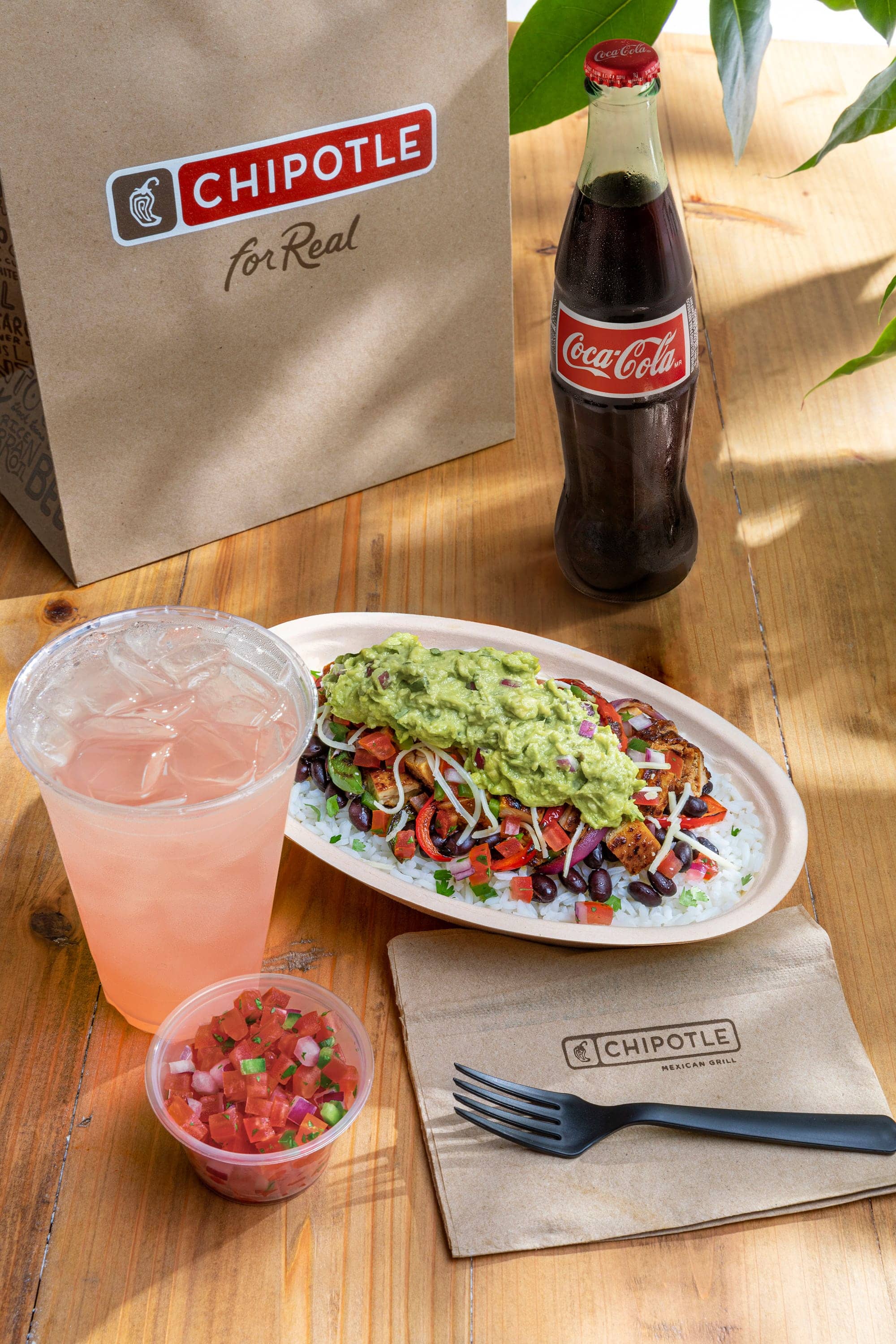
Chipotle names former KFC global CEO Sabir Sami to its board as the chain expands into Mexico, Saudi Arabia, and South Korea.
Sep 15, 2026

LeBron James joins Mike's Red Tacos as an investor, backing the birria chain led by Blaze Pizza and Dave's Hot Chicken veteran Bill Phelps.
Sep 15, 2026

Practical payroll compliance checklist for restaurant owners covering wage rules, tips, overtime, taxes, deductions, and recordkeeping to reduce legal risk.
Sep 14, 2026
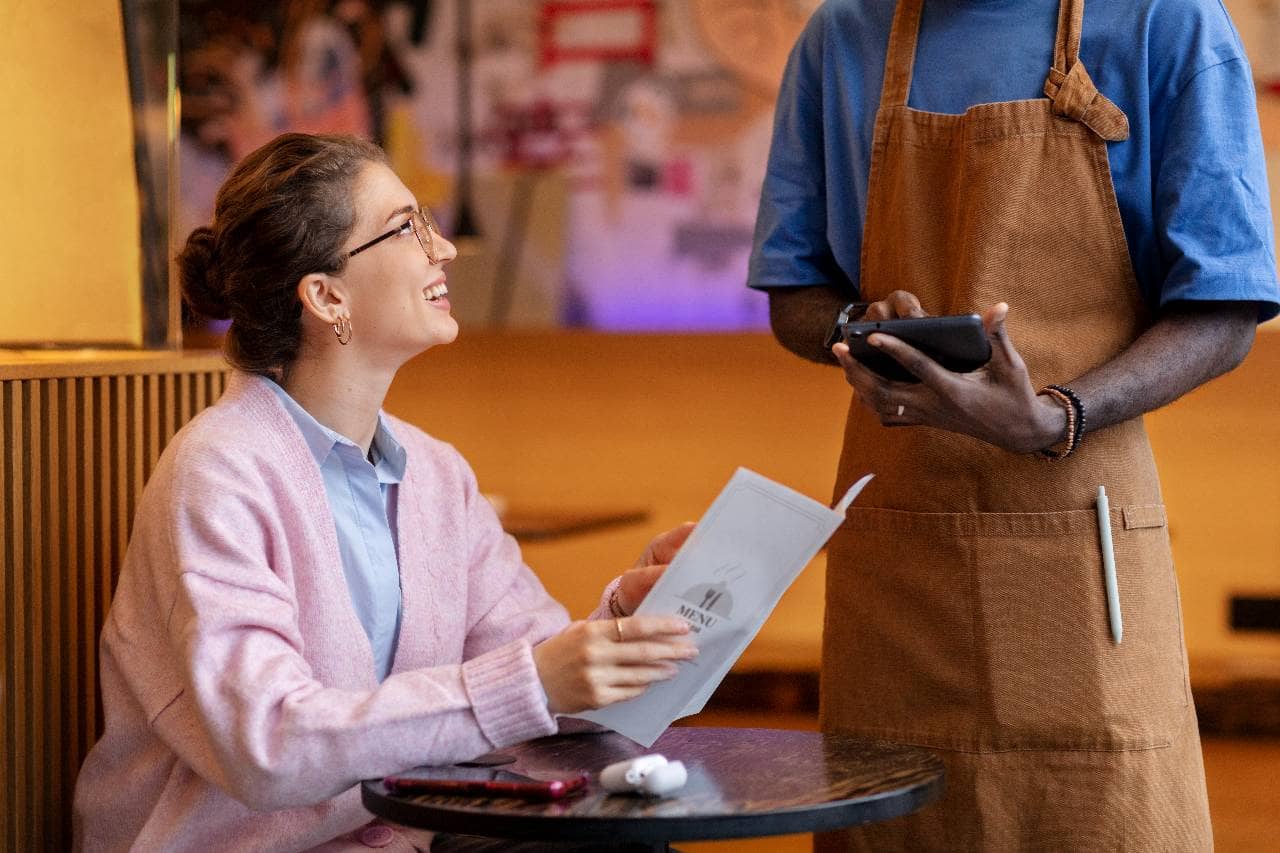
Discover practical promotion ideas - time-based deals, loyalty programs, local partnerships, and digital marketing - to boost restaurant foot traffic consistently.
Sep 14, 2026
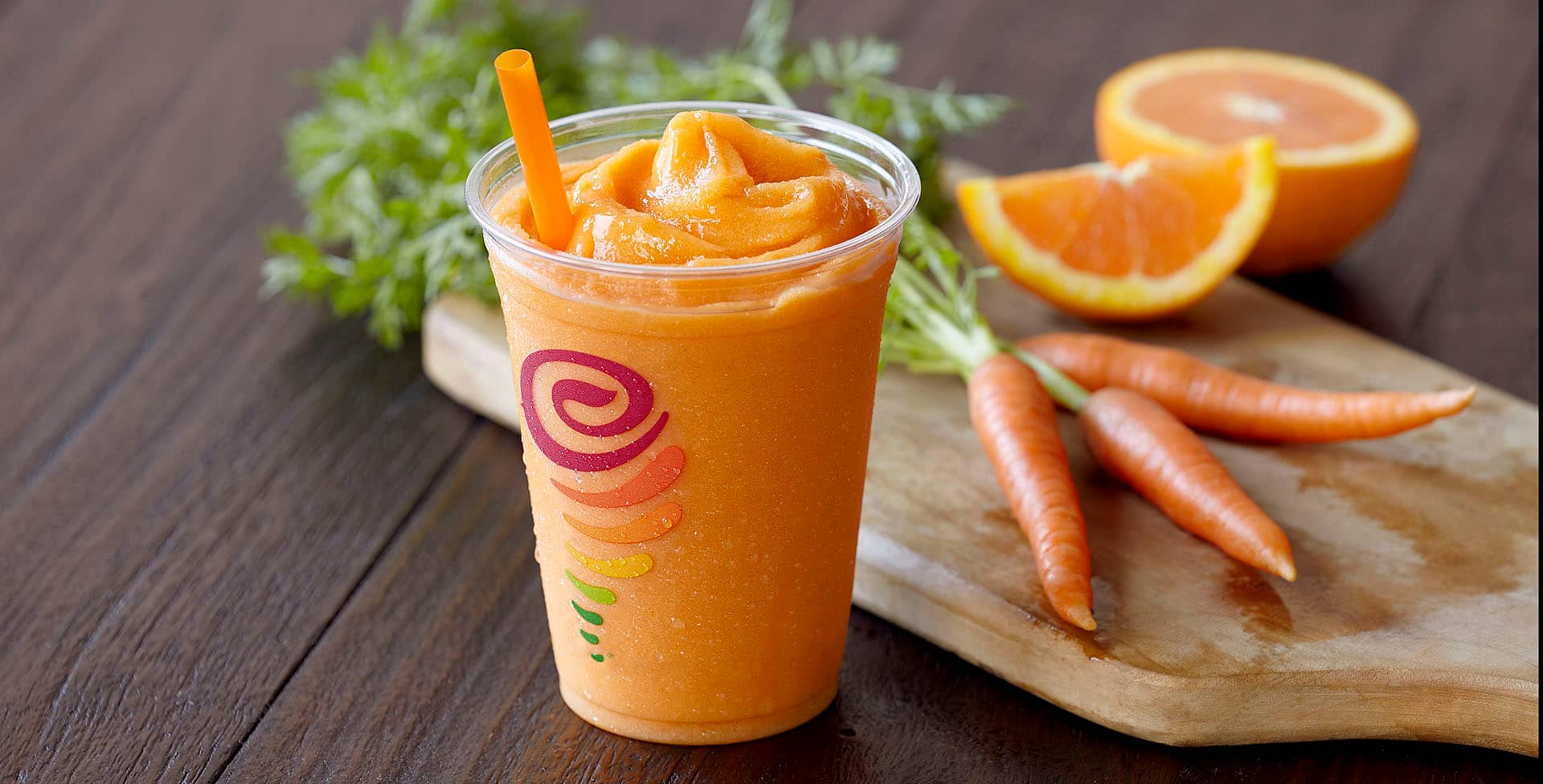
Lucy Brady joins Jamba as president to lead digital-first growth strategy. GoTo Foods restructures leadership to strengthen franchise platform capabilities.
Sep 14, 2026
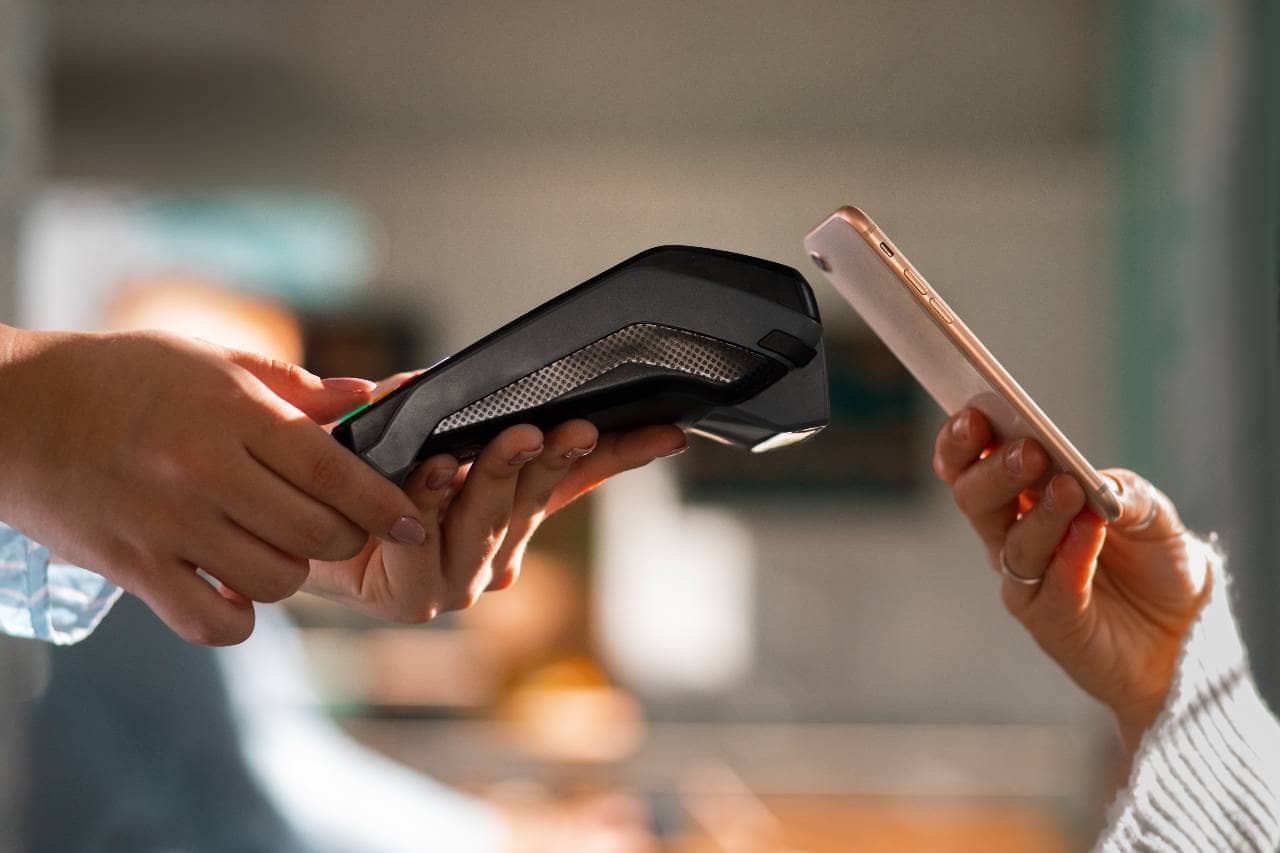
Contactless payment offers restaurants faster transactions, better security, and improved customer experience, making it a valuable, worthwhile technology investment today.
Sep 11, 2026

Unlock Exclusive Access To Webinars, Events, And The Latest News For Free!
Explore the recent legal dispute between Uber Eats and DoorDash, revealing insights into anti-competitive behavior, market consolidation, and strategic partnerships in the food delivery landscape.

Photo by Erik Mclean
The recent legal saga between Uber Eats and DoorDash has unveiled a clash of titans in the food delivery domain. Uber Eats accuses DoorDash of engaging in anti-competitive practices by allegedly thwarting its efforts to attract delivery clients who utilize white-label delivery services for their branded platforms. This legal move signifies a pivotal moment in the increasingly consolidated food delivery landscape, where the industry giants vie for market dominance.
A decade ago, the food delivery sector boasted numerous regional players, but the market dynamics have drastically changed over the years. Today, DoorDash and Uber Eats stand at the forefront, commanding a significant portion of the market share. The industry witnessed the exit of players like ASAP (formerly Waitr) and transformations such as the acquisition of Grubhub, indicating the dominant position of the two major players in reshaping the food delivery ecosystem.

Photo by Erik Mclean
With supremacy in the food delivery realm closely tied to partnerships with enterprise clients, DoorDash has solidified its position by serving a considerable number of top restaurant companies. Uber Eats, although facing DoorDash's dominance, has strategically secured significant partnerships in the recent past, aiming to expand its reach and market presence. Such collaborations have become critical in gaining traction and influence amid the fierce competition.
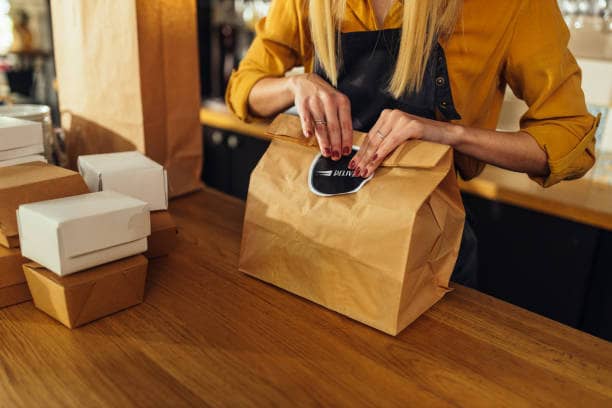
Photo by Erik Mclean
The legal battle initiated by Uber Eats against DoorDash showcases an intriguing approach by focusing on tortious interference rather than traditional anti-trust claims. While the accusation seems challenging, considering the competitive nature of business, claiming breach of contract inducement or fraudulent practices is crucial to establishing interference. The lawsuit aims not only to rectify alleged unfair practices but also to shape future market behaviors.
As Uber Eats takes a stand against DoorDash's exclusive arrangements, the lawsuit's objectives extend beyond monetary compensation. The legal action seeks to redefine market norms and encourage a more competitive yet fair landscape in the first-party delivery sector. By challenging exclusivity and advocating for a level playing field, Uber Eats aims to secure its position and foster a climate that benefits both customers and industry players alike.