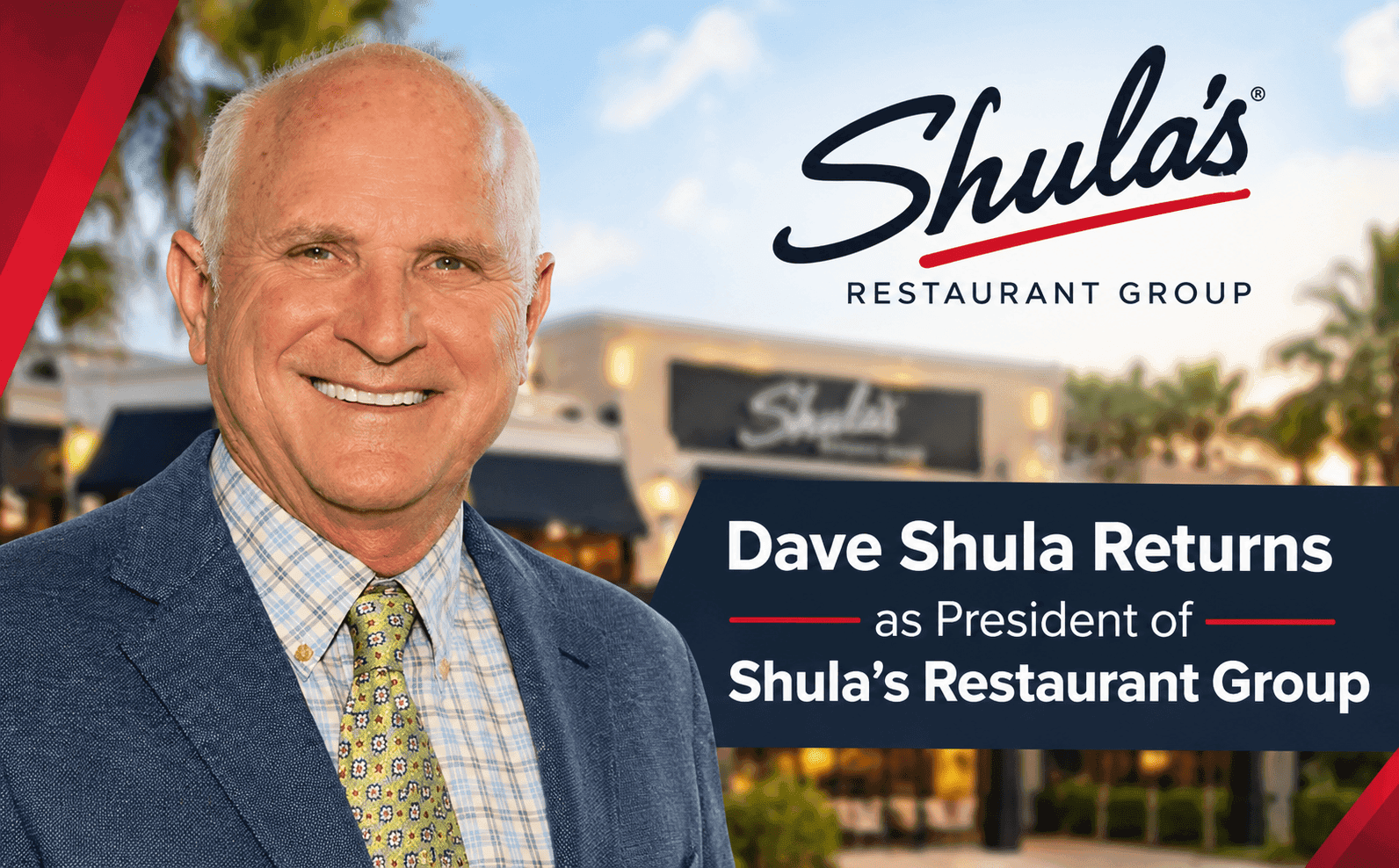
Dave Shula Returns as President of Shula's Restaurant Group
Dave Shula rejoins Shula's Restaurant Group as president, leading growth into Palm Beach Gardens and a 2027 Thomasville, Georgia expansion.
News
Sep 23, 2026
Dave Shula rejoins Shula's Restaurant Group as president, leading growth into Palm Beach Gardens and a 2027 Thomasville, Georgia expansion.
Sep 23, 2026
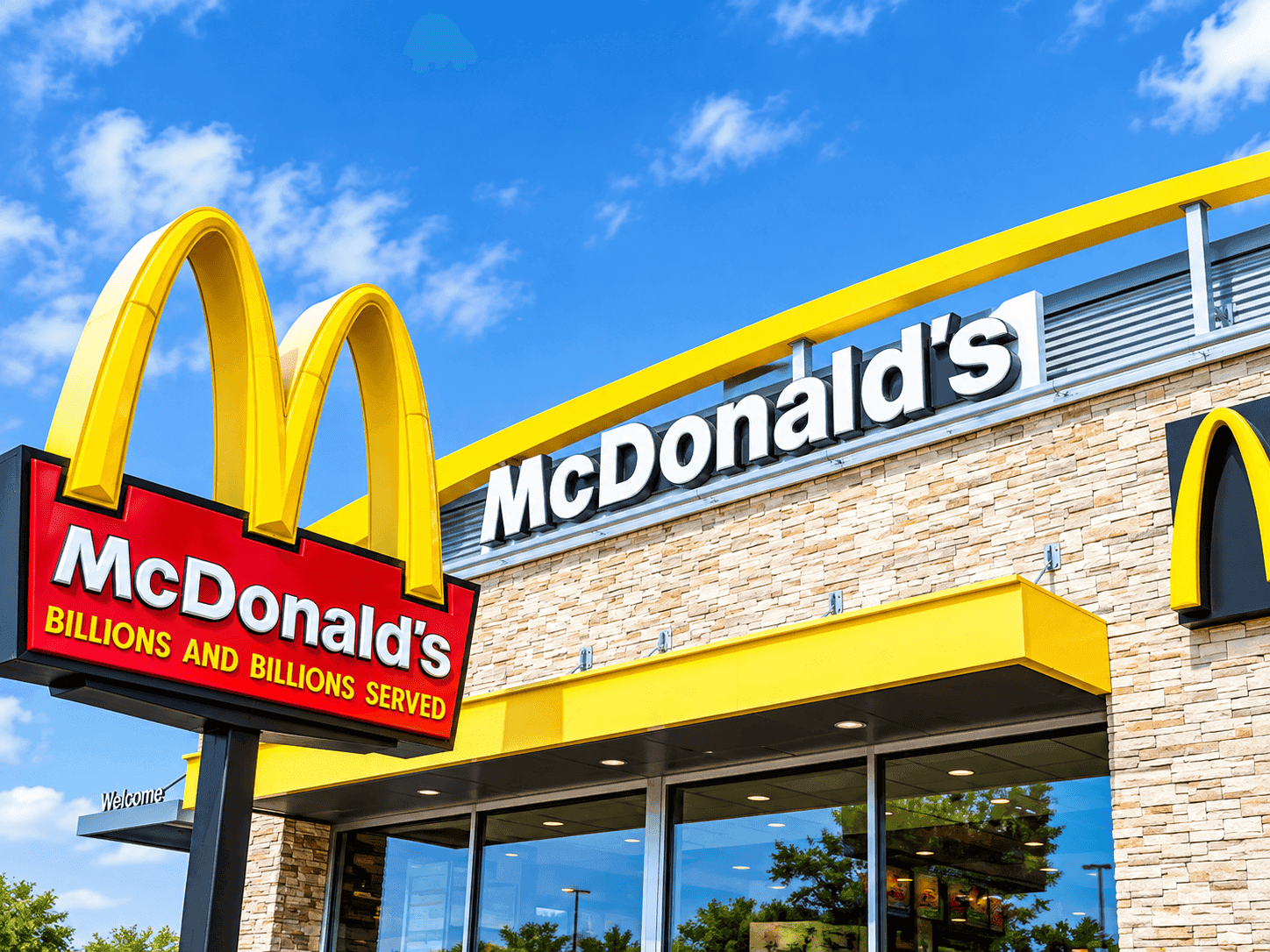
McDonald's commits $8.5 billion through 2036 to modernize restaurants, boost cash flow by $100,000 per store, and grow chicken and beverage sales.
Sep 23, 2026
WKS Restaurant Group promotes Jay Spongberg to president and COO after he helped grow the company from 65 to 382 restaurants over 16 years.
Sep 23, 2026

Smokey Mo's BBQ names Von Dawson, a Dine Brands veteran, as VP of Franchise Development to lead its Texas expansion strategy.
Sep 23, 2026
.png&w=3840&q=70)
Meritage Hospitality's Chapter 11 filing pulls 5% of Wendy's U.S. stores into bankruptcy, exposing cracks in franchising's bigger-is-safer bet.
Sep 21, 2026
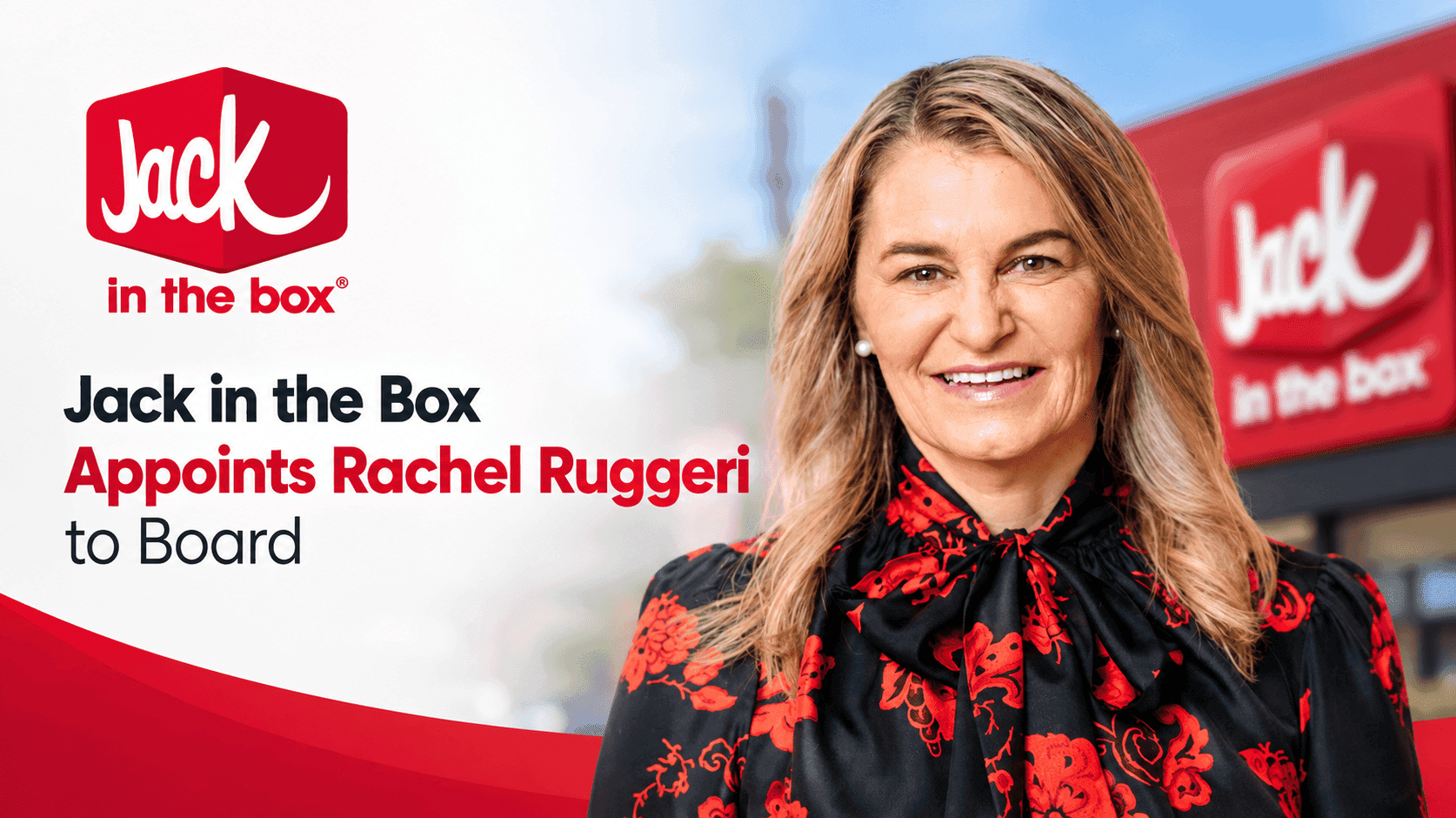
Jack in the Box names Rachel Ruggeri to its board as Michael Murphy retires, amid a CEO transition and deal with investor GreenWood.
Sep 21, 2026
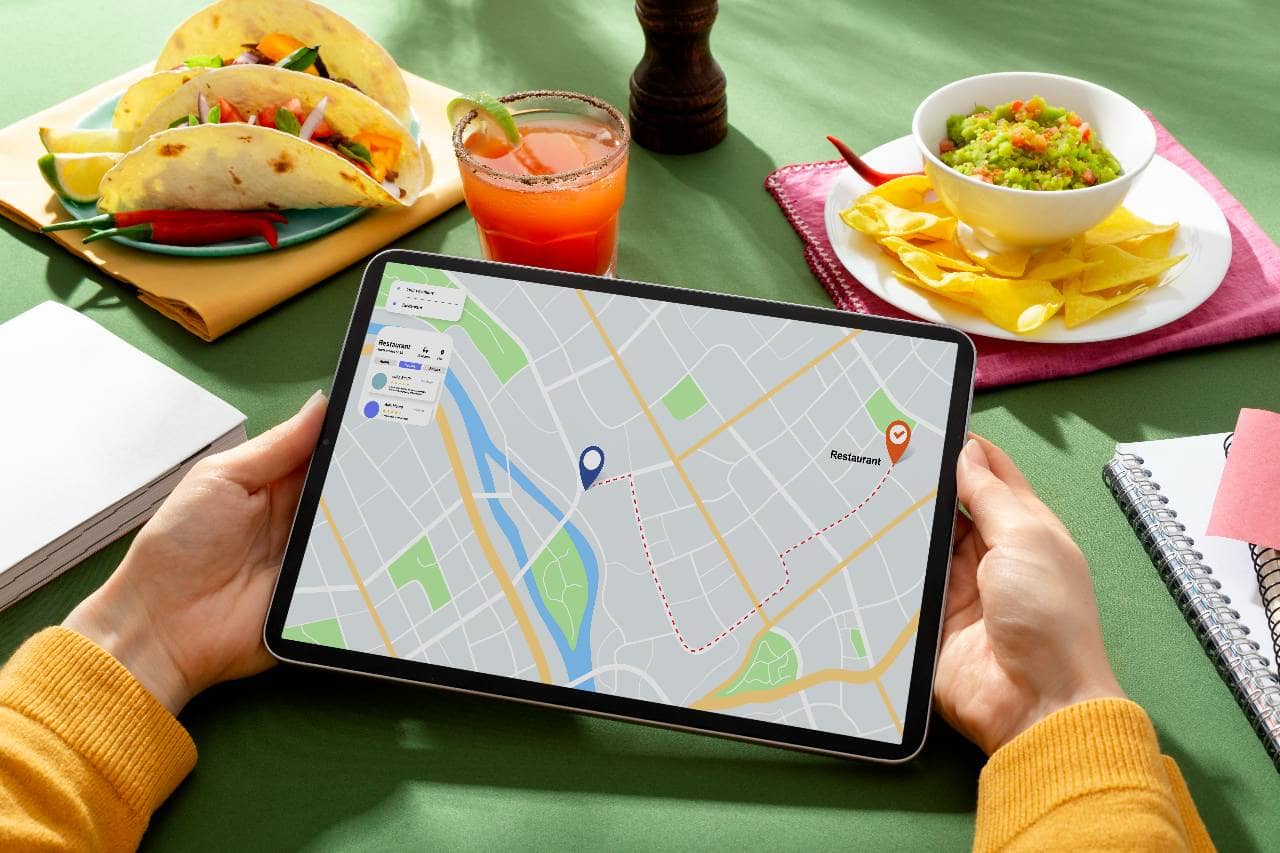
Improve restaurant Google Maps rankings by optimizing your business profile, selecting accurate categories, gathering reviews, adding photos, and strengthening local relevance signals.
Sep 21, 2026

Restaurant inventory tracking helps owners monitor stock, control food costs, reduce waste, improve purchasing, and make informed operational decisions.
Sep 21, 2026

Restaurant owners can significantly reduce restaurant costs by leveraging technology across inventory, labor, procurement, forecasting, and administrative operations for better profit margins.
Sep 18, 2026

Understand how to forecast restaurant revenue and expenses with methods for sales projection, cost scaling, fixed-cost planning, and risk buffering.
Sep 18, 2026

Unlock Exclusive Access To Webinars, Events, And The Latest News For Free!
Explore the legal dispute between Uber and DoorDash over first-party delivery partnerships and the impact on restaurants in the competitive food delivery market.
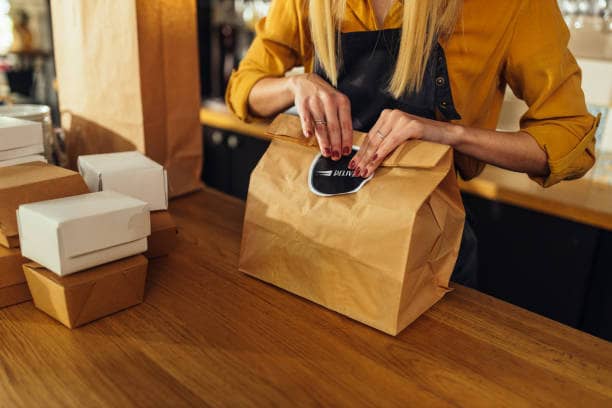
The clash between industry giants Uber and DoorDash has taken a legal turn with Uber accusing DoorDash of unlawfully limiting its growth in the first-party delivery market. The lawsuit sheds light on the intense competition in the food delivery industry and the strategies companies employ to secure partnerships with restaurants.
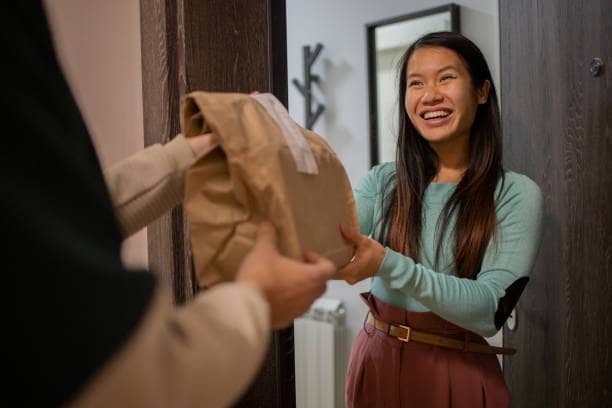
Uber and DoorDash provide white-label solutions that enable restaurants to accept delivery orders directly from their platforms. This capability empowers restaurants to gather valuable customer data, understand ordering patterns, and offer a personalized experience. Many eateries leverage a mix of first-party and third-party delivery services to cater to a wider customer base.
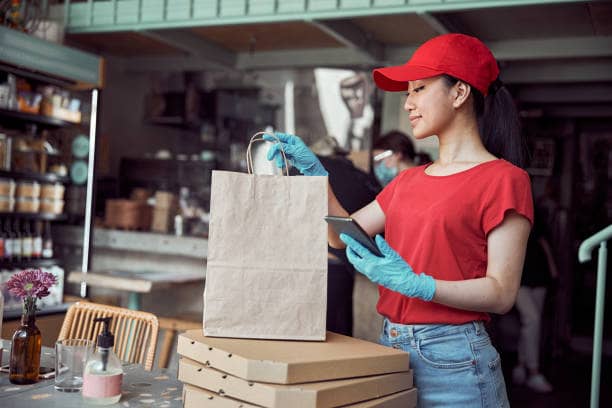
According to Uber's claims, DoorDash dominates over 50% of all third-party deliveries in the U.S. While DoorDash holds a significant market share, Uber asserts itself as the largest first-party delivery provider, partnering with over 90% of major restaurant brands. This fierce competition leads to innovative solutions but also raises concerns about market monopolization.

The lawsuit highlights the challenges faced by restaurants wanting to work with multiple first-party delivery providers. DoorDash's alleged tactics of restricting co-preferred partnerships and threatening higher fees create a dilemma for eateries that strive to enhance customer satisfaction through faster delivery and better service.
The legal dispute between Uber and DoorDash not only affects the companies involved but also impacts the end customers. By restricting restaurants' freedom to choose delivery partners, the lawsuit suggests potential negative consequences on delivery speeds, pricing, and overall customer satisfaction, emphasizing the importance of a balanced competitive landscape in the delivery market.
DoorDash refutes all accusations made by Uber, claiming the case lacks merit and is a result of Uber's inability to provide a competitive alternative. This back-and-forth underscores the complex dynamics and fierce competition within the food delivery ecosystem, with both companies vying for market dominance and restaurant partnerships.