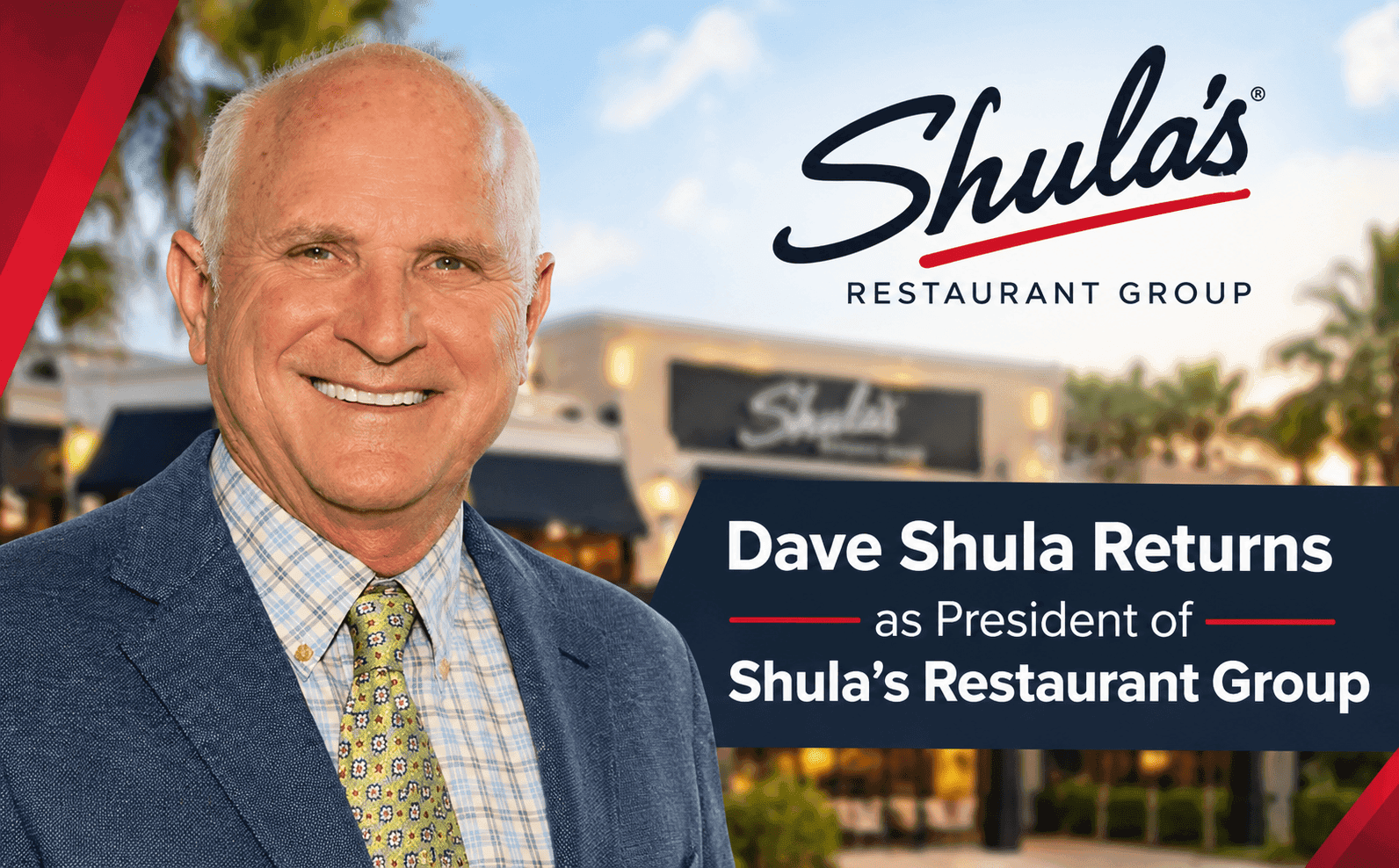
Dave Shula Returns as President of Shula's Restaurant Group
Dave Shula rejoins Shula's Restaurant Group as president, leading growth into Palm Beach Gardens and a 2027 Thomasville, Georgia expansion.
News
Sep 23, 2026
Dave Shula rejoins Shula's Restaurant Group as president, leading growth into Palm Beach Gardens and a 2027 Thomasville, Georgia expansion.
Sep 23, 2026
McDonald's commits $8.5 billion through 2036 to modernize restaurants, boost cash flow by $100,000 per store, and grow chicken and beverage sales.
Sep 23, 2026
WKS Restaurant Group promotes Jay Spongberg to president and COO after he helped grow the company from 65 to 382 restaurants over 16 years.
Sep 23, 2026

Smokey Mo's BBQ names Von Dawson, a Dine Brands veteran, as VP of Franchise Development to lead its Texas expansion strategy.
Sep 23, 2026
.png&w=3840&q=70)
Meritage Hospitality's Chapter 11 filing pulls 5% of Wendy's U.S. stores into bankruptcy, exposing cracks in franchising's bigger-is-safer bet.
Sep 21, 2026
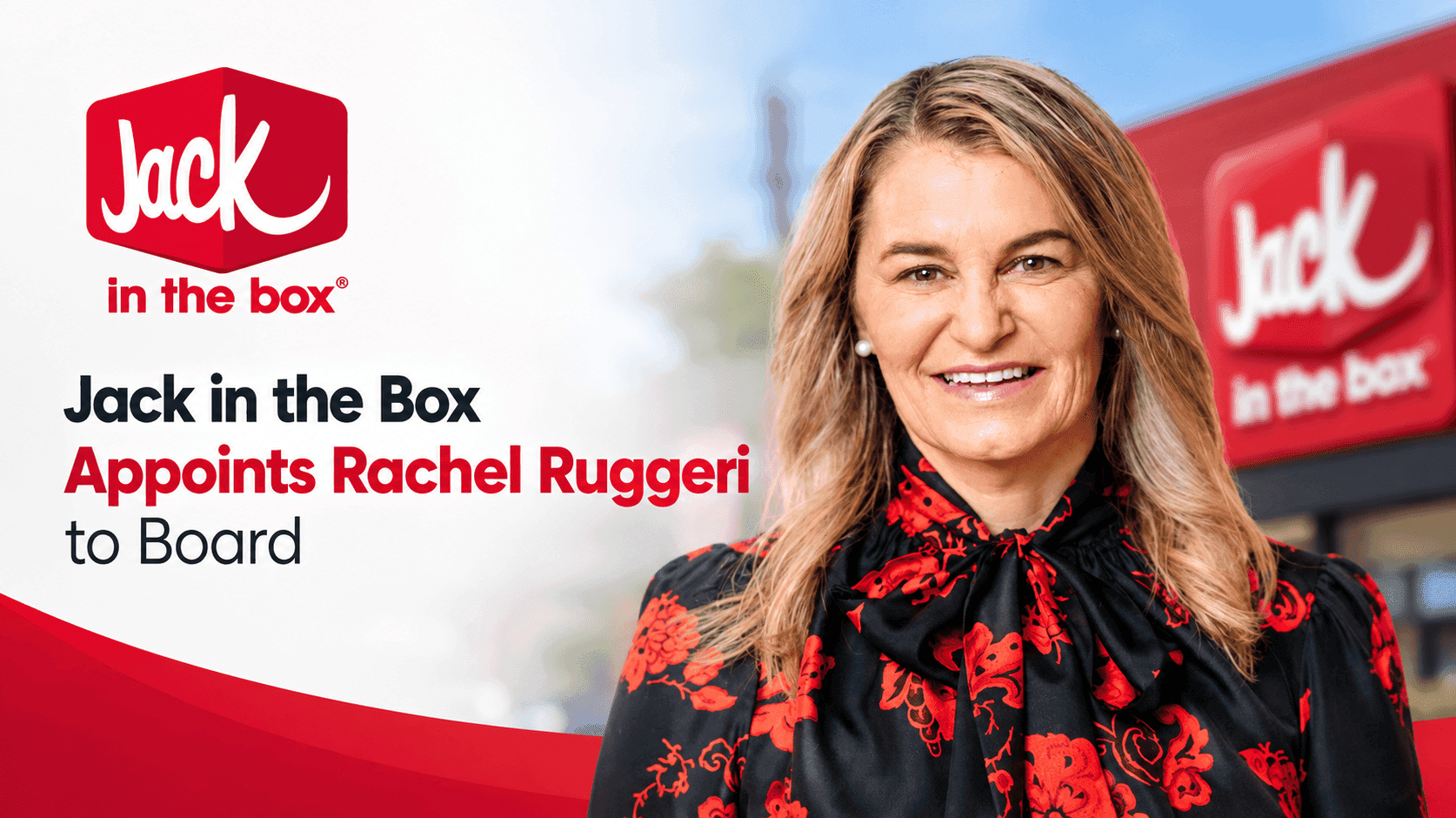
Jack in the Box names Rachel Ruggeri to its board as Michael Murphy retires, amid a CEO transition and deal with investor GreenWood.
Sep 21, 2026

Improve restaurant Google Maps rankings by optimizing your business profile, selecting accurate categories, gathering reviews, adding photos, and strengthening local relevance signals.
Sep 21, 2026

Restaurant inventory tracking helps owners monitor stock, control food costs, reduce waste, improve purchasing, and make informed operational decisions.
Sep 21, 2026

Restaurant owners can significantly reduce restaurant costs by leveraging technology across inventory, labor, procurement, forecasting, and administrative operations for better profit margins.
Sep 18, 2026

Understand how to forecast restaurant revenue and expenses with methods for sales projection, cost scaling, fixed-cost planning, and risk buffering.
Sep 18, 2026

Unlock Exclusive Access To Webinars, Events, And The Latest News For Free!
Explore the concept of poison pills in corporate governance and their role in deterring activist investors. Learn how companies like Jack in the Box utilize poison pills as part of their strategic turnaround plans.
Poison pills, formally known as shareholder rights plans, are defensive strategies implemented by companies to ward off hostile takeovers or activism by diluting the value of shares. By triggering specific conditions, such as an investor acquiring a certain percentage of shares, poison pills can make the target company less attractive or more expensive to potential acquirers.
Jack in the Box, a prominent fast-food chain, recently introduced a Rights Plan triggered at a 12.5% ownership threshold to safeguard its operations from activist investors. This plan aims to provide the company with the necessary time to execute its strategic vision, particularly the Jack on Track plan focused on enhancing financial performance and transitioning to an asset-light model.
While poison pills can deter activist interventions, they may also affect shareholder value due to share dilution. Companies need to strike a balance between protecting their interests and maintaining shareholder confidence. The implementation of poison pills can impact the stock price and potentially influence market perception, requiring careful consideration by boards and executives.
In response to performance challenges, Jack in the Box has undertaken significant leadership changes, appointing new executives like Dawn Hooper as CFO and Lance Tucker as CEO. This restructuring, coupled with the closure of underperforming locations, reflects the company's commitment to revitalizing its operations and enhancing shareholder value amidst industry challenges.

As part of its turnaround strategy, Jack in the Box is exploring strategic alternatives for brands like Del Taco, including potential sales. Additionally, the company is embracing digital channels by deploying self-service kiosks and expanding its online presence to capture shifting consumer preferences and enhance operational efficiency.
Biglari's activist investment approach, targeting companies like El Pollo Loco and Cracker Barrel, underscores the ongoing battle between activists and corporations. The utilization of poison pills by companies to thwart such campaigns highlights the evolving strategies in corporate governance and investor relations, shaping the dynamics of shareholder activism.