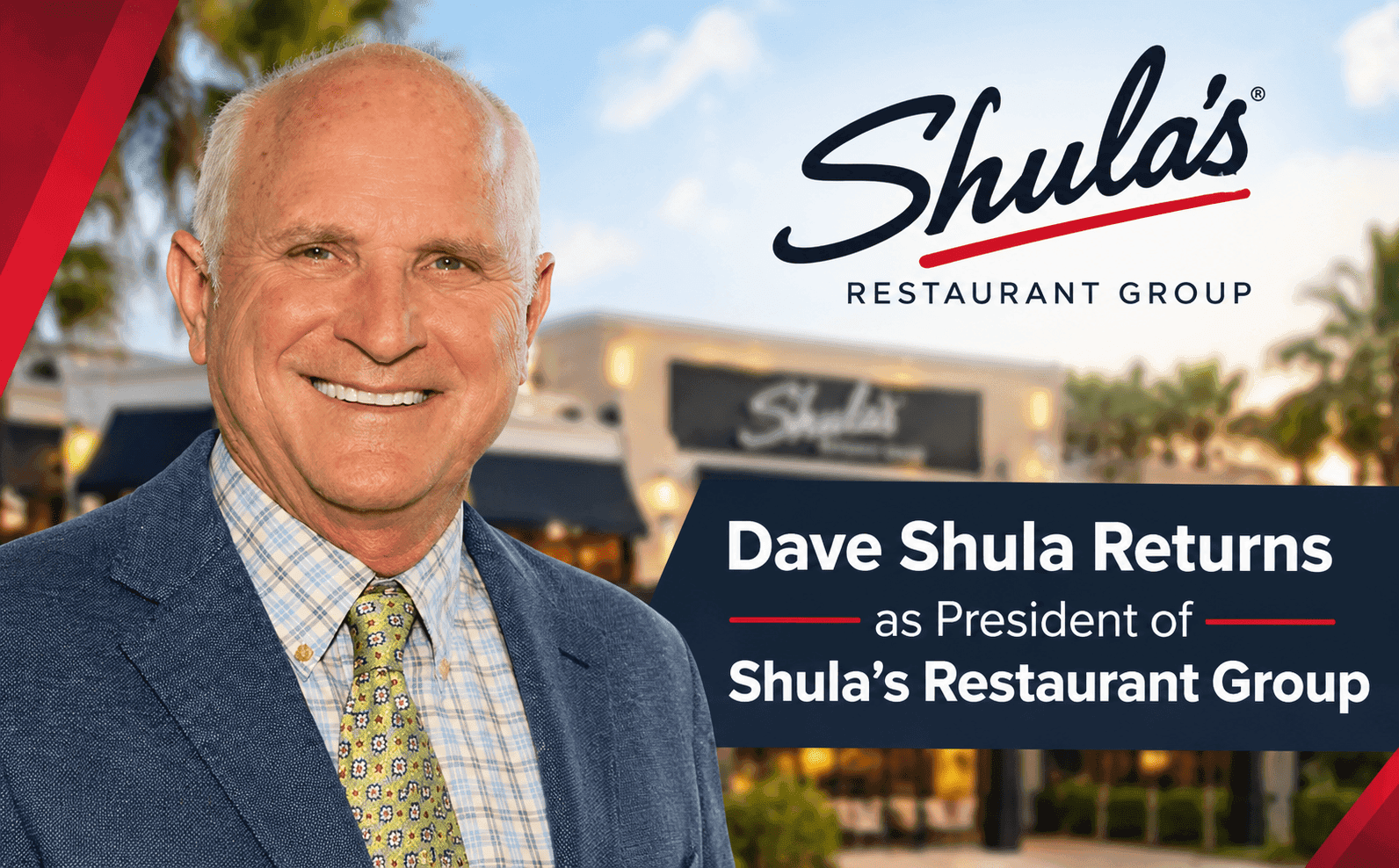
Dave Shula Returns as President of Shula's Restaurant Group
Dave Shula rejoins Shula's Restaurant Group as president, leading growth into Palm Beach Gardens and a 2027 Thomasville, Georgia expansion.
News
Sep 23, 2026
Dave Shula rejoins Shula's Restaurant Group as president, leading growth into Palm Beach Gardens and a 2027 Thomasville, Georgia expansion.
Sep 23, 2026
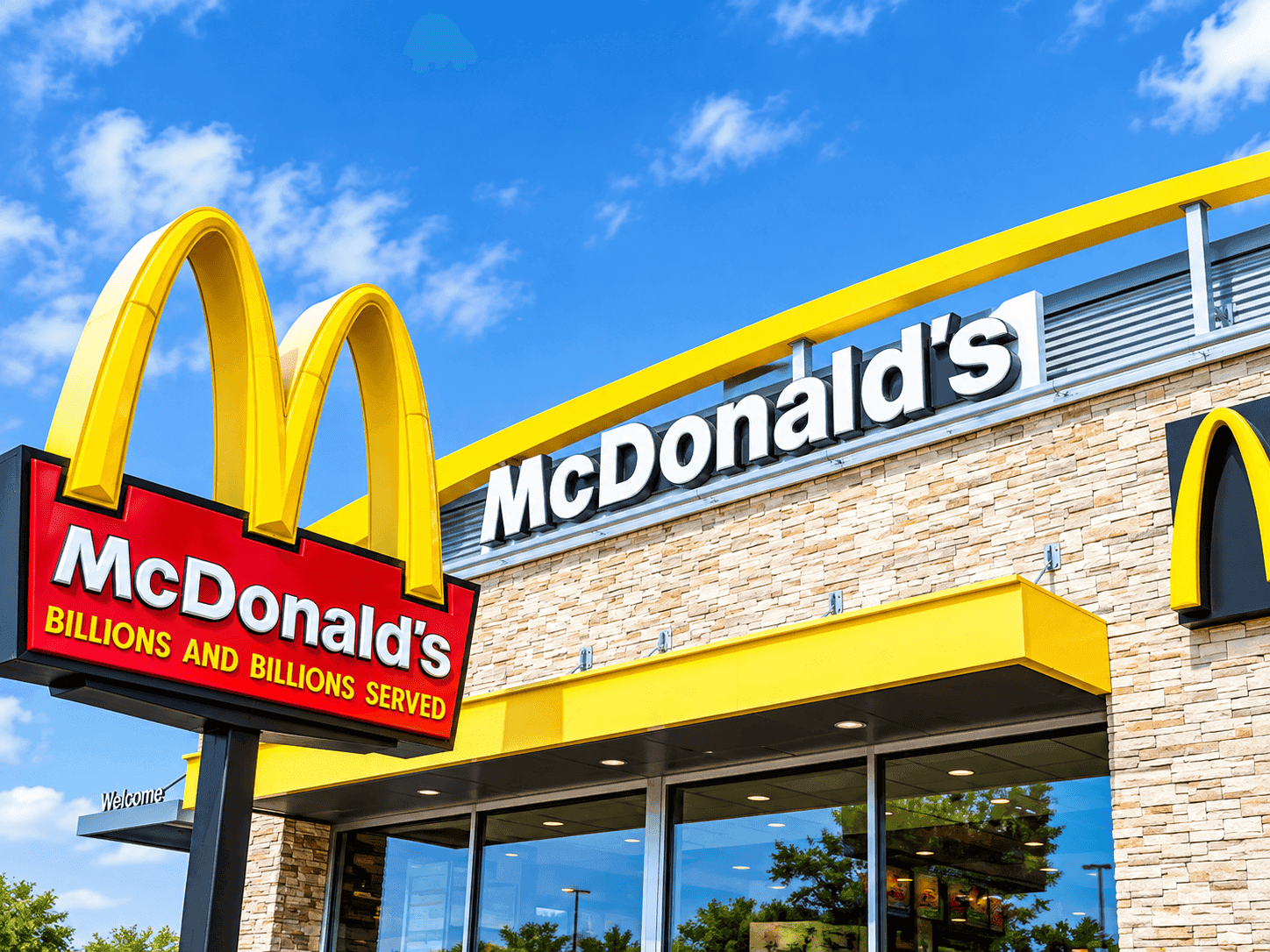
McDonald's commits $8.5 billion through 2036 to modernize restaurants, boost cash flow by $100,000 per store, and grow chicken and beverage sales.
Sep 23, 2026
WKS Restaurant Group promotes Jay Spongberg to president and COO after he helped grow the company from 65 to 382 restaurants over 16 years.
Sep 23, 2026

Smokey Mo's BBQ names Von Dawson, a Dine Brands veteran, as VP of Franchise Development to lead its Texas expansion strategy.
Sep 23, 2026
.png&w=3840&q=70)
Meritage Hospitality's Chapter 11 filing pulls 5% of Wendy's U.S. stores into bankruptcy, exposing cracks in franchising's bigger-is-safer bet.
Sep 21, 2026

Jack in the Box names Rachel Ruggeri to its board as Michael Murphy retires, amid a CEO transition and deal with investor GreenWood.
Sep 21, 2026
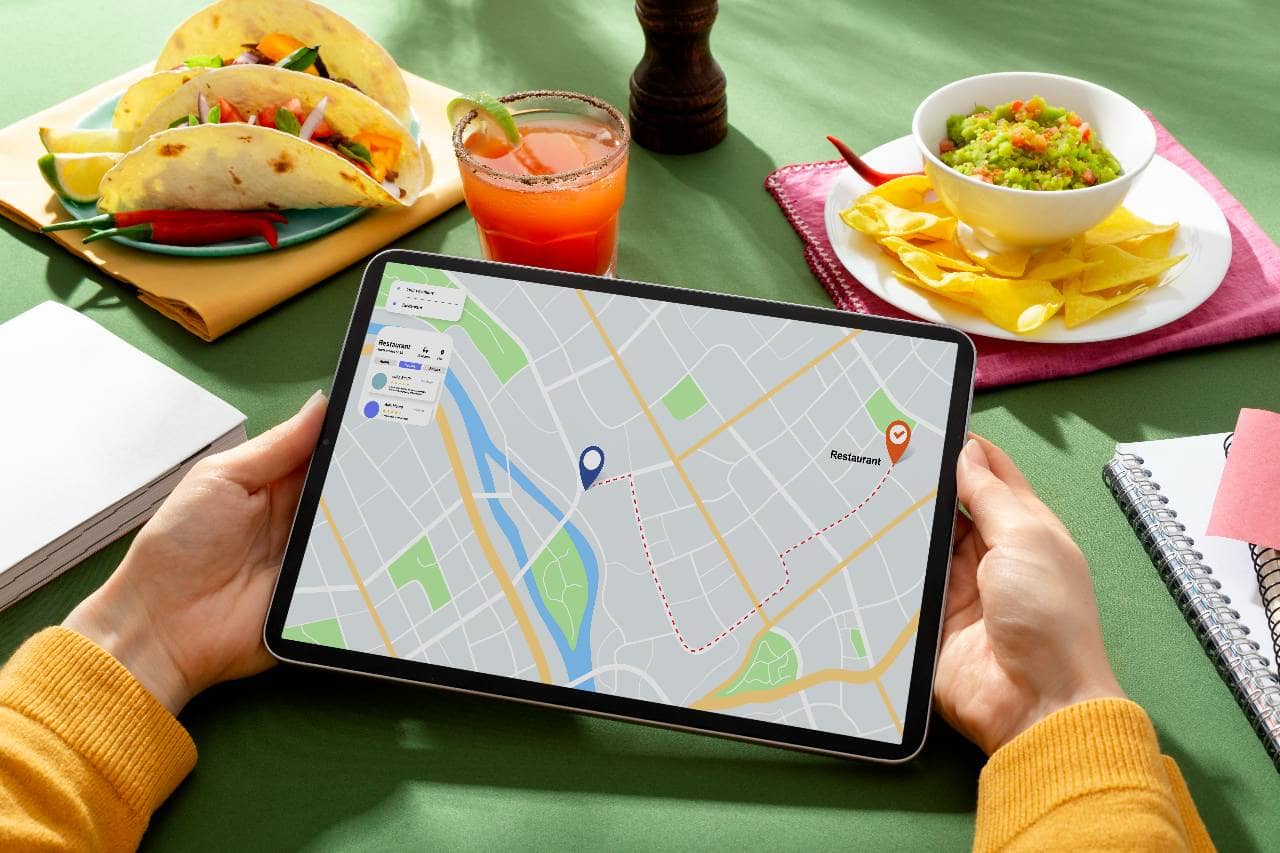
Improve restaurant Google Maps rankings by optimizing your business profile, selecting accurate categories, gathering reviews, adding photos, and strengthening local relevance signals.
Sep 21, 2026

Restaurant inventory tracking helps owners monitor stock, control food costs, reduce waste, improve purchasing, and make informed operational decisions.
Sep 21, 2026

Restaurant owners can significantly reduce restaurant costs by leveraging technology across inventory, labor, procurement, forecasting, and administrative operations for better profit margins.
Sep 18, 2026

Understand how to forecast restaurant revenue and expenses with methods for sales projection, cost scaling, fixed-cost planning, and risk buffering.
Sep 18, 2026

Unlock Exclusive Access To Webinars, Events, And The Latest News For Free!
Explore the repercussions of the court's ruling on President Trump's tariff executive orders and its implications on international trade. Learn about the legal battles, historical context, and expert opinions.

Photo by Samantha Sophia
The recent injunction by the United States Court of International Trade against several of President Trump's tariff executive orders has stirred significant legal and economic discussions. The court blocked four executive orders that utilized emergency powers to impose tariffs on countries like Canada, China, and Mexico, alongside a 10% global tariff and reciprocal tariffs. The decision called for an immediate halt to any activities associated with these orders and mandated the issuance of administrative notices within a specific timeframe.
The legal battle surrounding the imposition of tariffs under the International Emergency Economic Powers Act saw small businesses and U.S. states raise concerns about the overreach of presidential powers. Through separate petitions, they contested that the tariffs exceeded the authority granted by the IEEPA. Ultimately, the court ruled in favor of the petitioners, stating that the presidential orders went beyond the permitted scope of tariff regulations.

Photo by Samantha Sophia
The court's decision not only impacts the specific tariffs on trading partners but also questions broader tariff-related actions by the White House. Trump's elimination of the de minimis exemption for imports from China and Hong Kong, based on the IEEPA, now faces uncertainty due to the injunction. Additionally, while tariffs on select products like automobiles and steel remain unaffected, the halt raises doubts about the administration’s tariff strategy moving forward.
While previous presidents, like Richard Nixon, have utilized emergency powers to impose tariffs, President Trump's use of such authority has been notably extensive and encompassed various national crises. The transformation of laws from Nixon's era to the current IEEPA framework has created unexplored legal territories, particularly regarding the scope and limits of tariff imposition under emergency powers.
The judicial scrutiny on Trump's tariff executive orders has prompted experts to evaluate the constitutional and legal frameworks surrounding tariff regulation. Analysts, like Christopher A. Casey from the Congressional Research Service, emphasize the need for clarity on the extent to which tariffs can be imposed under the IEEPA. The future trajectory of tariff policies and emergency power usage in trade remains uncertain following the court’s intervention.

Photo by Samantha Sophia
Unsurprisingly, the court's decision to block Trump's tariff orders has sparked reactions from within the administration. Statements from officials like White House Deputy Chief of Staff Stephen Miller and spokesperson Kush Desai have criticized the judicial intervention, raising concerns about the role of unelected judges in determining national emergency responses.