True Food Kitchen Files Bankruptcy, Closes 12 Sites
True Food Kitchen filed for Chapter 11 bankruptcy, closing 12 locations and shrinking to 34 restaurants across 14 states amid $42.1 million in debt.
News
Oct 5, 2026
True Food Kitchen filed for Chapter 11 bankruptcy, closing 12 locations and shrinking to 34 restaurants across 14 states amid $42.1 million in debt.
Oct 5, 2026

Snooze Eatery names industry veteran Amy Hom as COO, starting Sept. 28, to strengthen hospitality and operations ahead of its next growth phase.
Oct 5, 2026
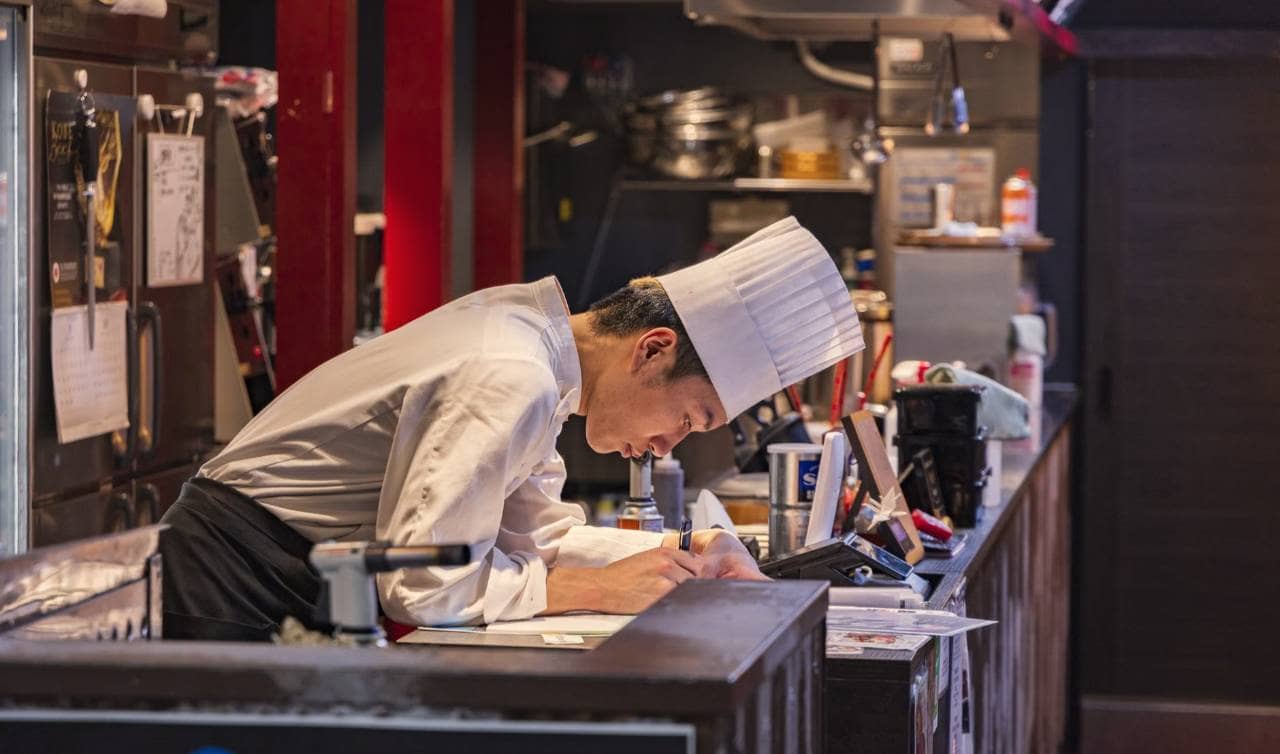
Restaurants can control operating costs by tracking food, labor, rent, utilities, technology, marketing, and other expenses against sales.
Oct 5, 2026

Opening a second restaurant location requires readiness, clear goals, financial planning, funding, smart strategy, standardized operations, strong teams, and careful launch monitoring for sustainable growth.
Sep 30, 2026

Evaluate restaurant industry performance in Q3 2026 through key trends affecting restaurant sales, traffic, consumer spending, labor, costs, and technology.
Oct 2, 2026
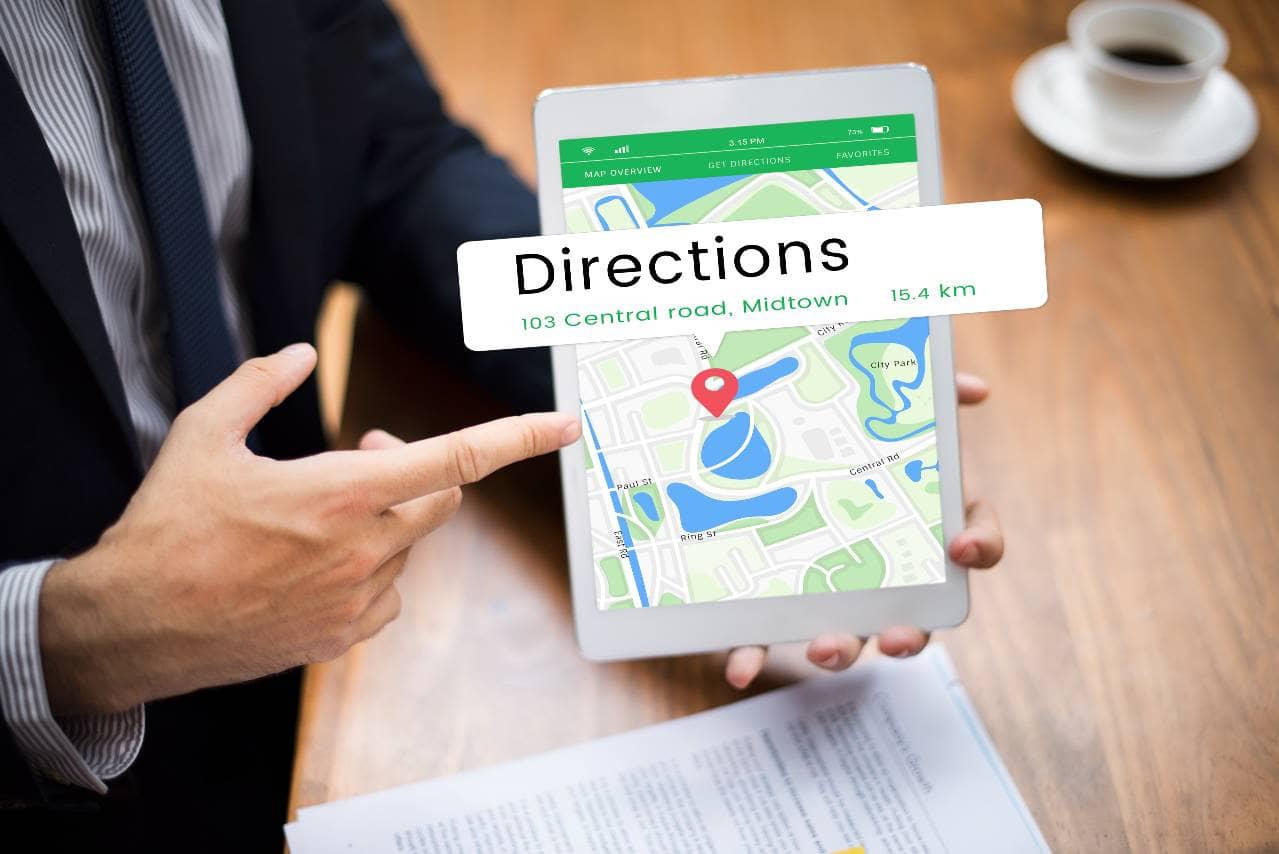
Improve restaurant visibility with local SEO by optimizing Google Business Profile, targeting local keywords, managing reviews, and maintaining accurate online information.
Oct 5, 2026
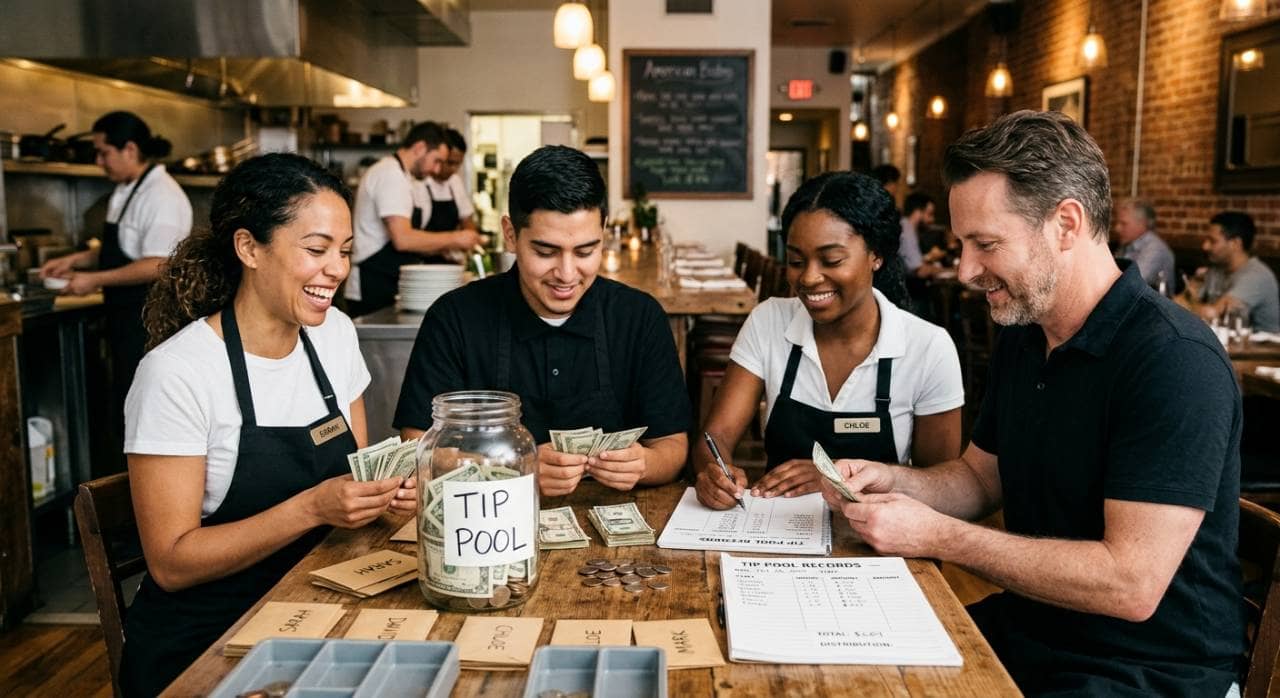
Understand tip pooling rules, employee eligibility, distribution methods, compliance requirements, recordkeeping practices, and policies restaurant owners need for proper tip management.
Oct 2, 2026

Whit's Frozen Custard hires industry veteran Amos Durbin as COO to guide franchise expansion, drawing on two decades of restaurant leadership experience.
Oct 2, 2026
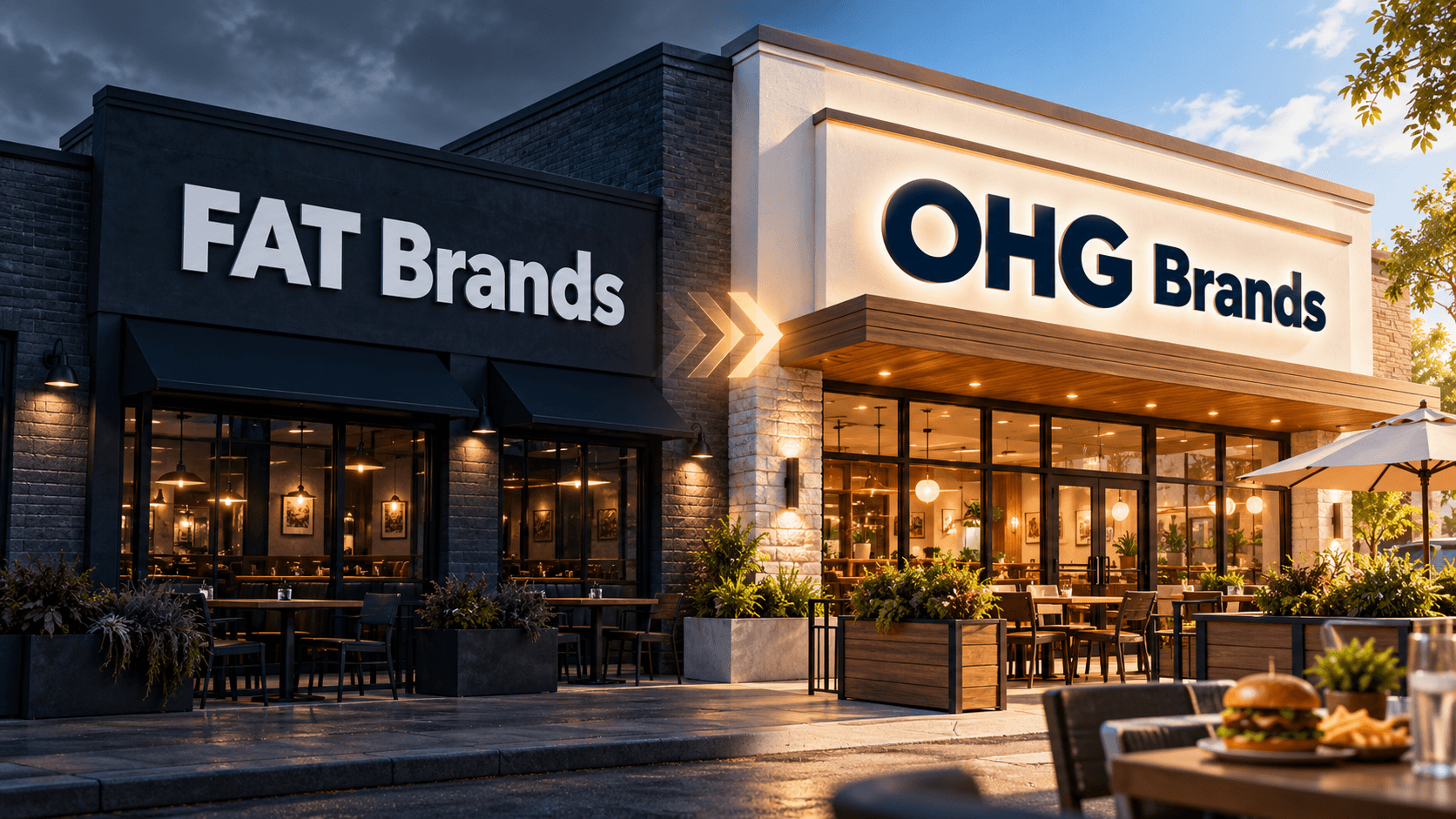
FAT Brands' $1B acquisition empire fell into bankruptcy and sold for $965M, re-emerging as OHG Brands with 1,700 restaurants.
Oct 1, 2026
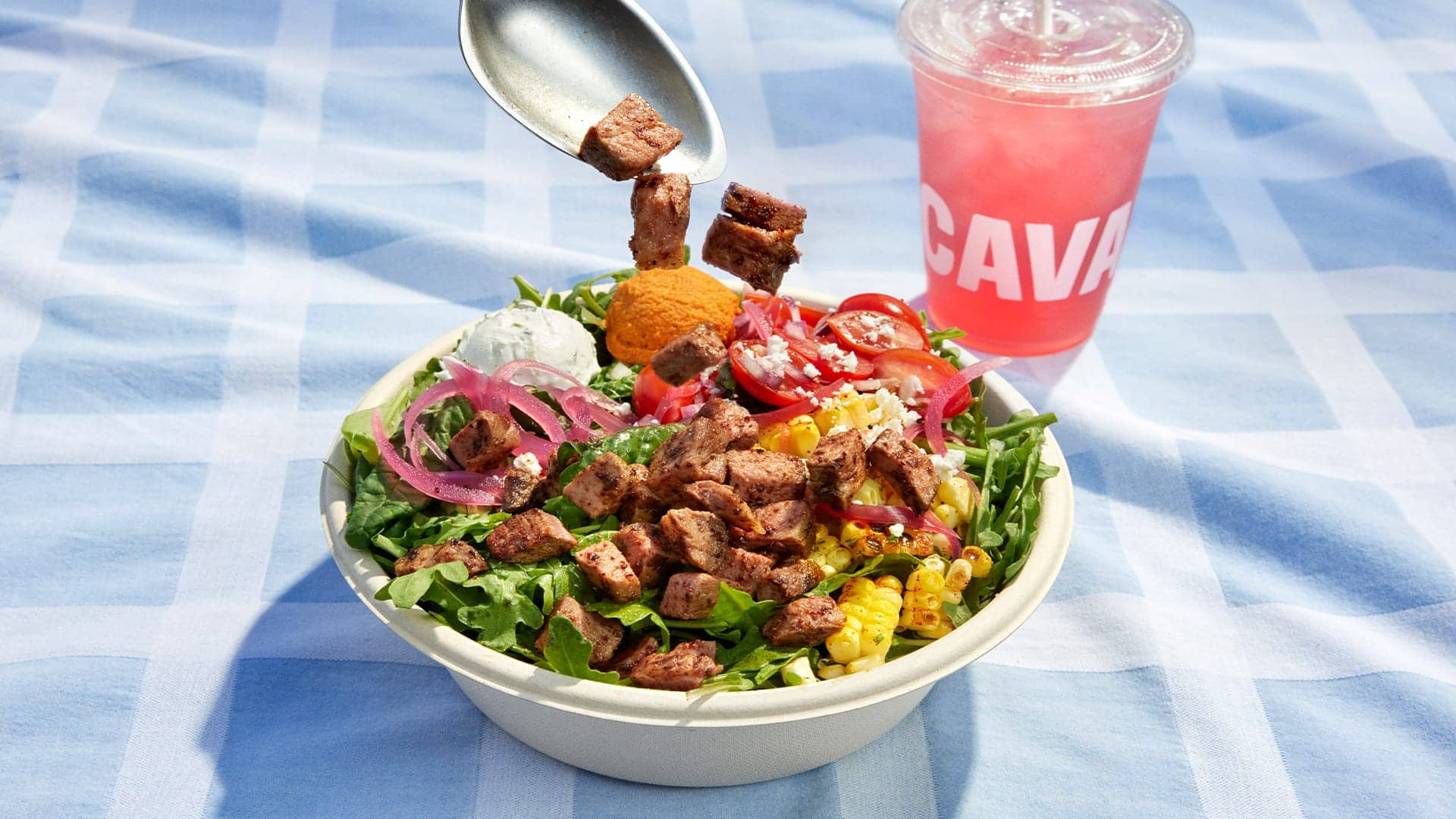
CAVA names John Ludeke, former Dr. Squatch Chief Brand Officer, as its new CMO to drive national growth and guest loyalty.
Oct 1, 2026

Unlock Exclusive Access To Webinars, Events, And The Latest News For Free!
Explore the impact of the Panera case and DOL regulations on franchisee child labor violations. Learn about the key aspects of the case and its implications.

Photo by Wim van 't Einde
The Panera case has stirred significant attention due to its short yet impactful nature. The complaint against Panera, spanning only three pages, raises concerns about alleged violations without providing detailed assessments of damages. Despite the brevity of the document, the case carries weight due to Panera's wide-reaching franchise network. The lawsuit focuses on the Covelli firm, a major operator running 29 Panera locations in Florida's Orlando and Tampa areas, which collectively contribute to Panera's 2,200 unit chain.
The Department of Labor (DOL) regulations regarding child labor play a crucial role in cases like Panera's. The statute cited by the DOL outlines strict restrictions on the employment of minors aged 14 and 15. These regulations limit work hours for minors to prevent exploitation, with a cap of 40 hours in non-school weeks, 18 hours in school weeks, 8 hours on non-school days, and 3 hours on school days. Additionally, the DOL mandates that work hours for minors be between 7 a.m. and 7 p.m. extended to 9 p.m. during the summer.
The Panera case also sheds light on the political undercurrents affecting regulatory scrutiny on franchisee child labor violations. Under the Trump administration, the Department of Labor, led by Secretary Lori Chavez-DeRemer, continues to focus on addressing these issues, indicating a carryover from the policies set by the previous administration. Moreover, data shows a significant increase in child labor citations from $3.6 million in fiscal year 2020 to $15.2 million in fiscal 2024 under the Biden administration, signifying a heightened regulatory stance on these violations.

Photo by Wim van 't Einde