
Lucy Brady Appointed President of Jamba at GoTo Foods
Lucy Brady joins Jamba as president to lead digital-first growth strategy. GoTo Foods restructures leadership to strengthen franchise platform capabilities.
News
Sep 14, 2026
Lucy Brady joins Jamba as president to lead digital-first growth strategy. GoTo Foods restructures leadership to strengthen franchise platform capabilities.
Sep 14, 2026

Contactless payment offers restaurants faster transactions, better security, and improved customer experience, making it a valuable, worthwhile technology investment today.
Sep 11, 2026

Pei Wei Asian Kitchen named Best Fast-Casual Chain in Reviewed 2026 Awards, reflecting shift from price competition to quality and transparency.
Sep 11, 2026

O'Charley's shuttered all corporate restaurants nationwide on September 9, 2026, ending its 55-year legacy as a casual-dining regional powerhouse.
Sep 11, 2026
Authentic Restaurant Brands lands $325M investment from Trimontium to fuel disciplined regional expansion across five established restaurant concepts.
Sep 11, 2026

Walmart expands restaurant delivery beyond Subway and Dunkin', taking on DoorDash, Uber Eats, and Grubhub with Papa Johns nationwide rollout.
Sep 11, 2026

Complete NFL season restaurant checklist covering licensing, AV setup, menu prep, inventory, staffing, and marketing before kickoff arrives.
Sep 11, 2026

California shifts to public enforcement strategy against Dickey's for deceptive franchise disclosures, signaling stricter state-level franchise oversight.
Sep 10, 2026
Paul Brown temporarily steps away from Inspire Brands as Scott Murphy assumes interim CEO role during confidential IPO filing process targeting late 2026.
Sep 10, 2026
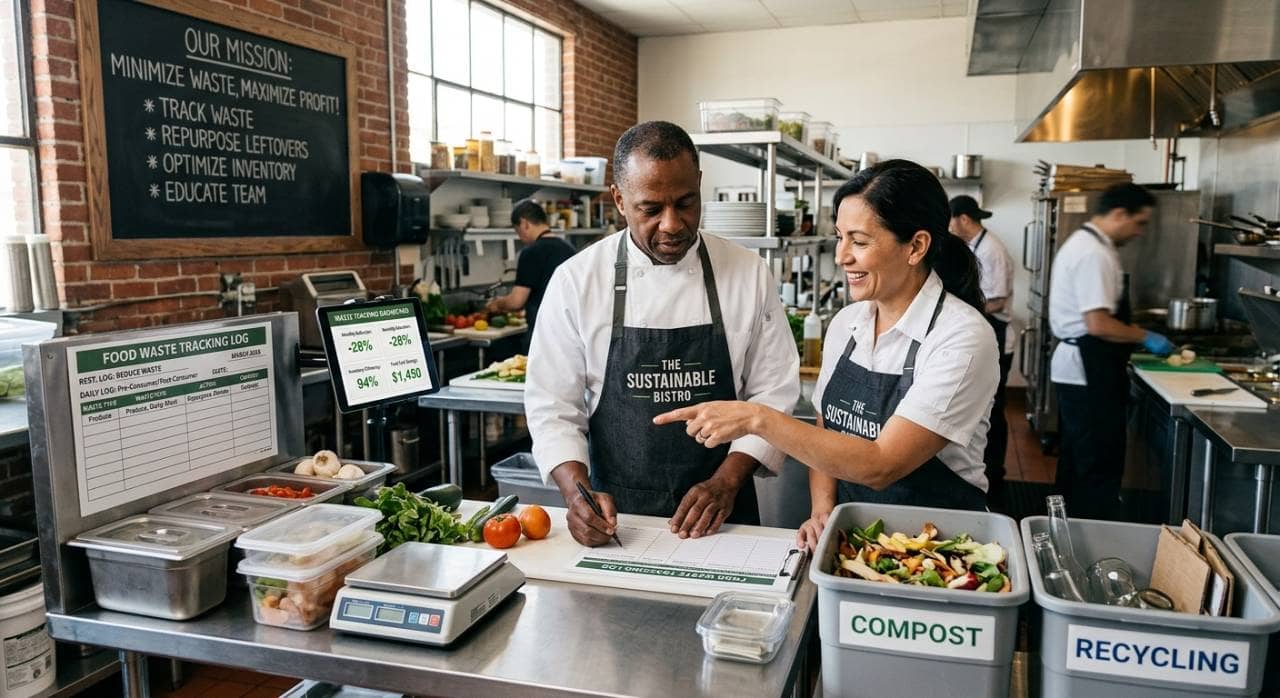
Learn how to reduce food waste in restaurants through smarter purchasing, storage, preparation, and service strategies that cut costs.
Sep 9, 2026

Unlock Exclusive Access To Webinars, Events, And The Latest News For Free!
Restaurant analytics can increase revenue by providing management with data-based reports on guest experience, staff performance, inventory, sales, and profits.

Access to restaurant analytics can help businesses improve their operational efficiency by implementing data-driven plans of action. Restaurant data provided by analytics solutions provide management with actionable insights into customer satisfaction, menu item sales, and demand forecasting. Restaurant technology, including point-of-sale (POS) systems, achieves this by tracking all purchases and generating reports to show how to increase revenue. For example, Fig & Olive used advanced analytics to monitor consumer purchase histories and spending trends to help make effective email marketing campaigns. The email was sent to returning customers, offering a free crostini to those who hadn't visited in the past month, and generated an additional $36,000 in sales. Analytics platforms can also digest qualitative data to enhance the guest experience. Applebee's implemented tabletop tablets to not only streamline ordering and transactions but also collect customer feedback. By the end of 2017, almost 6 million guests provided feedback that suggested various improvements. From this insight, Applebee's relaunched their To-Go option, increasing customer satisfaction by 7% and doubling its annual revenue. Analytics help businesses in the restaurant industry collect customer data to optimize their day-to-day functions and increase profits.

Restaurant analytics is the collection and monitoring of quantitative and qualitative data from all operations to help owners make informed business decisions. Restaurant owners can have access to this information by implementing data solutions such as POS systems that integrate with other software, including inventory control and demand forecasting tools. Everyday procedures are tracked to generate detailed reports on customer insight, transactions, and profit margins. More specifically, integrated software accumulates information from-

By using data from these analytics solutions, restaurants can optimize their overall efficiency and profits by- 1. Increasing Order Sizes Restaurant analytics through POS systems track the sales and profits of individual items, allowing management to create suggestions for each meal to drive revenue. For example, menus and servers can recommend popular high-profit beverages that complement each meal to guests to increase their order size. 2. Promoting Profits Through Menu and Customer Analytics In addition to general sales trends, restaurants can run analytics on loyalty programs and returning customers to retrieve data on purchase histories. This allows management to determine what dishes are frequently reordered, seasonally popular, and underselling. With this information, restaurants can update their menus to consolidate dishes and promote the sales of profitable items. 3. Anticipating Emerging Trends After analytics solutions have collected adequate data, businesses can see how different times throughout the day, days of the week, and holidays affect sales traffic. Management can use this information to determine the optimal number of employees to schedule for busy days to prevent understaffing. The marketing team can also design promotions to run during these high-traffic times to increase exposure. 4. Monitoring Staff POS systems keep records of transactions, tips, and order sizes generated by servers under individual employee dashboards. This way, managers can see top performers to decide promotions and terminations accurately.

5. Enhancing Financial Processes Through POS software, businesses can have a centralized database that gives users access to sales analytics. Owners can determine how to adjust product prices to increase profits and revenue. They can also track the success of different deals, discounts, and exclusive offers. The high-performing promotions can then be expanded to reach larger audiences and attract new customers. On the other hand, if analytics show a deal is costing the business more than it is accruing, it can be removed or altered. Restaurants can further optimize profitability by integrating inventory management and POS solutions to see real-time stock quantities. This information can prevent overstocking of ingredients, reducing inventory costs. 6. Reducing Food Waste In the restaurant industry, food is the primary source of revenue but can be a detriment to the bottom line if perishable ingredients are overstocked. Analytics determine the optimal stock levels for each ingredient based on orders and average usage. Further insights provide data to develop schedules that help kitchen staff organize food preparation and reduce waste. In addition to saving on expenses, reducing food waste promotes business sustainability. It also shows consumers the restaurant is ethically and morally sound by making efforts to limit waste. Implementing solutions that provide restaurant analytics can drive sales and profits by generating comprehensive insights into customer experience, high-profit items, and expenses. Management can utilize this data to design effective menus, create marketing promotions, and make informed decisions to promote revenue.