Pei Wei Wins Best Fast-Casual Chain Award
Pei Wei Asian Kitchen named Best Fast-Casual Chain in Reviewed 2026 Awards, reflecting shift from price competition to quality and transparency.
News
Sep 11, 2026
Pei Wei Asian Kitchen named Best Fast-Casual Chain in Reviewed 2026 Awards, reflecting shift from price competition to quality and transparency.
Sep 11, 2026

O'Charley's shuttered all corporate restaurants nationwide on September 9, 2026, ending its 55-year legacy as a casual-dining regional powerhouse.
Sep 11, 2026
Authentic Restaurant Brands lands $325M investment from Trimontium to fuel disciplined regional expansion across five established restaurant concepts.
Sep 11, 2026

Walmart expands restaurant delivery beyond Subway and Dunkin', taking on DoorDash, Uber Eats, and Grubhub with Papa Johns nationwide rollout.
Sep 11, 2026

Complete NFL season restaurant checklist covering licensing, AV setup, menu prep, inventory, staffing, and marketing before kickoff arrives.
Sep 11, 2026

California shifts to public enforcement strategy against Dickey's for deceptive franchise disclosures, signaling stricter state-level franchise oversight.
Sep 10, 2026
Paul Brown temporarily steps away from Inspire Brands as Scott Murphy assumes interim CEO role during confidential IPO filing process targeting late 2026.
Sep 10, 2026
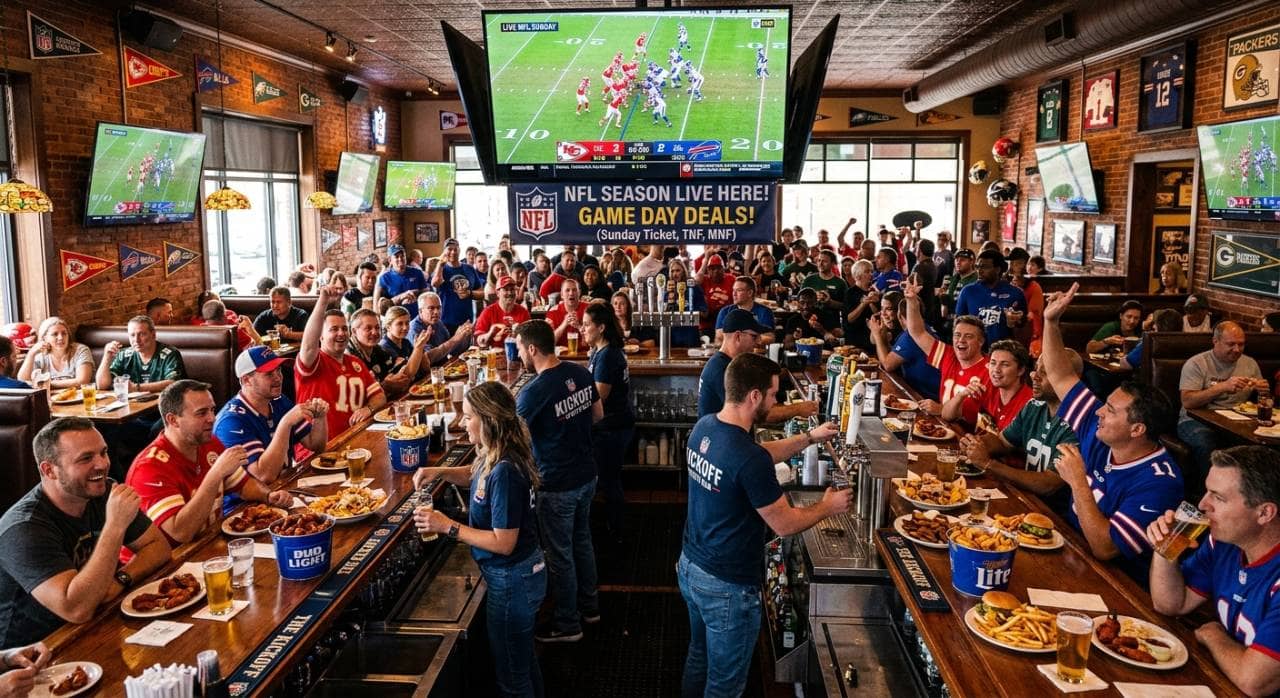
Prepare your restaurant for NFL season with smart menu planning, staffing, marketing, technology, and atmosphere strategies that boost season-long revenue.
Sep 9, 2026
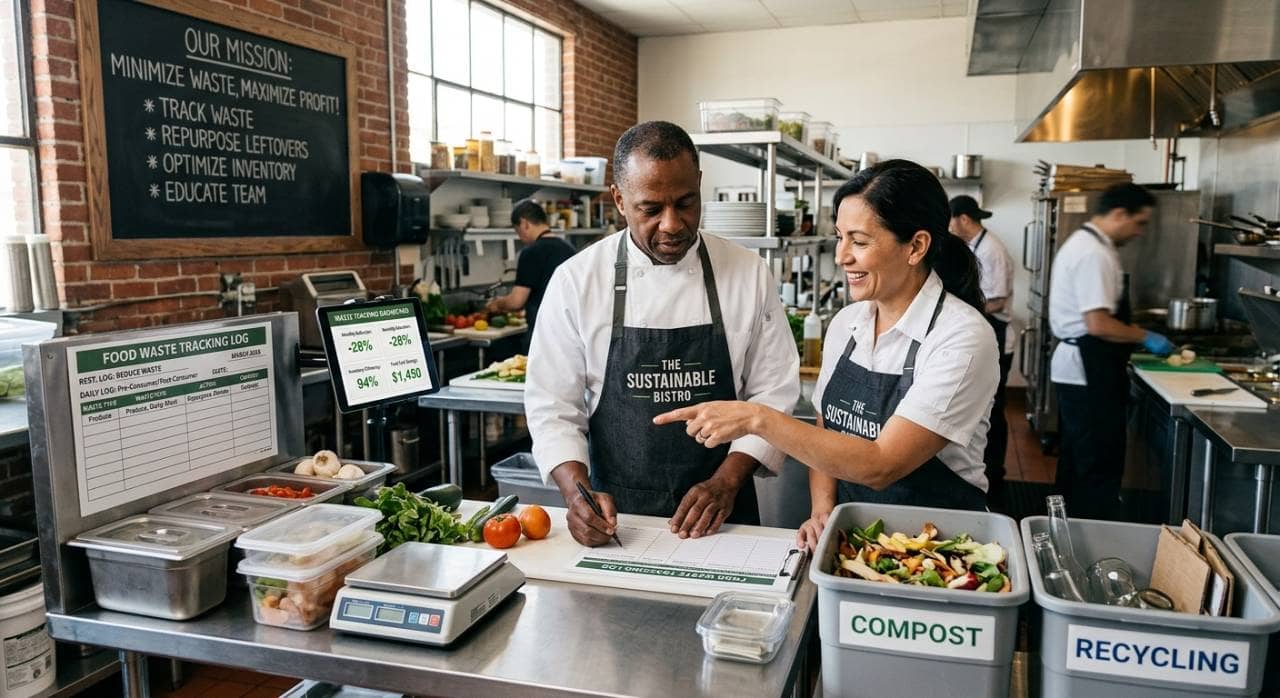
Learn how to reduce food waste in restaurants through smarter purchasing, storage, preparation, and service strategies that cut costs.
Sep 9, 2026
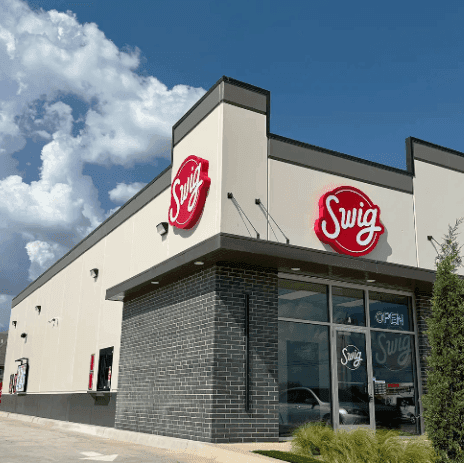
Swig signs franchise agreement for 11 South Denver locations, marking Colorado entry and validating its national expansion strategy.
Sep 8, 2026

Unlock Exclusive Access To Webinars, Events, And The Latest News For Free!
As the restaurant industry continues to face challenges, many are looking at subscription models as a way forward. Let's look at how restaurants are using this model to increase revenue.
The COVID-19 pandemic has irrevocably changed way people shop. Customers prefer the ease of digital purchasing than walking into their favorite restaurant or cafe, creating a boom for third-party food delivery platforms and restaurants with strong direct ordering systems supported by careful customer relationship management. The question, though, no longer is whether restaurants need to develop their own digital ordering systems to compete with third-party delivery providers. That, today, is crucial for their survival. According to the National Restaurant Association, six in 10 customers said that they would rather order directly from a restaurant. But simply upping ordering tech will not be enough. Today, a restaurant's ability to attract and retain customers goes beyond its capacity to satiate their tastebuds and provide convenience through ordering solutions. Certainly, nothing replaces unique menus and impeccable service in the F&B industry, but retaining customers through measures like subscription models is, now, slowing becoming the name of the game. And the winners will be restaurants that are able to leverage the models that Netflix and Amazon have popularized to maximize customer lifetime value. This needs not only the right technology but also the right strategy!
Subscription models, in the F&B industry, can be understood as a higher gear of loyalty programs that enable food brands to ensure repeated revenue from high-value customers. A restaurant subscription model would typically combine recurring revenue, brand engagement as well as myriad loyalty initiatives. Recent data from the consumer experience platform Paytronix and the payments analysis website PYMNTS revealed that subscription models tend to attract high-value customers who are tech-savvy and seeking to make the most of a brand's multichannel guest experience. Moreover, subscription programs open up additional revenue streams which can then be directed into new offerings for restaurants along with enabling them to establish a strong digital presence. It is a known fact that customers tend to be more invested in a brand when they've paid for services or products, leading to higher usage rates.
The most fundamental difference between a traditional loyalty program and a subscription model is that with the latter, the customer pays. The long-standing practice of loyalty programs dictates that a certain kind of purchase by a consumer would afford them a freebie or a sizeable discount. These, it must be noted, are casual relationships between your brand and the consumer. Subscription models take that relationship a step further by ensuring that your customers return to you for they have already paid for your offerings. This enables you to establish an exclusive relationship with your clientele, while ensuring that they return to you. As the CEO of Zuora, Tien Tzuo, recently stated in Retail Touchpoints- Customers should be paying retailers to join loyalty programs, not the other way around. If you think that sounds nuts, just look at Amazon and Costco.
As a fully operational restaurant, you probably already have a regular, if not resolutely faithful, clientele. The idea is to nudge this relationship to the next step of formal subscriptions. Below are some pointers that you could consider when initiating a subscription program for your restaurant.
Divide your basic cost structure into two parts a fixed monthly cost and a variable (usage-based) cost. Your restaurant's recurring revenue will function as a platform for your usage-based revenue. For example, if you run a coffee shop, then your subscription model will draw in customers for a steaming hot cuppa and they could then go on to stay (read spend) for other delicious treats that you offer!
It is crucial that you fix a certain percentage of your income towards recurring revenue in a year. Even if it's a small percentage, you will soon realize how that perennial stream of revenue supports all kinds of other ideas and plans. This could mean, merchandize, flexible opening hours, IM ordering solutions, etc.
The term has been so badly abused in the F&B industry that its usage amounts to nothing. But there is little as important as constant innovation. Once you have laid out a subscription model that you think will work for your restaurant, don't hesitate to test it out in a few locations before you go national. If you are a new or small F&B business, experiment with a trial run for a short period of time or pit a couple of subscription models against one another with a certain section of your clientele to see how they perform.
When trying to devise a subscription model, the most dependable item on your menu should be the one you consider. Coffee, for instance, ensures steady income. The time to develop tools that will help restaurants compete with third-party delivery companies and global restaurant chains is now. And subscription models seem to be a powerful weapon! When done right, subscription models will not only pave the way for restaurants to get a customer's attention but to retain it. Once you've hooked customers with your offerings, there's no way they won't order directly from you. Creating a strong digital strategy and subscription model, which makes ordering seamless, is critical to a restaurant's success today. Go on, use this new tool, to create a distinctive and individualistic brand identity that will ensure that your revenue stream does not stymie in the face of challenges!