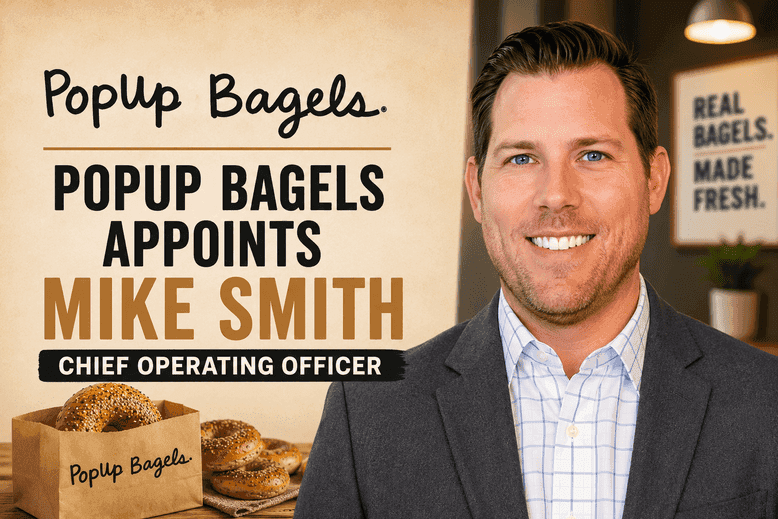
PopUp Bagels Names Mike Smith COO
PopUp Bagels welcomes industry veteran Mike Smith as Chief Operating Officer to lead their next phase of growth, putting quality and guest experience at the forefront.
news
Jul 28, 2026
PopUp Bagels welcomes industry veteran Mike Smith as Chief Operating Officer to lead their next phase of growth, putting quality and guest experience at the forefront.
Jul 28, 2026
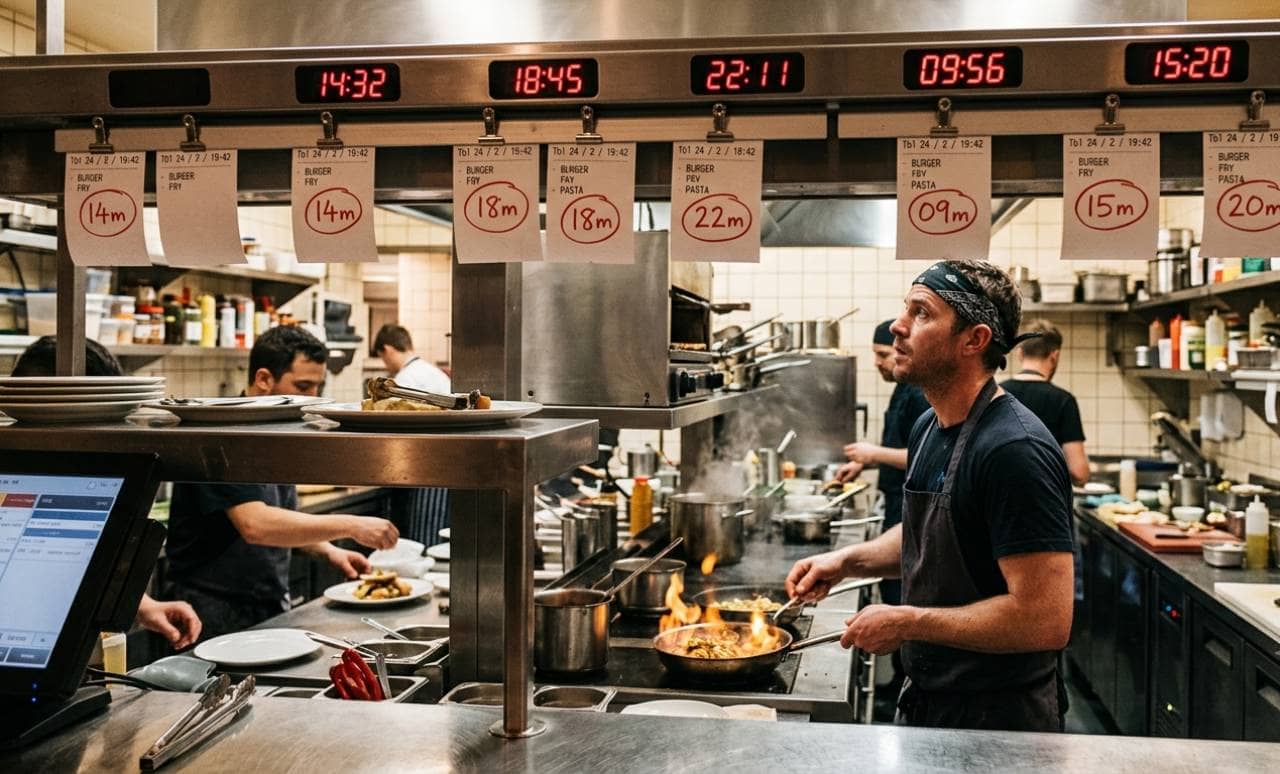
Improve kitchen ticket times with practical strategies for better preparation, smoother workflows, stronger communication, smarter staffing, and effective restaurant technology.
Jul 27, 2026
TGI Fridays emerges from Chapter 11 bankruptcy under new ownership, focused on growth and stability. Discover what's next for the iconic chain and its global operations.
Jul 28, 2026
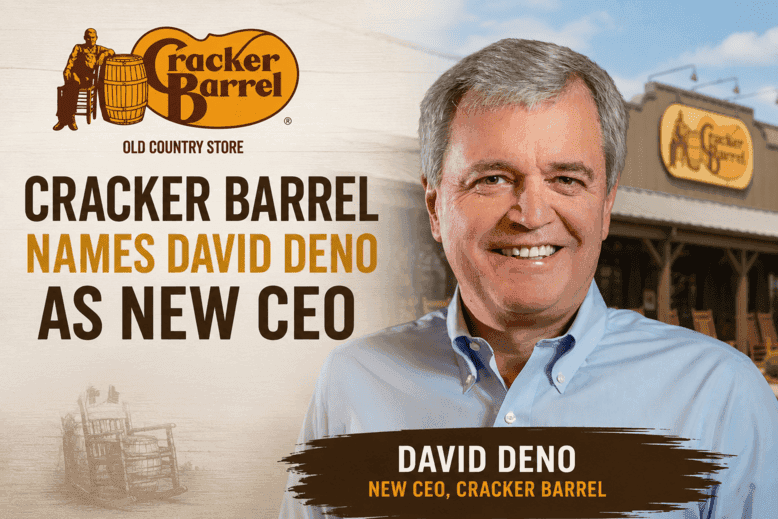
Veteran restaurant executive David Deno assumes the helm at Cracker Barrel, signaling a pivotal moment for the brand’s revitalization. Learn what this means for operators, staff, and industry leaders.
Jul 27, 2026
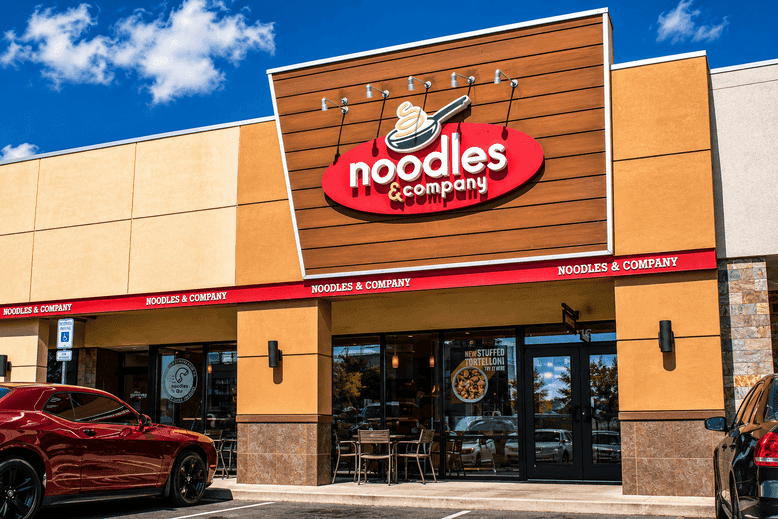
Noodles & Company achieves historic sales growth and operational turnaround in 2026, sharing critical lessons for restaurant owners on boosting traffic, innovation, and team culture.
Jul 27, 2026

Learn how restaurant owners can manage payroll accurately, track labor costs, reduce errors, maintain compliance, and improve workforce profitability efficiently.
Jul 27, 2026
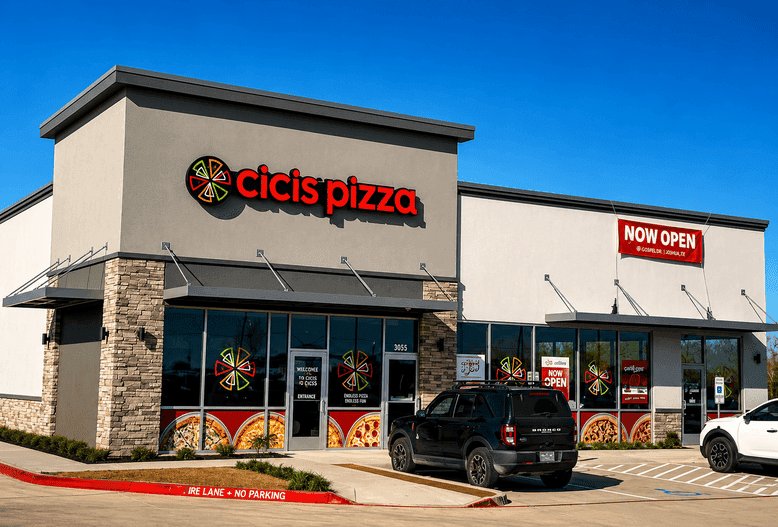
Cicis Pizza’s systemwide sales have surged over 50%, fueled by digital innovation, modern operations, and a revamped franchise strategy. Learn what restaurant owners can take away from Cicis’ transformation.
Jul 24, 2026
Stay compliant with key restaurant labor regulations in Summer 2026, including minimum wage increases, scheduling laws, and retirement requirements.
Jul 24, 2026

Fogo de Chão has announced Daniel Duran as its new CFO, marking a strategic leadership transition designed to enhance global growth and financial innovation for the renowned restaurant brand.
Jul 24, 2026

Learn how to calculate, benchmark, track, and improve restaurant payroll percentage while balancing staffing costs, sales, service, and profitability effectively.
Jul 24, 2026
Discover how Starbucks is prioritizing paying customers and enhancing the cafe experience through its new Coffeehouse Code of Conduct. Learn about the implementation, training for employees, and the impact on customer interactions.

.jpg&w=3840&q=70)
Starbucks has recently announced the introduction of a Coffeehouse Code of Conduct across all its stores, emphasizing the prioritization of paying customers over individuals solely utilizing facilities like restrooms or Wi-Fi. This move aims to create a more welcoming environment for those patrons who visit Starbucks to enjoy the cafe experience or require amenities like restrooms during their stay.
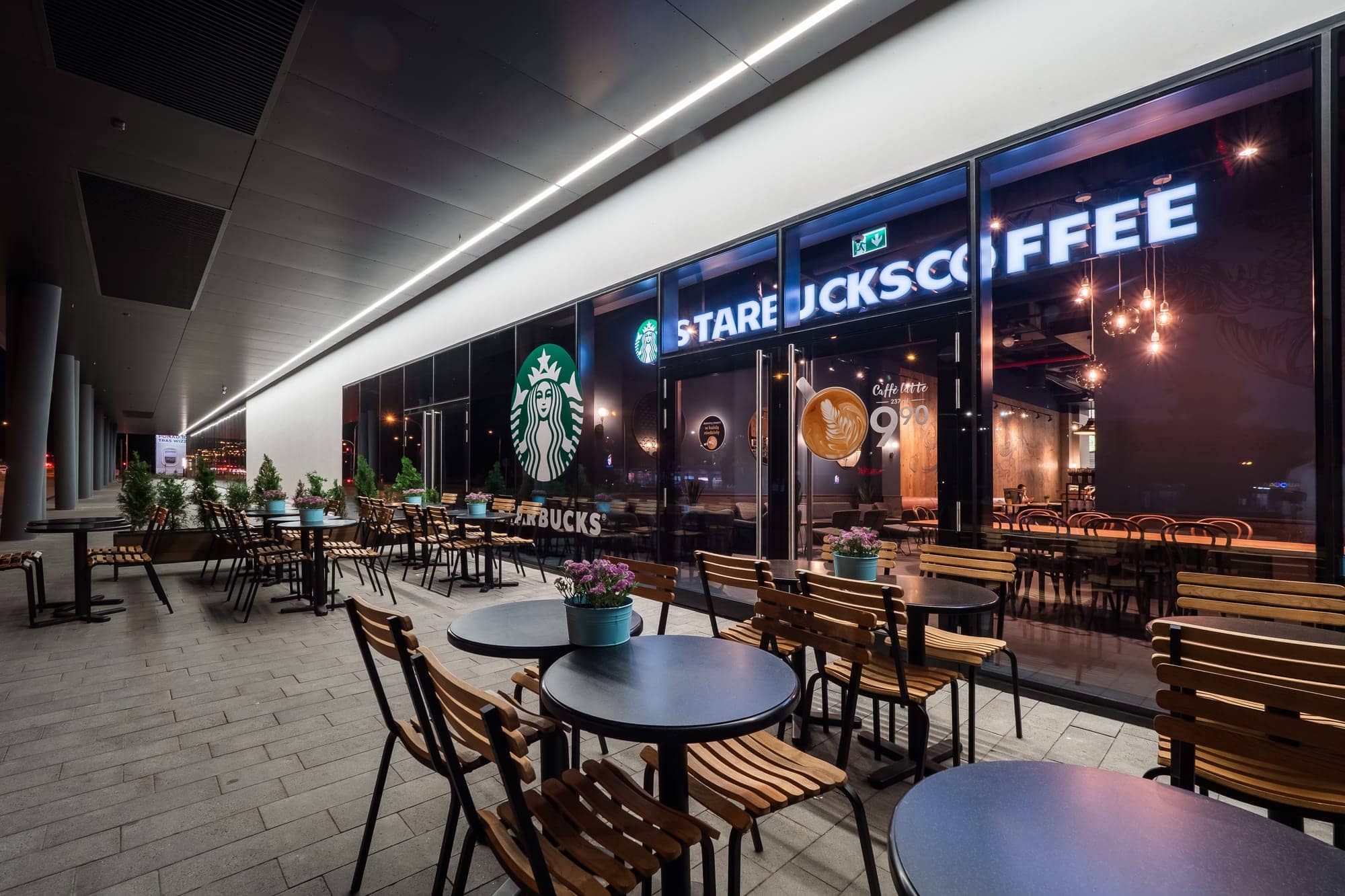
By implementing the Code of Conduct, Starbucks is aligning itself with industry standards and focusing on the comfort and satisfaction of its paying customers. Jaci Anderson, Starbucks' director of corporate communications, emphasized the importance of creating a better environment for everyone by setting clear expectations for behavior and space utilization within Starbucks' cafes, patios, and restrooms.
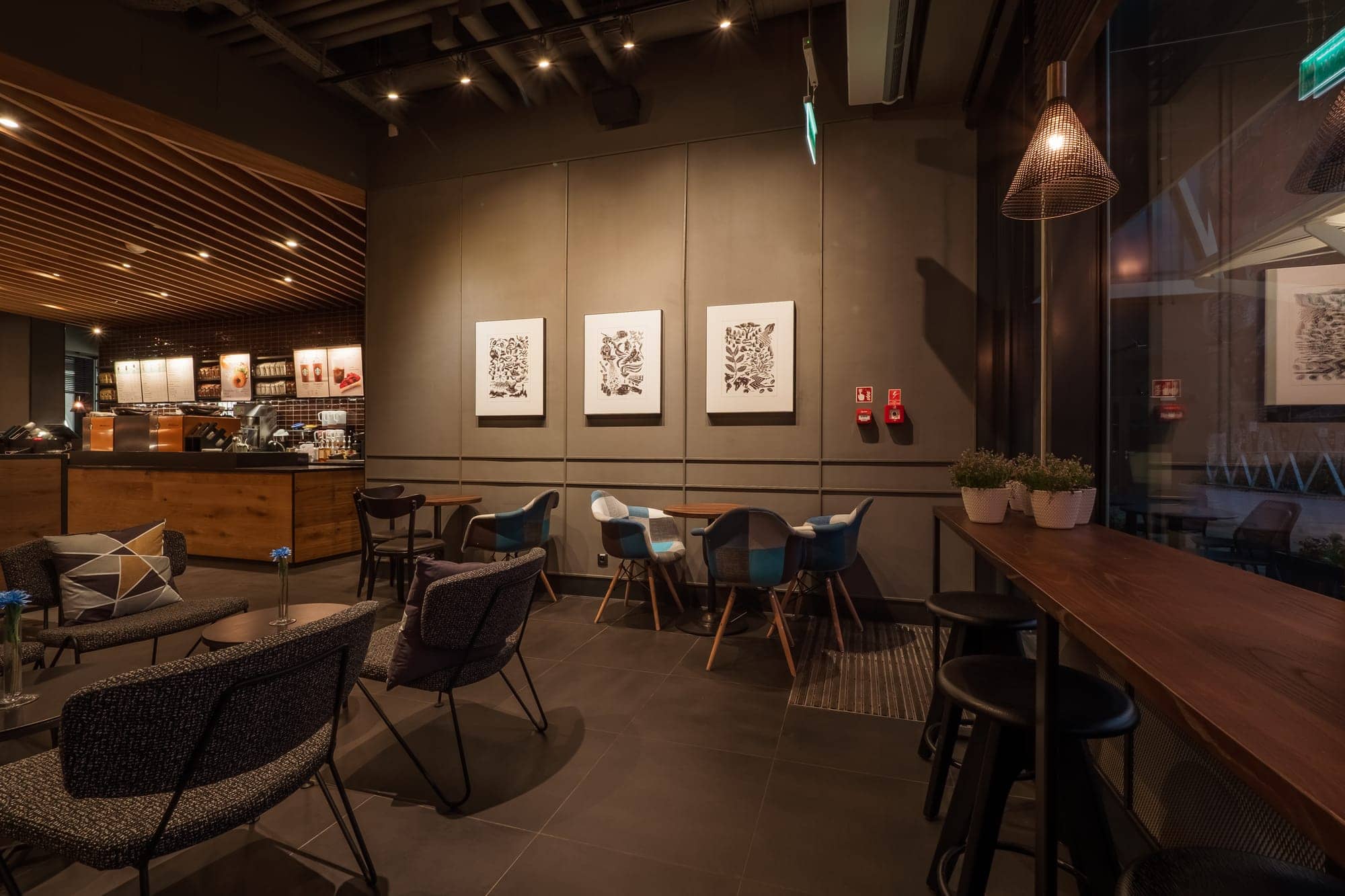
To ensure a smooth transition and enforcement of the new policy, Starbucks has detailed plans for training its employees. Workers will receive the necessary tools and guidance to manage customer interactions in adherence to the Code of Conduct. This training will empower employees to address any violations promptly and maintain a conducive environment for paying customers.
The introduction of the Coffeehouse Code of Conduct is expected to impact customer interactions positively by enhancing the overall experience for paying visitors. With a focus on customer satisfaction and comfort, Starbucks aims to create a space where patrons can enjoy their coffee and stay without disruptions caused by non-paying individuals using facilities without a purchase.
As part of its commitment to improving the cafe experience, Starbucks will be offering amenities such as ceramic mugs and refills on hot and iced coffee, aligning with its 'third place' strategy. These additions aim to further elevate the Starbucks experience for its customers, providing them with more options and enhancing their overall visit.

Starbucks has outlined a comprehensive timeline for training its employees and implementing the Code of Conduct. Store managers will be given dedicated time to prepare their teams and set up for the changes. Employee training sessions will address new workflows, service standards, and customer expectations, ensuring a seamless transition to the enhanced cafe environment.