
Restaurant Technology Trends in 2026
Explore restaurant technology trends in 2026, including AI, automation, digital ordering, workforce tools, connected kitchens, personalization, and profitability strategies today.
Technology
Aug 28, 2026
Explore restaurant technology trends in 2026, including AI, automation, digital ordering, workforce tools, connected kitchens, personalization, and profitability strategies today.
Aug 28, 2026
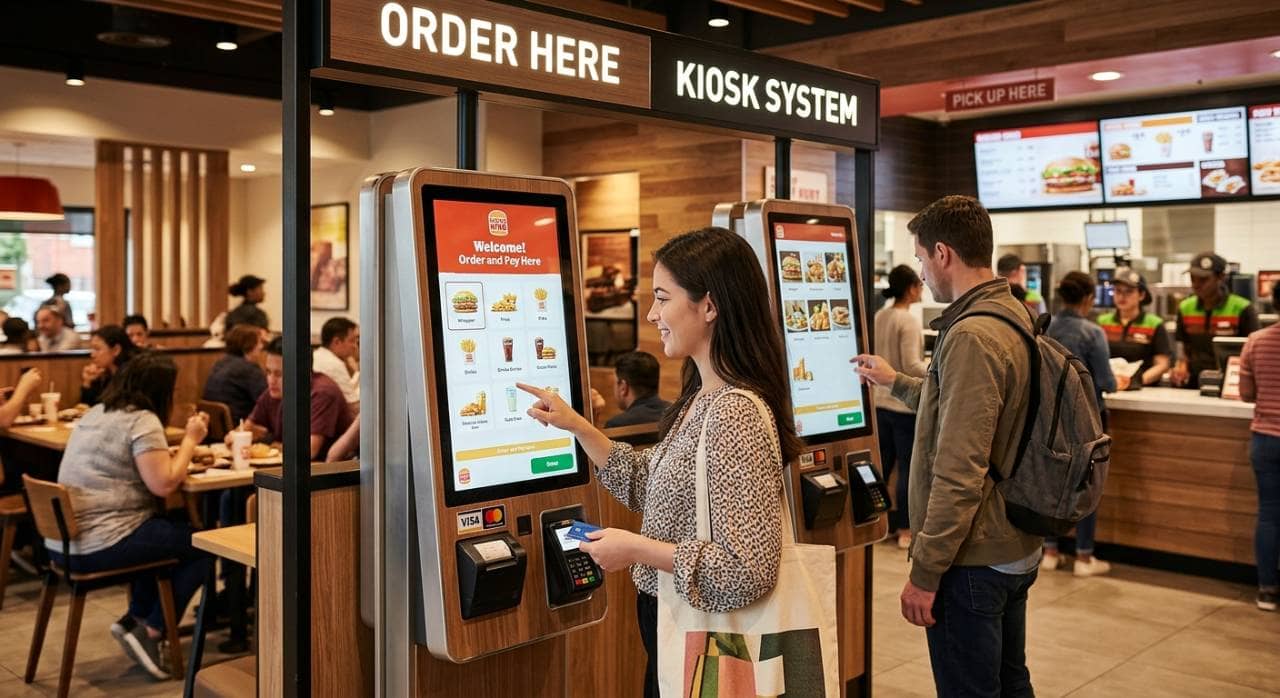
Understand how to evaluate a Kiosk system using key criteria including features, POS integration, hardware, pricing, customer experience, and support.
Aug 31, 2026
Learn how to calculate restaurant cost of goods using inventory, purchases, COGS percentage, variance reviews, and regular tracking for profitability.
Aug 31, 2026

Learn the startup costs of opening an ice cream shop, including rent, equipment, renovations, permits, inventory, labor, marketing, and reserves.
Aug 28, 2026

A restaurant P&L statement reveals sales, expenses, and profits, helping owners manage costs, improve margins, and plan finances more effectively.
Aug 26, 2026
Learn practical ways to reduce labour costs through smarter scheduling, forecasting, productivity, cross-training, automation, overtime control, and performance monitoring strategies.
Aug 26, 2026
RaceTrac has appointed Jill Pemberton as chief financial officer, succeeding Karla Ahlert, who moves into the newly created role of chief administrative officer.
Aug 26, 2026

Create a practical restaurant marketing plan by setting goals, targeting customers, choosing channels, budgeting wisely, scheduling campaigns, and measuring results.
Aug 24, 2026
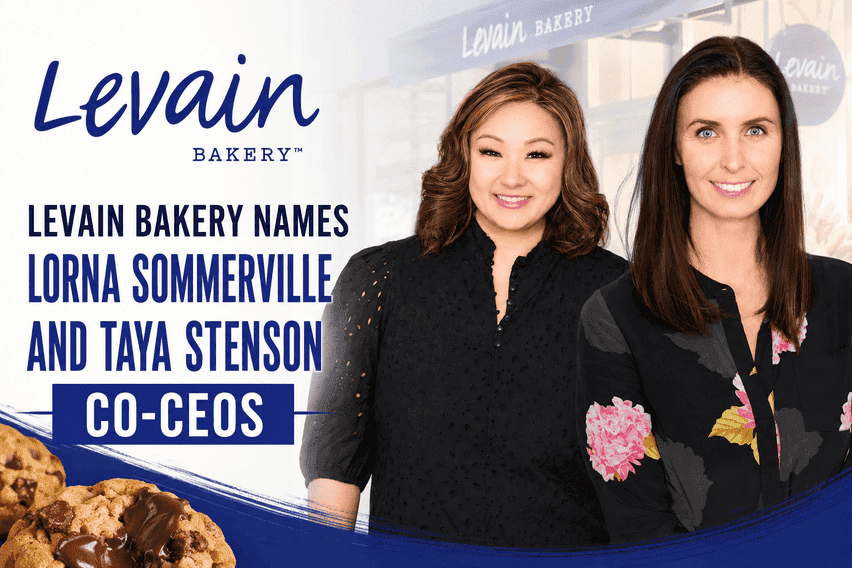
Levain Bakery appoints Lorna Sommerville and Taya Stenson as co-CEOs, blending operational and marketing expertise to power national expansion and innovation while staying rooted in its brand values.
Aug 25, 2026

A payroll advance policy helps restaurant owners define eligibility, limits, repayment, documentation, approval procedures, and compliance requirements for employee advances.
Aug 24, 2026

Unlock Exclusive Access To Webinars, Events, And The Latest News For Free!
Eyas Capital acquires Bojangles’ largest franchisee and lines up over 40 new Ohio locations, pairing scaled operations with modern prototypes amid a potential sale.
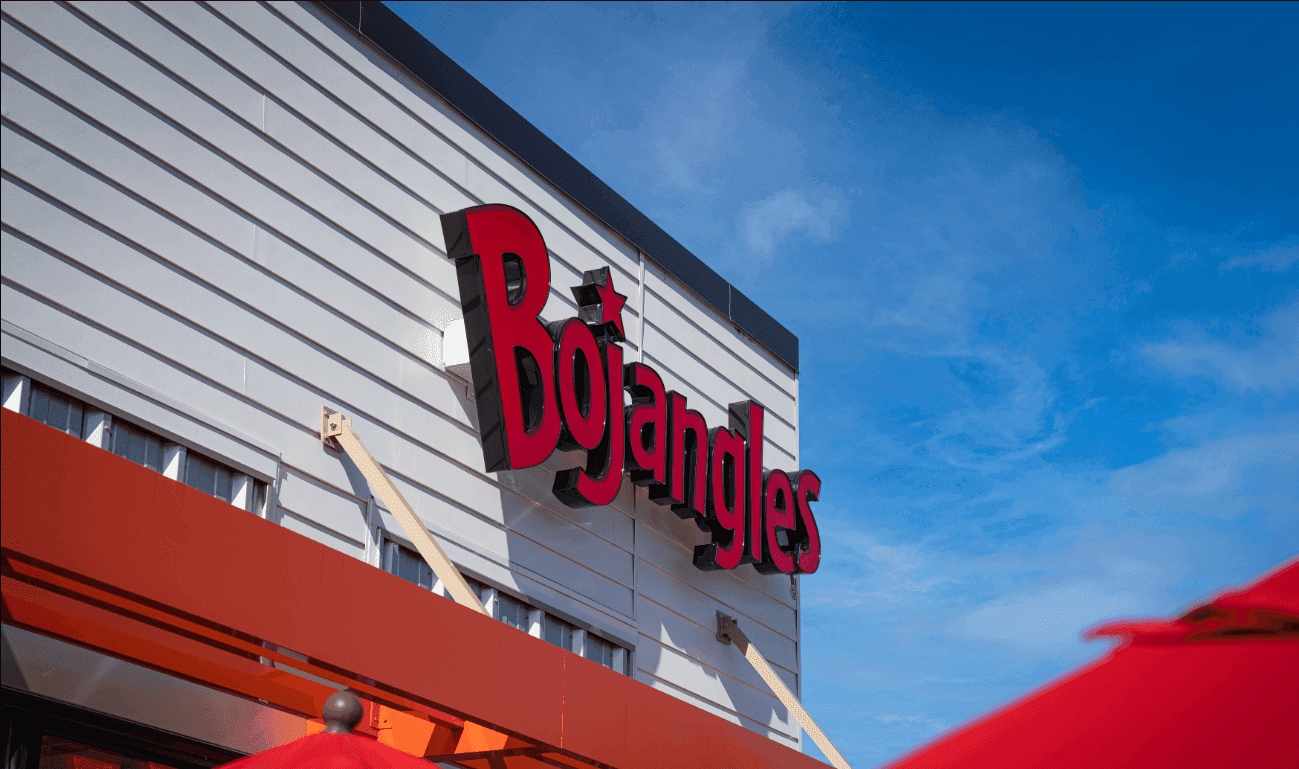
Eyas Capital just put its foot on the gas. The firm acquired BOJ of WNC LLC, consolidating “over 120 locations across six states” under one roof and mapping out “over 40 additional Bojangles locations” centered on Cincinnati and Columbus. That’s not a soft landing, it’s a springboard. The move folds a scaled operator into a focused development plan, converting proven know-how into new market share where the brand began planting flags in 2023. Bojangles’ Ohio story is already on the board, and this deal sharpens the playbook. With a single buyer now steering both operations and buildout, the opportunity is to leverage established systems while marching into two of the state’s busiest corridors. It’s the kind of consolidation that makes multi-store openings feel less like bets and more like scheduled wins. Analysis: The acquisition yokes operating scale to a quantified Ohio build plan, positioning Eyas to accelerate unit growth while managing risk through a platform that already knows how to run the brand at size.
There’s history behind the headlines. The platform Eyas acquired was built by Jeff Rigsby, who started inside Bojangles before buying six Asheville restaurants in “2001” and scaling to more than 120 across six states. Rigsby led the brand into Columbus, with the first Ohio openings arriving in “2023.” That footing matters, it’s easier to scale where you’ve already proven the process, trained the team, and learned the market. Eyas isn’t starting cold; it’s picking up heat already in the pan. The brand’s broader growth arc adds tailwind. Bojangles’ franchise disclosure document tracks the system from “773” units at the start of 2022 to “825” by the end of 2024. In 2023, the chain added “40” new restaurants and built a pipeline of “over 270” units. That’s momentum you can build on, when the system is moving, development has a lane, and Ohio is squarely in it. Analysis: Rigsby’s track record and early Ohio entries reduce execution friction, while systemwide expansion and a sizable pipeline indicate a receptive environment for new units in Columbus and Cincinnati.
Eyas is leaning into a playbook built for speed. The growth is concentrated, “over 40” planned stores for Cincinnati and Columbus, within the BOJ of WNC footprint. The timing syncs with Bojangles’ modernization push: the updated “Genesis” prototype, a streamlined menu with a boneless focus, digital enhancements, and “dual drive-thru lanes.” This is not just new paint. It’s throughput engineering for dense markets. When you’re opening clusters, standardization is oxygen. A common build, a tighter menu, and a staffing model calibrated for drive-thru traffic turn dozens of openings from custom projects into rinse-and-repeat rollouts. The result? More consistent guest experiences and faster ramp times, big wins when every month counts. Analysis: Standardized design and operations, paired with targeted market clusters, give Eyas a repeatable format to scale efficiently in Ohio’s central and southwestern corridors.
Bojangles’ 2025 Franchise Awards shine a light on the operators steering the ship during expansion. Jeff Rigsby took home a Lifetime Achievement Award after growing BOJ of WNC from six Asheville stores in 2001 to “over 120 across six states,” and after a “2021” commitment of “45” units. That kind of long-game growth signals an operating culture built for scale. Other honorees reinforce the point. Jeannette Davis of LVP Restaurant Group was recognized for a high-energy Las Vegas debut, while Sanjay Patel of ADS Restaurant Group earned applause for an exceptional launch in Piscataway, New Jersey. The thread? Franchisees who can open in new, diverse markets and hit with execution. That’s the bench you want when you’re about to flood Ohio with fresh units. Analysis: Recognition for Rigsby validates the operational capabilities Eyas is inheriting, and the broader awards show a cadre of franchisees delivering strong openings, confidence boosters for the Ohio run.
The financial backdrop is loud and clear. Bojangles is reportedly exploring a potential sale, targeting a valuation “exceeding $1.5 billion,” nearly triple the 2019 buyout mark. That storyline runs alongside expansion milestones: the first Ohio entries in “2023,” system growth from “773” to “825” units by the end of 2024, and “approximately 850 restaurants across 20 states” in 2025. Put simply, the brand is growing while the market window is open. The chicken segment is pulling ahead, too. Sales growth for chicken-forward chains clocked “9 percent” versus “3 percent” industry-wide, and fast-casual chicken spiked “24 percent.” In a category this warm, adding visible development, like dozens of new Ohio locations, doesn’t just fill gaps on a map. It feeds a valuation narrative with fresh, verifiable momentum. Analysis: A potential sale creates urgency to showcase unit growth and operational upgrades; Eyas’s Ohio rollout becomes timely proof of expansion in a high-demand segment.
Zoom out and the pattern pops. Private equity is backing franchise growth by buying scaled operators and stacking development. Just weeks before Eyas’s move, Franchise Equity Partners acquired a major 7 Brew franchisee and committed to “over 200” additional locations, cited as evidence that debt capacity is back for big rollouts. That liquidity fuels deals designed to turn platform strength into hyper-local expansion. Eyas’s approach fits the mold: acquire a large, high-performing operator and aim it at defined markets with a clear unit count. It’s disciplined and direct, choose markets with traction, plug in standardized prototypes, and let the system do the heavy lifting. Analysis: With debt markets supporting development again, consolidators are racing to lock in proven operators and pipelines; Eyas’s Ohio strategy matches that surge toward scale.
Not every card is on the table. There’s no disclosure of transaction pricing, financing structure, site-by-site timelines, or the precise store-format mix beyond references to the “Genesis” prototype and operational upgrades. The exact pace of Ohio openings, and which submarkets in Cincinnati and Columbus get first dibs, hasn’t been detailed. Hiring, supply chain, and construction partners also aren’t specified. These are the variables that turn a plan into performance. Real estate selection, build schedules, and operational ramp-up decide how fast momentum shows up in drive-thru lanes and daily sales. The good news: a quantified target paired with a scaled operating base usually points to a structured rollout, even if the milestones aren’t public yet. Analysis: Missing details underscore execution risk, but the combination of a numeric target and a seasoned platform suggests a deliberate, staged plan for Ohio.
Targeting Cincinnati and Columbus is a smart, tight swing. Both regions combine strong traffic with dense trade areas where dual drive-thru lanes and a streamlined menu can shine. The brand’s modernization push, digital enhancements, throughput-focused layouts, was built for clusters where consistency is the edge. That’s Ohio’s central and southwestern corridors to a T. Also in the toolkit: multi-unit agreements that show the system is comfortable with bigger moves. In 2025, Bojangles has been executing a “21-unit” deal in San Antonio, a “3-unit” agreement in Ohio, a “20-unit” deal in New York, and a “35-unit” agreement in New Jersey. Those are proof points that the brand, and its operators, can handle scale without losing the plot. Analysis: Concentrated Ohio development aligns with Bojangles’ updated formats and the system’s multi-unit muscle, reinforcing the odds of consistent execution across new stores.
This deal is about sharpening the blade, not reinventing it. Eyas Capital bought scale, “over 120 locations across six states”, and pointed it straight at Ohio with “over 40” new stores. Backed by Bojangles’ modern prototype, streamlined operations, and a bench of awarded operators, the plan reads like a repeatable rollout designed for speed and consistency. The lesson is simple: when category demand is hot, the tightest playbook wins. Pair established operators with standardized builds, pick markets where momentum already exists, and move in clusters to capture efficiencies. If Eyas delivers that cadence in Cincinnati and Columbus, Ohio becomes a proof point for Bojangles’ broader growth thesis, and a timely chapter in a valuation story “exceeding $1.5 billion.” Big win if they stick the landing. Analysis: By uniting a scaled platform with a focused, modernized build plan, Eyas can turn Ohio into a showcase for Bojangles’ system strength during a pivotal strategic window.