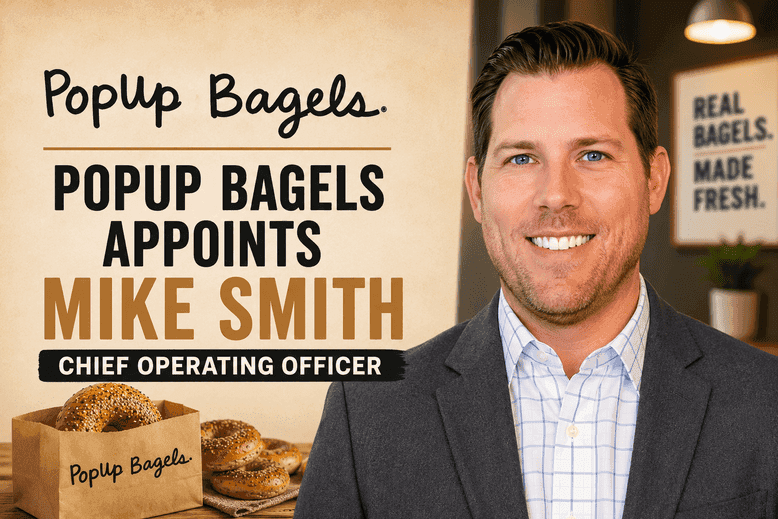
PopUp Bagels Names Mike Smith COO
PopUp Bagels welcomes industry veteran Mike Smith as Chief Operating Officer to lead their next phase of growth, putting quality and guest experience at the forefront.
news
Jul 28, 2026
PopUp Bagels welcomes industry veteran Mike Smith as Chief Operating Officer to lead their next phase of growth, putting quality and guest experience at the forefront.
Jul 28, 2026
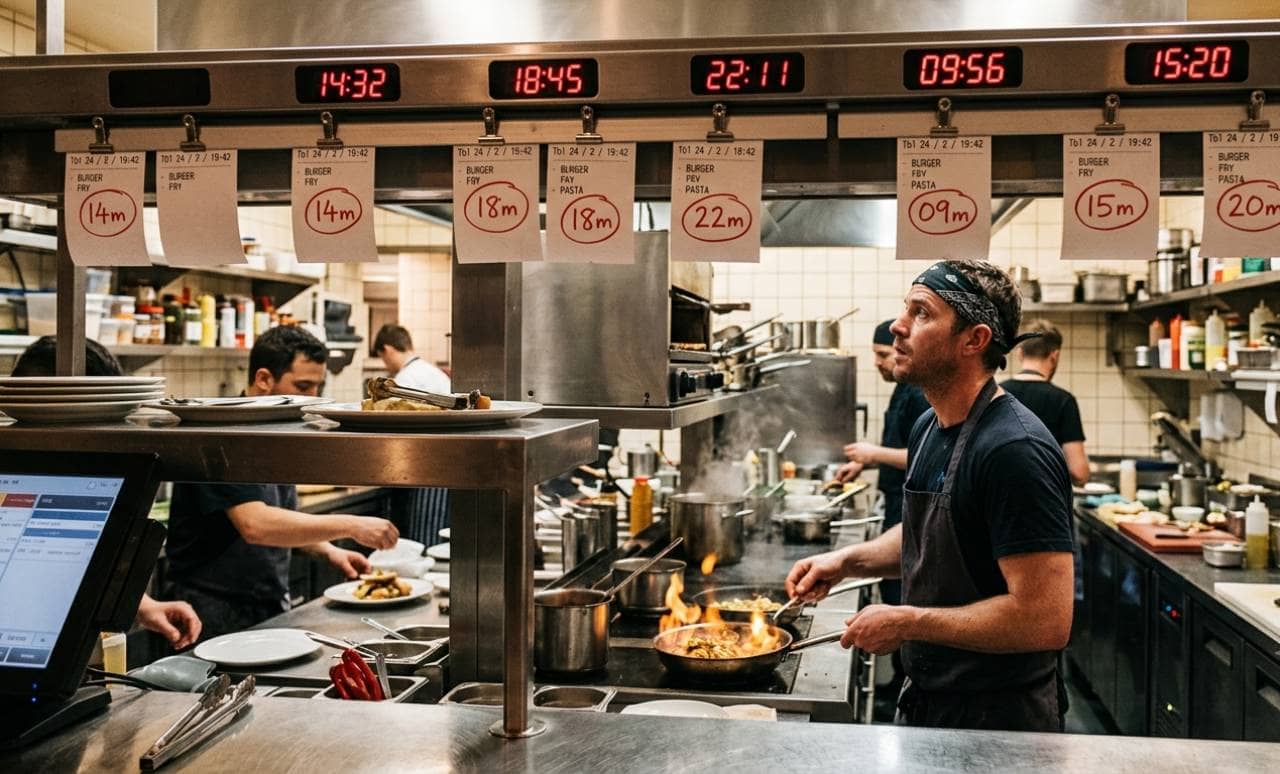
Improve kitchen ticket times with practical strategies for better preparation, smoother workflows, stronger communication, smarter staffing, and effective restaurant technology.
Jul 27, 2026
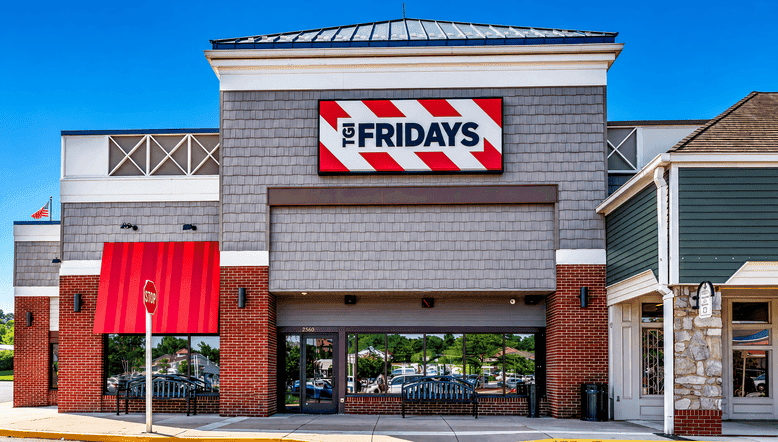
TGI Fridays emerges from Chapter 11 bankruptcy under new ownership, focused on growth and stability. Discover what's next for the iconic chain and its global operations.
Jul 28, 2026

Veteran restaurant executive David Deno assumes the helm at Cracker Barrel, signaling a pivotal moment for the brand’s revitalization. Learn what this means for operators, staff, and industry leaders.
Jul 27, 2026
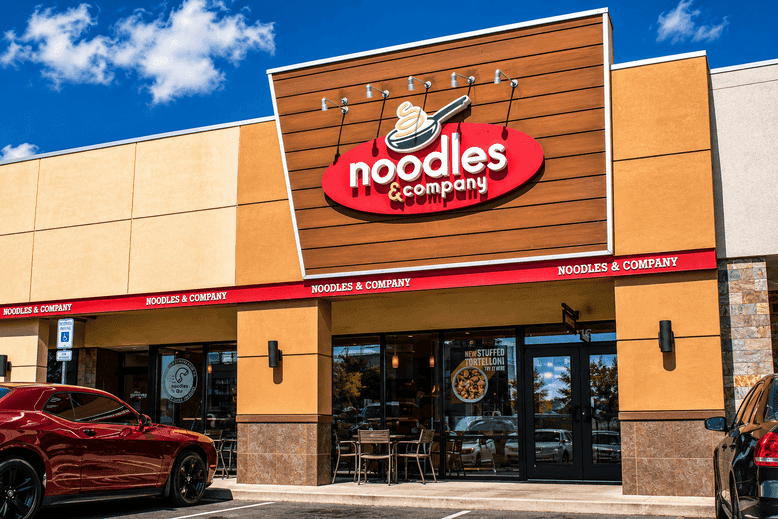
Noodles & Company achieves historic sales growth and operational turnaround in 2026, sharing critical lessons for restaurant owners on boosting traffic, innovation, and team culture.
Jul 27, 2026

Learn how restaurant owners can manage payroll accurately, track labor costs, reduce errors, maintain compliance, and improve workforce profitability efficiently.
Jul 27, 2026
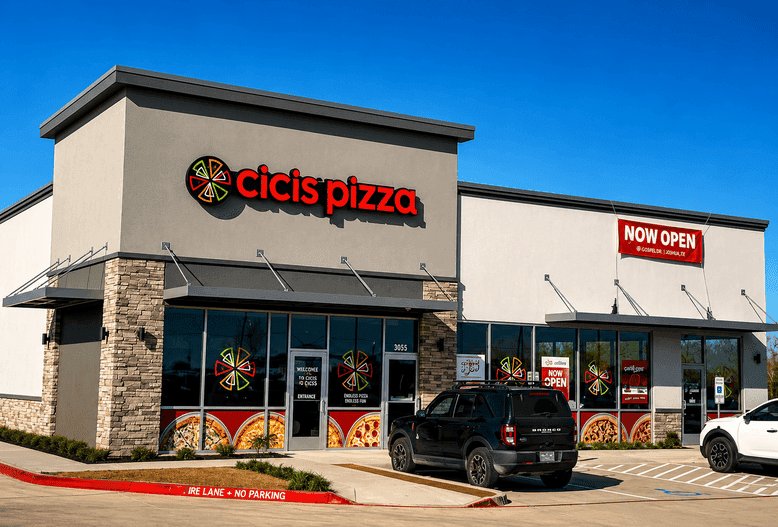
Cicis Pizza’s systemwide sales have surged over 50%, fueled by digital innovation, modern operations, and a revamped franchise strategy. Learn what restaurant owners can take away from Cicis’ transformation.
Jul 24, 2026
Stay compliant with key restaurant labor regulations in Summer 2026, including minimum wage increases, scheduling laws, and retirement requirements.
Jul 24, 2026

Fogo de Chão has announced Daniel Duran as its new CFO, marking a strategic leadership transition designed to enhance global growth and financial innovation for the renowned restaurant brand.
Jul 24, 2026

Learn how to calculate, benchmark, track, and improve restaurant payroll percentage while balancing staffing costs, sales, service, and profitability effectively.
Jul 24, 2026
Learn how airport openings present a lucrative channel for food chains like Wahlburgers to maximize brand exposure and reach new audiences. Explore the strategies and benefits of expanding into non-traditional locations.

Photo by Kelly Sikkema

Photo by Kelly Sikkema
With the closure of several grocery store locations, chains like Wahlburgers are turning to non-traditional venues to maintain their presence and expand their customer base. By opening in locations such as casinos, ballparks, and racecourses, they can tap into diverse audiences beyond their typical restaurant settings.

Photo by Kelly Sikkema
While developing airport units may require time and investment, they present a lucrative opportunity for food chains. Airports provide high-volume, high-sales environments with captive audiences, making them ideal for boosting revenue and increasing brand visibility. For brands like Wahlburgers, airports offer a unique platform to introduce their concept to travelers who might not have encountered it elsewhere.

Photo by Kelly Sikkema
Expanding into airports offers several advantages for food chains. It allows them to reach a diverse and international customer base, catering to travelers from various backgrounds and regions. Additionally, airport locations can serve as marketing hubs, creating brand awareness among a vast audience. Furthermore, the exposure gained from airport openings can translate into increased foot traffic and sales at other locations of the chain.
Photo by Kelly Sikkema
Despite the potential benefits, entering airport locations comes with its own set of challenges. Food chains must navigate airport regulations, security protocols, and operational intricacies unique to these environments. Maintaining brand consistency and quality standards across different locations while adapting to the airport setting can be demanding. Moreover, the competition within airports is intense, requiring distinctive marketing strategies to stand out among other food options.

Photo by Kelly Sikkema
Several notable brands, including California Pizza Kitchen, Slim Chickens, Shake Shack, and Donatos, have embraced airport strategies to expand their reach and enhance brand recognition. By establishing a presence in airports, these chains have capitalized on the captive audience and the lucrative potential of these locations. The trend towards non-traditional openings, particularly in airports, signifies a shift in the food industry's marketing and growth strategies.