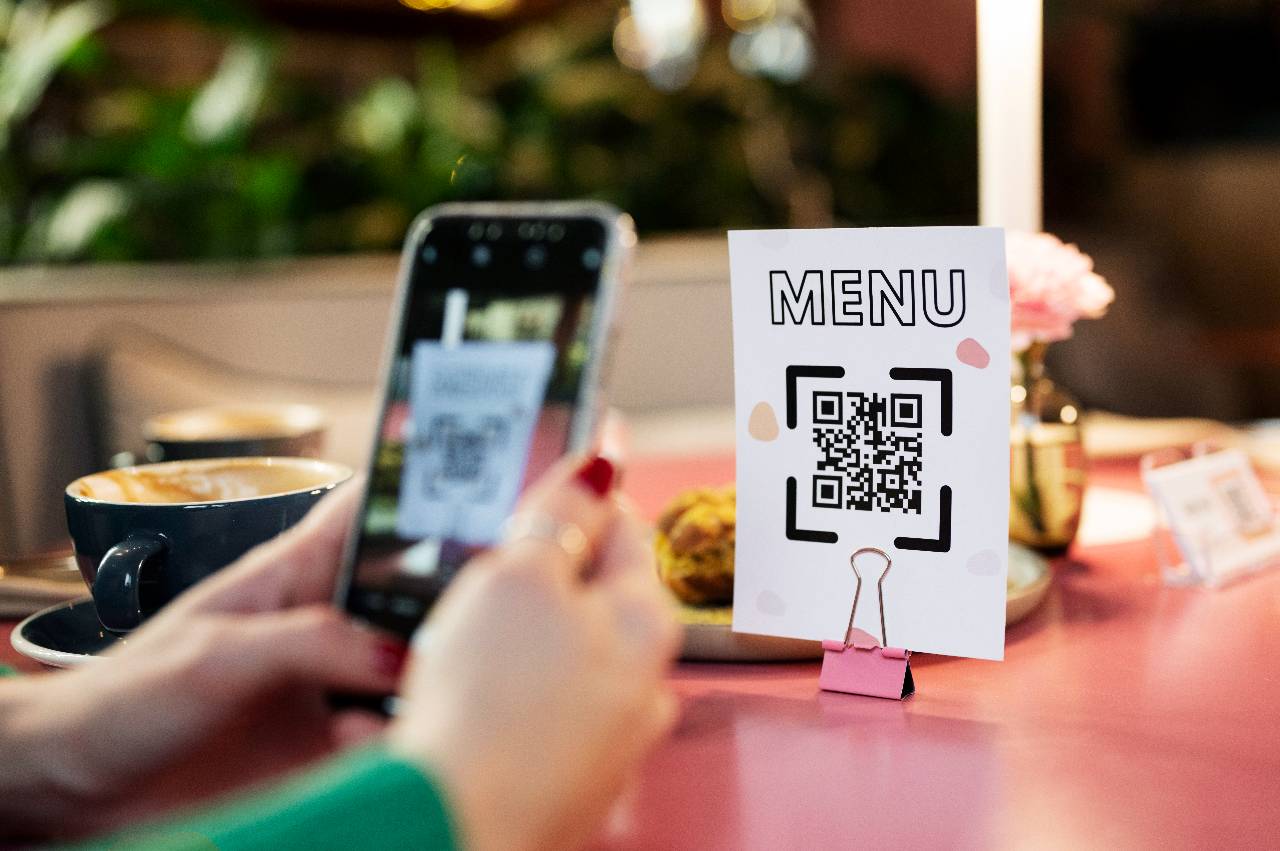
How to Create a QR Code Menu for Your Restaurant
QR code menu helps restaurants update items faster, improve mobile ordering, reduce printing costs, and track customer behavior over time.
menu development
Jul 2, 2026
QR code menu helps restaurants update items faster, improve mobile ordering, reduce printing costs, and track customer behavior over time.
Jul 2, 2026
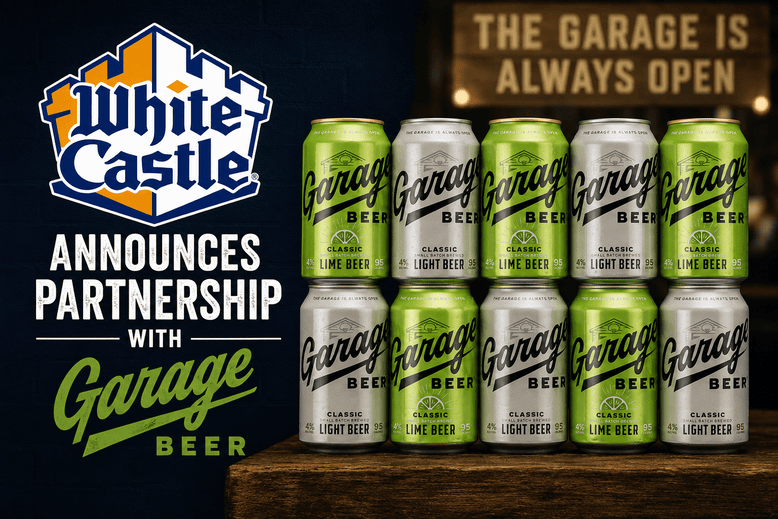
White Castle and Garage Beer, two Ohio-based favorites, announce a summer collaboration with new promotions and products. Learn how restaurant owners can ride the LTO wave.
Jul 2, 2026
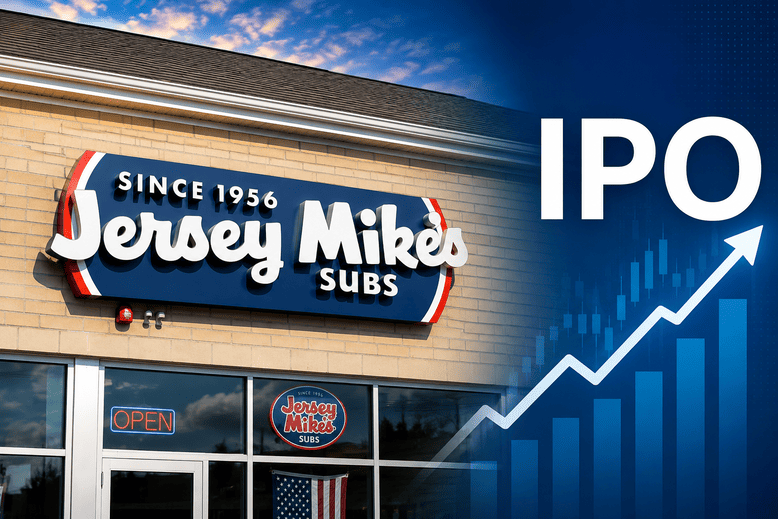
Jersey Mike’s plans an IPO, showcasing sharp growth and franchise strength - a move with ripple effects for restaurant owners watching industry trends.
Jul 2, 2026

McDonald’s welcomes Bryan Brown as chief development officer, leveraging his experience to drive store modernization and support the “NEXT” strategy for franchisees and teams.
Jul 2, 2026
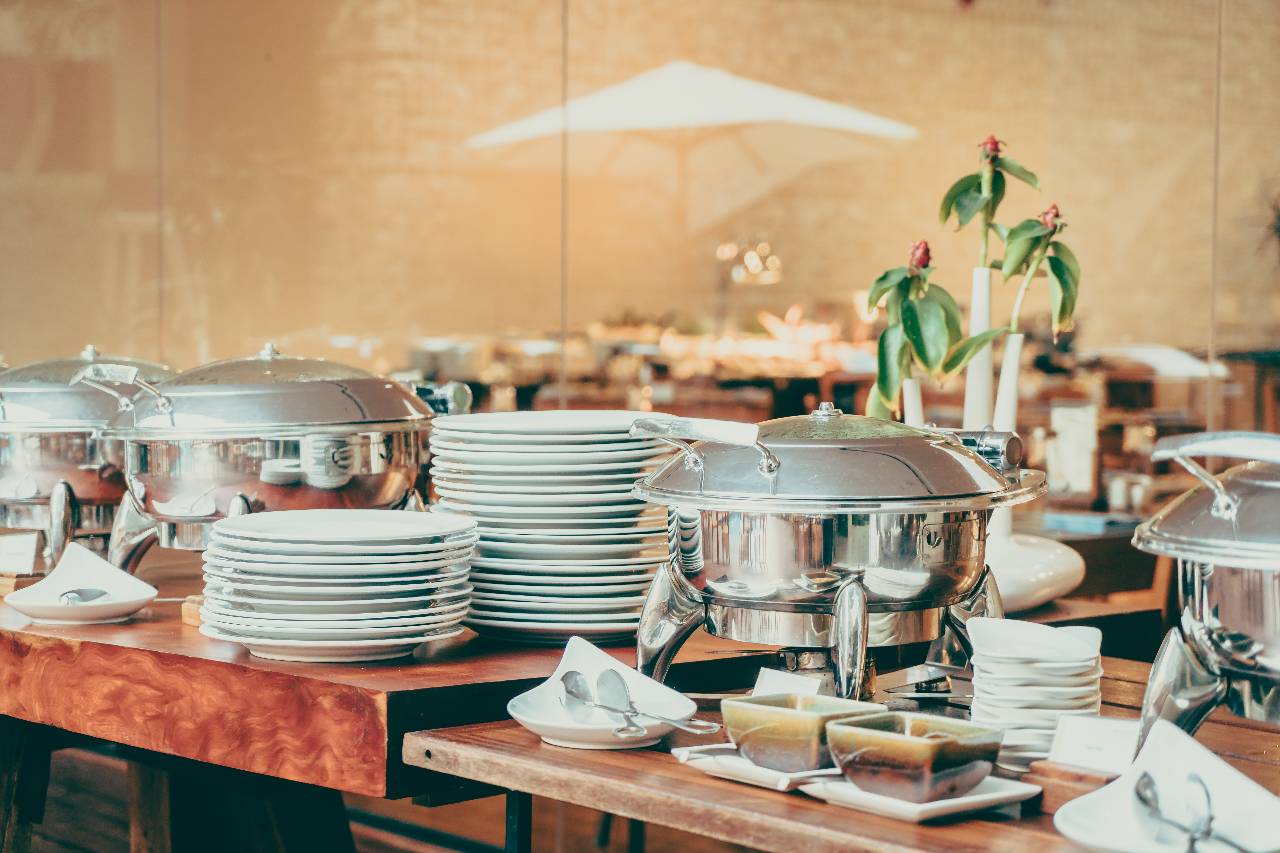
Learn how to build a restaurant catering system that attracts clients, improves margins, simplifies operations, and creates repeat revenue.
Jul 2, 2026
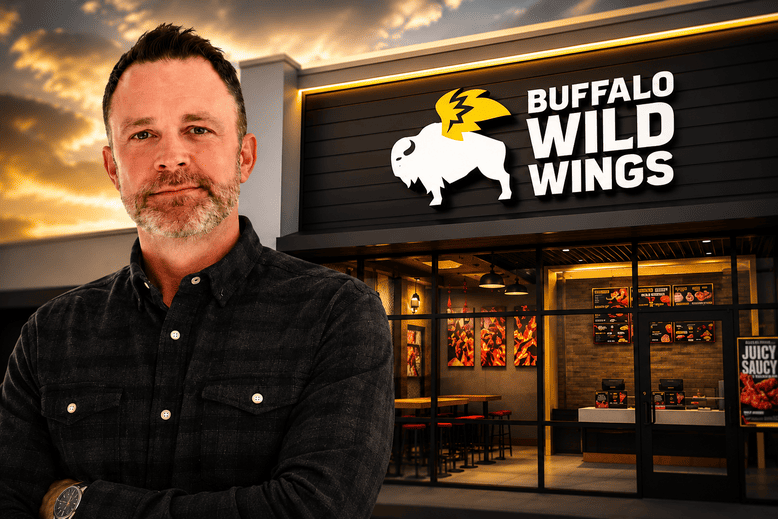
Buffalo Wild Wings has named Scott Nelson as Chief Marketing Officer, signaling a strategic evolution ahead of Inspire Brands' anticipated IPO. Learn how his diverse background may impact your restaurant's marketing playbook.
Jul 1, 2026

Compare the top 10 restaurant POS systems in the USA for 2026. Explore features, pricing, pros, cons, and the best POS options for every restaurant type.
Jul 1, 2026
Papa John’s announces the departure of CFO Ravi Thanawala and the appointment of Chris Collins as interim CFO, signaling strategic leadership changes in the company’s finance team.
Jul 1, 2026

Explore the latest restaurant industry performance report for Q2 2026, including key restaurant industry trends, segment performance, and labor challenges.
Jul 1, 2026
Learn how Mooyah Burger drives growth through operational excellence, technology, franchise leadership, and a customer-first approach.
Jun 30, 2026
Discover the crucial role of menu strategy in driving revenue for restaurants using self-ordering kiosks. Learn how to develop a strategic menu plan tied to business objectives.

Photo by Taylor Grote

Photo by Taylor Grote
Self-ordering kiosks have become crucial in the QSR and fast casual restaurant industry due to their ability to reduce labor costs. While they excel in cutting expenses by eliminating frontline order takers, one aspect where many self-ordering kiosks fall short is revenue generation. The missing link often lies in the absence of a well-defined menu strategy that aligns with high-level business objectives.

Photo by Taylor Grote
A menu strategy serves as a roadmap for restaurants to prioritize menu categories and products in a way that supports overarching business goals. By outlining specific tactics aligned with these objectives, a menu strategy not only guides the development of the self-ordering kiosk's menu communications but also influences all other menu-related touchpoints like mobile apps and menu boards.
Many self-ordering kiosks suffer from suboptimal menu design and communications as they are often developed without a robust menu strategy. Software specialists and engineers, lacking expertise in menu strategy, rely on subjective opinions and graphical elements when creating menu interfaces. In contrast, a skilled menu strategist employs data-driven insights and consumer analytics to craft a focused menu strategy.

Photo by Taylor Grote
To create an effective menu strategy, restaurants should follow a structured approach that encompasses six essential steps. These steps include establishing clear business objectives, identifying and prioritizing food platforms, defining key tactics for each objective, leveraging success factors, addressing weaknesses, and recognizing potential risks that could impact the menu strategy.

Photo by Taylor Grote
When developing a menu strategy, it's crucial to define specific business objectives that the menu should accomplish. These objectives could range from increasing average check size to boosting sales during specific day parts or promoting certain menu items. Prioritizing these objectives based on their impact on the business is key to driving success.
Understanding the strategic importance of different food platforms is essential in menu planning. By recognizing which categories drive the most sales and profits, restaurants can prioritize food platforms accordingly. For instance, if beverages contribute significantly to revenue, they should be highlighted over less profitable items like desserts.
Each business objective in the menu strategy should be supported by specific tactics that outline actionable steps to achieve the desired outcomes. These tactics serve as the executional elements that bridge the gap between objectives and implementation. Having clear and measurable tactics ensures a focused approach towards reaching the set goals.

Photo by Taylor Grote
Identifying and leveraging menu strengths, unique characteristics, and signature dishes that set the brand apart from competitors is vital for enhancing the menu strategy. Equally important is acknowledging and addressing weaknesses in the menu lineup. By optimizing strengths and mitigating weaknesses, restaurants can create a more competitive and appealing menu.
Recognizing external risks that could hinder the achievement of business objectives is a critical aspect of menu strategy development. Competitors offering similar or superior menu options, changing consumer preferences, or economic factors are examples of risks that restaurants need to consider. By proactively identifying and mitigating these risks, businesses can safeguard against potential challenges.