
How to Do Restaurant Payroll Yourself
Learn how to handle restaurant payroll yourself, from calculating hours and wages to managing tips, taxes, and final paychecks.
Payroll
Sep 2, 2026
Learn how to handle restaurant payroll yourself, from calculating hours and wages to managing tips, taxes, and final paychecks.
Sep 2, 2026
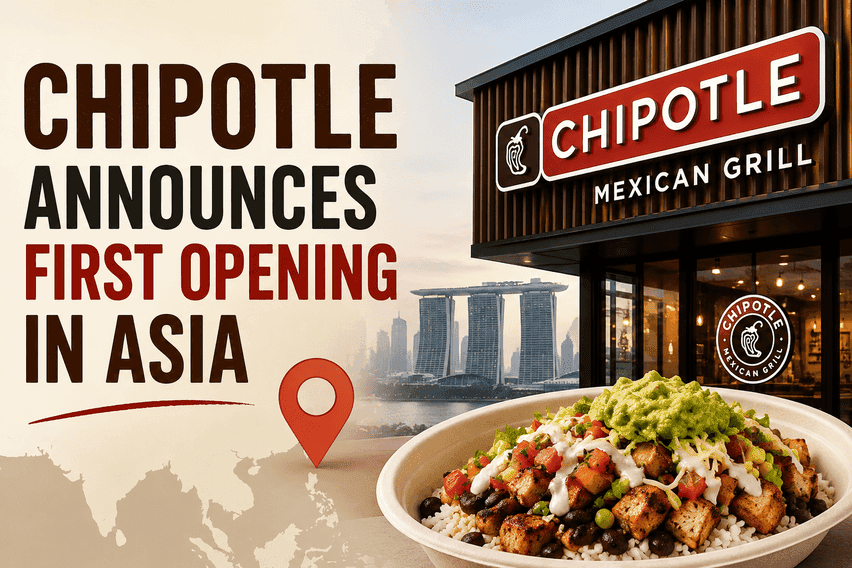
Chipotle makes its highly anticipated entry into Asia with a Seoul opening, partnering with Sangmidang Holdings and setting a template for future international growth.
Sep 2, 2026

Restaurant labor management helps owners optimize staffing, control labor costs, improve productivity, monitor overtime, and maintain efficient restaurant operations.
Sep 2, 2026
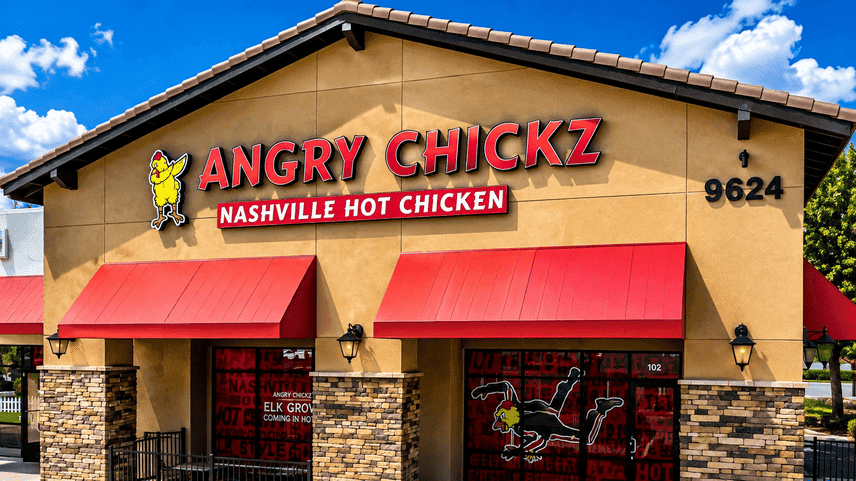
Angry Chickz enters Illinois with its signature hot chicken concept and ambitious plans for Midwest expansion, setting the stage for new franchise opportunities and community engagement.
Sep 2, 2026
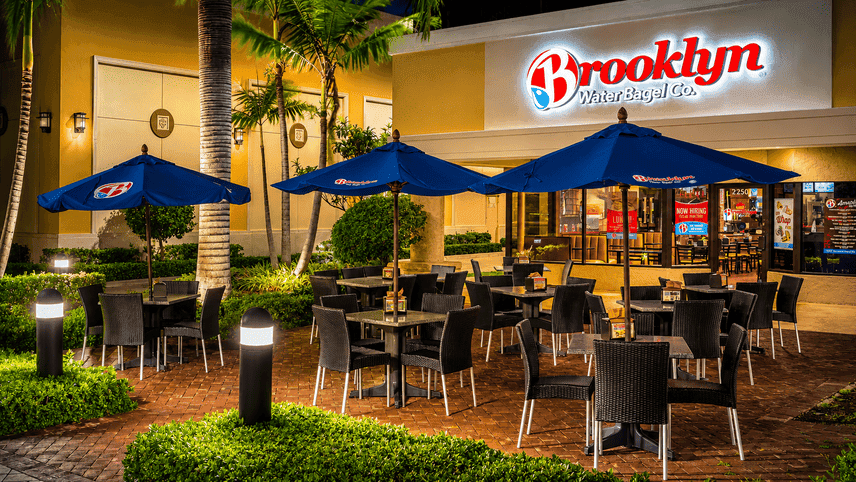
Brooklyn Water Bagel launches its first campus eatery at Nova Southeastern, signaling strategic growth and fresh potential for multi-unit operators seeking new market wins.
Sep 2, 2026
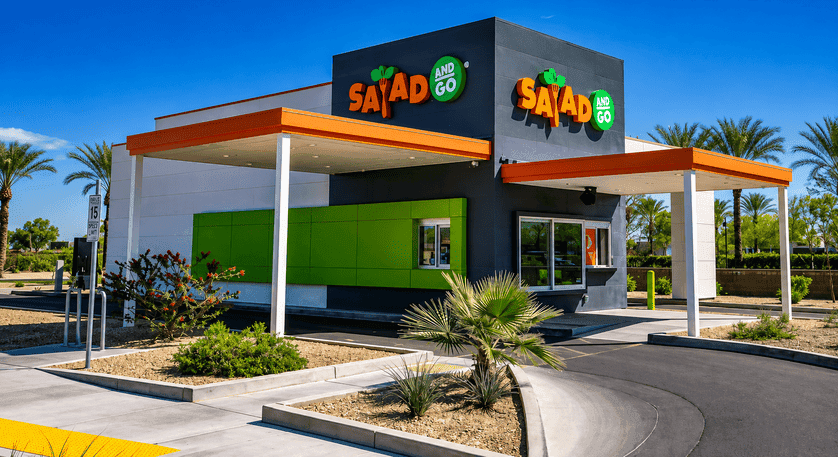
7 Brew has acquired 73 former Salad and Go locations, surpassing Dutch Bros with a $143M bid, signaling a major shift in the competitive landscape for drive-thru brands.
Sep 2, 2026

Explore restaurant technology trends in 2026, including AI, automation, digital ordering, workforce tools, connected kitchens, personalization, and profitability strategies today.
Aug 28, 2026

Learn how to calculate restaurant cost of goods using inventory, purchases, COGS percentage, variance reviews, and regular tracking for profitability.
Aug 31, 2026
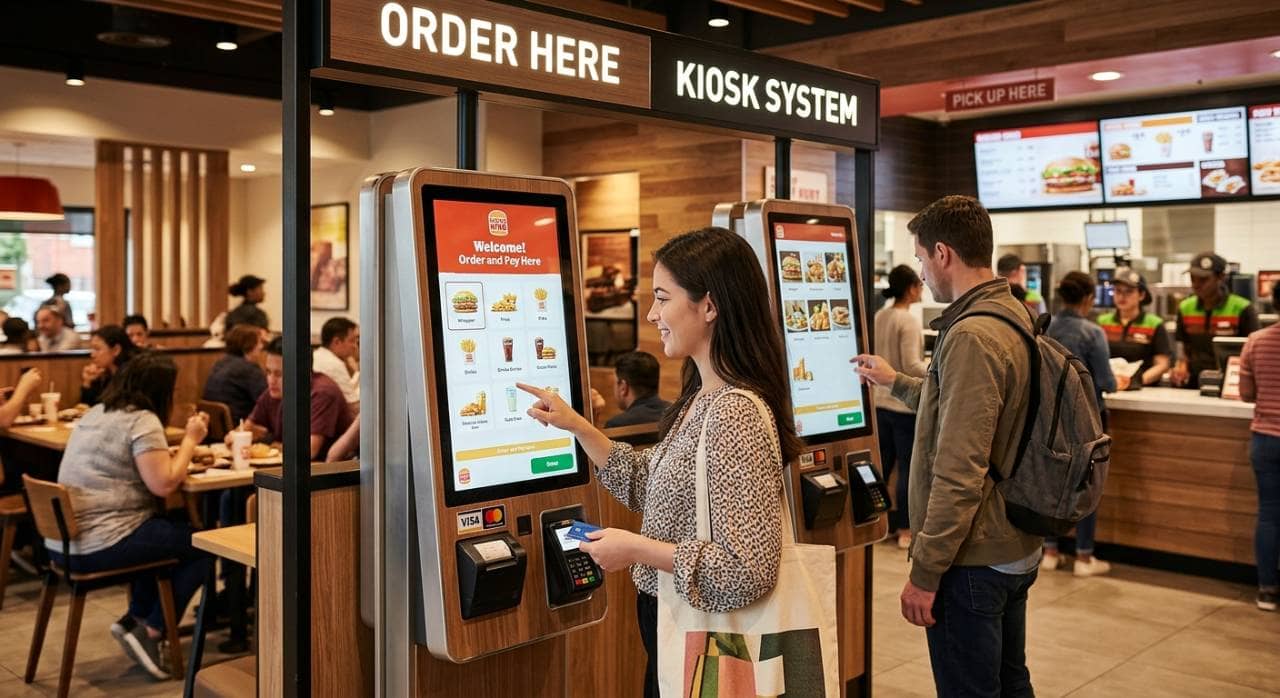
Understand how to evaluate a Kiosk system using key criteria including features, POS integration, hardware, pricing, customer experience, and support.
Aug 31, 2026
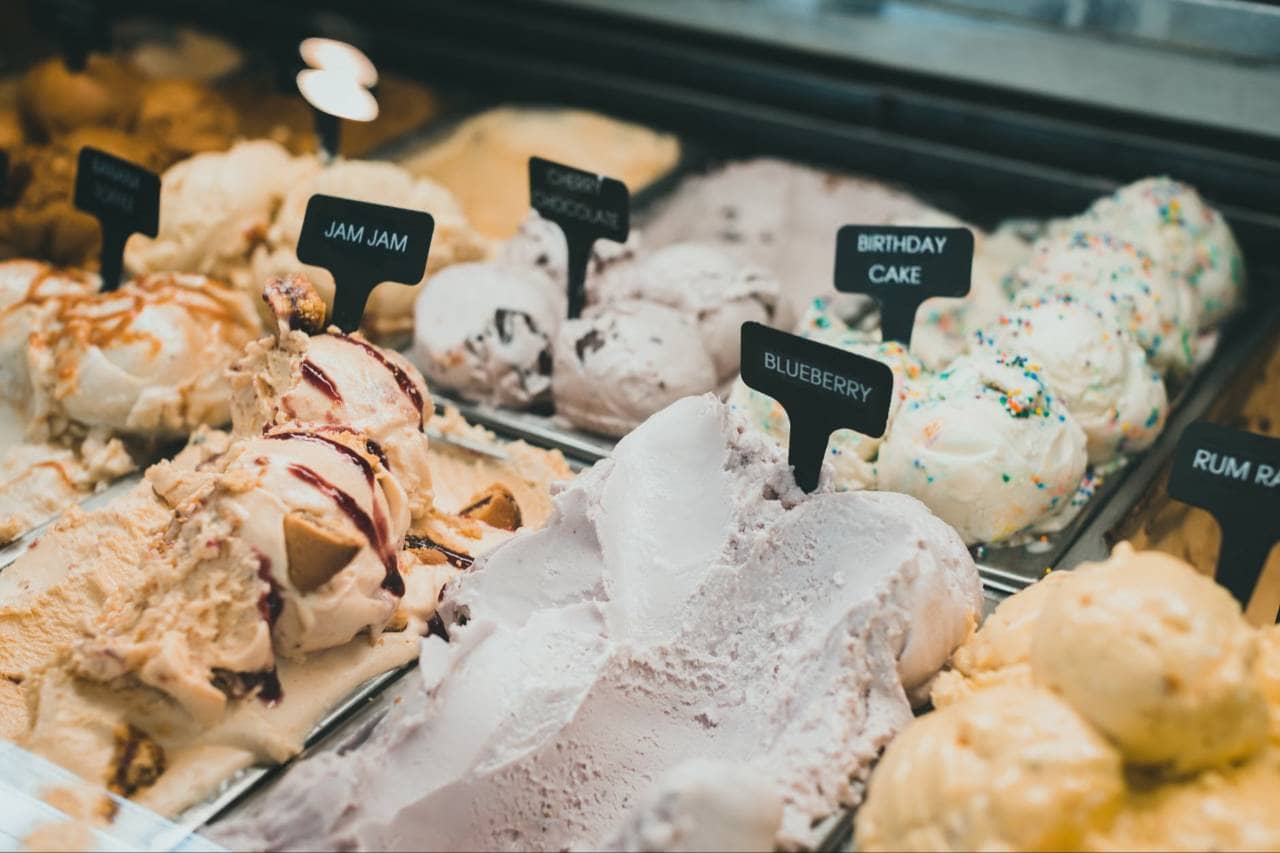
Learn the startup costs of opening an ice cream shop, including rent, equipment, renovations, permits, inventory, labor, marketing, and reserves.
Aug 28, 2026

Unlock Exclusive Access To Webinars, Events, And The Latest News For Free!
Learn about the challenges faced by businesses in ensuring immigration compliance and the repercussions of non-compliance on employment practices.

Photo by Kyle Loftus

Photo by Kyle Loftus
The recent lawsuit against The Cheesecake Factory sheds light on the serious ramifications of failing to comply with immigration laws in the workplace. The alleged recruitment of undocumented workers with false employment authorization documents and subjecting them to abusive conditions raises concerns about human rights violations and exploitation. Such actions not only violate federal laws but also reflect poorly on the ethical standards of the organization.
Businesses operating in diverse environments face challenges in navigating complex immigration regulations while maintaining ethical employment practices. The need to verify employee eligibility accurately and ethically, especially in industries prone to vulnerabilities and exploitation, requires a robust compliance framework. The Cheesecake Factory case highlights the gravity of non-compliance and the importance of stringent hiring practices.

Photo by Kyle Loftus
The stringent enforcement actions by government authorities, such as the revocation of employment authorization for certain immigrant workers, have created a sense of urgency for employers to ensure compliance with verification processes like E-Verify. Failure to conduct proper checks can result in legal repercussions, reputational damage, and financial penalties. Businesses must proactively adapt to evolving immigration policies to mitigate risks.
The increase in government audits of Form I-9s underscores the need for employers, particularly in high-risk sectors like hospitality and construction, to prioritize compliance efforts. Conducting regular audits, training HR staff on verification procedures, and staying informed about regulatory updates are essential steps in safeguarding against non-compliance allegations. Implementing best practices can safeguard both employees' rights and the organization's reputation.