
Restaurant Technology Trends in 2026
Explore restaurant technology trends in 2026, including AI, automation, digital ordering, workforce tools, connected kitchens, personalization, and profitability strategies today.
Technology
Aug 28, 2026
Explore restaurant technology trends in 2026, including AI, automation, digital ordering, workforce tools, connected kitchens, personalization, and profitability strategies today.
Aug 28, 2026
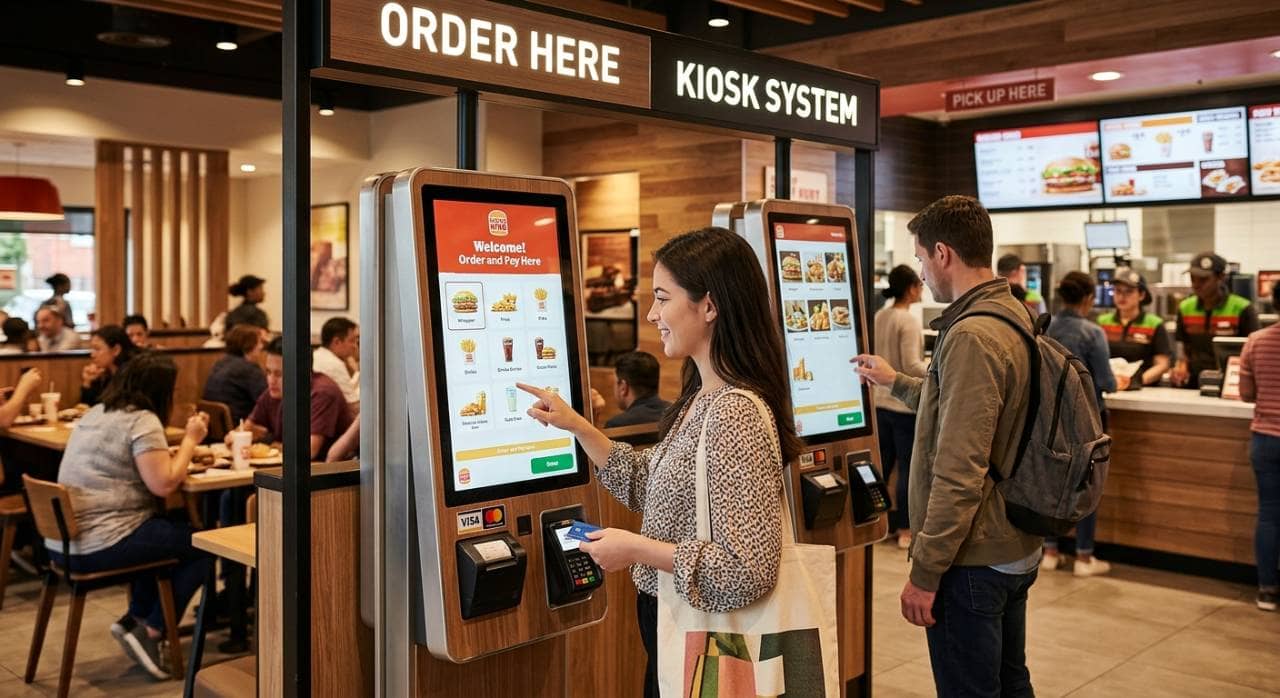
Understand how to evaluate a Kiosk system using key criteria including features, POS integration, hardware, pricing, customer experience, and support.
Aug 31, 2026
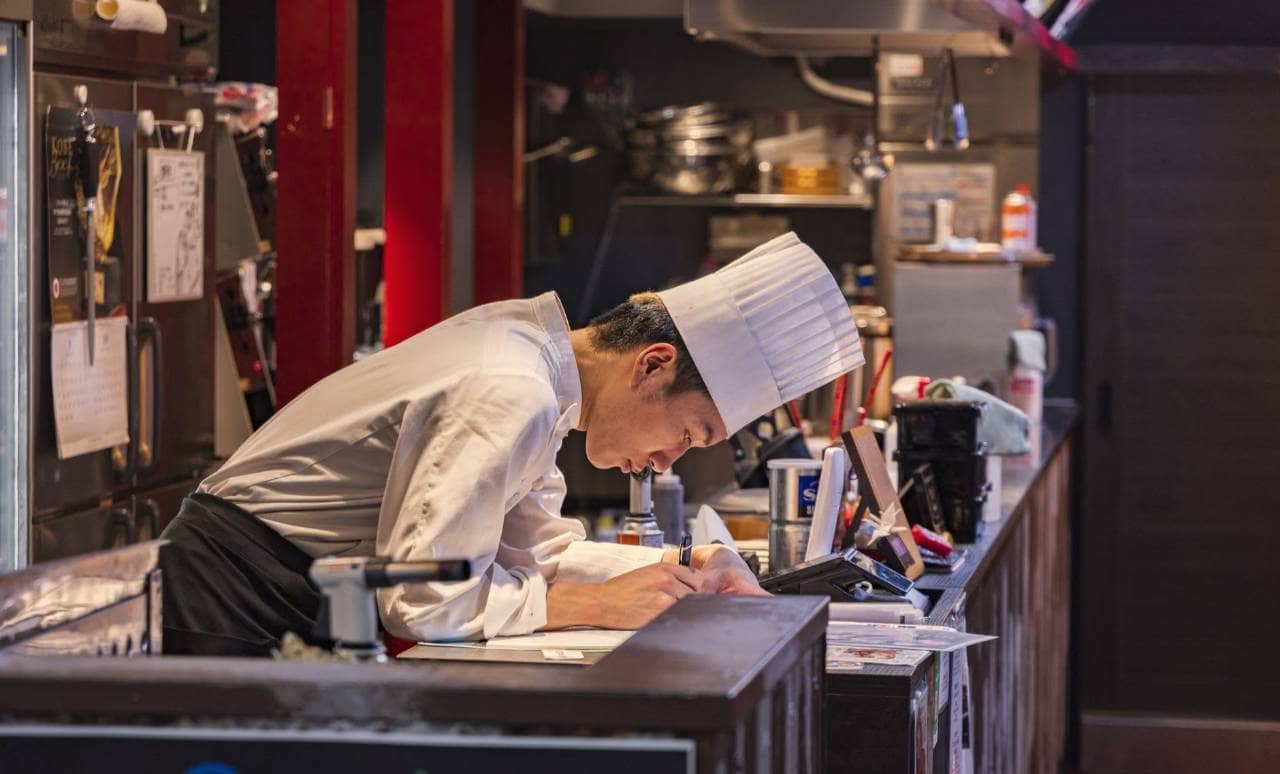
Learn how to calculate restaurant cost of goods using inventory, purchases, COGS percentage, variance reviews, and regular tracking for profitability.
Aug 31, 2026
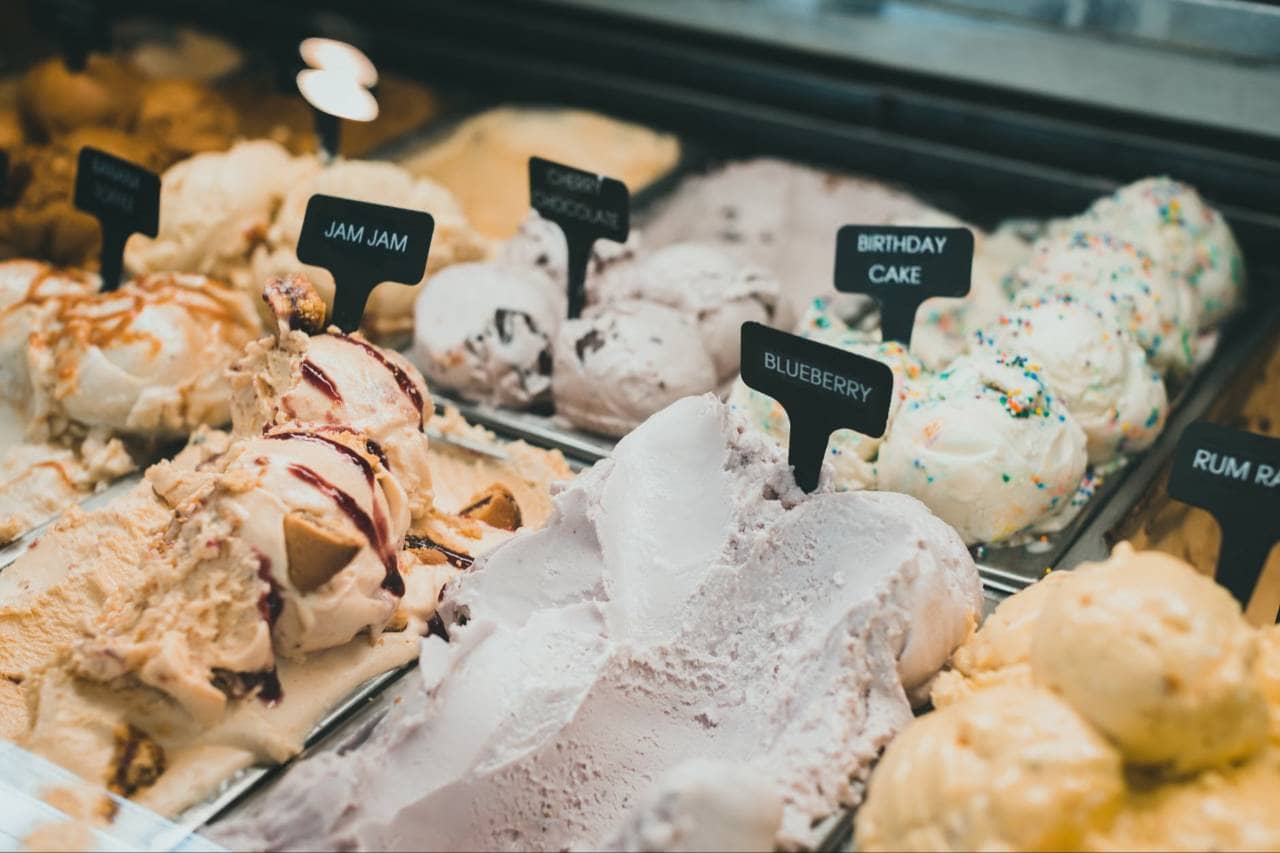
Learn the startup costs of opening an ice cream shop, including rent, equipment, renovations, permits, inventory, labor, marketing, and reserves.
Aug 28, 2026
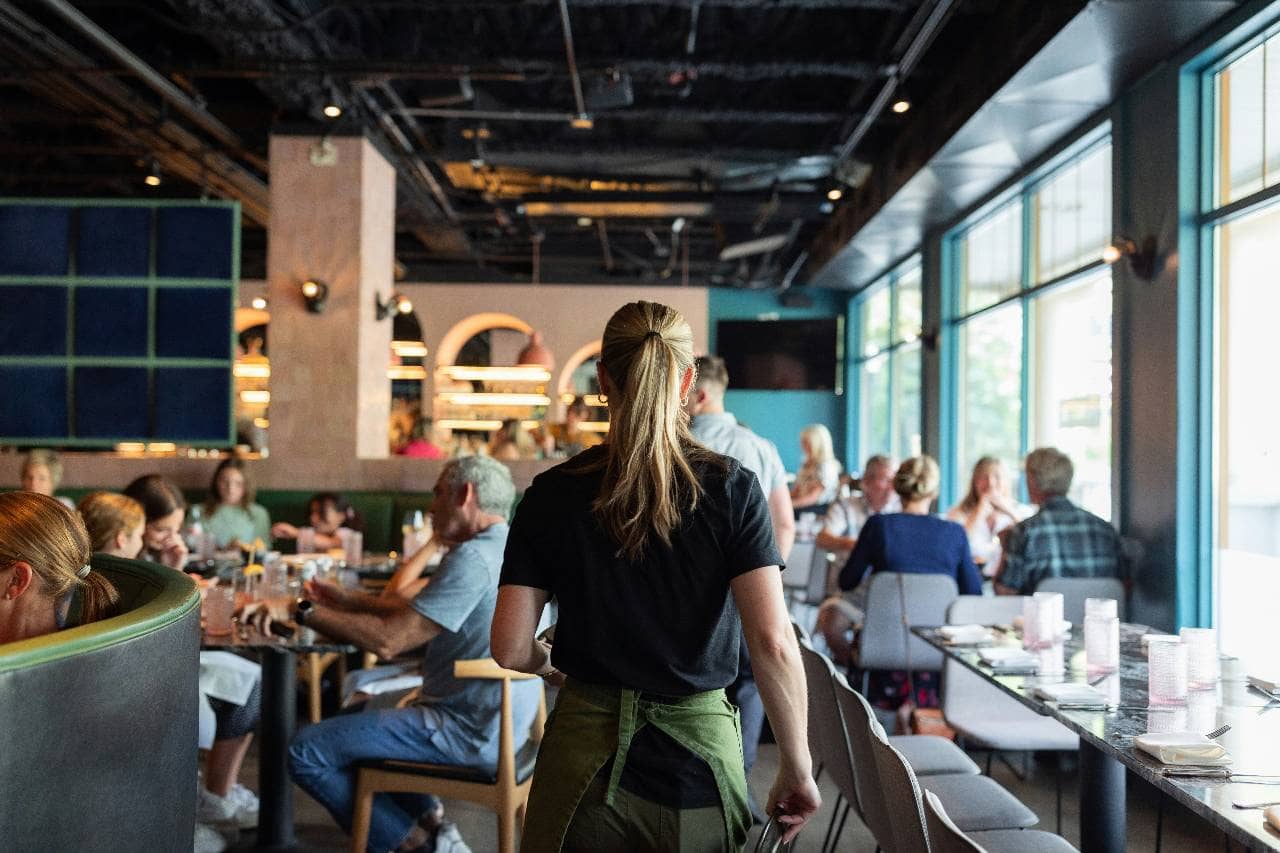
Learn practical ways to reduce labour costs through smarter scheduling, forecasting, productivity, cross-training, automation, overtime control, and performance monitoring strategies.
Aug 26, 2026

A restaurant P&L statement reveals sales, expenses, and profits, helping owners manage costs, improve margins, and plan finances more effectively.
Aug 26, 2026
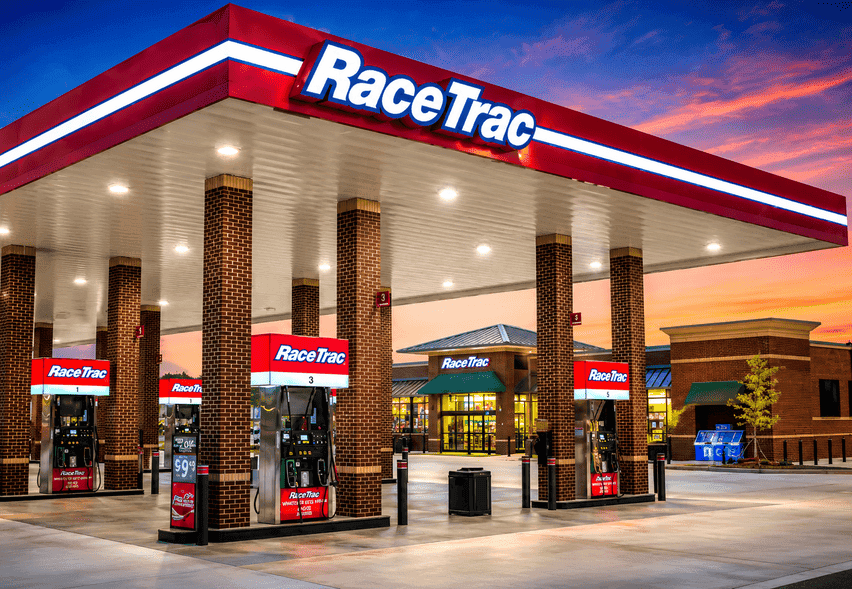
RaceTrac has appointed Jill Pemberton as chief financial officer, succeeding Karla Ahlert, who moves into the newly created role of chief administrative officer.
Aug 26, 2026

Create a practical restaurant marketing plan by setting goals, targeting customers, choosing channels, budgeting wisely, scheduling campaigns, and measuring results.
Aug 24, 2026

Levain Bakery appoints Lorna Sommerville and Taya Stenson as co-CEOs, blending operational and marketing expertise to power national expansion and innovation while staying rooted in its brand values.
Aug 25, 2026
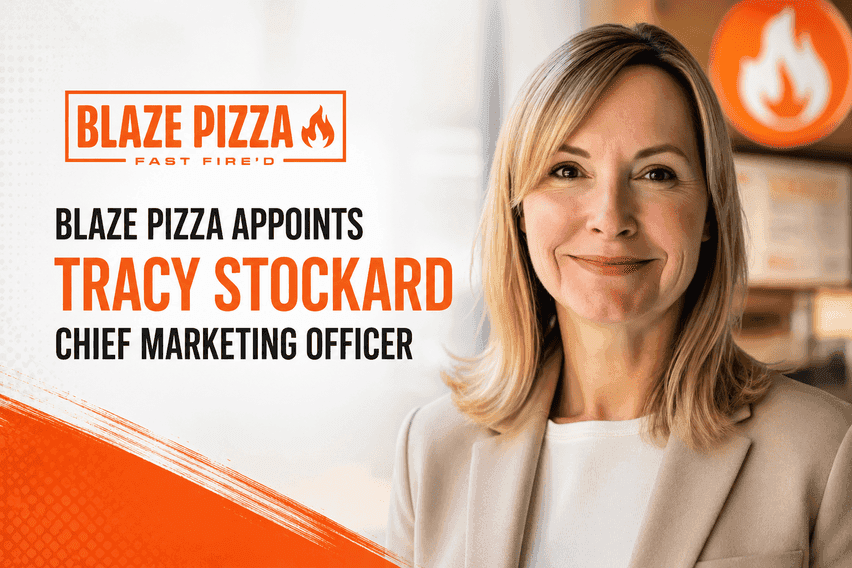
Blaze Pizza welcomes Tracy Stockard as Chief Marketing Officer, bringing decades of brand and franchise experience to drive strategic growth and guest engagement.
Aug 25, 2026

Unlock Exclusive Access To Webinars, Events, And The Latest News For Free!
Explore how President Trump's tariffs are affecting the hospitality industry, particularly hotel restaurants, and the strategies to mitigate the challenges.

Photo by Yanhao Fang
Photo by Yanhao Fang
Tariffs imposed on food and beverage products are poised to drive up costs for American consumers, including those dining at hotel on-property restaurants. The National Restaurant Association highlights that such tariffs not only escalate food and packaging expenses but also introduce uncertainties in managing product availability, consequently leading to increased prices for consumers.

Photo by Yanhao Fang
Hotel restaurants, like other U.S. eateries, heavily rely on interconnected global supply chains to procure fresh, year-round ingredients. Michelle Korsmo, CEO of the National Restaurant Association, emphasizes the necessity of these global networks due to the inadequate domestic production capacity for many essential ingredients. Disruptions in these supply chains caused by tariffs exacerbate operational costs for restaurant operators.
Photo by Yanhao Fang
In response to the tariff-induced challenges, industry experts recommend proactive measures. Operators are advised to engage with suppliers to trace the origin of their products and assess the implications of new or increased tariffs on availability and costs. This strategic communication with suppliers enables restaurants to navigate the evolving cost landscape effectively.

Photo by Yanhao Fang
With the projected rise in food costs, restaurant operators anticipate a direct impact on menu prices. Brian Rosen, CEO of InvestBev, emphasizes that beyond cost implications, the greater concern for hotels and restaurants lies in the potential decline in guest numbers. Anti-American sentiments and economic uncertainties may deter travelers, affecting dining and beverage consumption at hotel establishments.
The delicate balance within the hotel ecosystem is at risk due to reduced travel and subsequent impacts on the food and beverage sectors. Decreased tourism could lead to an oversupply of beverages at hotel bars, necessitating adjustments in manufacturing and distribution strategies for beverage brands. Such ripples across industries highlight the interconnectedness of travel, hotels, and F&B.
Photo by Yanhao Fang
Amidst the uncertainties stemming from tariffs, industry experts foresee challenges persisting in the near term. Predictions suggest a potential downturn in hospitality company earnings in the coming quarters, primarily driven by changing travel sentiments and economic conditions. However, the pressure from various stakeholders may prompt policy adjustments to mitigate the adverse impacts of tariffs.