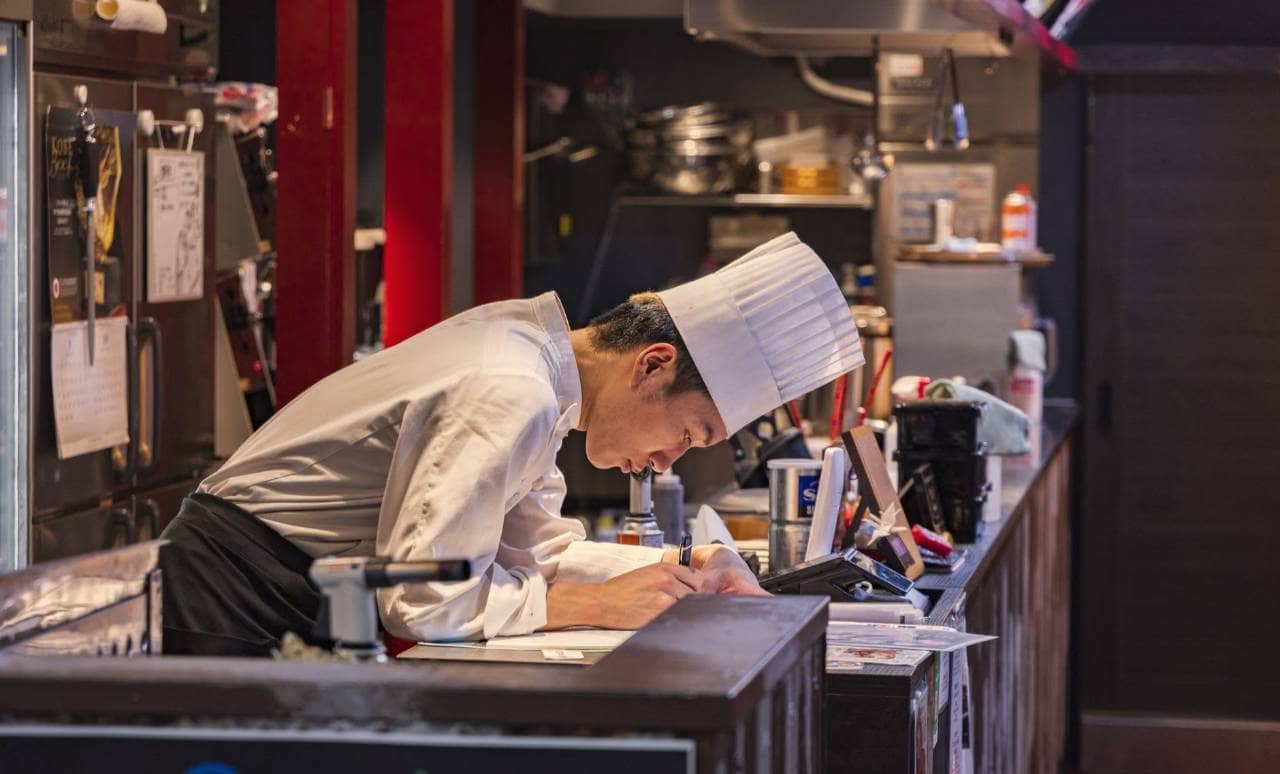
How to Calculate Cost of Goods Sold for a Restaurant
Learn how to calculate restaurant cost of goods using inventory, purchases, COGS percentage, variance reviews, and regular tracking for profitability.
Accounting
Aug 31, 2026
Learn how to calculate restaurant cost of goods using inventory, purchases, COGS percentage, variance reviews, and regular tracking for profitability.
Aug 31, 2026
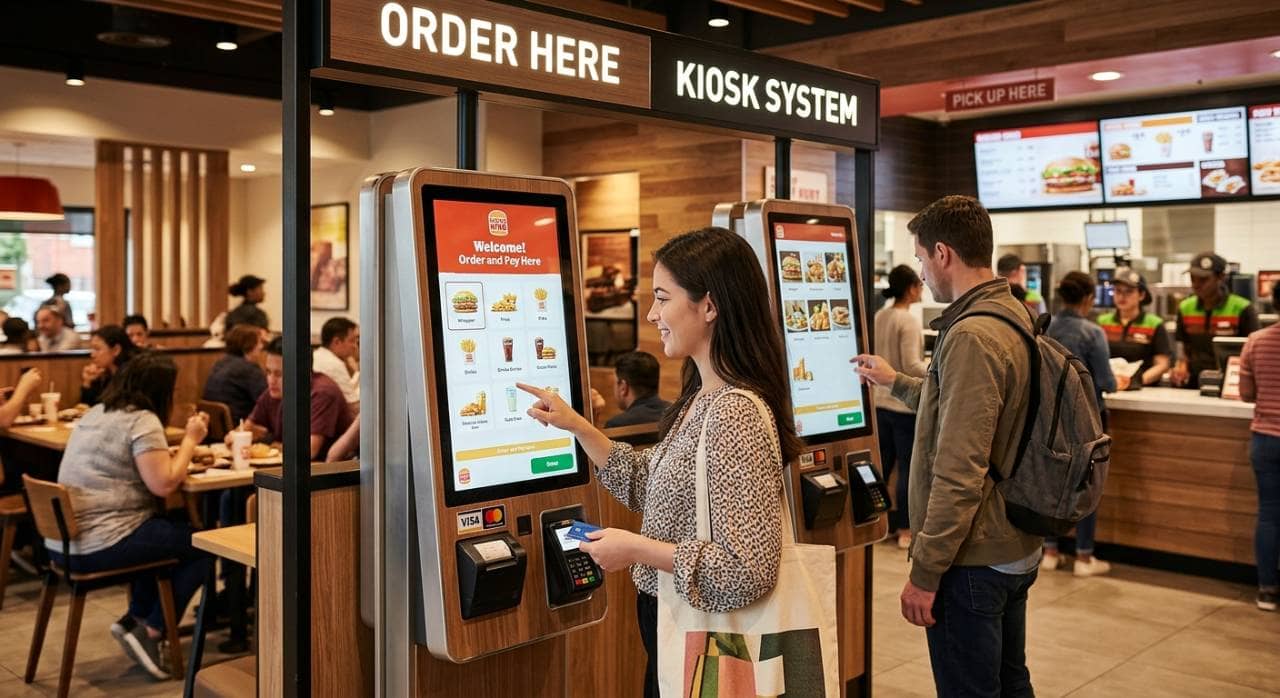
Understand how to evaluate a Kiosk system using key criteria including features, POS integration, hardware, pricing, customer experience, and support.
Aug 31, 2026

Explore restaurant technology trends in 2026, including AI, automation, digital ordering, workforce tools, connected kitchens, personalization, and profitability strategies today.
Aug 28, 2026
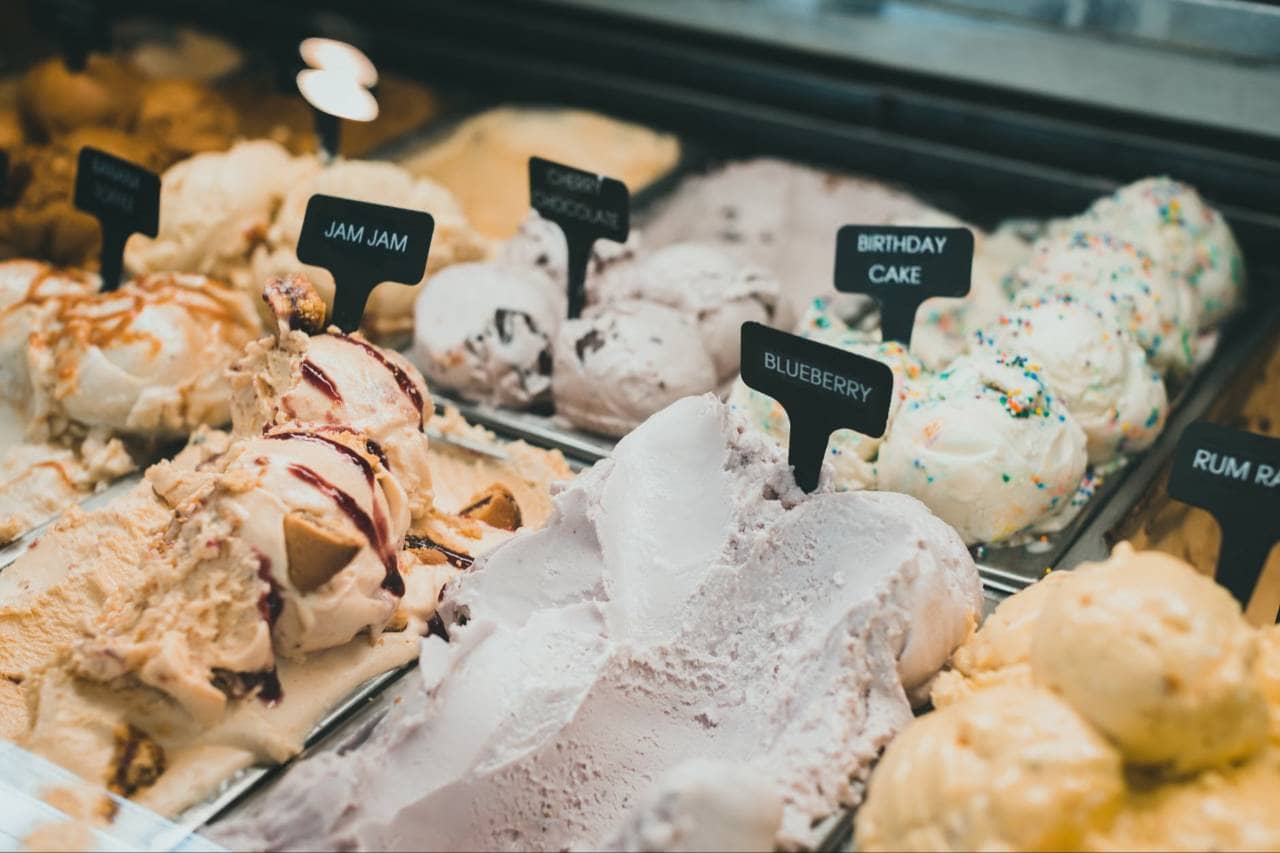
Learn the startup costs of opening an ice cream shop, including rent, equipment, renovations, permits, inventory, labor, marketing, and reserves.
Aug 28, 2026

A restaurant P&L statement reveals sales, expenses, and profits, helping owners manage costs, improve margins, and plan finances more effectively.
Aug 26, 2026
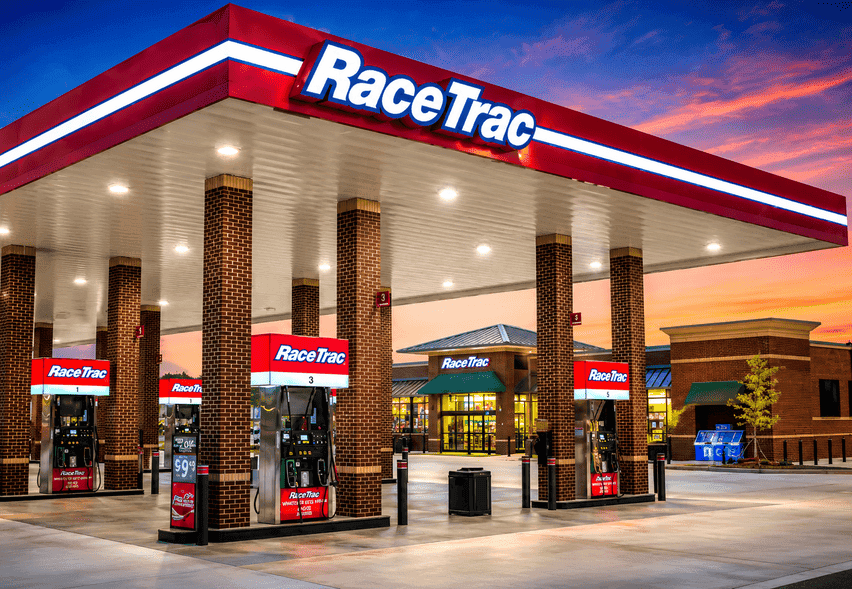
RaceTrac has appointed Jill Pemberton as chief financial officer, succeeding Karla Ahlert, who moves into the newly created role of chief administrative officer.
Aug 26, 2026
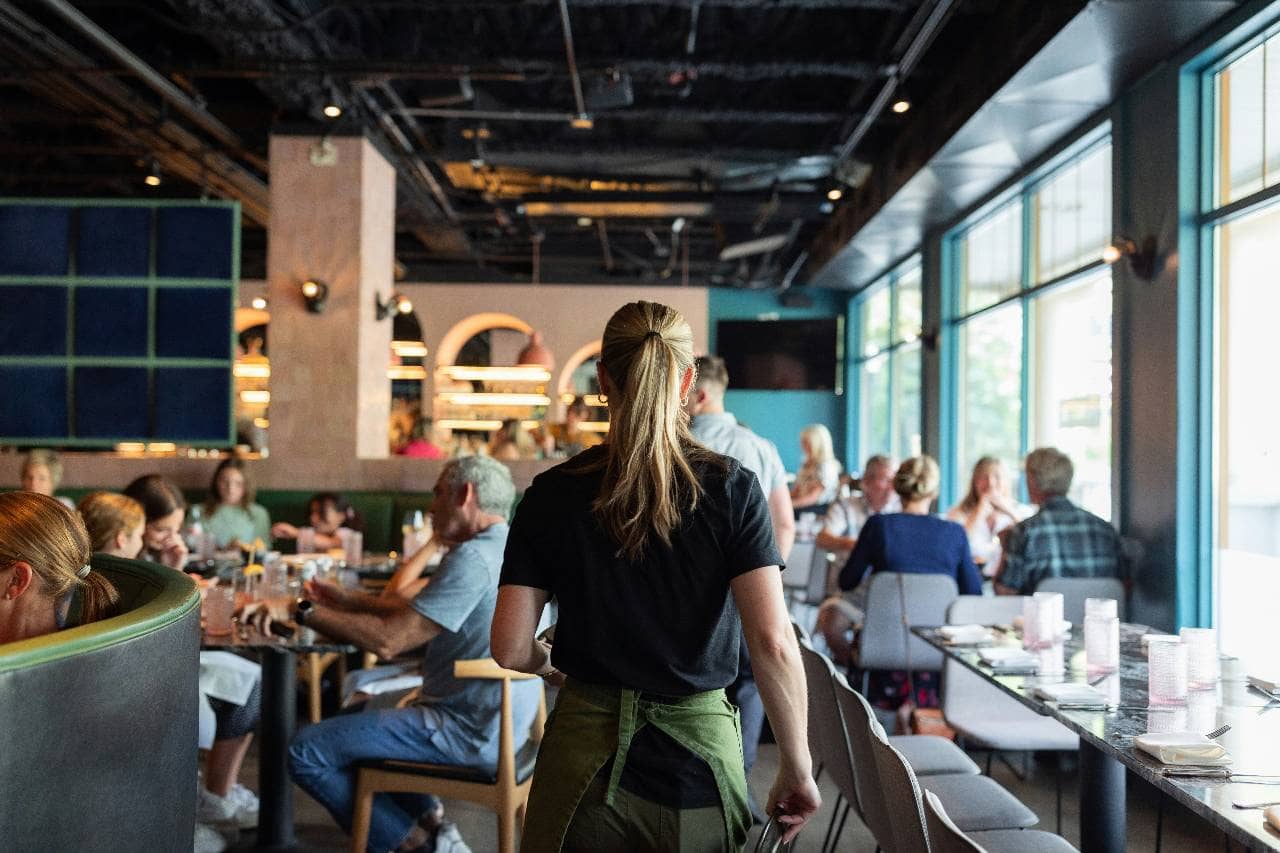
Learn practical ways to reduce labour costs through smarter scheduling, forecasting, productivity, cross-training, automation, overtime control, and performance monitoring strategies.
Aug 26, 2026

Create a practical restaurant marketing plan by setting goals, targeting customers, choosing channels, budgeting wisely, scheduling campaigns, and measuring results.
Aug 24, 2026
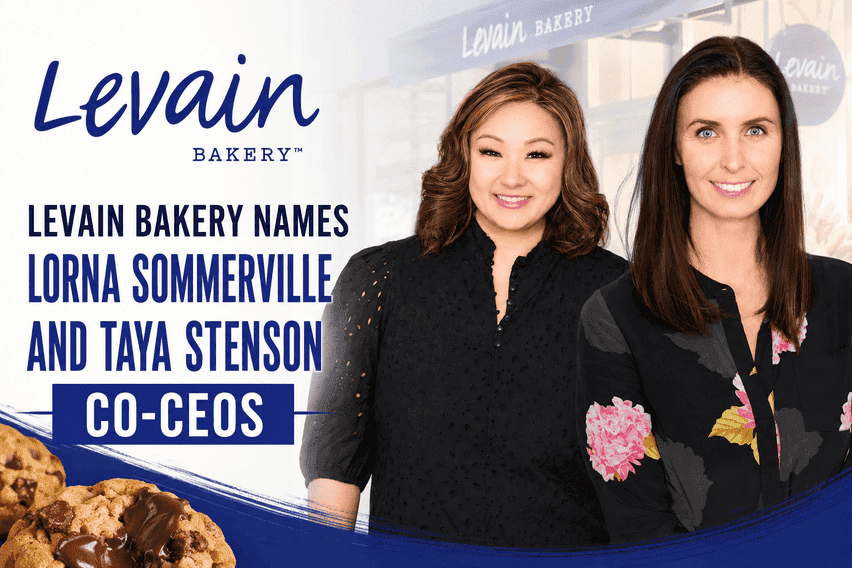
Levain Bakery appoints Lorna Sommerville and Taya Stenson as co-CEOs, blending operational and marketing expertise to power national expansion and innovation while staying rooted in its brand values.
Aug 25, 2026
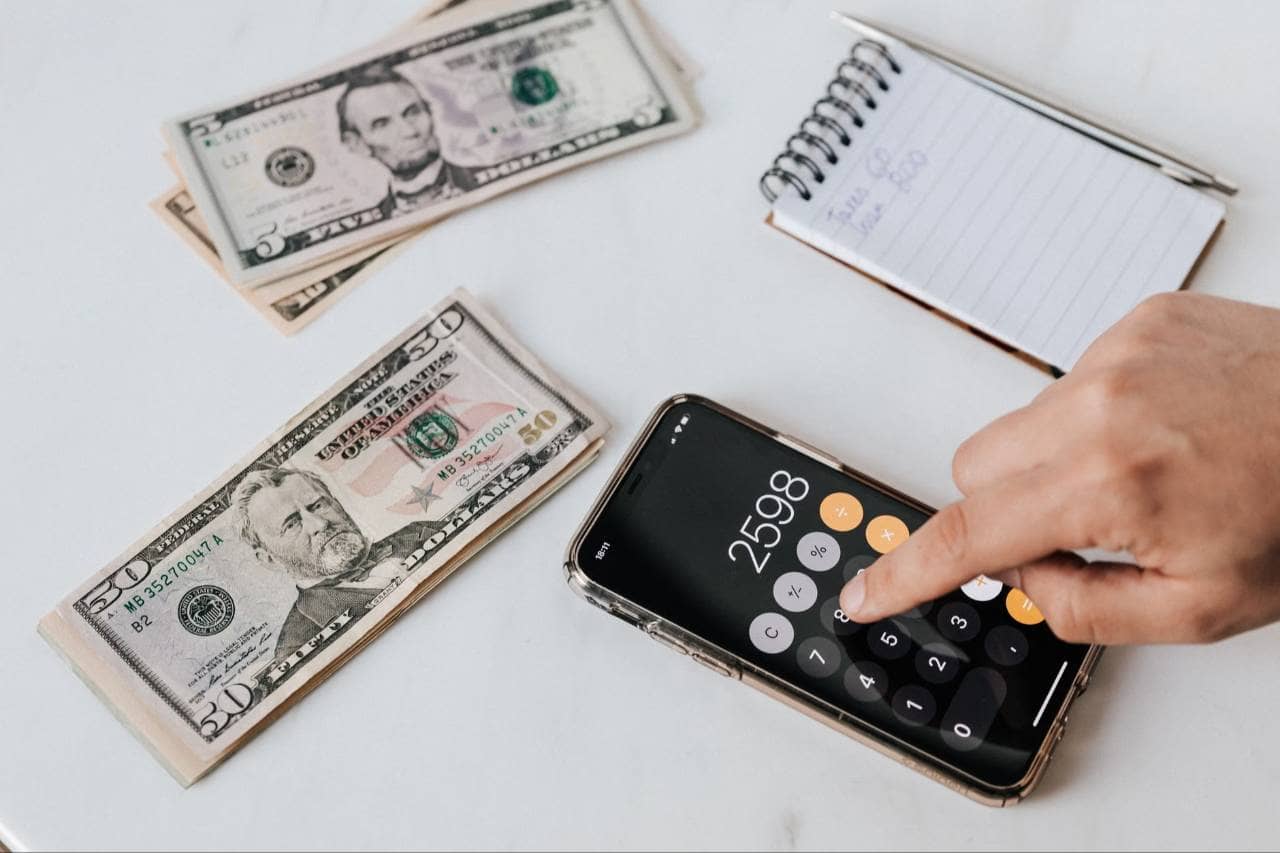
A payroll advance policy helps restaurant owners define eligibility, limits, repayment, documentation, approval procedures, and compliance requirements for employee advances.
Aug 24, 2026

Unlock Exclusive Access To Webinars, Events, And The Latest News For Free!
Shake Shack appoints Michael Fanuele as Chief Brand Officer, uniting advertising, paid media, and analytics to scale bold, sales-driving marketing while preserving the brand’s premium identity.
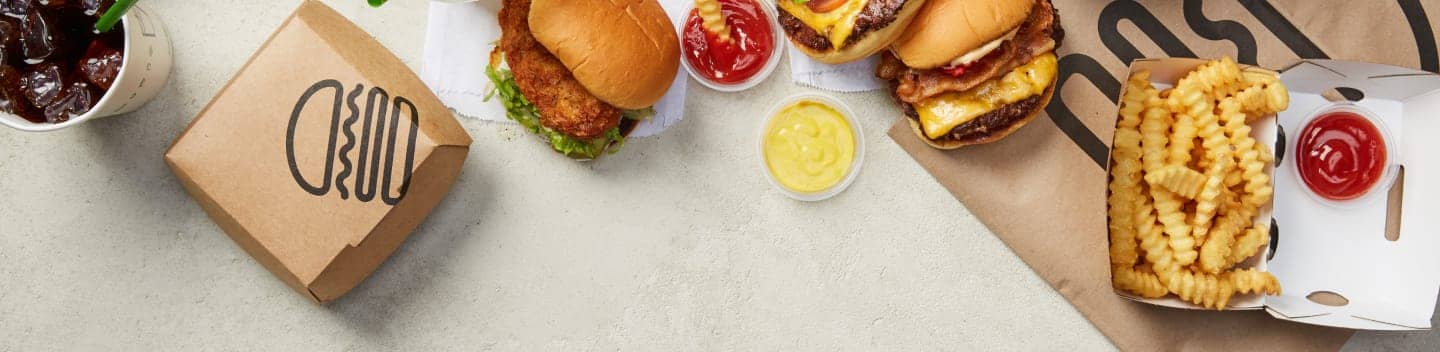
Shake Shack is elevating its brand voice and tightening the link between creativity and performance by naming Michael Fanuele Chief Brand Officer, a decisive shift from operational tune-up to market-facing acceleration. The move reframes the company’s next chapter as one where premium cues are not merely upheld but amplified, and where every flourish of storytelling is weighed for its ability to draw guests and drive sales. “Over the past year, we’ve built a strong foundation in the operations of our Shacks, and now we’re accelerating our efforts to connect with more guests through bold, sales-driving marketing,” Lynch said in a statement. “With Michael stepping in as our new Chief Brand Officer, we’re excited to take this next step in evolving our marketing model.” The terms are clear: a more assertive model that pairs creative aspiration with commercial discipline, translating the brand’s distinctive identity into demand. One senses the quiet confidence of a kitchen that has perfected its mise en place and is now ready to send plates at a brisker tempo, each dish plated with precision, each detail designed to be seen and savored.
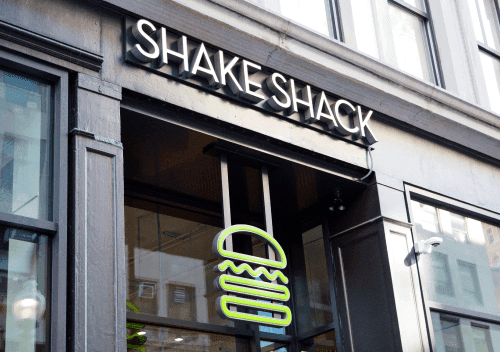
The brand points to recent momentum, anchored by a year of operational improvement in its Shacks, as the springboard for a heavier marketing push. With the basics codified, the mandate evolves: earn attention in a crowded category while keeping premium equities unmistakable as the volume of tactics increases. Tests of paid media programs in various markets have generated positive results, and those early wins are positioned as proof points to scale. The intent is not to imitate the cadence of fast food rivals but to differentiate decisively, showcasing premium menu items and the brand’s identity in ways that command notice. The phrase “bold, sales-driving marketing” is more than rhetoric here; it functions as a rubric for what will be funded, tested, and expanded. The timeline is pragmatic. The company seeks to translate distinctiveness into traffic and check growth, maintaining a firm grip on what makes the brand different even as it experiments with reach and frequency. Think of it as adding brass to the orchestra without drowning out the violins: clarity of theme, higher volume, and no compromise to the score.
Fanuele’s remit consolidates the strands that define go-to-market effectiveness. He will oversee advertising, paid media, and insights and analytics, working alongside Steph So, chief growth officer, and Luke DeRouen, chief communications officer. This structure places him at the center of how the company frames its story, selects its channels, and measures impact across the funnel. Aligning advertising and paid media under a single leader creates a closed loop between strategy, execution, and measurement. Insights and analytics will inform not only the creative but also the media investment, ensuring that what is said and where it is placed are orchestrated in concert. The organization’s learnings from paid media tests will guide how campaigns scale across regions and formats, so that early proof points shape broader deployment. Throughout, the charge is to keep the brand’s core equities, its premium menu items and clear identity, front and center, even as performance tactics accelerate. The promise is elegant in its simplicity: a tighter system that makes the brand more legible to more guests, and more accountable for how that story converts curiosity into visits and checks.
The appointment leans on Michael Fanuele’s decades of experience in brand and media strategy, highlighted by “market-shaping work” for Dos Equis, Arby’s, Cadillac, Charles Schwab, Cheerios, The Economist and Volvo. His leadership arc has spanned agencies and brands: chief strategy officer at Fallon and Havas; the first chief creative officer at General Mills beginning in 2014; president of Assembly Media; senior vice president of brand and strategy at ZenBusiness; and founder of the consultancy Lab of Creative Commerce. All of these threads, high-level planning, hands-on stewardship of creative development, media integration, and organizational leadership, map cleanly to the remit at Shake Shack. The role demands a conductor who can read the score and command the tempo, ensuring that creative ideas are not only elegant on the page but resonant in market. Critically, this background supports a premium-first posture against fast food competitors by pairing imaginative storytelling with disciplined media activation that can scale. It is a blueprint for elevating a brand’s distinctiveness while insisting that every investment be legible in the ledger of performance.
The approach is explicit: connect brand expression to business outcomes. Shake Shack has tested paid media programs in various markets, leading to positive results, and those learnings will guide how campaigns scale. The purpose is straightforward, differentiate the brand’s positioning while driving traffic and check growth. By codifying how insights and analytics guide decisions at every step, the organization is assembling a feedback loop that measures impact across the funnel and feeds those learnings back into both the creative and the media plan. It is marketing treated as a living system: inputs, outputs, and refinements arranged with the discipline of a kitchen that tastes as it cooks. In that system, a premium identity is not merely upheld but made more legible to new guests. Media becomes accountable for performance without diluting what makes the brand distinct. The artistry of the plate and the speed of the pass meet at the window, each serving the other.
The collaboration among Fanuele, Steph So, and Luke DeRouen is designed to merge growth initiatives, communications, and marketing into one cohesive plan. The past year’s operating gains provide the foundation; now the marketing engine gets permission to scale with a clear spine of accountability. In practical terms, a centralized remit for brand storytelling and paid media ensures that core equities remain visible even as the company experiments with formats, regions, and tactics. This cross-functional setup supports tighter integration between brand expression and performance outcomes, creativity and measurement treated as paired disciplines rather than trade-offs. The result is a go-to-market approach with fewer seams. Stories travel further because they are tailored to the channels that carry them; media dollars work harder because they are informed by the same insights that sparked the creative in the first place. Elegance in the arrangement begets efficiency in the result.
The announcement emphasizes momentum and a premium-first strategy but withholds campaign specifics. There are no detailed budgets, timelines, or creative examples included. The “positive results” from market tests are cited as early proof points, yet the scale of those tests and exact metrics are not provided. A stronger performance lens and impact measured across the funnel are promised, but named KPIs and thresholds are not disclosed. These omissions do not alter the direction; they simply describe the boundary of what has been made public. The practical implication is that observers should expect to judge the evolution by what becomes visible in advertising, by the expansion of paid media across regions and formats, and by whether the premium narrative stays front and center as traffic and check-focused tactics scale. In other words, watch the plate as it leaves the pass: the garnish of premium cues must be unmistakable, even as the kitchen expedites more orders. The proof will be on display in-market, where attention and appetite are won, or lost, at speed.
Shake Shack is using an operational foundation to justify a bolder marketing posture, with Michael Fanuele tasked to ensure that creative ambition and accountable results move in lockstep. The next phase is framed as a balance of reach and relevance: use paid media to attract more guests while reinforcing what sets the brand apart from fast food rivals. The language is confident, an assertive voice in the marketplace, a model that pairs bold creative with measurable impact, and the structure is in place to act on it, with advertising, paid media, and insights and analytics working as one system. If scaled programs echo the early proof points from testing and keep premium cues unmistakable, the promise of “bold, sales-driving marketing” becomes a practical engine for growth rather than a slogan. The lesson is concise and consequential: when a brand couples creative courage with performance discipline, and builds on a stable operational base, it earns the right to speak louder without losing its accent. Success here will look like a differentiated position, expanding reach, and traffic and check growth achieved without compromising identity. That is the quiet art of refinement at scale.